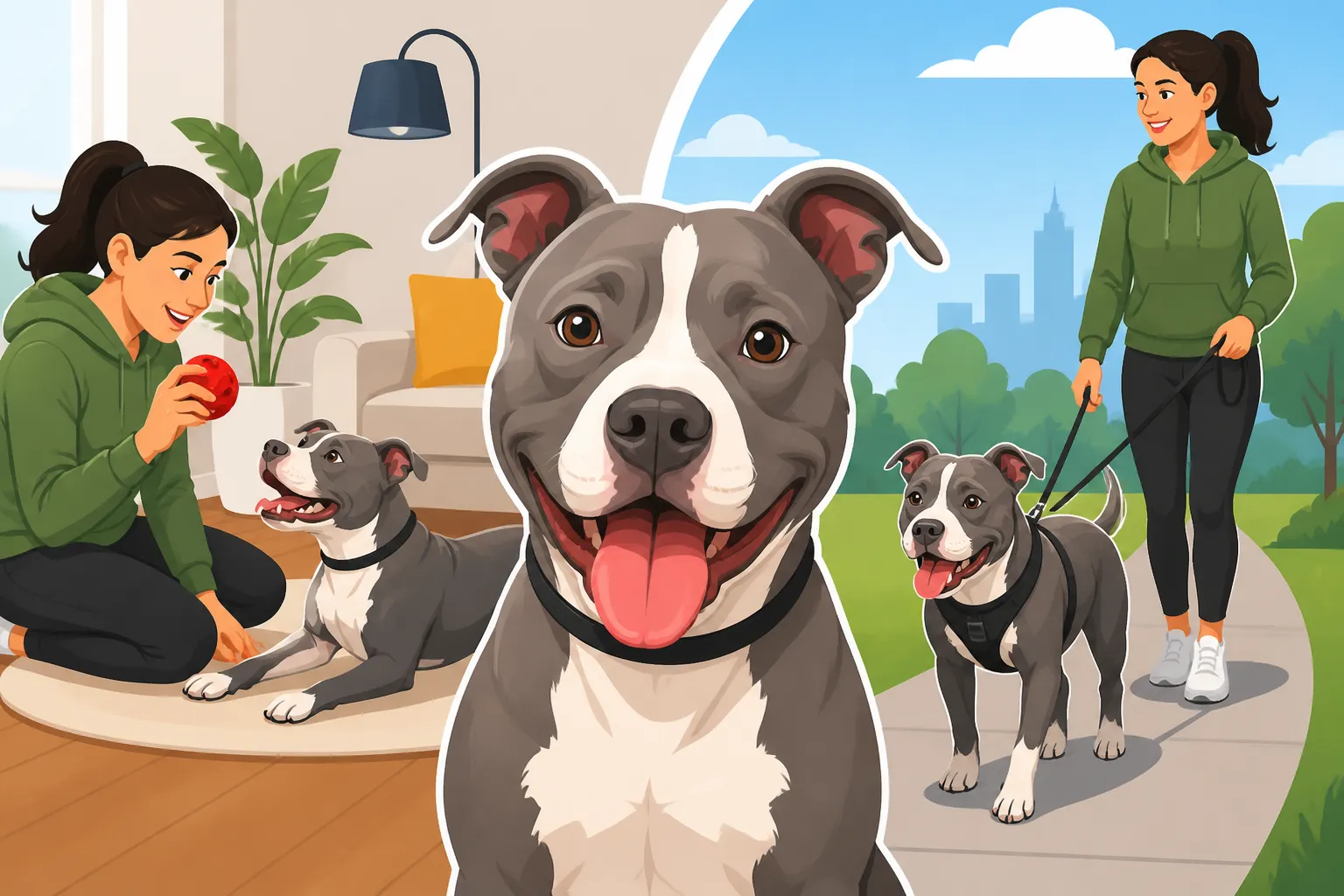
Managing a Pit Bull Without a Yard
Many folks dream of sharing their lives with a fantastic Pit Bull, but they often get stuck on one major hurdle: not having a big, fenced yard. It's a real and understandable worry, picturing these strong, energetic dogs cooped up, bored, or destructive in a smaller space. This guide is all about showing you how a Pit Bull can absolutely thrive, living a full and happy life even in an apartment or a home without a sprawling outdoor space, by focusing on smart management, consistent exercise, and crucial mental enrichment.
The Reality of Pit Bulls and Limited Space
It’s easy to fall into the trap of thinking a Pit Bull needs a huge yard to be happy. This stereotype often creates unnecessary barriers for wonderful dogs waiting in shelters and for potential owners who are otherwise perfect matches. The truth is, a yard, no matter how big, is just a piece of property. It doesn't inherently make a dog well-exercised or mentally stimulated. What truly matters is how an owner engages with their dog, regardless of square footage.
Busting the "Yard-Only" Myth for Pit Bulls
Let's be real: simply having a yard doesn't equate to a happy, well-adjusted dog. I've known plenty of dogs with acres to roam who are still bored stiff because their humans aren't interacting with them. A big, empty yard often becomes nothing more than a giant outdoor potty area for a dog that is otherwise under-stimulated. For a breed as people-oriented and intelligent as the Pit Bull, being left alone in a yard for hours is often far less fulfilling than being actively engaged by their family, even if that engagement happens indoors or on a leash.
Pit Bulls generally bond very closely with their families and often prefer to be wherever their people are. They aren't typically the kind of dog that happily entertains themselves for long periods in a yard without human interaction. This means that a dedicated owner in a small apartment, actively taking their Pit Bull out for walks, training sessions, and play, can provide a far richer life than someone with a sprawling estate who simply lets their dog out the back door and forgets about them. Think about my friend Sarah, who lives in a downtown condo with her Pit Bull, Buster. Buster gets more focused attention, structured exercise, and mental stimulation daily than many dogs I know who have access to large private yards but spend most of their time unsupervised.
Understanding Your Pit Bull's Energy Needs
When we talk about Pit Bull energy, it's easy to picture a dog that needs to run for miles every day. While they are undoubtedly powerful and athletic dogs, their energy needs are often misunderstood. It’s not necessarily about constant high-impact exercise, but rather consistent and appropriate exercise that fulfills both their physical and mental requirements. Some Pit Bulls are actually quite content to be couch potatoes after a good walk, while others have a higher drive that needs more structured outlets. The key is to understand your individual dog's specific needs.
Just like people, individual Pit Bulls within the broader type can have varying energy levels. Some may be perfectly happy with two brisk 30-minute walks and some indoor playtime, while others might need an hour of focused activity and a mental workout to feel truly settled. Recognizing this difference is crucial. What's universal, however, is that mental stimulation is just as, if not more, important than physical exertion. A tired mind often leads to a tired body, and a dog that has had its brain engaged is less likely to become restless or destructive due to boredom. For a deeper dive into what they truly need, check out The Daily Exercise a Pit Bull Actually Needs.
Maximizing Exercise Without a Private Yard
Living without a yard simply means you need to be more intentional and creative about how you provide exercise. It becomes about quality over convenience, and often, it results in a more engaged and well-behaved dog because you're directly involved in their physical activity.
Structured Walks and Urban Adventures
For a Pit Bull without a yard, walks aren't just for potty breaks; they are their equivalent of a backyard, a park, and a social club rolled into one. These walks need to be structured and enriching. Instead of the same old route every day, try to vary it. Explore new neighborhoods, walk through different parks, or even find nature trails if accessible. Allow your Pit Bull plenty of sniffing opportunities – scent is a dog's primary sense, and "sniff walks" are incredibly mentally fatiguing and fulfilling. Vary the pace: sometimes a brisk heel, sometimes a loose-leash wander where they can investigate.
The importance of good leash manners cannot be overstated. A Pit Bull that drags you down the street isn't just unpleasant; it makes regular, longer walks a chore, and you’re less likely to provide the exercise they need. Investing time in training a solid "heel" or a polite loose-leash walk will pay dividends. For tips on managing their strength, take a look at Pit Bull Leash Manners and Physical Strength. Additionally, investing in the right gear is essential. A strong, well-fitting harness or a head halter can make a huge difference in control and comfort for both of you. You'll find that Chewy offers a wide range of durable harnesses suitable for strong pullers, so you can easily find one that fits their broad chest and keeps you in control without causing discomfort. If your Pit Bull is particularly prone to pulling, considering Harnesses Built for a Pulling Pit Bull might be helpful. Imagine your morning: a 45-minute brisk walk where you practice commands, followed by a 30-minute afternoon "sniffari" through a new park, and a shorter evening stroll. This variety keeps them engaged and helps them explore their world.
Exploring Dog Parks and Supervised Playdates
Dog parks can be a fantastic resource for exercise and socialization, but they come with caveats, especially for Pit Bulls. While many Pit Bulls are perfectly friendly with other dogs, the breed type is known for potential "dog selectivity" as they mature. This means they might not enjoy or tolerate every dog they meet, and group settings with unknown dogs can sometimes be unpredictable. If you choose to visit a dog park, always supervise intensely, know your dog's play style, and be ready to intervene or leave if necessary. It’s definitely worth considering Whether a Pit Bull Belongs at a Dog Park before you head out.
A safer, often more controlled alternative to a busy public dog park is arranging playdates with known, compatible dogs. Perhaps a friend also has a well-socialized dog, and they can play in a fenced area you trust, or even a securely leashed walk together. This provides the joy of canine companionship without the unknowns of a public park. The benefits are clear: consistent exercise, healthy socialization with appropriate partners, and peace of mind for you. These interactions allow your Pit Bull to burn off energy in a species-appropriate way, using their natural play behaviors.
Doggy Daycare and Professional Walkers
For owners with demanding schedules, doggy daycare and professional dog walkers can be absolute lifesavers. A good doggy daycare provides structured play, socialization, and supervision, ensuring your Pit Bull gets several hours of activity while you’re at work. When choosing a daycare, look for one with staff experienced with strong, energetic breeds, clear supervision protocols, and separate play areas for different temperaments or sizes. Structured play sessions and mandatory rest times are also good signs. It’s not just about running around; it’s about managed, healthy interaction.
Similarly, a trusted, professional dog walker can make a significant difference. They can provide that essential midday break, ensuring your Pit Bull gets mental stimulation and physical activity when you can’t be there. This isn't just a convenience; it's a vital part of their welfare in a yard-less home. Knowing your dog is getting a good, brisk walk or a supervised play session during your workday can alleviate guilt and prevent boredom-induced behaviors at home. For many urban Pit Bull owners, these services are not luxuries but necessary components of their dog's well-being.
Enrichment and Mental Stimulation Indoors
It’s easy to focus solely on physical exercise, but mental stimulation is arguably just as, if not more, important for a Pit Bull living without a yard. A mentally tired dog is often a well-behaved dog, and there are countless ways to challenge their intelligent minds right inside your home.
The Power of Puzzle Toys and Brain Games
Think of mental exercise as a workout for your Pit Bull's brain. It can be incredibly tiring, often more so than a simple physical run. Puzzle toys are fantastic for this. Products like Kongs stuffed with treats (and even frozen for a longer challenge), snuffle mats where they have to dig for kibble, or slow feeders that make them work for their meal can turn mealtime into a stimulating activity. Chewy has an amazing selection of puzzle feeders that can turn mealtime into a rewarding, mentally engaging challenge for your Pit Bull, from beginner to advanced levels. These aren't just toys; they're tools to prevent boredom and harness their natural drive to problem-solve.
Don't forget about DIY brain games, either. Hide-and-seek with treats or toys is a classic that works wonders. Start easy, letting them see where you hide things, then gradually increase the difficulty. Scent work, even simple versions, taps into their natural instincts and can be incredibly rewarding. You can find more ideas on this in Scent Work as Indoor Pit Bull Exercise. My own dog absolutely loves searching for kibble pieces I've hidden in different rooms or tucked under blankets; it's amazing how much that simple activity can settle him down.
Training Sessions as Mental Workouts
Training isn't just about teaching commands; it's a fantastic mental workout that strengthens your bond with your Pit Bull. Daily short training sessions, even just 5-10 minutes each, can be highly effective. Use this time to reinforce basic commands like sit, stay, and down, or to teach new, fun tricks. The process of learning, figuring things out, and earning rewards is incredibly satisfying for dogs. Focus on positive reinforcement methods – rewarding desired behaviors with treats, praise, or toys – to keep the experience fun and motivating. Learn more about effective methods in Positive Reinforcement Training With a Pit Bull.
Even if you only have a small living room, you can practice complex commands like "place" (sending them to a specific bed or mat), work on impulse control with "leave it" games, or engage in some fun indoor agility activities using household items. For even more ideas that don't require much space, consider Indoor Games for a Housebound Pit Bull. Consistent training builds focus, confidence, and gives your Pit Bull a "job" to do, which is often what they crave.
Chewing and Appropriate Outlets
Pit Bulls are renowned for their powerful jaws and their love of chewing – it's a completely natural, stress-relieving behavior for them. The trick is to redirect that instinct onto appropriate items rather than your furniture or shoes. Providing a constant supply of highly durable chew toys is non-negotiable in a yard-less home. Look for items specifically designed for aggressive chewers. Frozen Kongs filled with peanut butter, yogurt, or wet food can keep them occupied for extended periods. Bully sticks, dental chews, or dense rubber toys are also excellent choices.
When selecting chews, always prioritize safety and choose items appropriate for your dog's size and chewing style. Avoid anything that can splinter or be ingested in large, harmful pieces. Chewy offers highly rated, durable chews specifically designed for strong chewers, which are perfect for a Pit Bull and can save your furniture from becoming a target. You can also explore Chew Toys That Hold Up to a Pit Bull for more specific recommendations, and make sure you're also staying on top of Pit Bull Dental Care Around Hard Chewing. By consistently providing attractive, safe chewing outlets, you satisfy a fundamental canine need and prevent destructive behaviors stemming from boredom or anxiety.
Creating a "Pit Bull Proof" Apartment or Home
When you don't have a large outdoor space, your indoor environment becomes even more critical. It needs to be a safe, comfortable, and engaging haven for your Pit Bull, structured to prevent common issues and cater to their physical and behavioral needs.
Space Management and Safety Zones
Even in a smaller home, you can create designated areas that serve different purposes for your Pit Bull. Think about a specific, comfortable spot for sleeping, a consistent area for eating, and perhaps a dedicated space for indoor play or training. Crate training is not a punishment; it's an invaluable tool. A crate becomes your Pit Bull's private den, a safe haven where they can relax undisturbed. This is especially useful in smaller spaces where a dog might otherwise feel overwhelmed or might get into trouble when left alone. For guidance on selecting a secure one, check out The Crate a Pit Bull Cannot Break Out Of.
Utilize baby gates or exercise pens to manage access to certain areas, particularly if you have multiple pets, small children, or during the initial adjustment phase with a new dog. This allows you to slowly introduce them to different parts of the home and prevents unsupervised access to potential hazards or temptations. A well-managed space reduces stress for everyone and helps your Pit Bull learn boundaries effectively.
Durable Gear and Furniture Choices
Let's face it: Pit Bulls are strong, sturdy dogs. If they're going to be spending more time indoors, you need to invest in durable gear and make smart furniture choices. This means dog beds built to last, ideally with washable, heavy-duty covers that can stand up to their digging and nesting behaviors. If your Pit Bull is a chewer, consider beds with a strong, rip-resistant exterior. While no bed is truly indestructible, choosing robust options will save you money and frustration in the long run.
Beyond dog beds, consider your general home environment. Are there exposed wires? Valuables within reach? Reinforce potential escape points, especially if your Pit Bull is prone to curiosity (or separation anxiety, which can lead to destructive behaviors). Ensure windows and doors are secure, and that there are no gaps they could squeeze through. This might sound like a lot, but a bit of proactive "Pit Bull proofing" makes for a much calmer household. If your Pit Bull is prone to destroying things when left alone, it's worth reading A Pit Bull That Destroys Furniture When Alone for strategies.
Routine and Predictability
Dogs, and especially Pit Bulls, thrive on routine. A predictable schedule provides security and helps them understand what to expect throughout their day, which is even more important in an environment that might not offer constant novelty like a huge backyard. Establish consistent feeding times, regular potty breaks (even if it's just a quick trip outside on a leash), scheduled exercise sessions, and designated quiet times.
This consistency helps to minimize anxiety and can significantly reduce the likelihood of destructive behaviors that stem from boredom or uncertainty. For example, a strict morning routine that includes a potty break, a brisk walk, breakfast, and then a puzzle toy before you leave for work can help your Pit Bull settle down and feel secure in your absence. Knowing that their needs will be met at specific times allows them to relax during downtime. Additionally, learning to read their signals is paramount; sometimes a dog that seems restless just needs a potty break, or a quiet space to settle. Being tuned into their Reading Pit Bull Body Language Before a Greeting will also serve you well in various situations, indoors and out.
Indoor vs. Outdoor Activities for Pit Bulls in Small Spaces
Here's a quick comparison to help you plan your Pit Bull's day, whether you have a yard or not:
| Activity Type | Indoor Options (No Yard) | Outdoor Options (No Yard) | Benefits |
|---|---|---|---|
| Physical Exercise | Fetch in a long hallway, Stair sprints (if safe for joints), Tug-of-war, Indoor agility (DIY) | Structured brisk walks (30-60 min, 2x day), Jogging/Running (if dog is mature), Leashed hikes/trails, Playdates with compatible dogs, Doggy daycare, Flirt pole play (in a safe, open area) | Builds stamina, maintains muscle mass, burns excess energy, prevents weight gain |
| Mental Stimulation | Puzzle feeders, Snuffle mats, Scent games (hide-and-seek), Training sessions (new tricks, obedience) | Sniff walks (exploring new scents), Obedience training in distracting environments, Socialization with people/dogs, Exposure to new sights/sounds, Agility classes | Prevents boredom, reduces destructive behavior, enhances problem-solving skills, builds focus |
| Calming/Enrichment | Durable chew toys, Stuffed Kongs (frozen), Lick mats, Designated quiet crate space, Grooming/Cuddle sessions | Resting in a quiet park (people watching), Supervised chewing outdoors, Observing nature, Short car rides to new places (if dog enjoys it) | Reduces stress, promotes self-soothing, strengthens bond, provides appropriate outlets |
Disclaimer
This article is for general informational purposes only and does not constitute professional advice. Laws, prices and regulations vary by location and change over time. Consult a qualified professional for guidance on your specific situation.