When Pit Bull Hip Symptoms First Appear
It's heartbreaking to notice your energetic Pit Bull suddenly hesitating, perhaps struggling to get up, or showing a subtle change in their once-powerful gait. These small shifts can be incredibly worrying, especially when you know how resilient and active Pit Bulls are by nature. This guide will walk you through the often-subtle early signs of hip issues in Pit Bulls, helping you understand when and how these symptoms might first appear, and what you can do to support your beloved companion.
The Subtle Early Signs of Hip Issues in Pit Bulls
Hip dysplasia in Pit Bulls often doesn't start with a dramatic limp or obvious yelp of pain. Instead, it can creep in with incredibly subtle changes that, if you're not paying close attention, are easy to dismiss as just a dog having an "off day" or being a bit lazy. This makes early detection a real challenge, but it's also why understanding these nuanced indicators is so vital for their long-term comfort and mobility.
Changes in Gait and Movement
One of the first things you might notice is a slight alteration in how your Pit Bull moves. They might not be overtly limping, but their stride could look a little different. Perhaps they're taking shorter steps with their hind legs, or their rear end seems to sway more than usual. This is often an unconscious effort to avoid pain and shift weight forward.
Think about how your Pit Bull normally bounds around. Are they now a bit more hesitant to jump into the car, or onto the couch? Do they seem less enthusiastic about charging up the stairs? These aren't necessarily signs of a lack of energy, but could be a clever way your dog is trying to minimize discomfort in their hips. You might even notice what's called a "bunny hop" gait, where they use both hind legs together to propel themselves forward, almost like a rabbit, to keep pressure off one hip at a time. This is a classic indicator that something isn't quite right, and it's a compensatory mechanism worth investigating.
Reluctance to Exercise or Play
Pit Bulls are renowned for their incredible energy and zest for life. They love to run, jump, and engage in vigorous play. So, if your typically boisterous Pit Bull starts to turn down opportunities for activity, it's a huge red flag. This isn't laziness; it's often a direct response to pain or discomfort that they can't articulate.
You might notice they're less keen on their usual long walks or fetch sessions. Maybe they lie down more frequently during play, or simply don't chase the ball with the same gusto they once did. This isn't just about physical limitation; it's about the anticipation of pain. They've learned that certain movements hurt, so they choose to avoid them. It can be particularly heartbreaking to see a dog known for its boundless enthusiasm suddenly choose rest over play, and it's a strong signal that their joints, particularly their hips, might be causing them trouble. A good resource to consult if you're concerned about joint strain, especially with an active dog, is our guide on Pit Bull Joint and Ligament Injuries.
Difficulty with Everyday Movements
Beyond play, watch for difficulties in simple, everyday actions. Getting up from a lying position, especially after a nap or overnight rest, can become a chore. They might appear stiff, take a few wobbly steps, or struggle to find their balance. Similarly, lying down can also be painful, causing them to circle several times before gently lowering themselves to the ground.
Stairs are another common challenge. A dog with hip discomfort might avoid stairs altogether, or they might move very slowly, taking one step at a time rather than bounding up or down. Even simple adjustments in position while resting can become uncomfortable. You might see them shifting their weight, trying to find a comfortable spot that doesn't put pressure on their sore hips. These seemingly minor struggles are often a dog's silent plea for help, indicating that even mundane tasks are causing them pain.
Understanding the Typical Age of Onset for Pit Bull Hip Dysplasia
One of the most frustrating aspects of hip dysplasia is its variability. It's not a condition that suddenly appears overnight in old age. For many Pit Bulls, the genetic predisposition means that structural changes begin very early in life, even if the clinical symptoms only become apparent later. This early development makes understanding the timeline crucial for timely intervention.
Early Onset: Puppy and Juvenile Stages
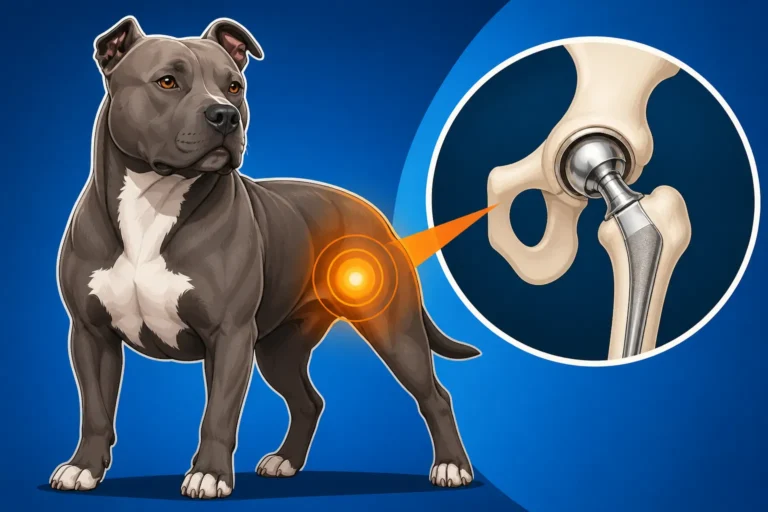
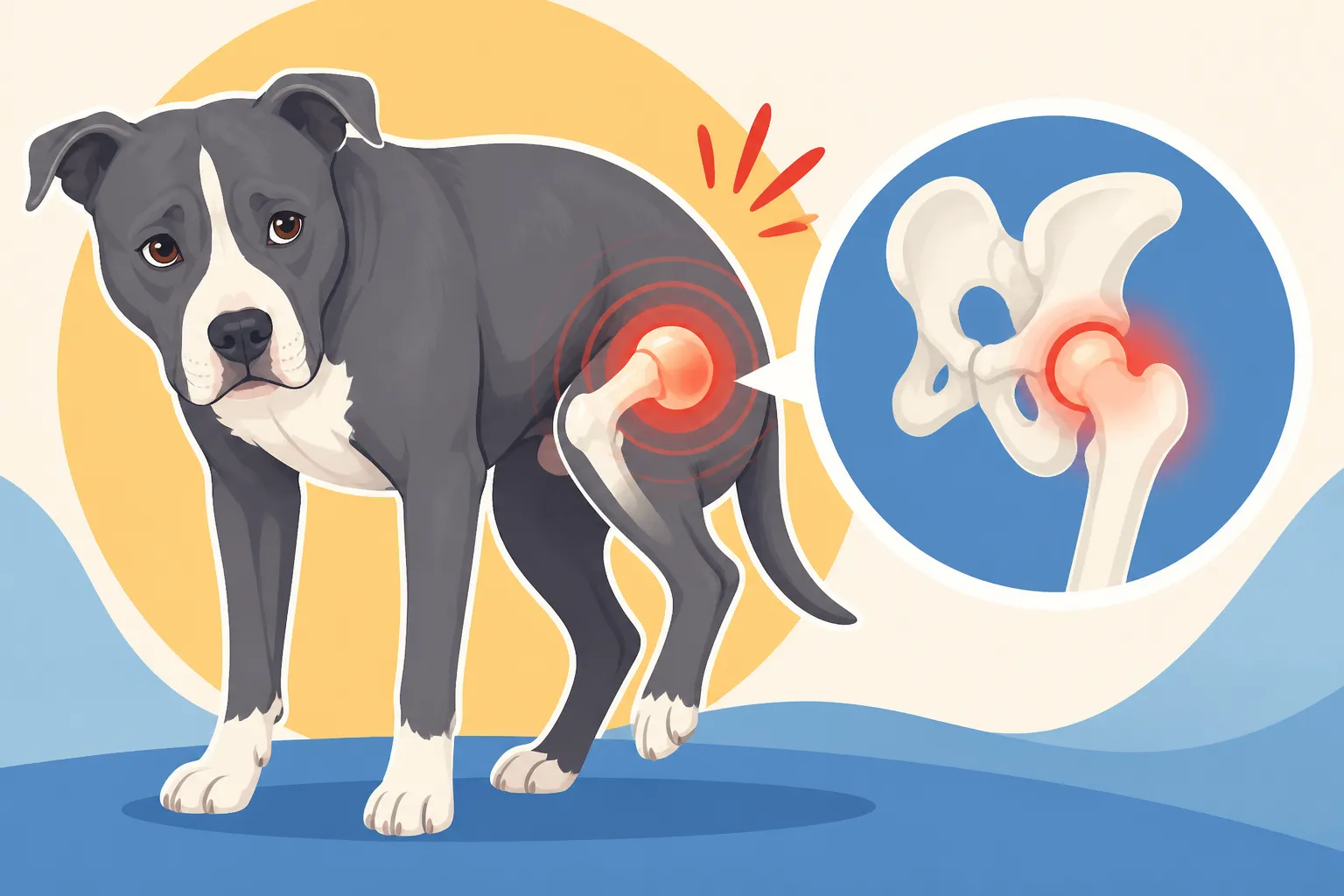
While it might seem counterintuitive for a puppy to have hip issues, it's actually quite common for the anatomical changes associated with hip dysplasia to begin even before a Pit Bull reaches its first birthday. We're talking about puppies as young as four to eight months old. At this age, their bones and joints are growing rapidly, and if there's a genetic predisposition, the hip joint (a ball-and-socket joint) can develop improperly. The femoral head (the "ball") might not fit snugly into the acetabulum (the "socket"), leading to looseness or laxity in the joint.
In these young dogs, the symptoms might be very subtle. They could manifest as a slight decrease in activity compared to their littermates, or perhaps a more hesitant posture when they run. Some owners might notice an awkwardness in their gait or a reluctance to jump. Because puppies are so inherently resilient and often mask discomfort, these signs can be easily missed or attributed to clumsiness. It's truly a critical period, and if you suspect anything, even a minor alteration, getting them checked by a vet is paramount. Our article on Why Pit Bull Hip Signs Start at One or Two delves deeper into this early developmental phase.
Later Onset: Adolescence and Adulthood
For some Pit Bulls, especially those with milder forms of hip dysplasia or those whose owners manage their activity levels diligently, overt symptoms might not appear until they are older, typically in adolescence (around one to two years old) or even into adulthood. This doesn't mean the dysplasia wasn't there; it simply means the body managed to compensate for longer.
As a Pit Bull matures, the chronic instability in the hip joint, even if slight, leads to wear and tear. The body tries to stabilize the joint by laying down new bone, which results in the development of osteoarthritis. It's this secondary arthritis that often causes the more noticeable pain and stiffness that owners recognize. By this stage, the joint damage is more significant, and the symptoms, such as limping, difficulty standing, or pain on palpation, become more pronounced. Even with excellent care, managing a heavy-muscled dog like a Pit Bull through conditions like this requires careful attention, and it's why many pet parents consider pet insurance policies, perhaps from providers like Healthy Paws, to help with the potentially significant veterinary costs. For more information on what to look for at this age, check out our guide on The First Hip Signs in a Two Year Old Pit Bull.
| Age of Onset | Common Symptoms | Level of Pain/Discomfort | Typical Progression |
|---|---|---|---|
| 4-12 Months | Subtle gait changes, reluctance to play, bunny hop, difficulty with stairs, occasional stiffness. | Mild to Moderate | Joint laxity is primary issue; early arthritis may begin to develop. Easily mistaken for puppy clumsiness. |
| 1-3 Years | More pronounced limping after exercise, difficulty rising, decreased activity, muscle atrophy in hind legs. | Moderate to Significant | Arthritis becomes more established; body attempts to stabilize joint through bone remodeling. |
| 3+ Years | Chronic pain, severe lameness, significant muscle loss, joint stiffness, reduced range of motion. | Significant to Severe | Advanced osteoarthritis, chronic pain management often required. Daily quality of life significantly impacted. |
Factors That Influence When Hip Symptoms Appear
It's not just about genetics; several other elements play a crucial role in how and when hip dysplasia symptoms become apparent in your Pit Bull. Understanding these factors can help you mitigate risks and better prepare for potential challenges.
Genetic Predisposition and Breeding
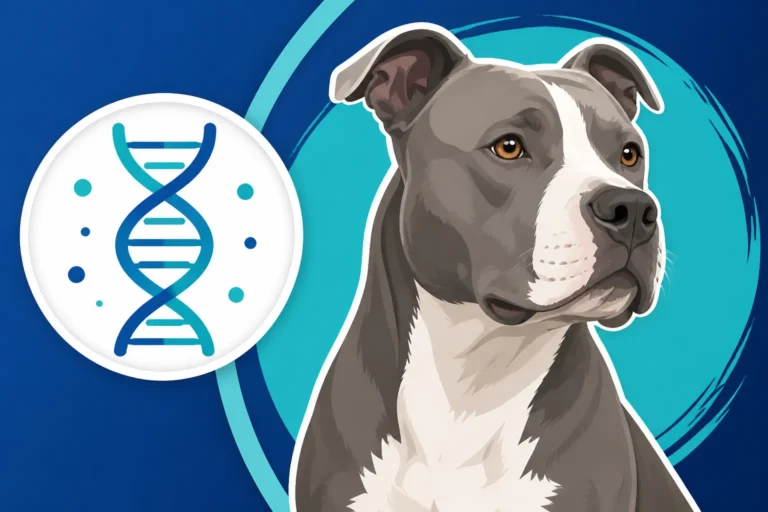
At its core, hip dysplasia is a genetic condition. Certain bloodlines and individual Pit Bulls are simply more predisposed to developing it due to the genes they inherit. Responsible breeders understand this and go to great lengths to screen their breeding stock using tools like OFA (Orthopedic Foundation for Animals) or PennHIP evaluations. These screenings assess the quality of a dog's hips and help breeders make informed decisions to reduce the incidence of hip dysplasia in future generations.
If your Pit Bull comes from parents who were not screened, or if there's a known history of hip dysplasia in their lineage, the likelihood of early symptom onset is significantly higher. This genetic blueprint dictates the initial structure of the hip joint. A poorly formed joint, even from birth, will naturally start showing signs of instability and discomfort earlier than a well-formed joint that might only degenerate due to other factors over time. This is why understanding What Testing a Pit Bull Breeder Should Have Done is so crucial when choosing a puppy.
Weight and Exercise Levels
While genetics lay the groundwork, environmental factors can significantly influence the severity and timing of hip dysplasia symptoms. Chief among these are your Pit Bull's weight and their exercise regimen. Carrying excess weight puts an enormous strain on all joints, but especially on already compromised hip joints. Imagine wearing a heavy backpack all day, every day – that's what obesity feels like to a dog with budding hip issues. This added stress can accelerate the development of osteoarthritis and bring symptoms to the forefront much sooner.
Similarly, inappropriate or excessive exercise, particularly in growing puppies, can exacerbate joint laxity. High-impact activities like repeated jumping, long-distance running on hard surfaces, or strenuous agility work before their growth plates have closed can place undue stress on developing hips. While Pit Bulls are naturally athletic and need plenty of exercise, it's a delicate balance. Too little exercise can lead to muscle weakness, which also destabilizes the joint, but too much of the wrong kind of exercise, especially in youth, can be detrimental. Our article on How Weight Multiplies the Load on Pit Bull Joints provides more detail on the impact of weight.
Nutrition and Growth Rate
Nutrition plays a surprisingly large role in the development of skeletal issues in large and fast-growing breeds like Pit Bulls. Overfeeding puppies, especially with diets that are too high in calories or calcium, can lead to excessively rapid growth. While a big, robust puppy might seem desirable, this accelerated growth can put immense stress on developing bones and joints, making them more susceptible to malformation and hip dysplasia.
A balanced diet, specifically formulated for large breed puppies, is essential. These diets are designed to promote a slower, more controlled growth rate, allowing bones and joints to mature properly without being overloaded. Ensuring your Pit Bull maintains a lean, healthy body condition throughout their life, starting from puppyhood, is one of the most effective non-genetic ways to support their joint health and potentially delay the onset or reduce the severity of hip dysplasia symptoms. If you're managing a condition like this, having pet insurance from a reliable provider like Healthy Paws can truly help alleviate the financial burden of specialized diets or veterinary consultations.
Differentiating Hip Pain from Other Ailments
Spotting early signs of discomfort is challenging enough, but figuring out where that discomfort is coming from can be even trickier. Many conditions can mimic hip pain in Pit Bulls, and it’s important to understand the differences to ensure your dog gets the right diagnosis and treatment.
Lumbar Spine Issues
Sometimes, what looks like hip pain is actually originating from the lower back, or lumbar spine. Pit Bulls are powerful dogs, and their strong bodies can put stress on their spinal column. Conditions like intervertebral disc disease (IVDD), lumbosacral stenosis, or even simple muscle strains in the lower back can cause pain that radiates to the hindquarters. A dog with lower back pain might also be reluctant to jump, struggle with stairs, or have a stiff, awkward gait, much like a dog with hip dysplasia.
The key difference often lies in how the dog carries their tail, how they respond to palpation along the spine versus the hips, and neurological signs. Spinal issues can sometimes lead to weakness, nerve deficits, or even incontinence, which are less common with pure hip dysplasia. A thorough veterinary examination, including neurological assessment and potentially X-rays or advanced imaging of the spine, is crucial to pinpoint the exact source of discomfort.
Knee Ligament Injuries
Another common culprit for hind leg lameness in active Pit Bulls is a knee injury, particularly a torn cranial cruciate ligament (CCL). This ligament is equivalent to the ACL in humans and is prone to injury in athletic, heavily muscled breeds. A dog with a partial or complete CCL tear will typically hold their leg up, walk with a noticeable limp, or be reluctant to put full weight on the affected leg.
While a torn CCL causes hind leg lameness, the pain is localized to the knee joint, not the hip. However, a dog might compensate for knee pain by shifting weight, which can then put more strain on the hips, potentially exacerbating underlying hip dysplasia. A vet can often distinguish between hip and knee issues by performing specific orthopedic tests, such as the cranial drawer test for the knee. Our article Cruciate Ligament Tears in a Muscular Pit Bull offers a deeper look into this common injury.
Muscle Strains and Soft Tissue Injuries
Just like human athletes, active Pit Bulls can suffer from muscle strains, sprains, or other soft tissue injuries. A pulled hamstring, a strained groin muscle, or even a deep bruise can cause lameness or reluctance to move that might be mistaken for hip pain. These injuries are usually acute, meaning they come on suddenly after a particular activity, such as a vigorous run or an awkward jump.
The good news is that muscle strains often respond well to rest, anti-inflammatory medications, and controlled rehabilitation. However, distinguishing them from more serious joint conditions requires a vet's expertise. The vet will carefully examine your dog, looking for localized pain, swelling, or heat in specific muscle groups rather than diffuse joint pain. While these are typically less severe than hip dysplasia, repeated soft tissue injuries can hint at underlying biomechanical issues that warrant investigation.
Navigating the First Steps When You Suspect Hip Dysplasia
Realizing your Pit Bull might have hip issues can be daunting, but taking prompt, informed action is key. Early diagnosis and management can significantly impact their quality of life and potentially slow the progression of the disease.
Veterinary Consultation and Diagnosis
The absolute first step when you notice any of these subtle or overt symptoms is a visit to your veterinarian. Don't delay, hoping it will just "go away." Your vet will perform a thorough physical examination, including orthopedic and neurological assessments, to try and pinpoint the source of pain. They will manipulate your Pit Bull's hips, knees, and spine, checking for pain, range of motion, and signs of joint laxity or stiffness.
If hip dysplasia is suspected, X-rays (radiographs) are the definitive diagnostic tool. These usually require sedation, as your dog needs to be perfectly positioned for accurate images. The X-rays will show the structure of the hip joint, the degree of laxity, and any signs of osteoarthritis. Based on these findings, your vet can then grade the severity of the dysplasia and discuss the various treatment options. Early diagnosis, even before severe symptoms appear, allows for the widest range of treatment possibilities. Understanding Pit Bull Hips and How They Are Scored can help you interpret the results.
Management and Treatment Options
Once a diagnosis is made, your vet will discuss a tailored management plan. This is rarely a one-size-fits-all approach and will depend heavily on your Pit Bull's age, the severity of the dysplasia, and their overall health. Conservative management is often the first line of defense for mild to moderate cases, especially in younger dogs. This includes:
- Weight Management: Keeping your Pit Bull at a lean, healthy weight is paramount. Even a few extra pounds can significantly worsen joint pain.
- Controlled Exercise: Gentle, consistent exercise like swimming or short, leashed walks can help maintain muscle mass without overstraining the joints. High-impact activities should be avoided.
- Anti-inflammatory Medications: Non-steroidal anti-inflammatory drugs (NSAIDs) like carprofen or meloxicam can help manage pain and inflammation.
- Joint Supplements: Glucosamine, chondroitin, and omega-3 fatty acids can support joint health and potentially slow cartilage degradation.
- Physical Rehabilitation: Hydrotherapy, therapeutic exercises, and massage can strengthen supporting muscles and improve range of motion.
For severe cases, or if conservative management isn't effective, surgical options may be considered. These can range from a Triple Pelvic Osteotomy (TPO) for younger dogs with minimal arthritis to a Femoral Head Ostectomy (FHO) or total hip replacement for more advanced cases. The decision for surgery is a significant one, both emotionally and financially. This is where having comprehensive pet insurance, perhaps from a company like Healthy Paws, can be a game-changer, potentially covering a significant portion of these high-cost procedures. For more on surgical interventions, you might want to read about Hip Replacement in a Muscular Pit Bull.
Proactive Measures to Support Your Pit Bull's Joint Health Early On
While you can't change your Pit Bull's genetics, there's a lot you can do to support their joint health from puppyhood onward, potentially delaying the onset of symptoms or lessening their severity. These proactive steps are about giving your dog the best possible foundation for a long, active life.
Responsible Breeding and Puppy Selection
The most impactful proactive measure starts even before you bring your Pit Bull home: choosing a responsible breeder. A reputable breeder will prioritize the health of their dogs and perform comprehensive health screenings on their breeding stock, including OFA or PennHIP evaluations for hip and elbow dysplasia. They should be transparent about the health history of the parents and previous litters. Ask to see the certifications and don't settle for "my vet checked them out and said they're fine." You're looking for official scores.
A responsible breeder understands that even with excellent scores, hip dysplasia can still occur, but they are actively working to reduce its incidence. They will also typically be able to tell you about the typical onset of symptoms in their lines, giving you valuable insight. Opting for a puppy from health-tested parents significantly reduces the genetic risk factor, setting your Pit Bull up for better joint health from day one. This is part of a larger discussion on What a Pit Bull Health History Should Cover.
Maintaining an Ideal Body Condition
Perhaps the single most critical environmental factor you can control is your Pit Bull's weight. Keeping them at a lean, athletic body condition throughout their life, not just when they're older, is essential for joint health. Every extra pound puts additional stress on their hips, accelerating wear and tear. You should be able to easily feel their ribs without seeing them, and they should have a discernible waist when viewed from above.
Work with your vet to determine the ideal weight for your individual Pit Bull and monitor their body condition regularly. Adjust their food intake and exercise levels as needed. Remember, muscle weighs more than fat, so don't just go by the number on the scale; focus on their body shape. Providing a balanced, high-quality diet appropriate for their age and activity level is key, and measuring food portions accurately prevents accidental overfeeding. Our article Pit Bull Obesity and Joint Strain provides an in-depth look at this issue.
Appropriate Exercise and Lifestyle
While Pit Bulls are energetic, their exercise needs should be carefully managed, especially during their growth phase. Avoid high-impact activities like aggressive jumping, intense fetch sessions, or long runs on hard surfaces before they are fully mature (typically 12-18 months). Instead, focus on controlled, low-impact exercise such as leashed walks, swimming, or short play sessions on soft surfaces like grass.
As adults, consistent moderate exercise helps build and maintain strong muscles around the hip joints, providing natural support. However, even with adult Pit Bulls, be mindful of overdoing it, especially if they have any underlying joint issues. A balanced lifestyle that includes mental stimulation and moderate physical activity, rather than bursts of extreme exertion followed by long periods of inactivity, is best for long-term joint health. If your Pit Bull seems to be slowing down, even without a clear diagnosis, our piece on Joint Support for a Heavily Muscled Pit Bull has some great tips.
Regular Veterinary Check-ups
Even if your Pit Bull shows no signs of hip issues, regular veterinary check-ups are important. Your vet can monitor their growth, assess their gait, and perform gentle palpations of their joints to catch any subtle changes before they become significant problems. These routine visits are also an opportunity to discuss any concerns you might have about their activity levels, diet, or weight.
Early detection of any joint laxity or discomfort allows for proactive intervention, such as starting joint supplements, adjusting exercise routines, or implementing physical therapy, which can make a huge difference in slowing the progression of hip dysplasia. Staying on top of your Pit Bull's health is a partnership with your vet, and these regular appointments are a cornerstone of preventative care.
Disclaimer
This article is intended for informational purposes only and is not a substitute for professional veterinary advice. Always consult with a qualified veterinarian for any health concerns or before making any decisions about your Pit Bull's care or treatment.