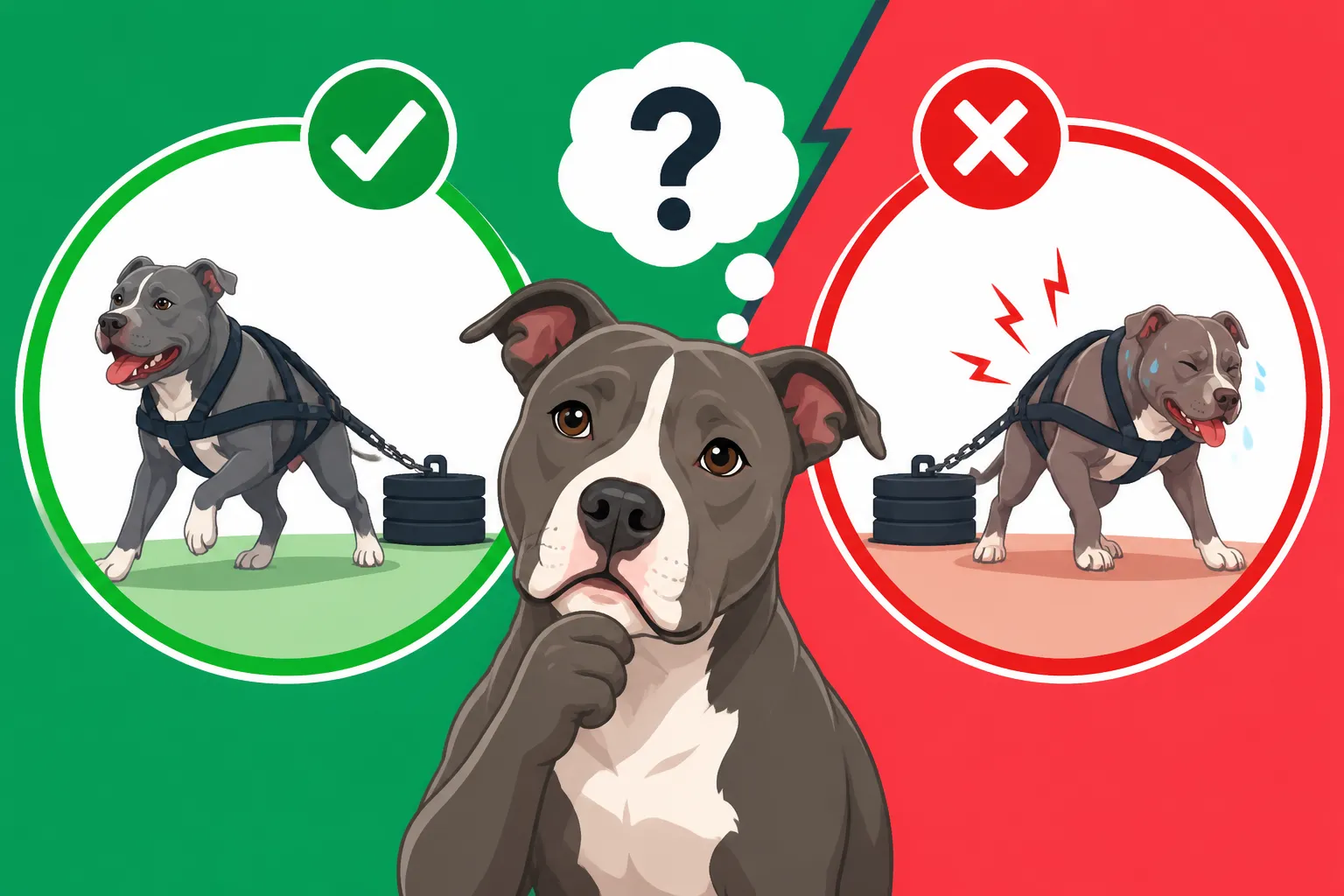
Whether Weight Pull Suits a Pet Pit Bull
It’s completely understandable to look at your powerful Pit Bull and wonder about activities that truly tap into their incredible strength and drive. Many of us see that muscled physique and natural enthusiasm and think about sports like weight pulling, but then a wave of questions hits: Is it safe? Is it good for them? Is it even something a regular pet Pit Bull should do? This guide is here to dive deep into canine weight pulling, exploring its suitability for your beloved pet Pit Bull, examining the benefits and risks, and outlining how to approach it safely and responsibly if it's a path you choose to explore.
Understanding Weight Pull for Dogs
When you first hear "dog weight pull," images of massive dogs hauling incredible loads might come to mind, and while that's part of the picture, it's also a highly controlled and specific sport. It's not just about brute strength; it's about technique, mental focus, and a strong partnership between dog and handler. For a breed like the Pit Bull, with their inherent athleticism and desire to please, it can seem like a natural fit.
What is Canine Weight Pulling?
At its core, canine weight pulling is a sport where dogs, wearing specially designed harnesses, pull a weighted cart or sled over a short distance, typically around 16 feet, within a set time limit. The goal is for the dog to pull the heaviest weight possible relative to its own body weight, or sometimes simply the heaviest absolute weight. It's a sport that celebrates raw power, endurance, and a dog's willingness to work.
Unlike some other dog sports that rely on agility or speed, weight pulling is a test of sheer strength and mental fortitude. Dogs need to be incredibly conditioned, not just physically strong, but also mentally engaged, understanding their task and responding to their handler's cues. Historically, dogs have pulled carts and sleds for practical purposes, but the modern sport is a safe, organized way to honor and channel those working instincts, particularly for breeds known for their strength and tenacity.
It’s definitely not just about throwing a heavy load on a dog and letting them rip. The sport has strict rules and safety guidelines to ensure the well-being of the canine athletes. Judges watch for proper form, and dogs are often encouraged with positive reinforcement. It’s a wonderful way to see a dog truly engage its entire body and mind in a focused effort.
Equipment and Basic Mechanics
Getting involved in weight pulling isn't as simple as attaching a rope to your dog's regular collar. Specialized equipment is absolutely critical for safety and to prevent injury. The primary piece of gear is a custom-fitted weight pull harness, which distributes the load evenly across the dog's chest, shoulders, and back, preventing strain on the neck or spine. These harnesses are engineered to ensure maximum comfort and efficiency in pulling.
The weights are typically loaded onto a cart (with wheels for dry land) or a sled (for snow or carpeted surfaces). These are designed to minimize friction and allow for smooth, consistent pulling. The amount of weight starts light and gradually increases, allowing the dog to warm up and build confidence. Handlers often use verbal encouragement and positive reinforcement to motivate their dogs.
It’s crucial to understand that using an improper harness, like a standard walking harness or, worse, a collar, can cause serious injury to your dog. The forces involved in pulling significant weight require specialized gear that respects the dog's anatomy. When considering weight pull, investing in proper, high-quality equipment is non-negotiable, and you can often find suitable options on sites like Chewy or Amazon after doing your research and consulting with experienced pullers.
Why Pit Bulls Excel and Why Pet Owners Consider It
Pit Bulls possess a unique combination of physical attributes and temperament that makes them natural contenders for weight pulling. Their powerful build and enthusiastic nature can make this sport incredibly rewarding for both dog and owner. It's no wonder many Pit Bull guardians are drawn to activities that showcase their dog's amazing capabilities.
The Pit Bull Physique and Drive
Let's be real, Pit Bulls are built like canine athletes. They typically have a very muscular, compact build, with powerful hindquarters that provide incredible propulsion. This natural strength, combined with a deep chest and well-sprung ribs, gives them a fantastic foundation for any activity requiring power and stamina. They are often described as having an incredible desire to work and please their handlers, a trait that translates beautifully into sports like weight pulling.
This breed often boasts a tenacious spirit and an unwavering focus when engaged in a task. When a Pit Bull commits to something, they tend to give it their all. In weight pulling, this means they often exhibit exceptional determination, leaning into the harness and digging deep to move the load. This drive isn't just about physical power; it's about mental engagement, and that's something many Pit Bull owners recognize and cherish in their dogs. If you've ever seen your Pit Bull push off the ground with purpose, you know what I mean. For more on what makes your dog such a powerhouse, check out our article on Pit Bull Weight and Muscle on a Working Frame.
Beyond their physical attributes, many Pit Bulls genuinely enjoy having a job to do. They thrive on mental and physical challenges, and weight pulling offers a structured outlet for their energy and intelligence. It's about more than just moving weight; it's about working in sync with their human, building a deeper bond through shared effort and accomplishment.
Benefits for a Pet Pit Bull
For a pet Pit Bull, weight pulling can offer a multitude of benefits that go far beyond just flexing muscles. Firstly, it provides an incredible physical outlet for their often boundless energy. A well-exercised Pit Bull is a happy and well-behaved Pit Bull, and weight pulling can be a highly efficient way to burn off steam in a controlled environment. Instead of destructive behaviors stemming from boredom, they can channel that energy into a productive sport.
Secondly, the mental stimulation involved in weight pulling is immense. It requires focus, discipline, and understanding of commands, all of which contribute to a more balanced and confident dog. Learning to push into the harness, listen for cues, and overcome a challenge builds self-assurance and strengthens the bond between you and your dog. You’ll see their confidence grow with every successful pull.
Lastly, and perhaps most importantly for many owners, it's an amazing bonding experience. Working together towards a common goal, celebrating successes, and overcoming challenges builds a unique connection. It’s a chance to see your Pit Bull shine, demonstrating their incredible strength and spirit in a positive, recognized sport.
Important Considerations and Potential Risks for Pet Pit Bulls
While weight pulling can be an incredible activity, it's absolutely vital to approach it with a clear understanding of the potential risks, especially when it comes to a family pet. Our dogs are our companions, and their long-term health and well-being should always be the top priority. There are specific health and safety aspects that need careful consideration before your Pit Bull ever steps into a pulling harness.
Joint and Musculoskeletal Health
The most significant concern with any high-impact or high-strength sport like weight pulling is the strain it places on a dog's joints and musculoskeletal system. Pit Bulls, like many larger, athletic breeds, can be prone to certain orthopedic issues. Conditions such as Pit Bull Hip Dysplasia Showing at One to Two Years or elbow dysplasia can be exacerbated by intense pulling activities if not managed carefully or if a dog is genetically predisposed.
Before even considering weight pull, a thorough veterinary examination is non-negotiable. Your vet can assess your dog's current joint health, look for any underlying conditions, and offer guidance on whether they are physically sound enough for such a demanding sport. This isn't just a casual check-up; it's about ensuring their foundational health can withstand the stress. Remember, even perfectly healthy joints can suffer from improper conditioning or overexertion.
Beyond veterinary clearance, understanding your dog's genetic history, if possible, is a huge advantage. Responsible breeders will perform health testing for conditions like hip and elbow dysplasia. For more on what to look for, consider reading What Testing a Pit Bull Breeder Should Have Done. If you're unsure of your dog's background, your vet can recommend X-rays to assess joint structure. Building strength gradually and ensuring proper cool-down periods are crucial to minimizing stress on their joints over time.
Training and Safety Protocols
Approaching weight pulling without proper training and safety protocols is akin to sending a human athlete to the Olympics without any coaching—it’s dangerous and irresponsible. This isn't a sport to be self-taught from YouTube videos. Professional guidance from experienced weight pullers or specialized trainers is absolutely essential. They can teach you how to properly introduce the equipment, how to build your dog's strength gradually, and how to read their body language to avoid injury.
Gradual progression is key. You don't start with heavy weights; you begin with an empty cart and slowly add resistance as your dog builds muscle and technique. Over-exertion can lead to muscle strains, ligament tears, or worse. Think of it like a human lifting weights: proper form prevents injury. Similarly, teaching your Pit Bull the correct way to lean into the harness and push from their hindquarters is vital. This is why getting started with a local club or experienced mentor can make all the difference in keeping your dog safe and enjoying the sport. To learn more about building your dog's overall physical strength, refer to Building Pit Bull Fitness Safely.
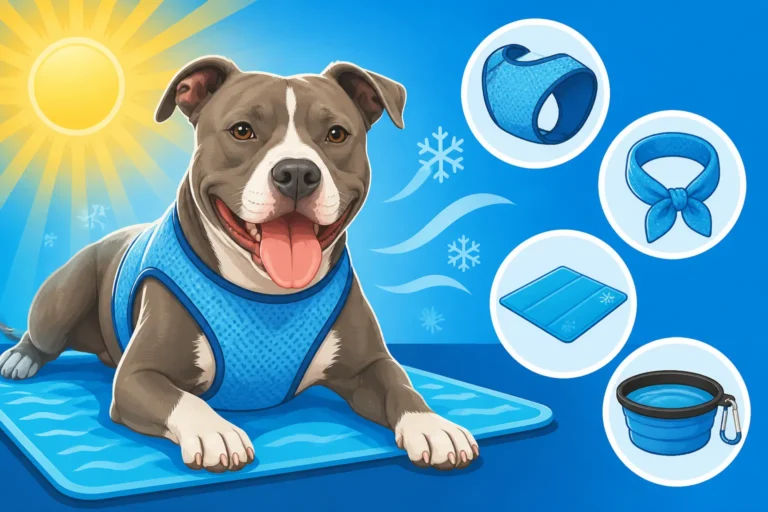
Environmental factors also play a massive role in safety. Weight pulling should generally be avoided in extreme heat, as Pit Bulls, with their short coats, can be susceptible to overheating. Knowing the signs of heat exhaustion and taking frequent breaks are critical. For more on how to manage your Pit Bull in warmer weather, check out Heat Tolerance in a Short-Coated Pit Bull. Always have fresh water available and ensure the pulling surface is safe and free of hazards.
Age and Maturity
Just like human athletes, dogs need to reach a certain level of physical maturity before engaging in strenuous activities like weight pulling. Starting a puppy or young dog too early can cause irreversible damage to their still-developing growth plates and joints. Generally, most experts recommend waiting until a dog is fully grown, typically around 18-24 months for a Pit Bull, before introducing any serious weight-pulling regimen. Even then, it should be done very gradually.
On the other end of the spectrum, older Pit Bulls might also require special considerations. As dogs age, they can develop conditions like arthritis or have reduced stamina. While some older dogs might still enjoy light pulling, the intensity and weight should be significantly reduced. Regular veterinary check-ups become even more important to monitor their joint health and overall well-being. An older dog might have a wealth of experience, but their body may not be as resilient. If your Pit Bull is starting to show signs of aging, you might find our article Arthritis in a Pit Bull at Seven helpful.
Ultimately, age is not just a number; it’s a crucial factor in determining the suitability and intensity of weight pulling. Always consult your veterinarian and an experienced weight pull trainer to ensure the activity is appropriate for your dog's specific age and physical condition. Pushing a dog beyond their physical limits, regardless of age, is detrimental to their health and spirit.
Responsible Introduction to Weight Pulling
If you've decided that weight pulling might be a good fit for your Pit Bull, taking a responsible and measured approach is absolutely paramount. It's not a sport you jump into headfirst. Proper preparation, guidance, and equipment are your best friends in ensuring a safe and rewarding experience for both you and your canine companion.
Starting with Basic Conditioning
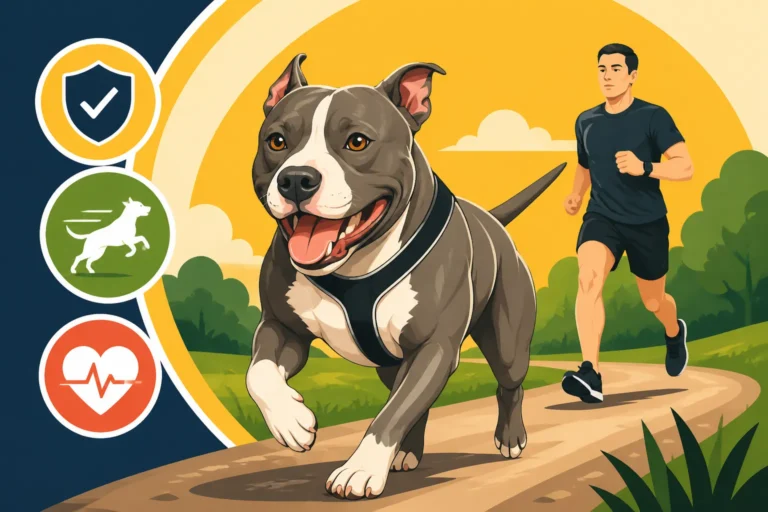
Before any thoughts of heavy carts, your Pit Bull needs to have a solid foundation of general fitness. Think of it as pre-season training. This means regular walks, runs, and activities that build overall stamina and core strength. A dog needs to be lean and well-conditioned, not overweight, to safely engage in weight pulling. Their muscles need to be strong and their cardiovascular system healthy.
Nutrition also plays a huge role in preparing a dog for any athletic endeavor. A diet rich in high-quality protein and balanced nutrients will support muscle development and recovery. Understanding the correct calorie target for a lean, active Pit Bull is essential. You don't want to overfeed, causing them to carry extra weight, but you also need to ensure they have enough energy for their activity. For more on dietary needs, consider The Calorie Target for a Lean Pit Bull.
The difference between a "pet fit" dog and a "weight-pulling athlete fit" dog is significant. While a pet might enjoy a daily walk, a weight-pulling dog requires specific exercises to strengthen the muscles used in pulling, improve endurance, and maintain flexibility. This foundational conditioning reduces the risk of injury when you eventually introduce the actual pulling apparatus.
Seeking Professional Guidance
This cannot be stressed enough: do not attempt to train your Pit Bull for weight pulling without professional guidance. Find experienced weight pull trainers in your area or join a local weight pull club. These individuals and groups have years of knowledge and can provide hands-on instruction, demonstrating proper techniques, spotting potential issues, and ensuring safety for your dog. They can help you understand the subtle cues your dog gives and how to encourage them effectively.
A good trainer will emphasize positive reinforcement methods, building your dog’s confidence and desire to pull through encouragement and rewards, not force or punishment. This ensures that weight pulling remains a positive and enjoyable activity for your Pit Bull, strengthening your bond rather than straining it. Our article Positive Reinforcement Training With a Pit Bull offers more insights into this effective training philosophy.
Professional guidance also provides access to a community of like-minded individuals. You’ll be able to learn from others' experiences, ask questions, and get valuable advice on everything from equipment choices to managing an off day. This network is invaluable for navigating the nuances of the sport and ensures you’re not alone on your journey. When looking for a trainer, make sure they have a proven track record with strong, powerful breeds, and always check their references, just as you would when Vetting a Trainer Before Booking a Pit Bull.
The Right Equipment and Fit
We touched on this earlier, but it deserves its own dedicated section because it’s that important: proper equipment, especially the harness, is absolutely non-negotiable. A weight pull harness is fundamentally different from a regular walking harness. It's designed to distribute the immense pressure across the dog’s strongest body parts—the chest and shoulders—while keeping the spine and neck free from strain.
A poorly fitting harness can cause chafing, restrict movement, or, worst-case scenario, lead to severe injury. It should fit snugly but not restrict breathing or movement, allowing for a full range of motion in the shoulders and legs. Many experienced pullers have custom-made harnesses to ensure a perfect fit for their dog’s unique build. If you're starting out, a reputable weight pull club or trainer can guide you to suppliers who specialize in these harnesses. You can often find high-quality, specialized equipment from pet supply retailers like Chewy or through online marketplaces such as Amazon, but always ensure they are specifically designed for weight pulling and not just general heavy-duty harnesses.
Beyond the harness, ensure the cart or sled is well-maintained and free of sharp edges. The attachment chains or ropes should be strong and secure. Regularly inspect all equipment for wear and tear before each session. Cutting corners on equipment quality or fit is a recipe for disaster and should be avoided at all costs.
Alternatives and Complementary Activities
Perhaps after considering weight pulling, you decide it's not quite the right fit for your pet Pit Bull, or maybe you're looking for other ways to channel their energy and strength. The good news is that Pit Bulls are incredibly versatile and excel in a wide array of activities that can provide similar benefits in terms of physical exertion, mental stimulation, and bonding.
Other Strength and Drive-Based Sports
If your Pit Bull loves to work and use their physical prowess, there are plenty of other dog sports that might be a fantastic alternative or complement to weight pulling. Dock diving, for example, is an explosive sport that involves dogs leaping into a pool of water to retrieve a toy, building incredible leg strength and stamina without the direct joint impact of pulling heavy loads. Agility courses challenge both their body and mind, requiring speed, precision, and quick thinking as they navigate obstacles.
Obedience and rally sports might not seem as "powerful," but they demand intense focus and discipline, which can be incredibly fulfilling for a high-drive Pit Bull. Even activities like flyball, a fast-paced relay race for dogs, tap into their speed and enthusiasm. For those who enjoy a good game of tug, remember that controlled tugging can be an excellent way to build strength and reinforce commands. Just be sure to set clear rules and boundaries, as discussed in our article, Tug Rules That Keep a Pit Bull Civil. You might also explore flirt pole work, which is a fantastic way to engage their prey drive and provide bursts of high-intensity exercise in a controlled manner, but be mindful of Flirt Pole Sessions and Pit Bull Joints and avoid overdoing the twists and turns that can stress growing joints.
General Fitness and Enrichment
Sometimes, the best activity for your pet Pit Bull isn't a competitive sport at all, but rather a robust routine of general fitness and enrichment. Hiking on varied terrain can be a wonderful way to build strength and endurance, offering new smells and sights that engage their keen senses. Swimming is another fantastic low-impact exercise that builds muscle and cardiovascular health, especially beneficial for dogs with joint concerns. Check out Whether Pit Bulls Enjoy Swimming for tips on making water activities safe and fun.
For mental stimulation, which is just as important as physical exercise for a Pit Bull, puzzle toys and scent work can be incredibly rewarding. Hiding treats around the house or yard and letting your dog sniff them out can be a fantastic "job" that taps into their natural instincts and tires them out mentally. Our article Scent Work as Indoor Pit Bull Exercise offers some great ideas to get started. Even learning new tricks indoors can provide mental enrichment and strengthen your bond. For more ideas on keeping your Pit Bull engaged indoors, take a look at Indoor Trick Work for a Bored Pit Bull.
Ultimately, the goal is a happy, healthy, and well-exercised pet. Whether that involves competitive weight pulling, agility, or simply long, engaging walks and puzzle time, the most important thing is finding activities that both you and your Pit Bull enjoy and that contribute to their overall well-being. For a broader understanding of how much activity your Pit Bull needs, read The Daily Exercise a Pit Bull Actually Needs.
Comparing Weight Pull to General Fitness Activities
Choosing the right activities for your Pit Bull involves balancing their natural abilities with their health and your lifestyle. Here's a brief comparison to help put things into perspective.
| Feature | Canine Weight Pull | General Fitness Activities (e.g., Hiking, Swimming, Long Walks) |
|---|---|---|
| Primary Goal | Test and develop raw strength and mental focus | Overall health, endurance, mental stimulation, enjoyment |
| Equipment Need | Specialized weight pull harness, cart/sled, weights | Standard leash, collar/harness, maybe a life vest |
| Training Needs | Professional trainer/club, gradual progression | Can be self-guided, but basic obedience is always helpful |
| Physical Strain | High impact on joints and muscles; risk of injury if not done correctly | Moderate to low impact, depending on activity |
| Mental Benefits | High focus, discipline, strong handler bond | Curiosity, exploration, reduced boredom, handler bond |
| Time/Cost | Can be significant (equipment, training, travel) | Generally lower, accessible daily |
| Suitability | Best for mature, healthy, well-conditioned dogs | Suitable for most dogs of varying ages and fitness levels |
Disclaimer
This article is for general informational purposes only and does not constitute professional advice. Laws, prices and regulations vary by location and change over time. Consult a qualified professional for guidance on your specific situation.