Springpoles, Flirt Poles and Pit Bull Play
Many Pit Bull owners struggle to find appropriate outlets for their dog's incredible energy and robust play drive. It's a common frustration to see a highly intelligent, powerful dog pacing, digging, or even chewing things they shouldn't, not out of malice, but pure boredom and unmet physical and mental needs. This comprehensive guide will delve into two popular, high-intensity play tools—springpoles and flirt poles—exploring how they work, their benefits, and crucially, how to use them safely and effectively to channel your Pit Bull's natural athleticism and enthusiasm into constructive, joyful exercise.
Understanding Pit Bull Play Drive
Pit Bulls are renowned for their powerful builds, boundless energy, and an intense desire to engage. It's not just about running around; it's about interaction, challenge, and the satisfaction of a good "work" session. Tapping into this drive is key to a happy, well-adjusted Pit Bull, and understanding why they love to play so hard helps us choose the right activities.
The Instinctual Roots of Pit Bull Play
At their core, many Pit Bull type dogs possess a strong prey drive, a natural inclination to chase, grab, and "dispatch" moving objects. This isn't aggression; it's a hard-wired instinct that, in a domestic setting, can be beautifully channeled into play. Think about their ancestors, bred for tenacity and strength, and you start to see why a quick game of fetch might not cut it for long. They thrive on activities that mimic a hunt – the chase, the capture, the shake. This deep-seated instinct means that activities that allow them to use their powerful jaws and bodies in a controlled, safe way are incredibly fulfilling. It’s about more than just burning calories; it’s about satisfying a primal urge in a modern world. This drive is often misunderstood, leading to assumptions about their nature, but for an owner, it’s a tool for engagement and a path to mental and physical well-being.
The Drive for Engagement and Interaction
Beyond raw instinct, Pit Bulls also have an immense drive for engagement. They are intelligent, people-oriented dogs who thrive on working with their humans. Play for them isn't just an independent activity; it's a shared experience, a partnership. This makes interactive games even more valuable. When you participate actively in their play, whether it's tugging, chasing, or manipulating a flirt pole, you're not just exercising them; you're building a deeper bond, reinforcing trust, and establishing yourself as a source of fun and fulfillment. This interaction is a powerful motivator, often more so than just a toy itself. It’s about the joy of mutual activity, the silent communication, and the understanding that forms between dog and handler.
Why Vigorous Play Matters for Their Well-being
Under-exercised Pit Bulls are often bored Pit Bulls, and boredom can lead to a host of undesirable behaviors. Destructive chewing, excessive barking, digging, and even anxiety can all stem from a lack of appropriate physical and mental stimulation. Because of their athletic build and high energy levels, what might be "vigorous" for another breed might only be a warm-up for a Pit Bull. They need activities that challenge their strength, stamina, and problem-solving skills. Vigorous play, when done safely and correctly, helps to release pent-up energy, reduce stress, and maintain a healthy weight and muscle tone. It allows them to express their natural behaviors in a controlled environment, leading to a calmer, happier, and more manageable dog inside the home. This isn't just about keeping them busy; it's about supporting their overall mental and physical health. Without it, you might find yourself dealing with issues like Pit Bull Chewing and Destructive Behavior or even Pit Bull Obesity and Joint Strain later in life.
What is a Springpole and How Does it Work?
A springpole is a piece of equipment designed to let a dog hang, tug, and chew on a suspended object, providing an intense workout for their jaw, neck, and shoulder muscles. It's a favorite among many Pit Bull owners for its ability to channel their powerful bite and stamina.
Anatomy of a Springpole Setup
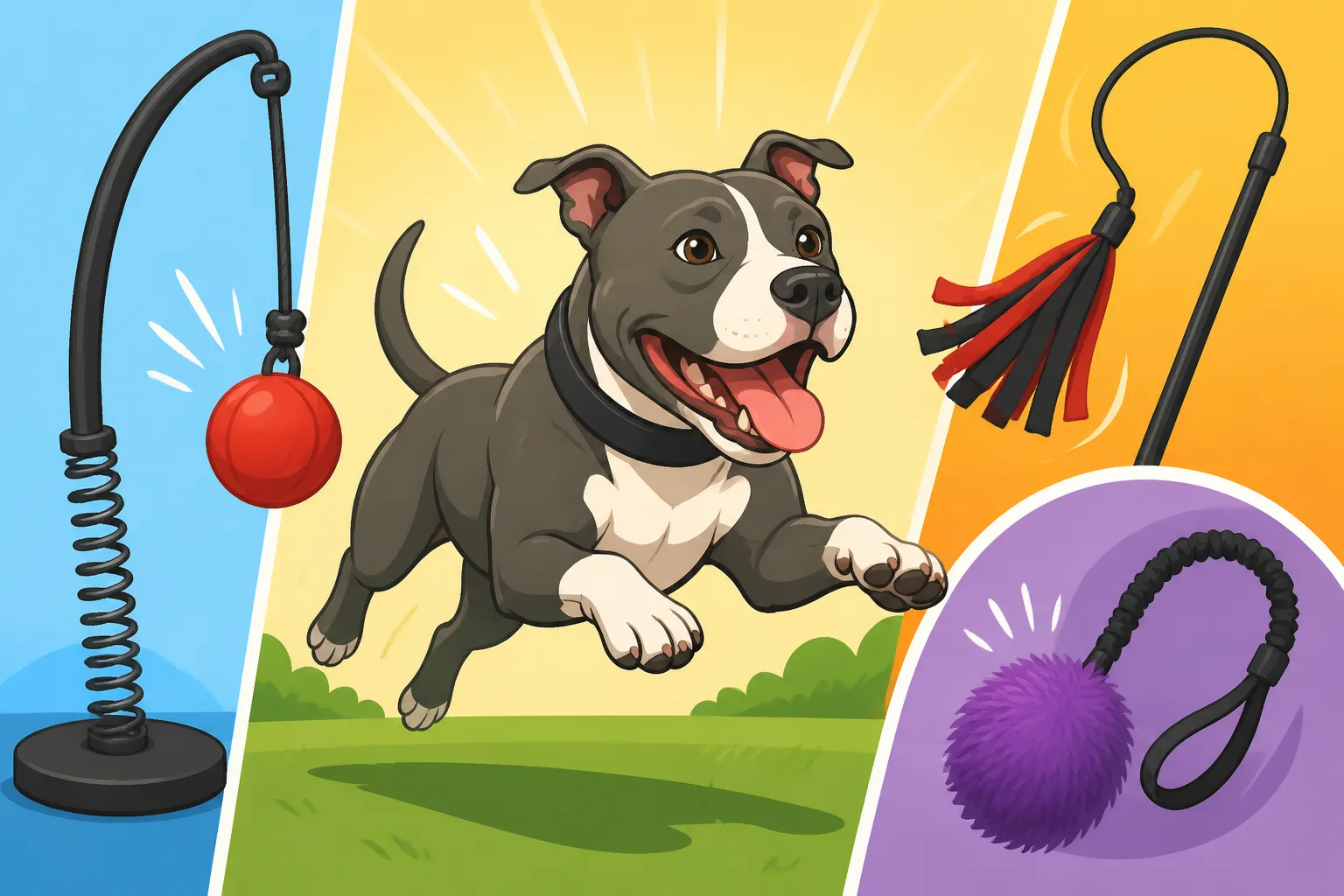
At its most basic, a springpole consists of a sturdy, flexible pole or a heavy-duty spring mechanism securely anchored to a strong overhead point, such as a tree branch, a sturdy beam in a garage, or a purpose-built frame. From this spring, a rope or chain dangles, at the end of which is attached a bite-sized toy or lure. The key is the spring element; it provides resistance and bounce, mimicking the struggle of prey and engaging the dog's muscles as they pull and shake. The height is crucial: the toy should hang just high enough so the dog has to jump slightly to grab it, but can then brace their feet on the ground or a platform to pull. The lure itself needs to be incredibly durable – think fire hose material, thick rubber, or woven rope designed for power chewers. You can often find suitable, heavy-duty ropes and toys on sites like Amazon or Chewy.
The Mechanics of the Game
Once the dog grabs the lure, they pull, tug, and shake it with all their might. The spring provides constant, dynamic resistance, making the dog work hard to "conquer" the toy. This isn't a passive activity; it requires sustained effort and concentration. The dog engages their core, neck, and shoulder muscles, along with their powerful jaws. The spring action also means the toy won't just sit there; it will bounce and resist, keeping the dog engaged and providing a satisfying challenge. It's an incredible workout, both physically and mentally, as the dog focuses intently on the task. They are essentially playing a solo game of super-intense tug-of-war against the resistance of the spring. It’s a fantastic way to develop Pit Bull Weight and Muscle on a Working Frame in a controlled manner.
Benefits and Considerations of Springpole Use
The benefits of a springpole for a Pit Bull are significant. It provides an unparalleled outlet for their natural bite and shake instincts, offering a focused, intense workout that builds impressive muscle tone and stamina. It can also be a wonderful way to burn off excess energy, reduce stress, and prevent destructive behaviors around the house. It's a self-directed activity, meaning once you introduce it, your dog can often engage with it on their own, though supervision is always recommended.
However, there are important considerations. The intense nature of springpole play means it's not suitable for very young puppies whose bones and joints are still developing. Overuse or improper setup can lead to injuries, particularly to the neck, teeth, or jaw. The attachment point and the lure itself must be incredibly secure to prevent breakage and potential injury. You’ll want to ensure the toy material is robust enough to withstand repetitive, strong chewing without breaking off into ingestible pieces. Think of it as a specialized piece of exercise equipment that needs to be used thoughtfully and with moderation, always prioritizing your dog's safety and physical limits.
The Allure of the Flirt Pole for Pit Bulls
If you’ve never seen a flirt pole in action with a high-drive dog, prepare to be amazed. This seemingly simple device can turn a regular play session into an exhilarating, instinct-satisfying chase for your Pit Bull.
How a Flirt Pole Mimics Prey Drive
A flirt pole is essentially a long pole (like a lunge whip or a thick PVC pipe) with a rope or bungee cord attached to one end, and a tempting lure (a piece of fabric, a squeaky toy, a raggedy chew) at the very end of the rope. The handler uses the pole to swing and drag the lure across the ground, mimicking the erratic movements of small prey. For a Pit Bull with a strong prey drive, this is irresistible. The darting, stopping, and changing direction of the lure taps directly into their hunting instincts – the stalk, the chase, and the pounce. Unlike a static toy, the flirt pole keeps the "prey" moving, sustaining their engagement and providing an incredible burst of aerobic exercise. It's a fantastic way to engage their minds as well as their bodies, as they strategize and anticipate the lure's next move. This kind of focused activity can be much more enriching than simply tossing a ball.
Setting Up and Using a Flirt Pole Safely
Using a flirt pole is straightforward, but safety is paramount. First, ensure you have enough open space to swing the pole without hitting anything or anyone. A large, fenced yard or an empty park is ideal. The pole itself should be sturdy but lightweight enough for you to maneuver comfortably. The lure should be something durable that won't shred easily into small, ingestible pieces. Many owners find robust tug toys or even strips of old denim work well. Websites like Chewy or Amazon offer a variety of durable dog toys that could be adapted as lures.
When you start, drag the lure along the ground in sweeping, circular motions, making it dart and change direction. Let your dog chase and pounce, but don't let them grab it immediately every time. Build up their frustration and excitement, then allow them a satisfying "catch." Once they grab it, you can engage in a short game of tug before asking them to "drop it" and restarting the chase. This teaches impulse control while still rewarding their efforts. Keep sessions short and intense – 5-10 minutes might be all they need, especially when they're first starting, to avoid overexertion and protect their joints. Remember, it's about short bursts of high-intensity fun, not a sustained marathon.
Engaging Both Body and Mind
The beauty of the flirt pole lies in its dual benefit: it's a phenomenal physical workout and a fantastic mental challenge. Physically, the constant running, turning, jumping, and pouncing builds incredible agility, speed, and endurance. It works their entire body, from their powerful hindquarters to their core stability. Mentally, the unpredictable movement of the lure requires focus, problem-solving, and impulse control. They have to decide when to accelerate, when to slow down, and when to commit to the pounce.
Furthermore, because you are controlling the lure, the flirt pole is an excellent tool for reinforcing training commands like "leave it," "drop it," and "wait." You can use it to practice Recall Training a Pit Bull From Scratch in an exciting context. By controlling the pace and intensity, you can tailor the workout to your dog's fitness level, making it accessible even for dogs who are just building up their stamina. It’s an interactive game that strengthens your bond while providing a comprehensive workout that leaves your Pit Bull happily tired and mentally satisfied.
Safety First: Mitigating Risks in High-Intensity Play
While springpoles and flirt poles offer fantastic exercise, the sheer intensity of Pit Bull play means that safety absolutely cannot be overlooked. These powerful dogs can push themselves to the limit, so it's our job as owners to prevent injuries.
Joint and Ligament Protection
The high-impact nature of both springpole and flirt pole play places significant stress on a Pit Bull’s joints, ligaments, and tendons. The sudden stops, quick turns, and explosive jumps can put a lot of strain on knees, hips, and elbows. This is especially true for a breed already prone to conditions like Pit Bull Hip Dysplasia Showing at One to Two Years or Pit Bull Elbow Dysplasia and Front End Lameness. To protect their precious joints, warm-up and cool-down periods are essential. Start with a brisk walk for 5-10 minutes before engaging in intense play to get their muscles warm and ready. Afterwards, another gentle walk helps to cool down and prevent stiffness.
Consider the playing surface as well. Soft, even ground like grass or dirt is far better than hard concrete or asphalt, which can be unforgiving on paws and joints. Avoid excessively high jumps with the flirt pole, especially with younger dogs whose growth plates haven't fully closed. Over time, consistent, high-impact activities without proper conditioning can lead to issues such as Cruciate Ligament Tears in a Muscular Pit Bull, which are incredibly painful and often require costly surgery. Joint supplements can be considered, especially for older or very active dogs, but always consult your vet before adding any new supplements to their diet.
Dental Health and Jaw Safety
Pit Bulls have incredibly strong jaws, and both springpoles and flirt poles involve a lot of biting, tugging, and shaking. This can, unfortunately, take a toll on their teeth. When choosing lures for either tool, prioritize materials that are durable but also forgiving. Hard plastics or metal components can chip or break teeth. Instead, opt for woven rope, thick fire hose material, or rubber toys specifically designed for power chewers. Regularly inspect the lure for wear and tear, replacing it as soon as it shows signs of weakening to prevent accidental ingestion of broken pieces or sharp edges.
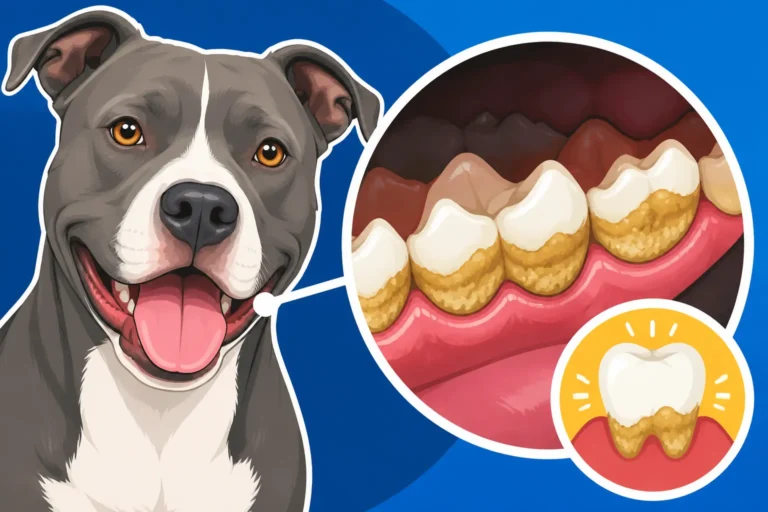
Beyond the toys, pay attention to your dog's dental health. Excessive grinding or repetitive, forceful biting could lead to premature wear or even fractures. Incorporate regular dental care, such as brushing and dental check-ups, to monitor for any issues. Some chews that are safe for less powerful chewers might be dangerous for a Pit Bull’s strong jaws, potentially leading to a Pit Bull Broken Teeth From Hard Chewing. If you notice any changes in their chewing habits, reluctance to play, or visible damage to their teeth or gums, a vet visit is in order.
Supervising Play to Prevent Overexertion and Injury
Supervision is non-negotiable during any high-intensity play session. A Pit Bull, in the heat of the moment, might not recognize their own limits. Watch for signs of overexertion: excessive panting, lagging behind, or a sudden disinterest in the game. Short, frequent sessions are often better than one long, exhausting one. For a young dog, a 5-minute flirt pole session might be plenty; an adult might handle 10-15 minutes, but listen to your dog.
Additionally, ensure the environment is safe. For springpoles, regularly check the anchor point, spring, rope, and lure for any signs of damage or weakness. For flirt poles, clear the play area of any hazards like sharp objects, uneven ground, or obstacles they could run into. If playing outdoors, be mindful of weather conditions. Heat Tolerance in a Short-Coated Pit Bull can be lower than you'd expect, and hot pavement can quickly burn paw pads. Always have fresh water available during and after play. By being present and observant, you can ensure that these fantastic play tools remain safe and beneficial for your powerful companion.
| Feature | Springpole | Flirt Pole |
|---|---|---|
| Primary Action | Hanging, Tug, Shake, Pull | Chase, Pounce, Turn, Tug (brief) |
| Muscle Focus | Jaw, Neck, Shoulders, Core, Forequarters | Whole Body: Legs, Core, Agility, Speed |
| Intensity | High (sustained power) | Very High (bursts of speed and agility) |
| Space Needed | Fixed anchor point, small clear area below | Large, open, clear area for running and turning |
| Interaction | Primarily solo, but supervised | Highly interactive with handler |
| Mental Stim. | Focus, Tenacity, Problem-solving (resistance) | Prey drive simulation, Impulse control, Strategy |
| Risk Focus | Dental, Neck Strain | Joint Strain (knees, hips), Overexertion |
| Lure Type | Extremely durable, chew-resistant | Durable, visually stimulating, easy to grab/drop |
| Suitability | Adult Pit Bulls with good body condition | Most Pit Bulls (adjust intensity), great for training |
Integrating These Tools into a Balanced Exercise Routine
While springpoles and flirt poles are fantastic, they shouldn't be the only forms of exercise for your Pit Bull. A truly healthy and happy dog benefits from a well-rounded routine that includes a variety of activities. Think of these tools as high-intensity bursts within a broader program.
Balancing High-Impact with Low-Impact Activities
High-impact activities like flirt pole chasing and springpole tugging are excellent for building muscle and cardiovascular fitness, but they need to be balanced with lower-impact options. Think about The Daily Exercise a Pit Bull Actually Needs: long, steady walks, leisurely hikes, or even swimming can provide excellent cardiovascular benefits without the intense joint impact. These lower-impact activities allow for active recovery, helping to strengthen supporting muscles and ligaments without overstressing them.
A typical week might include a few intense flirt pole or springpole sessions, interspersed with longer walks or runs on soft trails. If your Pit Bull loves the water, swimming is a fantastic, non-impact full-body workout. The key is variety. Just as an athlete wouldn't only train with sprints, your Pit Bull needs a mix of strength, speed, and endurance work to maintain optimal health and prevent repetitive strain injuries. This also keeps things interesting for them, preventing boredom with any single type of exercise.
Frequency and Duration of Sessions
The frequency and duration of springpole and flirt pole sessions depend heavily on your individual Pit Bull's age, fitness level, and overall health. For a healthy adult Pit Bull, 2-3 high-intensity sessions per week, each lasting 10-15 minutes, might be a good starting point. These sessions should be intense and focused, followed by adequate rest. Remember, quality over quantity. A truly engaged, high-intensity 10-minute session can be far more effective than a half-hearted 30-minute one.
Younger dogs (under 18-24 months) should have very limited or no springpole work, and flirt pole sessions should be kept extremely short and low-impact to protect their developing joints. Older Pit Bulls might benefit from shorter, less intense sessions, or perhaps using these tools less frequently. Always observe your dog for signs of fatigue or discomfort. If they seem stiff, sore, or unwilling to participate, it's a clear sign to reduce the intensity or frequency, or take a break. Consulting with your veterinarian can help you tailor an exercise plan that's appropriate for your Pit Bull's specific needs, ensuring you're Building a Pit Bull's Stamina Safely rather than risking injury.
Combining Structured Play with Free Play
Structured play with tools like springpoles and flirt poles is invaluable for focused exercise and mental engagement. However, don't underestimate the importance of free play. This could be simply letting them explore a fenced yard, playing fetch with a favorite toy, or engaging in a game of Tug Rules That Keep a Pit Bull Civil with you. Free play allows your dog to make their own choices, burn off energy in a less structured way, and simply enjoy being a dog.
A balanced routine often combines both. A morning might start with a brisk walk, followed by some free play in the yard. An evening might include a structured flirt pole session to really tire them out mentally and physically. The combination ensures all aspects of their well-being are addressed: physical fitness, mental stimulation, instinctual fulfillment, and the simple joy of being a dog. Remember, Pit Bulls thrive on routine, but they also appreciate novelty, so varying their play activities keeps them engaged and eager to participate.
Beyond the Tools: Other Engaging Play for Pit Bulls
While springpoles and flirt poles are fantastic, they are just two pieces of the puzzle when it comes to keeping a Pit Bull happy, healthy, and engaged. There's a whole world of other activities that can complement these intense workouts and provide variety.
Tug, Fetch, and Interactive Toys
The classics are classics for a reason! A good old-fashioned game of tug-of-war is a fantastic way to engage your Pit Bull's powerful jaws and build your bond. Just remember to establish clear rules, like "off" or "drop it," to ensure it remains a controlled and positive interaction. Look for heavy-duty tug toys made from durable rubber or braided rope. For fetch, many Pit Bulls love chasing a ball or a frisbee, but again, ensure the toy can withstand their powerful bite. A hard rubber ball often lasts longer than a tennis ball.
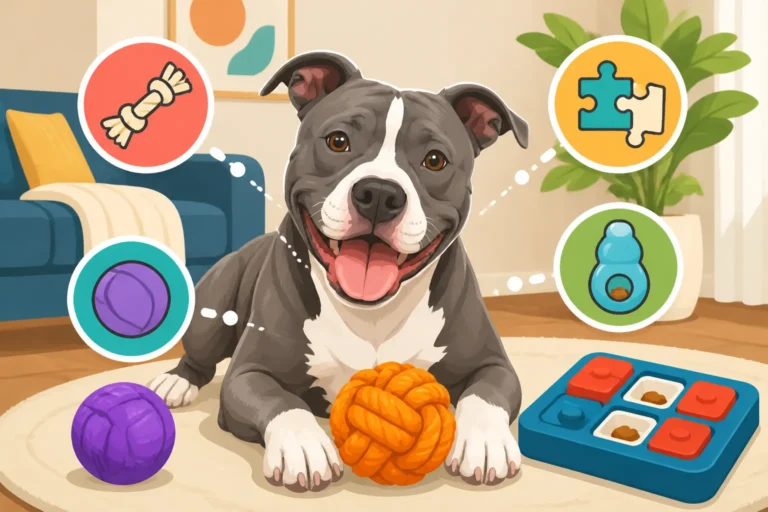
Interactive puzzle toys are also invaluable. These toys dispense treats as your dog manipulates them, requiring mental effort and problem-solving skills. They're excellent for keeping a Pit Bull entertained and mentally stimulated, especially on days when intense physical exercise isn't possible, or when you need to leave them alone for a bit. Brands like Kong and Planet Dog offer super tough options that can stand up to a Pit Bull’s determination, and you can find them easily on sites like Ollie or Chewy. These aren't just toys; they're brain games that tire a dog out in a different, equally important way.
Mental Stimulation Through Puzzle Play
Beyond the physical, mental stimulation is absolutely critical for a Pit Bull’s well-being. These intelligent dogs need their brains challenged just as much as their bodies. Puzzle feeders, snuffle mats, and scent work games are fantastic for this. A puzzle feeder makes your dog work for their meal, slowing down eating and engaging their cognitive abilities. Snuffle mats allow them to use their incredible sense of smell to forage for treats, which is a naturally satisfying behavior.
You can also create simple scent games at home by hiding treats around the house and encouraging your Pit Bull to "find it." This taps into their natural sniffing instincts and is a low-impact activity that can be done regardless of weather or physical limitations. Even learning new tricks counts as mental stimulation. Teaching a Pit Bull a complex sequence of commands or a fun party trick like "play dead" requires focus and problem-solving, reinforcing your bond and boosting their confidence. A mentally tired Pit Bull is often a calmer, happier Pit Bull.
Structured Training as a Form of Play
Don't think of training as a chore; for a Pit Bull, it can be one of the most engaging and rewarding forms of play. Structured training sessions, even short ones, provide mental stimulation, reinforce good behavior, and strengthen the human-animal bond. Working on commands like "sit," "stay," "down," or even more advanced obedience and agility skills, can be incredibly fulfilling for a Pit Bull who loves to learn and please.
Using positive reinforcement methods, with high-value treats and enthusiastic praise, makes training feel like a game. For a breed that sometimes faces public scrutiny, having a well-trained dog who can confidently perform commands in various environments is invaluable. Consider working towards a Canine Good Citizen (CGC) title; it's a fantastic goal that encompasses many practical skills and demonstrates your Pit Bull's excellent manners. This type of structured engagement ensures your Pit Bull is not only well-exercised but also a polite and confident member of your community, leading to a much more harmonious life together.
Disclaimer
This article is for general informational purposes only and does not constitute professional advice. Laws, prices and regulations vary by location and change over time. Consult a qualified professional for guidance on your specific situation.