Why a Pit Bull Ration Should Be Weighed
It's a common scenario: you love your Pit Bull fiercely, and you want to give them the best of everything, especially when it comes to their food. But many of us fall into the trap of simply scooping kibble into a bowl, assuming a "cup" is always a cup, or that the lines on the measuring cup are gospel. This seemingly innocent habit can lead to a gradual, often unnoticed, overfeeding that has serious implications for your strong, athletic companion's health. This guide will walk you through why accurately weighing your Pit Bull's food ration is not just a suggestion, but a crucial step toward ensuring their long-term well-being and maintaining their ideal muscular physique.
The Hidden Dangers of "Eyeballing" Your Pit Bull's Food
We get it. Life is busy. Grabbing the scoop, filling it up, and dumping it in the bowl seems like the most efficient way to get your Pit Bull fed. But what looks like a consistent measure to the human eye is anything but when it comes to dog food. The inconsistencies can be surprisingly significant, and over time, these small errors compound into a bigger problem for your dog's waistline and overall health.
The Deceptive Nature of Scoops and Cups
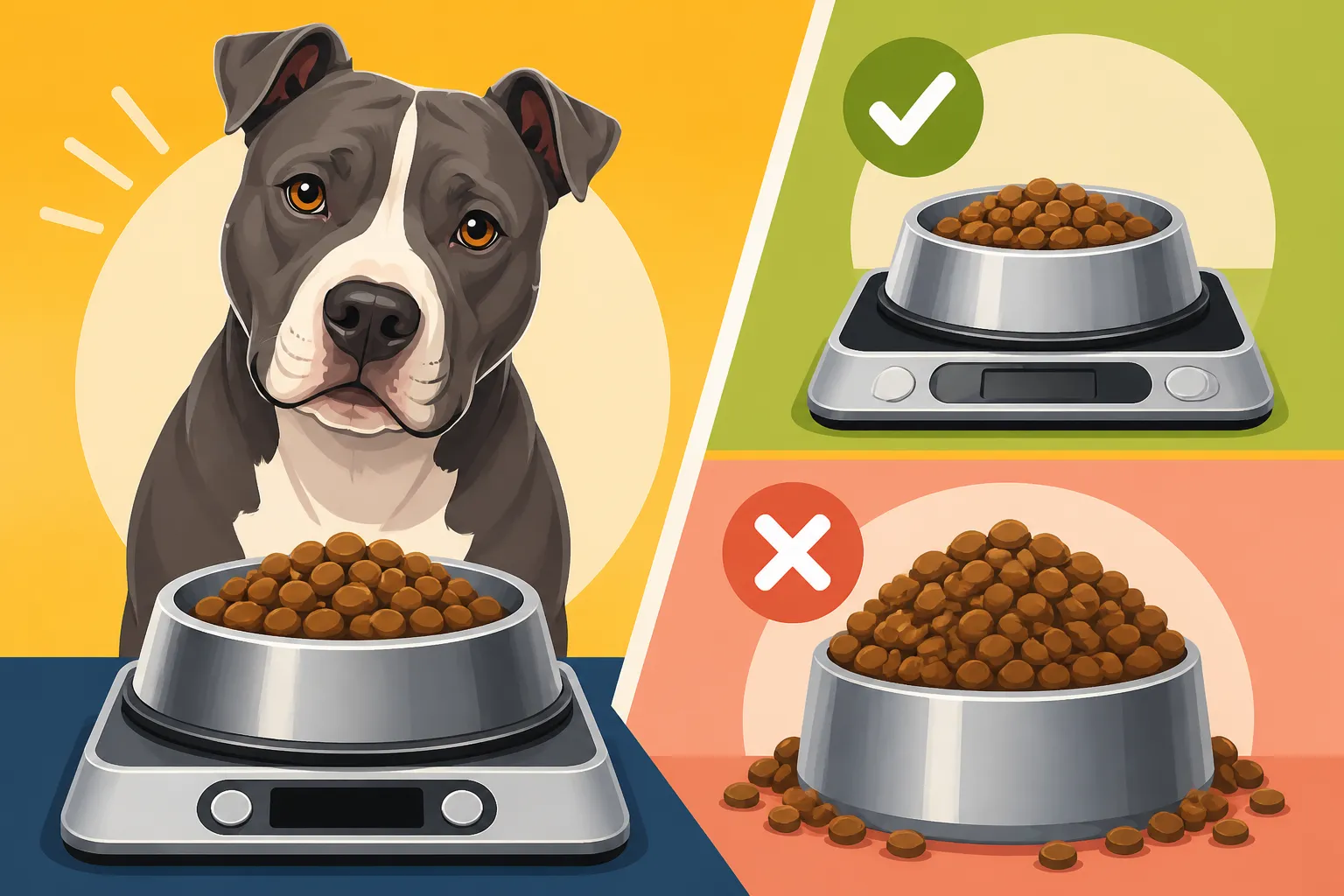
Think about it: have you ever actually weighed the amount of kibble that fits into your "one-cup" scoop? The reality is that dog food kibble varies wildly in density, size, and shape from one brand to another, and even from one bag to the next within the same brand. A "cup" of a lightweight, airy kibble might weigh significantly less than a "cup" of a dense, compact kibble. Moreover, how you fill that scoop matters immensely. Do you lightly level it, or do you press down, compacting the kibble and inadvertently adding more food than intended? A small mound above the rim, a slight compacting action, or even just differing levels of accuracy in your pouring can easily add an extra 10-20% of food to each meal without you realizing it.
These subtle differences mean that if your Pit Bull is supposed to get, say, 2.5 cups of food a day, and each "cup" you measure is actually 1.1 cups due to density and packing, you're actually feeding them 2.75 cups. That might not sound like much, but consider this over weeks and months. Those extra calories build up, silently contributing to weight gain. It's an invisible creep, making it incredibly difficult to pinpoint where the extra pounds are coming from, especially if you're otherwise diligent with exercise. This is precisely why relying on volume measurements like cups can be so misleading when trying to manage your Pit Bull's diet effectively.
The Slippery Slope to Weight Gain and Health Issues
For a breed as powerful and muscular as the Pit Bull, maintaining a lean body condition isn't just about aesthetics; it's fundamental to their health and longevity. Those small, daily caloric excesses from imprecise scooping don't just add a little fluff; they can lead to significant weight gain. Because Pit Bulls are naturally stout and well-muscled, it can be particularly tricky to spot the initial signs of obesity. Their strong build can mask the early accumulation of fat, making it easy to overlook that creeping weight until it's become a more serious issue. You might think your dog just looks "solid" when, in fact, they're carrying unhealthy extra weight.
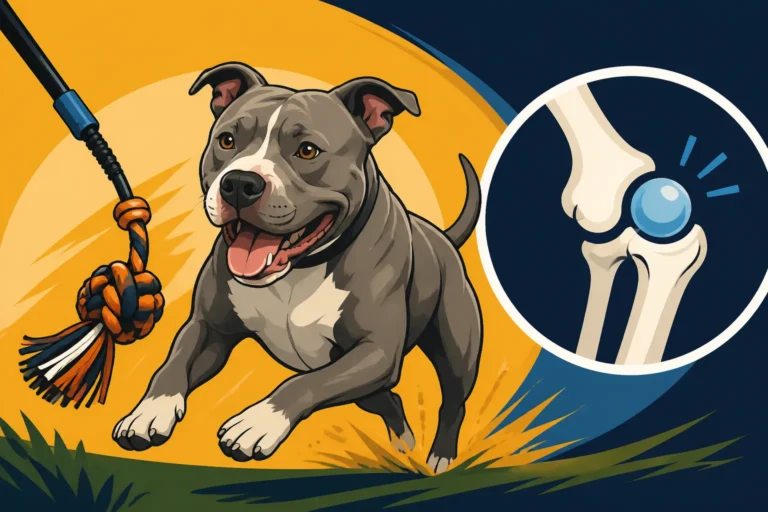
Excess weight places undue strain on a Pit Bull's joints, which are already under considerable load supporting their muscular frame. This can exacerbate or accelerate conditions like hip dysplasia or elbow dysplasia, leading to pain, reduced mobility, and a decreased quality of life. Pit Bull Obesity and Joint Strain Beyond joint issues, obesity significantly increases the risk of other serious health problems, including heart disease, diabetes, respiratory difficulties, and even certain types of cancer. It can also make them less tolerant to exercise and heat, diminishing their ability to enjoy the activities they love. By not weighing their food, you're inadvertently putting your beloved companion at risk for these preventable conditions, cutting short their active years and potentially increasing veterinary bills down the line.
Precision Feeding for Optimal Pit Bull Health
When you switch from eyeballing to weighing, you're not just being obsessive; you're implementing a foundational strategy for long-term health. Precision feeding takes the guesswork out of nutrition and allows you to truly control what goes into your Pit Bull's bowl, making it easier to adapt to their changing needs throughout their life.
Achieving and Maintaining Ideal Body Condition
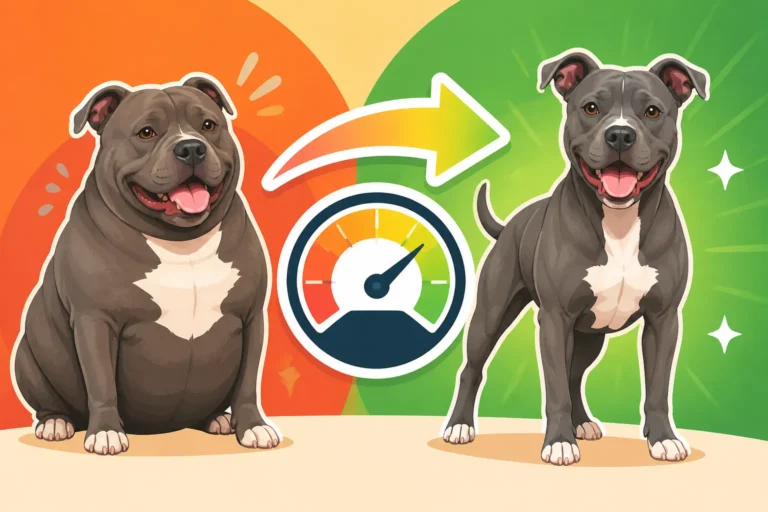
Pit Bulls thrive when they are lean, with visible tuck-up and palpable ribs (but not prominent). Achieving and maintaining this ideal body condition is crucial for their athletic abilities, joint health, and overall vitality. Weighing your Pit Bull's food in grams or ounces ensures that every meal provides a consistent, accurate number of calories. This precision allows you to dial in your dog's caloric intake to match their exact energy expenditure, whether they're an active agility dog or a more laid-back couch potato. Without this precision, even slight over- or under-feeding can throw their body condition off balance.
For instance, a fifty-pound Pit Bull might need around 1,200 to 1,700 calories a day, depending on their activity level, metabolism, and age. How Many Calories a Fifty Pound Pit Bull Needs The difference of just 100 extra calories a day, if consistently fed, can lead to a noticeable weight gain over months. By weighing, you can confidently stick to your veterinarian's or nutritionist's recommendations, and easily make small adjustments as needed. This consistency is especially important for breeds where muscle mass can obscure signs of fat. Why Muscle Makes Pit Bull Weight Hard to Judge Regularly assessing your Pit Bull's body condition score alongside precise feeding allows you to make informed decisions about their diet. Reading Pit Bull Body Condition Under Muscle
Managing Special Dietary Needs and Sensitivities
Many Pit Bulls, unfortunately, contend with allergies or other health conditions that necessitate specific, often expensive, prescription or limited ingredient diets. When your dog is on such a specialized diet, every single calorie and ingredient counts. Even a small deviation can undermine the effectiveness of the diet, potentially triggering an allergic flare-up, digestive upset, or worsening another health issue. Imagine you're trying to figure out if your Pit Bull's itching is due to a food allergy and you're midway through an Eight Week Food Trial on an Itchy Pit Bull with a specific novel protein diet. If you're accidentally overfeeding or underfeeding due to inaccurate scooping, you're not getting a true picture of the diet's impact, making it harder to identify the root cause of their symptoms.
For these dogs, precise portion control is absolutely non-negotiable. If your vet has prescribed a specific food, or you're using a carefully formulated fresh food service like Ollie, or buying specialized kibble from Chewy, adhering to the exact gram weight recommended is paramount. It ensures your Pit Bull gets the precise therapeutic benefits from the food and prevents unnecessary financial outlay on treatments for symptoms caused by incorrect feeding. Even for common scenarios like adjusting a Pit Bull's food after they've been spayed or neutered, when their metabolic needs can shift, weighing allows for the precise calorie reduction necessary to prevent weight gain. Adjusting Pit Bull Food After the Neuter
Practical Tips for Weighing Your Pit Bull's Food
Making the switch to weighing your Pit Bull's food doesn't have to be complicated. It's a simple change that yields significant benefits, and once you get into the rhythm, it becomes second nature.
Choosing the Right Digital Scale
The good news is you don't need any fancy, expensive equipment. A basic digital kitchen scale will do the trick perfectly. When you're looking for one, consider a few key features:
- Accuracy: Look for a scale that measures in small increments, preferably down to 1 gram or 0.1 ounce. Most modern digital kitchen scales offer this.
- Capacity: Ensure it can handle the weight of your dog's bowl plus the maximum amount of food you'll be weighing. For a Pit Bull, this usually isn't an issue, but it's worth a quick check.
- Tare Function: This is a must-have. The "tare" or "zero" button allows you to place your dog's empty bowl on the scale and then zero out the weight, so you're only measuring the food itself. This avoids doing mental math every time.
- Easy to Clean: Dog food can be dusty or oily, so a scale with a smooth, wipeable surface is always a bonus.
- Units: Most scales let you switch between grams, ounces, pounds, and milliliters. Grams are often the most precise for kibble.
You can find excellent, affordable digital kitchen scales at almost any department store, kitchen supply store, or online retailer like Amazon. Many scales are compact enough to store easily in a cupboard or even on your countertop.
Integrating Weighing into Your Daily Routine
Once you have your scale, incorporating weighing into your feeding routine is straightforward. Here’s a simple process to follow:
- Gather Your Supplies: Have your dog's bowl, food, and scale ready.
- Place the Bowl on the Scale: Set the empty food bowl directly onto the digital scale's platform.
- Tare the Scale: Press the "tare" or "zero" button. The display should now read "0g" (or "0.0 oz"). This effectively subtracts the weight of the bowl.
- Add the Food: Slowly scoop your Pit Bull's food into the bowl, watching the digital display. Add or remove small amounts until you reach the exact target weight. For example, if your bag says to feed 120 grams per day, you'll feed 60 grams per meal if you feed twice daily.
- Serve and Repeat: Once the correct weight is reached, you're all set! Repeat this process for each meal.
Making this a consistent habit is key. Some owners find it helpful to pre-portion their dog's food for the week, weighing out individual meal portions into sealable containers. This can save time during busy mornings or evenings, especially if you have multiple dogs. Just remember to account for any treats your Pit Bull might receive throughout the day, as these add to their overall caloric intake and can impact their weight management. Treats Small Enough for Repeated Pit Bull Training
Beyond the Scale: The Bigger Picture of Pit Bull Nutrition
While weighing your Pit Bull's food is a powerful tool, it's part of a larger, holistic approach to their nutrition. Understanding your dog's individual needs and how all dietary inputs contribute to their health is essential.
Understanding Your Pit Bull's Unique Calorie Needs
The feeding guidelines on your dog food bag are just that: guidelines. They provide a starting point, but every Pit Bull is an individual with unique metabolic rates and activity levels. A young, intact, highly active Pit Bull who spends hours running and playing will naturally require more calories than an older, spayed or neutered dog who enjoys leisurely strolls and prefers napping. Factors like age, activity level, whether they are intact or spayed/neutered, and even environmental temperature can all impact their daily caloric requirements.
It’s crucial to observe your Pit Bull's body condition and energy levels closely. If they are gaining unwanted weight despite being fed the recommended amount, their metabolism might be slower, or their activity level lower than the food bag assumes. Conversely, if they're too lean, they might need a slight increase. This is where the precision of weighing really shines. You can make small, calculated adjustments to their diet (e.g., adding or subtracting 10-20 grams of food) and monitor the impact over a few weeks. Consulting with your veterinarian can also help establish a precise calorie target tailored to your individual Pit Bull, especially if you're working on weight loss or managing a chronic condition.
The Role of Treats and Supplements in the Overall Ration
It's easy to forget that treats, chews, and even supplements contain calories. Those seemingly small rewards, given throughout the day for good behavior or during training sessions, can quickly add up. A handful of training treats might seem insignificant, but if you're doing multiple short training sessions a day, those calories can easily amount to a substantial portion of your Pit Bull's daily intake. If you're not factoring these into your calculations, even the most precisely weighed main meals won't prevent unintentional overfeeding.
Always remember that treats should generally make up no more than 10% of your Pit Bull's total daily calories. If you're giving a lot of treats, consider reducing their main meal portion slightly to compensate. Also, be mindful of the calorie density of the treats you choose. Opting for low-calorie options or breaking larger treats into smaller pieces can help manage this. For Pit Bulls on specialized diets for conditions like Pit Bull Skin Allergies and the Atopy Pattern, it's even more important to ensure treats are either approved within their diet plan or accounted for very carefully. Monthly Food for a Pit Bull on a Limited Diet Similarly, some supplements, especially those mixed with palatable bases, can contribute calories that need to be considered in the total daily ration.
Here’s a quick comparison to highlight the benefits:
| Feature | "Eyeballing" (Volume Measurement) | "Weighing" (Weight Measurement) |
|---|---|---|
| Accuracy | Highly inconsistent, prone to error | Precise and reliable |
| Kibble Density | Varies wildly by product/batch, impacting true volume | Irrelevant; measures actual mass of food |
| Weight Control | Difficult to manage, high risk of over/under-feeding | Excellent for maintaining ideal body condition |
| Diet Management | Challenging for specific dietary needs/allergies | Essential for therapeutic and limited ingredient diets |
| Effort | Seems quicker, but can lead to long-term health issues | Slightly more initial effort, but ensures long-term health |
| Cost | Potential for wasted food or increased vet bills | Optimized food usage, reduces risk of diet-related health costs |
Making the shift to weighing your Pit Bull's food is a simple, yet incredibly impactful step you can take for their health. It empowers you to be truly in control of their nutrition, ensuring they get exactly what they need to live a long, happy, and active life by your side.
Disclaimer
This article is for general informational purposes only and does not constitute professional advice. Laws, prices and regulations vary by location and change over time. Consult a qualified professional for guidance on your specific situation.