Rinsing Pollen Off a Pit Bull After Walks
If you've got a Pit Bull, you know their short, sleek coat can hide a multitude of sins, especially when it comes to seasonal allergies. One of the most frustrating battles many Pit Bull owners face is the relentless itching and skin irritation that comes from pollen exposure after a seemingly innocent walk. This guide is all about giving you a practical, actionable strategy for removing that invisible enemy from your dog's coat and skin, offering immediate relief and helping to break the itch-scratch cycle.
Why Rinsing is a Game-Changer for Allergic Pit Bulls
It's easy to think that a short-coated dog like a Pit Bull wouldn't pick up much pollen, but that couldn't be further from the truth. Their smooth fur, especially on their belly and legs, can act like a magnet for microscopic pollen grains. When these allergens settle on the skin of an already sensitive Pit Bull, they can trigger an immune response that leads to intense itching, redness, and discomfort.
Understanding Pollen and Skin Irritation
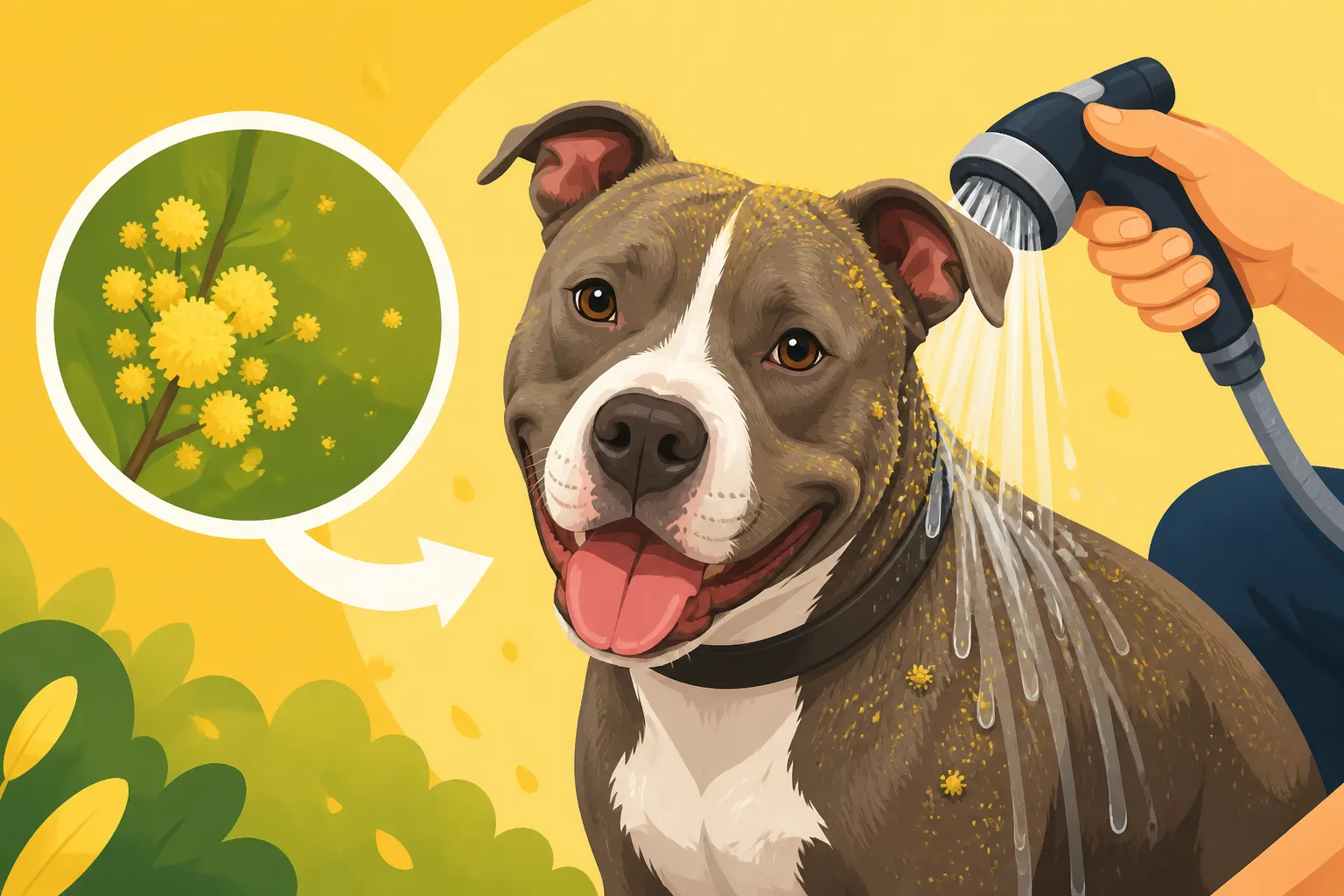
Pollen isn't just something that makes us sneeze; for many dogs, it's a direct irritant to their skin. Picture millions of tiny, spiky particles landing on your Pit Bull every time they roll in the grass, sniff a bush, or simply walk through a field. These particles then embed themselves in the fur and get trapped against the skin, particularly in areas where friction occurs or where the skin folds a bit.
Pit Bulls are often predisposed to environmental allergies, a condition known as atopy. This means their immune system overreacts to common environmental allergens like pollen, dust mites, or mold spores. When these allergens sit on the skin, they can break down the skin barrier, leading to inflammation and that infernal itch. Owners often report their dogs constantly Pit Bull Paw Licking and Chewing or rubbing their faces, which are classic signs of pollen irritation. A quick rinse isn't just about cleaning; it's about physically removing the trigger before it can fully ignite the allergic cascade. Think of it as hitting the reset button on their skin after every outdoor adventure.
The Immediate Relief of a Quick Rinse
The beauty of a post-walk rinse is its simplicity and immediate impact. We're not talking about a full-on shampoo and condition every single day – who has time for that, right? Instead, it's about a targeted, efficient removal of the surface allergens. Imagine your dog just spent a glorious hour sniffing every blade of grass at the park. They come in, looking happy, but unbeknownst to them (and sometimes to us), they're covered in invisible pollen.
If you let that pollen sit on their skin for hours, it has more time to penetrate the skin barrier, leading to more intense itching later on. By rinsing them off shortly after the walk, you're preventing that prolonged exposure. This proactive approach can significantly reduce the severity and frequency of allergy flare-ups. It helps to keep their skin calm and less reactive, which in turn can prevent secondary issues like bacterial or yeast infections that thrive on irritated skin. It's a small habit that can make a monumental difference in your Pit Bull's comfort and overall skin health, stopping that itch before it ever truly gets started. You'll likely notice a calmer dog, less scratching, and fewer anxious behaviors related to persistent itching.
The Step-by-Step Guide to an Effective Post-Walk Rinse
A post-walk rinse doesn't need to be a major production. It's about being efficient and targeting the areas where pollen collects most. Establishing a routine makes it easier for both you and your Pit Bull, turning it into a normal part of coming home.
Gathering Your Supplies
Before you even step out the door for your walk, have your rinsing station ready. This saves time and ensures you don't forget anything in the rush of getting back inside. You'll need:
- Lukewarm water: Never too hot or too cold, as extreme temperatures can irritate sensitive skin. A flexible showerhead or even a large pitcher can work if you don't have a dedicated wash area.
- Absorbent towels: Have at least one or two clean, soft towels ready for drying. Microfiber towels are great for wicking away moisture quickly. You can find excellent, durable dog towels on sites like Chewy or Amazon that stand up to frequent washing.
- Optional: Gentle, hypoallergenic dog shampoo or rinse: For days when the pollen count is exceptionally high, or if your Pit Bull is having a particularly bad flare-up, a quick wash with a soap-free, hypoallergenic shampoo can be beneficial. These are specifically designed not to strip natural oils and to soothe irritated skin. Brands like Earthbath or Douxo S3 are popular choices, often available through online retailers or your local pet supply store. Your vet might even recommend specific medicated rinses for active flare-ups.
- Treats: Always have some high-value treats on hand to make the experience positive for your Pit Bull. This helps build a positive association with the rinse.
Having everything laid out means you can transition directly from "walk time" to "rinse time" without delay, maximizing the benefit of pollen removal.
The Rinsing Process: Focus Areas
Now for the actual rinsing. Remember, this isn't necessarily a full bath, but a targeted cleanse.
- Designate a Spot: Ideally, you'll have a spot right inside your entry point, or perhaps a utility sink, a bathtub, or even an outdoor wash station if the weather permits. The goal is to minimize the amount of pollen your Pit Bull tracks further into your home before the rinse.
- Start with Paws and Legs: These are absolute pollen magnets. Gently wet each paw, ensuring you get between the paw pads. Use your fingers to lightly massage and rinse the pollen out. Work your way up their legs, focusing on the lower half. The ground-level areas are often where the most pollen accumulates.
- Address the Belly and Groin: As Pit Bulls walk through grass, their bellies and inner thighs sweep up an incredible amount of pollen. This area is also prone to Pit Bull Belly Rash and Contact Allergy, so it's critical to clean it thoroughly. Gently lift your Pit Bull's legs and use the lukewarm water to rinse their entire underside. If you're using a mild shampoo, lather gently here and then rinse thoroughly until no suds remain.
- A Quick Wipe for the Face: While a full rinse of the face might be tricky for some dogs, a damp cloth can work wonders. Gently wipe around their muzzle, under their chin, and around their eyes (avoiding direct contact with the eyes). Pollen can settle on their face as they sniff the ground. For Pit Bulls with skin folds, pay extra attention to wiping these areas clean.
- Use Gentle Pressure: You're not scrubbing; you're rinsing. Use a gentle flow of water and soft hand motions to avoid irritating skin that might already be sensitive. Always ensure all soap residue (if using shampoo) is completely rinsed away, as leftover shampoo can itself be an irritant.
This process should take no more than a few minutes, making it entirely feasible to do after every outdoor excursion, especially during peak allergy seasons.
Drying and Follow-Up Care
After the rinse, proper drying is just as important as the rinsing itself. Leaving your Pit Bull damp, especially in skin folds or between their toes, can create a breeding ground for yeast and bacteria, leading to further skin problems.
- Towel Dry Thoroughly: Use your absorbent towels to pat and gently rub your Pit Bull dry. Pay special attention to their paws, making sure to get in between the toes. Don't forget their belly and any wrinkles they might have. For Pit Bulls with cropped ears, also make sure to dry the base of the ear to prevent moisture accumulation, which can contribute to Pit Bull Ear Infections and Allergy Links.
- Air Dry or Low Heat Blow Dryer (Optional): If your Pit Bull tolerates it, a cool or low-heat setting on a pet-specific blow dryer can help speed up the drying process. Hold the dryer a safe distance away and keep it moving to prevent overheating any one area. Most Pit Bulls with their short coats will dry quickly with just thorough towel drying.
- Post-Rinse Check: While drying, take a moment to quickly check their skin. Look for any new redness, bumps, or excessive flakiness. This routine check helps you catch potential issues early.
- Reward and Relax: Once dry, offer another treat and praise your Pit Bull. This reinforces the positive association with the post-walk routine and helps them understand that this quick rinse leads to good things (and less itching!). Then, let them enjoy their newfound, pollen-free comfort.
This diligent drying process is a crucial step in preventing secondary issues and ensuring the rinse provides maximum benefit for their sensitive skin.
Beyond the Rinse: Complementary Strategies for Pollen Management
While rinsing pollen off your Pit Bull after walks is incredibly effective, it's just one tool in a comprehensive approach to managing environmental allergies. Pairing this habit with other strategies can provide even greater relief and improve your Pit Bull's quality of life during allergy season.
Timing Walks and Checking Pollen Counts
Think about your own allergy seasons – some days are worse than others, right? The same applies to your Pit Bull. Pollen counts fluctuate throughout the day and week, often peaking in the late morning and early afternoon, especially on warm, breezy days.
By simply adjusting your walk schedule, you can significantly reduce your Pit Bull's exposure. Aim for walks in the early morning (before 8 AM) or late evening (after 7 PM), when pollen levels are typically lower. Rainy days are also excellent for outdoor activity, as rain washes pollen out of the air. Websites and apps often provide local pollen forecasts, which can be invaluable. On days with extremely high pollen counts, consider shorter walks or more indoor enrichment activities to minimize exposure, even if it means foregoing that longer hike. Remember, the goal is to reduce the allergen load on your dog's skin, and choosing your walk times wisely is a passive way to do just that.
Wiping Paws and Belly Between Rinses
Sometimes, a full rinse isn't practical after every quick trip outside, like a potty break in the yard. For these moments, a quick wipe can still be beneficial. Keep a damp cloth or a pack of hypoallergenic dog wipes near your door for those in-between times.
Focus on the paws, getting between the pads, and a swift wipe of the belly. This isn't as thorough as a rinse, but it helps remove a significant amount of surface pollen before your Pit Bull settles inside, potentially transferring allergens to your furniture or bedding. Many owners find these quick wipes a lifesaver for maintaining comfort throughout the day, especially if their Pit Bull tends to get really itchy, doing things like A Pit Bull Chewing Its Feet Through the Night. You can even get pet-safe wipes infused with soothing ingredients like aloe or oatmeal for an extra boost of comfort. Just make sure whatever you use is specifically designed for pets and free of harsh chemicals or fragrances that could cause further irritation.
Considering Dietary Support
What goes into your Pit Bull's body can play a big role in how well their skin functions as a barrier against external irritants like pollen. While diet won't cure environmental allergies, it can certainly help support skin health and potentially reduce the severity of reactions.
Many commercial dog foods now include ingredients specifically aimed at promoting a healthy skin barrier. Look for foods rich in Omega-3 fatty acids (like fish oil), which have anti-inflammatory properties. Brands such as Ollie, known for their fresh, human-grade food, often formulate meals with excellent fatty acid profiles that can benefit skin and coat. Similarly, many premium kibble brands available on Chewy or Amazon offer formulas designed for sensitive skin. You might also consider a Limited Ingredient Food for a Pit Bull With Atopy if food sensitivities are suspected alongside environmental allergies, as a stressed digestive system can sometimes manifest in skin issues. Always discuss significant dietary changes or the addition of supplements like Omega Oils for Pit Bull Skin and Coat with your veterinarian, especially if your Pit Bull is already on other allergy medications like Apoquel and Cytopoint for an Itchy Pit Bull. A healthy gut and skin barrier work synergistically to help your Pit Bull be more resilient to environmental triggers.
Comparison: Quick Rinse vs. Full Bath for Allergy Management
To help clarify when each approach is most appropriate, here’s a quick comparison:
| Feature | Quick Post-Walk Rinse | Full Medicated Bath |
|---|---|---|
| Purpose | Daily removal of surface allergens & irritants | Deep cleaning, treatment of active skin conditions |
| Frequency | After every outdoor walk/exposure during allergy season | Typically 1-3 times a week, or as vet advises |
| Time Commitment | 2-5 minutes | 15-30 minutes (including soak time) |
| Products Used | Lukewarm water, optional mild hypoallergenic rinse/wipes | Specific medicated shampoo (e.g., antifungal, antibacterial, soothing) |
| Focus Areas | Paws, belly, legs, face | Entire body, ensuring contact time for medicated products |
| Skin Impact | Prevents allergen build-up, maintains skin barrier | Treats active inflammation, infections, rebalances skin microbiome |
| Benefit | Proactive prevention, immediate relief | Reactive treatment, long-term management of chronic issues |
| Convenience | High, easily integrated into daily routine | Moderate, requires more planning and effort |
Choosing the right approach at the right time is key to effective allergy management for your Pit Bull. The quick rinse is your daily defense, while a full medicated bath is your heavy artillery for when issues escalate or become chronic.
Disclaimer
This article is for general informational purposes only and does not constitute professional advice. Laws, prices and regulations vary by location and change over time. Consult a qualified professional for guidance on your specific situation.