A Pit Bull Chewing Its Feet Through the Night
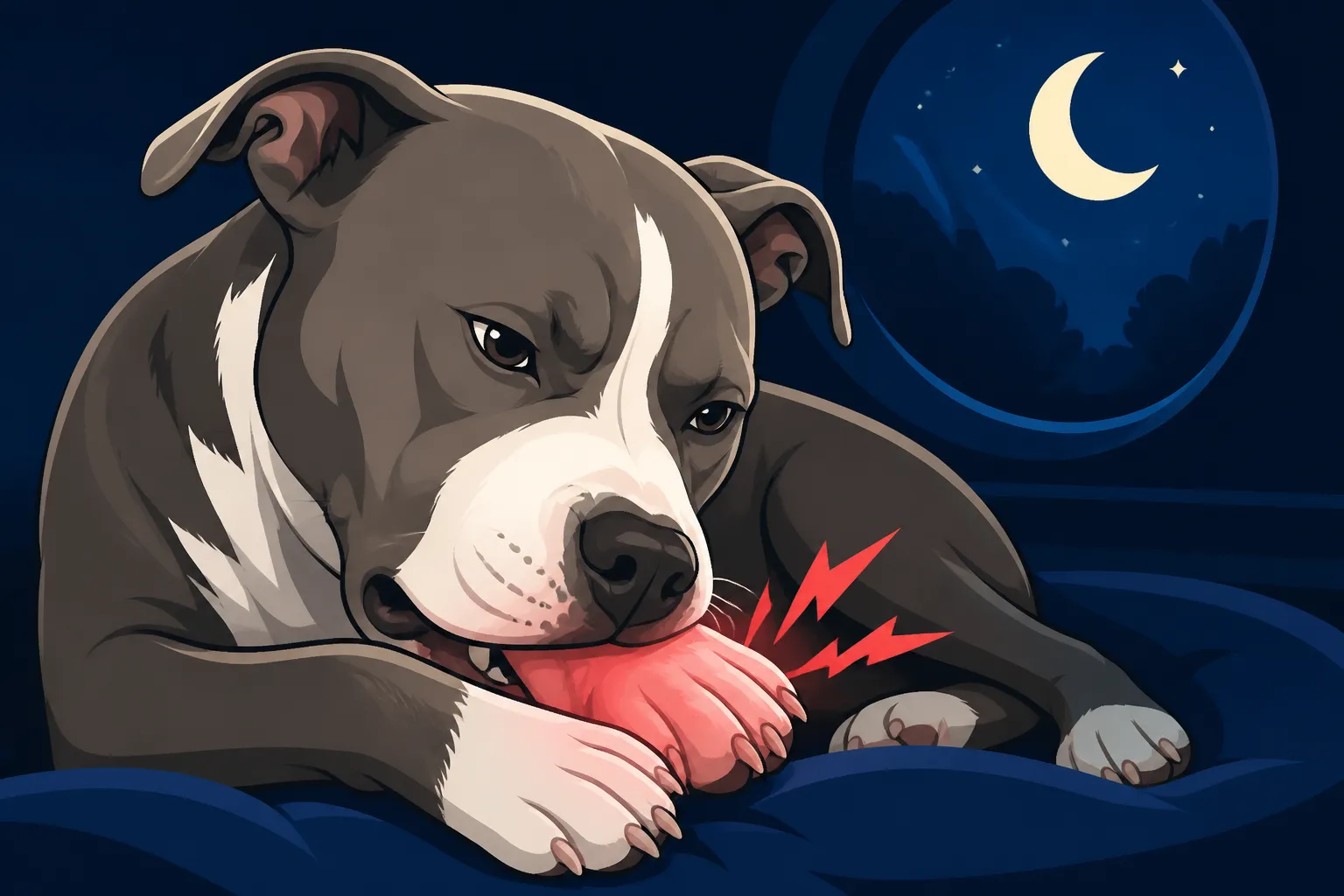
There's nothing quite as frustrating, and honestly, heartbreaking, as being woken up in the middle of the night by the incessant sound of your beloved Pit Bull chewing at their feet. It’s a sound that tells you they’re uncomfortable, possibly in pain, and definitely not getting the restful sleep they deserve (and neither are you!). This isn't just a quirky habit; it's often a clear signal that something deeper is going on. This guide will walk you through the common reasons why your Pit Bull might be turning their paws into midnight snacks and, more importantly, what you can do about it, from immediate relief measures to long-term veterinary strategies.
Why Your Pit Bull Can't Stop Chewing Their Paws at Night
When your Pit Bull is gnawing away at their paws, especially when the house is quiet and everyone else is asleep, it’s a strong indicator of an underlying issue. It's usually not malicious, but a coping mechanism for discomfort or distress. Understanding the "why" is the crucial first step to finding a lasting solution for your furry friend.
The Itch: Allergies and Irritants
The most common culprit behind relentless paw chewing and licking in Pit Bulls is almost always an itch. And let's be honest, Pit Bulls are incredibly prone to allergies, making this a frequent challenge for owners. Think about how annoying an itch is for us; for a dog, it can be maddening, especially when they can't scratch it effectively.
Environmental allergies, often called atopy, are rampant in the breed. Your Pit Bull might be reacting to pollen, dust mites, mold spores, or even certain grasses and weeds encountered during their daily walks. These allergens settle on their skin, particularly on their paws which are constantly in contact with the ground, triggering an inflammatory response that makes them intensely itchy. This is often why you’ll notice them aggressively cleaning their paws after a walk or spending time outside. Many owners report that their Pit Bull skin allergies start on the feet, which then spreads.
Food allergies are another significant factor. While less common than environmental allergies, they can cause systemic itching that often manifests on the paws, ears, and belly. Your Pit Bull might be reacting to a protein source like chicken or beef, or even grains. The itching can be profound and persistent, regardless of the season, leading to continuous chewing, especially when they're not distracted during the day. Sometimes, an owner will find their Pit Bull is also rubbing its face on the carpet if it's a food allergy, as the itch extends beyond just the paws.
Beyond true allergies, contact irritants can also play a role. Think about the chemicals on your lawn, harsh cleaning products on your floor, or even road salt during winter. These substances can directly irritate the sensitive skin between their paw pads and toes, leading to localized itching and subsequent chewing. Even certain fabrics in their bedding can sometimes cause irritation, though this is less common than environmental or food allergies.
Parasites, specifically fleas, are often overlooked but can cause severe itching, especially if your Pit Bull has a flea allergy dermatitis. A single flea bite can set off an extreme reaction, causing intense itching that can lead to frantic paw chewing, even if you don't see an obvious infestation. Ticks, mites, or even chiggers from outdoor adventures can also make their presence known through itchy paws. Ensuring your Pit Bull has year-round parasite cover for a Pit Bull is a foundational step in ruling out this cause.
Pain and Discomfort: More Than Just Skin Deep
Sometimes, the chewing isn't about an itch at all, but about pain or discomfort originating from the paw itself. Your Pit Bull might be trying to "fix" something that hurts, or simply seeking relief from an uncomfortable sensation. This can be more insidious because the cause isn't always visible on the surface.
One common issue is an injury. This could be anything from a cut pad from sharp gravel, a thorn embedded between their toes, a fractured nail, or even a sprain from an awkward jump or run. Imagine stepping on a tiny piece of glass that you can't quite see; the pain would be maddening, and you'd likely try to pick at it. Your Pit Bull does the same. Small foreign objects like grass awns can work their way deep between their paw pads, causing significant irritation and potential infection, leading to relentless chewing. Injuries to the paw pads themselves, perhaps from running on hot pavement or rough terrain, can also make your Pit Bull target the affected area. Many Pit Bulls are active dogs, and Pit Bull paw pad injuries on hard ground are not uncommon.
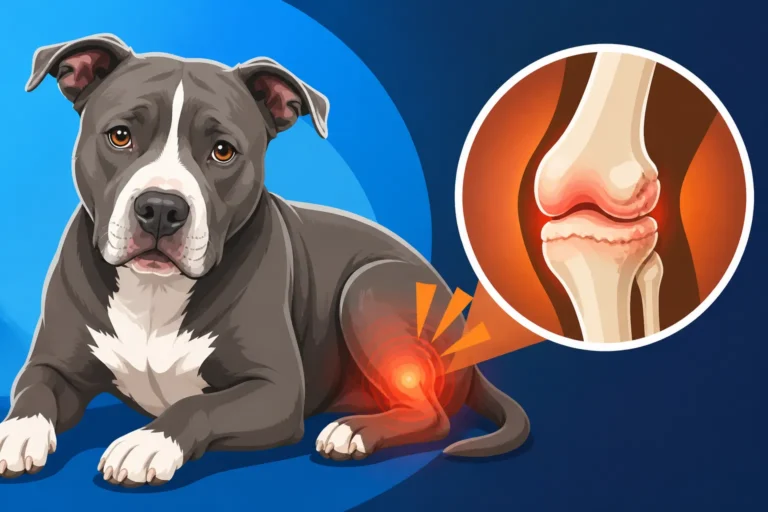
Arthritis or joint pain, especially in older Pit Bulls, can manifest as paw licking. If a joint in their lower leg or paw is aching, they might chew at the paw as a way to self-soothe or because the discomfort is radiating. This is particularly true for dogs with conditions like arthritis, hip dysplasia, or even elbow dysplasia, which can alter their gait and put undue strain on their paws. A Pit Bull at seven years of age, for example, might be starting to experience arthritis in a Pit Bull at seven and this can lead to subtle shifts in weight distribution, causing discomfort in the paws.
Fungal or bacterial infections, secondary to allergies or injuries, can also cause localized pain and intense itching. When your Pit Bull constantly licks or chews due to allergies, they break the skin barrier, creating a moist, warm environment perfect for yeast and bacteria to thrive. This leads to a vicious cycle: the infection causes more itching and pain, which leads to more chewing, further worsening the infection. You might see redness, swelling, or even pus, and the paws may emit a distinct odor, often described as "Frito feet" due to yeast. These secondary infections can be extremely uncomfortable and drive the nighttime chewing behavior. Sometimes, this can escalate into full-blown Pit Bull hot spots and secondary infection which are painful, red, oozing lesions.
Boredom, Anxiety, and Obsessive Behaviors
While medical causes are usually the primary driver, behavioral factors can certainly exacerbate or even initiate paw chewing, especially at night when distractions are minimal. Just like humans might bite their nails when bored or stressed, dogs can turn to self-grooming behaviors as an outlet.
A Pit Bull with insufficient mental and physical stimulation might become bored, particularly during quiet nighttime hours. When there's nothing else to do, their attention turns inward, and repetitive behaviors like paw chewing can become a self-soothing mechanism. These are intelligent, active dogs, and if they're not getting enough appropriate outlets for their energy, they can develop undesirable habits. Imagine a highly energetic young Pit Bull who's spent the day alone and then has a quiet evening; boredom can easily set in.
Anxiety is another significant factor. Dogs can experience various forms of anxiety, from separation anxiety when left alone to generalized anxiety, or even situational anxiety triggered by noises like thunderstorms or fireworks. When anxious, dogs often seek ways to cope, and licking or chewing can release endorphins, providing a temporary sense of calm. If your Pit Bull is only chewing their paws at night, consider if they are experiencing any separation anxiety when you're asleep, or if there are any subtle nighttime noises or shifts in the environment that might be causing them stress. This obsessive licking can quickly become a habit.
Compulsive disorders, though less common, can also manifest as excessive paw licking and chewing. This is a behavioral condition where the dog performs repetitive, exaggerated, and sometimes harmful behaviors that seem out of context. It's similar to obsessive-compulsive disorder in humans. These behaviors are often triggered by stress or conflict and can be difficult to break without professional intervention. In these cases, the chewing becomes an ingrained habit, almost like a tic, even if the initial underlying cause is gone.
What You Can Do Right Now for Relief
Witnessing your Pit Bull tirelessly chew their paws can be distressing. While a definitive diagnosis and long-term treatment will require a vet visit, there are several things you can do immediately to provide some comfort and break the cycle of chewing.
First Aid and Gentle Soothing at Home
Your first priority should be to clean and inspect your Pit Bull's paws thoroughly. Gently wash their paws with a mild, dog-specific antiseptic or an oatmeal-based shampoo. You can even use a medicated shampoo if you have one on hand that was previously prescribed for skin issues. After washing, rinse very thoroughly to ensure no residue remains, and then dry them completely. Moisture trapped between the paw pads can exacerbate yeast infections. This might be a good time to remember the value of medicated baths for a Pit Bull with atopy if allergies are suspected.
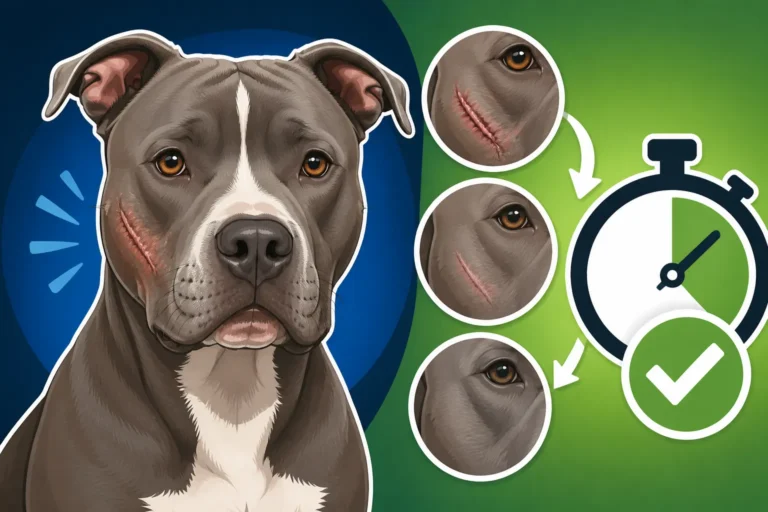
Once clean, carefully inspect each paw, including between the toes and pads. Look for any redness, swelling, cuts, punctures, foreign objects (like splinters or thorns), or discharge. If you find a visible foreign object that can be safely removed with tweezers, do so gently. For minor cuts or scrapes, a thin layer of a dog-safe antibiotic ointment or an anti-inflammatory spray (ask your vet or local pet store for recommendations if you don't have one) can offer relief. Avoid human products unless specifically advised by your vet, as many can be toxic or irritating to dogs.
Consider a protective barrier. If the chewing is focused on a specific paw, an Elizabethan collar (the "cone of shame") or a soft recovery cone can prevent them from reaching the area, giving it a chance to heal and stopping the immediate cycle of irritation. While unpopular with dogs, it's often a necessary short-term tool. For generalized paw chewing, dog booties or socks can also offer a physical barrier, though some Pit Bulls are quite adept at removing them. Just ensure they are breathable and don't cause further irritation or restrict circulation.
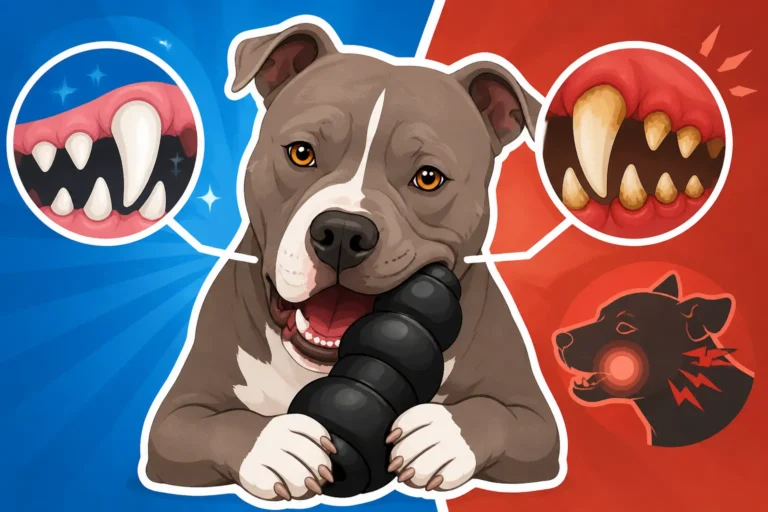
Cold compresses can sometimes provide temporary relief for inflamed paws. A towel dampened with cool water, or a cold pack wrapped in a cloth, can be applied to the affected paw for 5-10 minutes. This can help reduce swelling and soothe the itch. Distraction is also a powerful tool. Offer a long-lasting, safe chew toy or puzzle feeder to redirect their attention away from their paws. A frozen Kong filled with peanut butter (xylitol-free!) or plain yogurt can keep them happily occupied for a while, especially when the urge to chew strikes at night.
Environmental Adjustments for Immediate Impact
Making simple changes to your Pit Bull's environment can significantly reduce their exposure to irritants and allergens, providing some immediate relief. Start by thinking about what their paws come into contact with most frequently.
After outdoor adventures, especially walks in grassy or dusty areas, make it a habit to wipe down your Pit Bull’s paws with a damp cloth or a paw wipe. This helps remove pollen, dirt, and other allergens before they can cause irritation. Some owners even give a quick rinse of just the paws in a shallow basin of water after walks. This is a simple yet effective strategy, especially if you suspect environmental allergies. Consider rinsing pollen off a Pit Bull after walks as part of your routine.
Keep your home clean. Regularly vacuuming and dusting, especially if you have carpets or rugs, can minimize indoor allergens like dust mites. Wash your Pit Bull's bedding frequently in hot water with a hypoallergenic, unscented detergent. If you use chemical cleaners on your floors, ensure they are pet-safe and that the floors are completely dry before your Pit Bull walks on them.
If your Pit Bull typically sleeps in a crate or on a bed that gets little air circulation, consider changing it up. Ensure their sleeping area is clean, cool, and dry. Sometimes, simply moving their bed to a different spot or replacing it with a fresh, clean blanket can make a difference. For dogs that seem to chew more when left alone or under-stimulated, increase their daily exercise and mental enrichment. A tired Pit Bull is often a less anxious and less bored Pit Bull. More playtime, longer walks, puzzle toys, and training sessions can help redirect their energy.
If you suspect food allergies, take note of any recent diet changes or new treats. While a full food trial requires veterinary guidance, eliminating obvious potential culprits can sometimes provide insight. It's crucial not to make drastic dietary changes without professional advice, as unbalanced diets can cause other health problems.
Partnering with Your Veterinarian for a Lasting Solution
While at-home remedies can offer temporary relief, consistent nighttime paw chewing warrants a thorough veterinary investigation. This isn't just about stopping the chewing, but about identifying and treating the underlying cause to ensure your Pit Bull's long-term health and comfort.
The Diagnostic Journey: Finding the Root Cause
When you take your Pit Bull to the vet for paw chewing, be prepared to provide a detailed history. Your vet will want to know when the chewing started, if it's seasonal, what you've tried, any other symptoms (like scratching, ear infections, gastrointestinal upset), their diet, and their parasite prevention routine. This information is invaluable in narrowing down the possibilities.
The vet will then perform a comprehensive physical examination, paying close attention to your Pit Bull's paws, skin, and ears. They will look for redness, swelling, hair loss, scabs, crusts, foreign bodies, and signs of infection. Often, the first diagnostic step involves skin scrapings to look for mites (like Demodex or Sarcoptes) and cytology (examining skin cells under a microscope) to identify bacterial or yeast infections. They might also pull a few hairs or do a fungal culture to rule out ringworm. These tests are relatively quick and can provide immediate answers regarding parasites and secondary infections. If an infection is present, your vet will likely prescribe antibiotics or antifungals, often alongside a medicated shampoo.
If allergies are suspected, the diagnostic journey can become a bit more involved. For food allergies, an "elimination diet trial" is the gold standard. This involves feeding your Pit Bull a novel protein and carbohydrate source (something they've never eaten before) or a hydrolyzed protein diet for a strict 8-12 weeks. During this time, absolutely no other treats, flavored medications, or human food can be given. This can be challenging but is often the only way to definitively diagnose a food allergy. You might want to learn more about an eight week food trial on an itchy Pit Bull if this sounds like what your vet recommends.
For environmental allergies, intradermal allergy testing (skin testing) or serum allergy testing (blood test) can identify specific allergens your Pit Bull reacts to. While these tests can be helpful, it's important to note that a positive result doesn't always mean that allergen is causing all the symptoms, and a negative result doesn't completely rule out an allergy. However, they are crucial for developing immunotherapy treatments. If you're concerned about the costs associated with these tests and treatments, knowing that you have pet insurance like Healthy Paws can provide significant peace of mind, as they often cover diagnostics and specialty treatments for chronic conditions.
If pain or discomfort is suspected, especially if your Pit Bull is limping or showing signs of stiffness, your vet might recommend X-rays of the paws or legs to check for fractures, arthritis, or other orthopedic issues. This is especially relevant in older or very active Pit Bulls who might be experiencing subtle lameness.
Comprehensive Treatment Plans and Ongoing Management
Once the root cause is identified, your veterinarian will develop a tailored treatment plan. This might be a single approach or a multi-modal strategy, especially for chronic conditions like allergies.
For allergies, management is often long-term. This can include medications such as antihistamines, corticosteroids (for short-term severe flares), or newer targeted therapies like Apoquel or Cytopoint. Apoquel is an oral medication that specifically targets the itch pathway, while Cytopoint is an injectable antibody that blocks the itch signal for 4-8 weeks. Both can provide dramatic relief for allergic itching. Your vet may discuss Apoquel and Cytopoint for an itchy Pit Bull as viable long-term options.
Immunotherapy, also known as allergy shots or drops, is another excellent long-term solution for environmental allergies. Based on your Pit Bull's allergy test results, a custom vaccine is formulated to desensitize them to the specific allergens. This approach aims to modify their immune response over time, reducing their allergic reactions. It requires commitment but can significantly improve quality of life and reduce reliance on other medications. While the initial investment can be high, knowing you have a comprehensive pet insurance plan like Healthy Paws can help manage these ongoing costs, which can become quite substantial over a Pit Bull's lifespan.
For infections, antibiotics or antifungals will be prescribed, often for several weeks, to clear the secondary bacterial or yeast overgrowth. It's crucial to complete the entire course of medication, even if your Pit Bull's paws look better sooner, to prevent recurrence and antibiotic resistance. Medicated shampoos and topical treatments are often used in conjunction with oral medications.
If behavioral issues like anxiety or compulsivity are a primary factor, your vet might recommend behavioral modification techniques, increased exercise and mental enrichment, or even anti-anxiety medications in severe cases. Consulting with a certified professional dog trainer or veterinary behaviorist can be incredibly beneficial in these situations. They can help you implement strategies to reduce stress and redirect compulsive behaviors.
For pain, non-steroidal anti-inflammatory drugs (NSAIDs) or other pain relievers might be prescribed. Joint supplements containing glucosamine and chondroitin can also support joint health, especially for Pit Bulls with early arthritis. Physical therapy or laser therapy might also be options for certain injuries or chronic pain conditions. The goal is to make your Pit Bull as comfortable as possible to eliminate the pain-driven chewing.
Preventing Future Nighttime Paw Chewing
Once you've addressed the immediate issue and started a treatment plan with your vet, the focus shifts to preventing future episodes of nighttime paw chewing. This involves consistent proactive care and understanding your Pit Bull's unique needs.
Proactive Skin and Paw Care
Regular grooming and paw maintenance are essential for Pit Bulls, especially those prone to skin issues. Make it a routine to check your Pit Bull's paws daily, especially after outdoor activities. Look for any cuts, scrapes, foreign objects, or early signs of redness or irritation. Being proactive can help you catch problems before they escalate into frantic nighttime chewing.
Keep the hair between their paw pads trimmed short. This prevents matting, reduces the area where allergens and debris can accumulate, and allows for better air circulation, which helps prevent yeast and bacterial overgrowth. Many owners find it helpful to wipe Pit Bull paws after grass to remove pollen and other irritants.
Consider using paw balms or moisturizers if your Pit Bull's paw pads are dry, cracked, or rough. Products designed for canine paws can help maintain the integrity of the skin barrier, making them less susceptible to irritation. However, always ensure the balm is dog-safe and won't exacerbate any underlying skin conditions.
For Pit Bulls with known environmental allergies, maintaining a consistent bathing schedule with a veterinarian-recommended shampoo can be a game-changer. Therapeutic shampoos can help wash away allergens, soothe irritated skin, and treat secondary infections. Your vet might suggest specialized oatmeal or medicated shampoos, with specific instructions on how long to leave the lather on for maximum benefit. This kind of regular care is often covered by pet insurance like Healthy Paws when prescribed by a vet.
Addressing Underlying Health and Behavioral Needs
Consistency in your Pit Bull's diet is key, especially if food sensitivities have been identified. Stick to the prescribed limited ingredient or hydrolyzed diet, and be vigilant about avoiding hidden allergens in treats, supplements, or even flavored toys. Remember, even a tiny amount of an offending ingredient can trigger a reaction. Regularly reviewing your Pit Bull's diet with your vet can ensure it remains balanced and appropriate for their needs. Many owners considering dietary changes for itching also look into limited ingredient diets for an itchy Pit Bull.
Ensure your Pit Bull receives adequate physical exercise and mental stimulation daily. Pit Bulls are powerful, intelligent dogs that thrive on activity. Daily walks, playtime in a secure yard, puzzle toys, and training sessions can burn off excess energy and prevent boredom-driven behaviors. A dog that is physically and mentally satisfied is less likely to resort to self-soothing behaviors like paw chewing, particularly during quiet times.
Manage stress and anxiety in your Pit Bull's life. If you've identified specific triggers for their anxiety, work to minimize exposure or help your dog cope. This could involve creating a safe, quiet space for them during thunderstorms, using calming pheromone diffusers, or discussing anti-anxiety supplements or medications with your vet. A calm environment contributes significantly to reducing stress-related chewing.
Finally, maintain regular veterinary check-ups. Even if your Pit Bull's paw chewing is under control, routine visits allow your vet to monitor their overall health, address any emerging issues promptly, and adjust long-term management plans as needed. This proactive approach ensures that any new causes of discomfort or itching are caught early, preventing those frustrating, sleep-disrupting nights of paw chewing.
Disclaimer
This article is intended for informational purposes only and does not constitute veterinary advice. Always consult with a qualified veterinarian for any health concerns or before making any decisions about your pet's health or treatment.