Ear Cleaner That Suits an Allergic Pit Bull
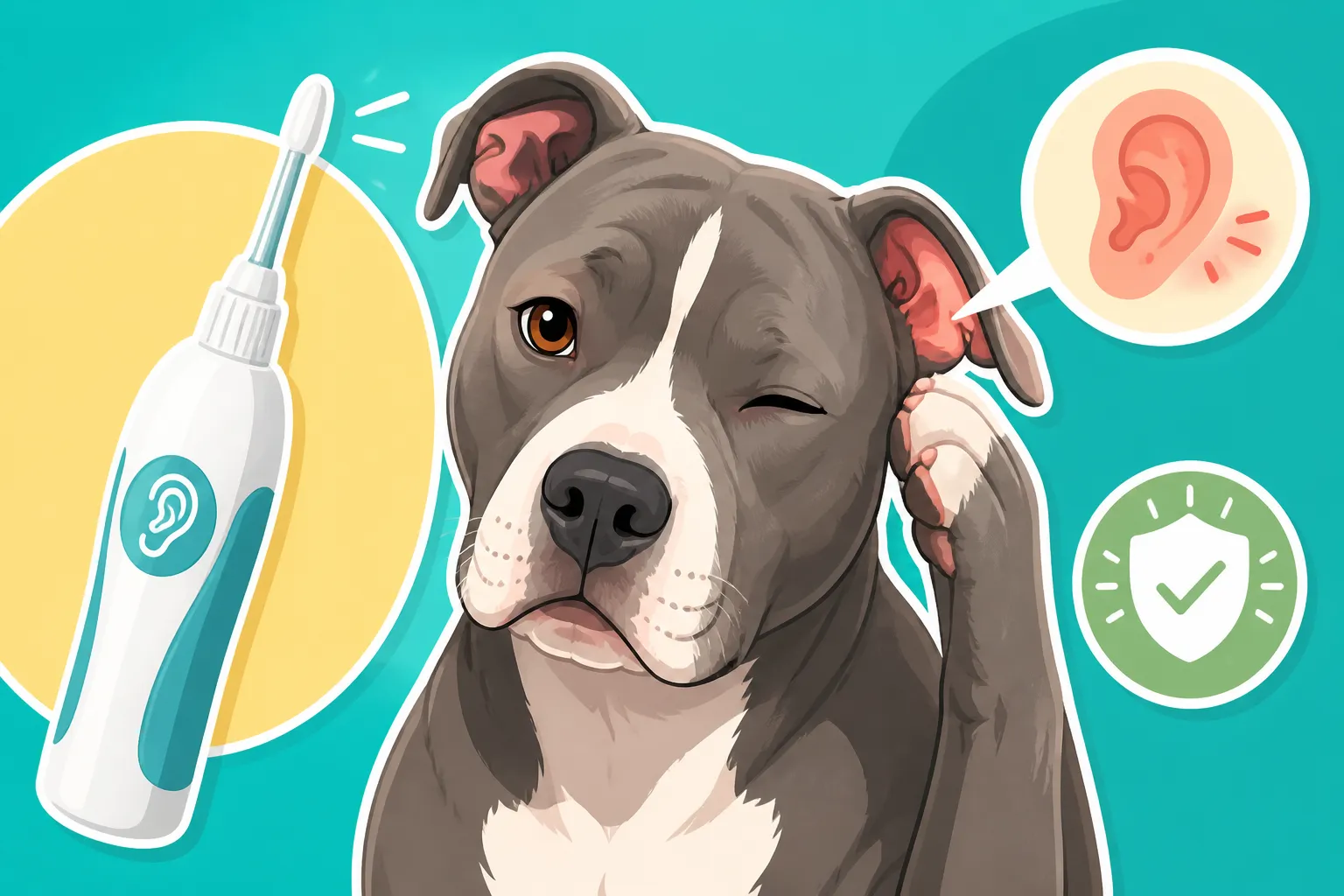
There's nothing quite as disheartening as seeing your beloved Pit Bull shake their head, scratch at their ears, or rub them against the furniture, knowing that another ear infection might be brewing. For Pit Bull owners, especially those with dogs prone to allergies, the search for an effective, gentle ear cleaner can feel like an endless and often frustrating journey. This guide is here to help you navigate the myriad of options and understand what truly works to keep your allergic Pit Bull's ears healthy and comfortable, moving beyond quick fixes to a sustainable care routine.
The Vicious Cycle: Why Allergic Pit Bull Ears are Prone to Trouble
It’s easy to blame a dirty ear or a splash during bath time for recurring ear infections, but for many Pit Bulls, the story starts much deeper. Their allergies create a perfect storm within the ear canal, setting the stage for discomfort and persistent issues. Understanding this underlying cause is the first step toward effective management.
Allergies as the Underlying Instigator
For many Pit Bulls, ear infections aren't just an isolated problem; they're often a direct symptom of underlying allergies. These can be environmental allergies, often called atopy, triggered by things like pollen, dust mites, or molds, or they can be food sensitivities. When your Pit Bull's immune system reacts to these allergens, one of the primary ways it manifests is through inflammation of the skin, and the lining of the ear canal is essentially specialized skin. This inflammation makes the ear canal warm, itchy, and swollen, creating an ideal breeding ground for opportunistic infections. It’s a classic pattern that many owners of allergic dogs recognize. You might find yourself saying, "My dog just finished an ear infection, and now it's back again!" because the root cause, the allergy itself, hasn't been fully addressed. For a deeper dive into the broader allergy picture, check out Pit Bull Skin Allergies and the Atopy Pattern or even Food Allergies Behind Pit Bull Itching for dietary considerations.
Pit Bull Ear Anatomy: A Perfect Trap
Beyond the allergic predisposition, the very structure of a dog’s ear contributes to its vulnerability. Unlike our straight ear canals, a dog's ear canal takes an "L" shape, with a vertical canal leading down to a horizontal one before reaching the eardrum. This anatomical design, combined with a relatively narrow opening and dense hair in some dogs, makes it incredibly efficient at trapping moisture, debris, and exudates. When the ear canal is already inflamed from allergies, this "trap" becomes even more effective, preventing natural drainage and airflow. The warm, moist, dark environment then becomes a paradise for yeast and bacteria, leading to the familiar pungent odor and discharge that signal an active infection. This anatomical reality means that even with the best intentions, simply rinsing the visible part of the ear won't cut it for deep cleaning.
The Cascade of Secondary Infections
When the allergic inflammation sets in and the ear's natural defenses are compromised, it’s not long before secondary invaders take hold. The two most common culprits are yeast, particularly Malassezia pachydermatis, and various types of bacteria. These organisms are often present in small numbers in a healthy ear but proliferate rapidly in an inflamed, moist environment. Yeast infections typically produce a dark, waxy discharge with a sweet, yeasty smell, while bacterial infections can range from foul-smelling pus to crusty buildup. This is why a simple cleaner won't solve the problem if a full-blown infection is present. The symptoms can be excruciating for your Pit Bull – constant itching, pain when the ear is touched, head shaking, and sometimes even a drooping ear or balance issues. The cycle of inflammation leading to infection, which then fuels more inflammation, is frustratingly common, leading to situations where owners feel like their Pit Bull has Pit Bull Ear Infections Every Few Months.
Decoding Ear Cleaner Ingredients: What Works and What Doesn't
Choosing an ear cleaner isn't just about grabbing the first bottle you see. It's about understanding the ingredients and what role they play in addressing the specific challenges of an allergic, infection-prone ear.
Essential Ingredients for Allergic Ears
For Pit Bulls battling recurrent ear issues due to allergies, specific ingredients are often your best allies. Salicylic acid, for example, is a keratolytic agent, meaning it helps break down excess wax and dead skin cells, allowing other medications to penetrate more effectively. Boric acid is another popular choice, known for its antiseptic and drying properties, which are crucial for combating the moisture that yeast and bacteria love. Chlorhexidine is a potent antibacterial agent, excellent for tackling bacterial overgrowth, while antifungal ingredients like ketoconazole or miconazole target yeast infections. Some cleaners also include soothing agents like aloe vera or ceramides, which help to repair the damaged skin barrier and reduce irritation. When you’re looking on sites like Chewy or Amazon for a cleaner, you'll often see these ingredients highlighted on products formulated for sensitive or infected ears.
When to Use Antiseptic vs. Gentle Flush
It’s important to distinguish between cleaners designed for active infection and those for routine maintenance. An antiseptic cleaner, containing ingredients like chlorhexidine or strong antifungals, is typically used when there's an active yeast or bacterial infection confirmed by a vet. These are powerful and effective, but generally not meant for daily, long-term use in a healthy ear. On the other hand, a gentle flushing solution might contain mild drying agents like witch hazel or buffered acids, or simply saline, and is ideal for routine cleaning to remove debris and prevent buildup in a healthy or recovering ear. Overuse of strong antiseptics when not needed can disrupt the ear's natural microbiome and even cause irritation. Your veterinarian will guide you on when to switch from a therapeutic cleaner to a maintenance one as the ear heals.
Ingredients to Approach with Caution
Just as some ingredients are beneficial, others can be detrimental, especially in an already irritated or allergic ear. Alcohol, while effective as a drying agent, can be incredibly irritating and painful on inflamed skin. Imagine putting alcohol on a rash – it stings! The same goes for your Pit Bull's delicate ear canal. Hydrogen peroxide can also be irritating and, if used incorrectly, can damage delicate ear tissues or even push debris further into the ear. Strong fragrances, while pleasant to our noses, can be major irritants and allergens for sensitive dogs. Many dogs react poorly to artificial scents, which can exacerbate the very inflammation you're trying to resolve. Always check the ingredient list and err on the side of caution with hypoallergenic, fragrance-free options when dealing with an allergic Pit Bull.
Selecting the Best Ear Cleaner for Your Pit Bull's Specific Needs
With so many options on the market, choosing the right ear cleaner can feel overwhelming. The key is to make an informed decision based on your Pit Bull's unique situation, always starting with professional advice.
The Non-Negotiable Vet Visit
I cannot stress this enough: before you start any new ear cleaning regimen, especially if your Pit Bull is showing signs of discomfort or discharge, a trip to the veterinarian is absolutely non-negotiable. Why? Because the type of infection dictates the treatment. Your vet will perform an otoscopic exam to look inside the ear canal and usually take a swab for cytology. This simple test allows them to see under a microscope whether your Pit Bull has a yeast infection, a bacterial infection (and what type of bacteria), or even ear mites, which require entirely different approaches. Without this diagnosis, you're essentially throwing darts in the dark, potentially using an antifungal cleaner on a bacterial infection, or vice versa, which is not only ineffective but can worsen the problem or lead to antibiotic resistance. If your Pit Bull seems to get Pit Bull Ear Infections Every Few Months, your vet can also help identify if allergies are the underlying cause.
Tailoring the Cleaner to the Problem
Once your vet has given you a diagnosis, you can then tailor your ear cleaner choice. If cytology reveals a yeast infection, you'll need an antifungal cleaner containing ingredients like ketoconazole or miconazole. For bacterial infections, a cleaner with chlorhexidine or another antibacterial agent will be recommended. If the ear is primarily inflamed but not heavily infected, a soothing, pH-balanced cleaner with drying properties like boric or salicylic acid might be prescribed to reduce moisture and inflammation. Many trusted brands, often available on Chewy or Amazon, offer specialized formulas for these different conditions. For instance, a cleaner specifically formulated to combat Malassezia yeast will be far more effective than a generic maintenance flush when your dog is battling an active yeast overgrowth.
Considering pH Balance and Soothing Properties
For Pit Bulls with chronic allergies, the pH balance of the ear canal is particularly important. A healthy ear has a slightly acidic pH, which helps deter the growth of pathogens. Some ear cleaners are formulated to help restore this natural acidic environment. Furthermore, when selecting a cleaner, especially for long-term use, prioritize options that explicitly state they are gentle, hypoallergenic, and soothing. Ingredients like aloe vera, oat extract, or ceramides can help calm irritated skin, reduce itching, and support the ear canal's natural barrier function. This can make a huge difference in your Pit Bull's comfort and willingness to cooperate with ear cleanings. Products that are free of harsh chemicals and fragrances are always a safer bet for sensitive, allergic ears.
Implementing an Effective Ear Care Routine for Long-Term Comfort
Knowing which cleaner to use is only half the battle; knowing how to use it correctly and consistently is just as vital for the long-term health and comfort of your allergic Pit Bull.
The Right Technique for a Thorough Clean
Proper ear cleaning technique is crucial, especially for an ear canal prone to issues. First, gently lift your Pit Bull's ear flap. Hold the bottle of cleaner and fill the ear canal completely, until you see the liquid pooling at the entrance. Don't be shy – you need enough liquid to flush thoroughly. Then, gently massage the base of the ear for about 30 seconds. You should hear a squishing sound, indicating the cleaner is working its way deep into the canal. After massaging, let your Pit Bull shake their head vigorously – this is essential for dislodging debris and bringing it to the surface. Finally, use a soft cotton ball or gauze (never cotton swabs, which can push debris further in) to wipe away any visible liquid, wax, and debris from the outer ear and the folds of the ear flap. For a visual guide and more detailed tips, you might find Cleaning a Pit Bull Ear Properly really helpful.
Consistency is Key
For an allergic Pit Bull, ear cleaning isn't a one-and-done event; it's an ongoing part of their care routine. The frequency will depend on the severity of their allergies and how prone they are to infections. During an active infection, your vet might recommend cleaning once or twice daily. For maintenance in an allergic but currently healthy ear, cleaning once or twice a week might be sufficient to prevent buildup and keep inflammation at bay. It's about finding a rhythm that works for you and your dog. Consistent monitoring is also important; get into the habit of gently sniffing and peeking into your Pit Bull’s ears a few times a week. Catching early signs of redness or odor can help you intervene before a full-blown infection takes hold, potentially saving your Pit Bull from a lot of discomfort.
Holistic Allergy Management
While choosing the right ear cleaner and using it effectively is a cornerstone of ear health for an allergic Pit Bull, it's crucial to remember that it's just one piece of a larger puzzle: holistic allergy management. Ear infections are often a symptom, not the primary problem. Addressing the underlying allergies through diet, environmental controls, and potentially medication is vital for long-term success. This might involve working with your vet on a novel protein or hydrolyzed diet, perhaps even exploring fresh food options like those offered by Ollie if dietary allergies are suspected. Environmental allergy management might include frequent bathing with medicated shampoos, wiping paws after outdoor excursions, and reducing dust mites indoors. Medications like Apoquel or Cytopoint can significantly reduce systemic allergic responses, thereby calming the ear inflammation that starts the cycle. For more on managing systemic itch, refer to Apoquel and Cytopoint for an Itchy Pit Bull. By integrating a targeted ear care routine with broader allergy management, you can give your Pit Bull the best chance at comfortable, healthy ears.
Disclaimer
This article is for general informational purposes only and does not constitute professional advice. Laws, prices and regulations vary by location and change over time. Consult a qualified professional for guidance on your specific situation.