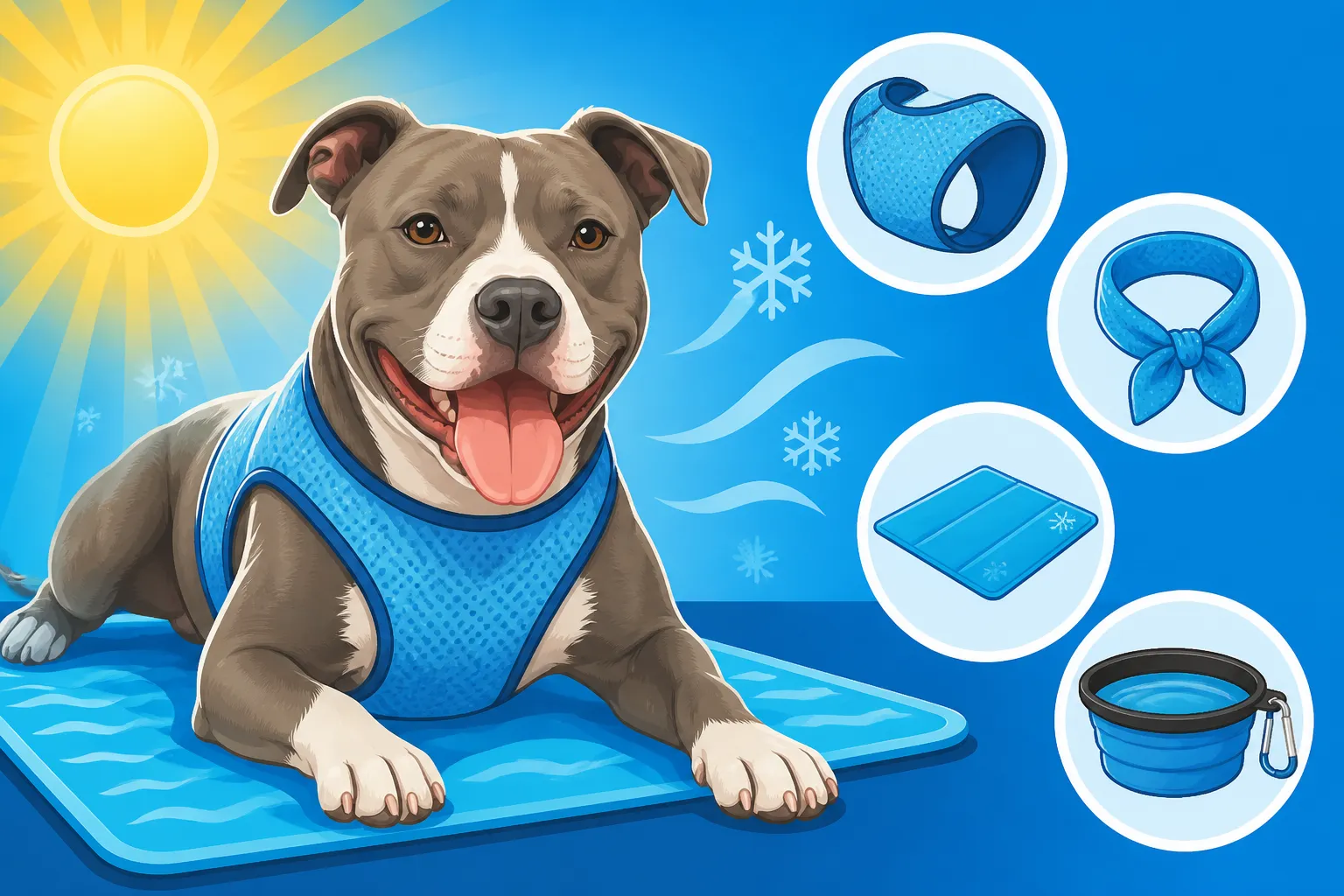
Cooling Gear for a Short-Coated Pit Bull
The summer months or even just a warm afternoon can quickly turn from an enjoyable outdoor adventure into a serious health risk for our beloved Pit Bulls. While their short coats might seem like an advantage against the heat, their muscular build and boundless energy often mean they generate and retain a lot of body heat, making them susceptible to overheating faster than many owners realize. This guide will walk you through understanding why short-coated Pit Bulls need extra help staying cool and explore a range of effective cooling gear and strategies to keep them safe and comfortable, even when the mercury rises.
Understanding Why Your Short-Coated Pit Bull Overheats
It's a common misconception that a short-haired dog is automatically more resistant to heat. While thick, dense coats can certainly trap heat, the reality for a powerfully built dog like a Pit Bull is more complex. Their unique physiology makes them surprisingly vulnerable when temperatures climb.
The Pit Bull's Natural Build and Heat Retention
Think about your Pit Bull's athletic frame. They're typically dense, muscular, and carry a substantial amount of body mass. This dense musculature generates a lot of heat during activity, and unlike thinner-bodied dogs, they have less surface area relative to their volume to efficiently dissipate that heat through their skin. Dogs primarily cool themselves by panting, which involves exchanging warm air from their lungs with cooler ambient air, and through limited sweating via their paw pads. A short coat offers little insulation against the sun's rays and doesn't magically make them more efficient at cooling internally. In fact, a dark-colored short coat can absorb a surprising amount of solar radiation, essentially turning them into a little heat-absorbing sponge if they're out in direct sunlight.
This combination of an active metabolism, dense musculature, and limited efficient cooling mechanisms means that even a short-coated Pit Bull can reach dangerously high body temperatures remarkably quickly. It's not about the hair length as much as it is about the entire physical package working against them in hot conditions. For more on this, you might find Heat Tolerance in a Short-Coated Pit Bull insightful.
Identifying Heat Stress Early
Recognizing the signs of overheating is crucial, even when you're using cooling gear. Gear is a tool to prevent overheating, but it's not a foolproof shield if conditions are extreme or your dog is overexerted. Early signs can be subtle. Your Pit Bull might start panting excessively, much heavier and faster than usual, even at rest. Their tongue might appear wider and darker red, and their gums might become bright red. They might seem a bit uncoordinated or lethargic, perhaps stumbling slightly or showing less interest in their surroundings.
As heat stress progresses, these signs become more severe: staggering, drooling heavily, vomiting, diarrhea, or even collapsing. These are emergency signals that require immediate veterinary attention. Prevention is always the best course of action, which is where effective cooling gear comes into play. Knowing how to recognize these indicators is vital, as discussed in Spotting Heat Trouble in a Working Pit Bull.
Essential Cooling Gear for Your Pit Bull
Thankfully, the market offers a fantastic array of products designed to help dogs beat the heat. Knowing which ones are most effective for a strong, active dog like a Pit Bull can make all the difference.
Cooling Vests and Coats
These are often the first line of defense for active dogs in warm weather. Cooling vests work in a few different ways, but generally, they aim to mimic or enhance the body's natural cooling processes.
- Evaporative Cooling Vests: These vests are designed to be soaked in cold water, wrung out, and then placed on your dog. As the water evaporates from the vest's fabric, it draws heat away from your Pit Bull's body, providing a continuous cooling effect. They're excellent for walks, hikes, or even just hanging out in the yard. They can be incredibly effective, but you do need access to water to re-wet them periodically. Look for durable options that can stand up to a Pit Bull's activity level. Many brands are available on platforms like Chewy and Amazon, offering various sizes to fit a broad chest.
- Phase-Change Cooling Vests: These vests contain special packs that absorb heat as they change from a solid to a liquid state. They don't rely on evaporation and stay cool for longer periods without needing to be re-wet. The downside is that the packs often need to be pre-chilled in a freezer or refrigerator, and they typically offer a fixed cooling duration before needing to be re-frozen. They can be a bit bulkier but provide consistent, dry cooling.
When choosing a vest, ensure it fits snugly but doesn't restrict movement or breathing. A vest that's too loose won't make adequate contact with the body to transfer heat efficiently.
Cooling Mats and Beds
These are perfect for helping your Pit Bull cool down when resting, whether indoors, on a patio, or in the shade outside. They provide a cool surface for your dog to lie on, helping to draw heat away from their belly and paws.
- Gel-Filled Cooling Mats: These mats contain a non-toxic gel that activates under pressure, absorbing and dissipating body heat. They don't require water or electricity, making them incredibly convenient. They cool themselves down once your dog moves off them, ready for the next use. Just be sure to choose a sturdy, chew-resistant mat, as a curious Pit Bull could potentially puncture a less durable option. You'll find a vast selection on Amazon, often with reviews from other large dog owners.
- Water-Filled Cooling Beds: Some beds feature a reservoir you fill with water, offering a larger, consistently cool surface. These can be heavier and less portable but provide significant cooling power, especially if you can add ice to the water.
These mats are a godsend for dogs who tend to sprawl out on cool tile floors or concrete. They provide that same sensation of relief anywhere.
Cooling Bandanas and Collars
For targeted cooling, bandanas and collars are simple yet effective tools.
- Evaporative Cooling Bandanas: Similar to vests, these bandanas are soaked in water and then tied around your Pit Bull's neck. The evaporation cools the blood flowing through the large arteries in the neck, helping to cool the entire body. They're lightweight, inexpensive, and easy to re-wet.
- Gel or Ice Pack Collars: Some collars feature pockets for small gel packs or even small ice cubes, providing direct, focused cold therapy to the neck area. These are often used in conjunction with other cooling methods for an extra boost. They are particularly useful for shorter stints outside or in a car without air conditioning.
These smaller items are great for quick relief and can be easily thrown into a bag for outings.
Paw Protection
Don't forget those paws! Hot pavement, asphalt, and even sand can reach scorching temperatures, causing painful burns and raising your Pit Bull's core body temperature.
- Protective Dog Boots: Durable dog boots offer a barrier between your Pit Bull's paw pads and hot surfaces. They come in various styles, from lightweight mesh for summer use to more robust options for rough terrain. Getting your Pit Bull used to wearing boots might take some patience and positive reinforcement, but it's well worth the effort for their safety. Many high-quality boots are available through retailers like Chewy, with sizing guides to help you find the right fit for their strong paws. Protecting their paws is paramount, as discussed in Pit Bull Paw Pad Injuries on Hard Ground.
Choosing and Using Cooling Gear Effectively
Simply owning cooling gear isn't enough; you need to choose the right items and integrate them properly into your Pit Bull's routine to maximize their effectiveness.
Sizing and Fit are Crucial
For any piece of gear, especially vests or boots, proper fit is paramount. A cooling vest that's too large won't make enough contact with your Pit Bull's body to be effective, and one that's too tight can restrict breathing or movement, causing discomfort and even more stress. For a Pit Bull's broad chest and powerful build, you often need to pay close attention to girth measurements, not just back length. Always measure your dog carefully according to the manufacturer's instructions, and don't hesitate to consult size charts or customer reviews, especially on platforms like Amazon where other Pit Bull owners might have left specific feedback. Boots also need to fit well – too loose, and they'll slip off; too tight, and they'll chafe.
Integrating Gear into Your Routine
Think about your daily life and your Pit Bull's activity levels.
- For walks and outdoor exercise: A cooling vest and paw protection boots are indispensable. Put them on 10-15 minutes before heading out to give them time to start working. If using an evaporative vest, re-wet it as needed during longer excursions.
- For resting or travel: A cooling mat is ideal in their crate, under a shaded tree, or in the back of the car. It provides a cool spot even when stationary.
- For quick relief: A cooling bandana or collar can be easily applied if your dog just needs a quick cool-down after a short potty break or a few minutes of play in the yard.
It's about having the right tool for the right situation. Don't rely on one piece of gear to do it all.
Maintenance and Care
To ensure your cooling gear lasts and remains hygienic, follow the manufacturer's cleaning instructions.
- Vests and Bandanas: Most evaporative vests and bandanas are machine washable. Wash them regularly to prevent mildew and dirt buildup, which can reduce their effectiveness and irritate your Pit Bull's skin.
- Cooling Mats: Wipe down gel mats with a damp cloth. If a water-filled mat has a removable cover, wash that. If not, drain and clean the interior regularly to prevent algae or bacterial growth.
- Boots: Clean boots after each use to remove dirt and debris. Check for any signs of wear or damage.
Proper maintenance not only extends the life of the gear but also ensures it's always ready to provide maximum cooling benefit when your Pit Bull needs it most.
| Cooling Gear Type | Primary Use | Pros | Cons |
|---|---|---|---|
| Cooling Vests | Active outdoor use, prolonged cooling | Efficient whole-body cooling, allows movement | May need re-wetting (evaporative), bulkier (phase-change) |
| Cooling Mats/Beds | Resting, indoor/shaded areas, travel | Convenient, no water/power needed (gel), constant cool surface | Can be chewed (gel), less portable (water-filled) |
| Cooling Bandanas | Quick relief, targeted neck cooling | Lightweight, portable, inexpensive | Limited overall body cooling, needs re-wetting |
| Protective Dog Boots | Hot pavement, rough terrain | Prevents paw burns, offers traction | Dogs may resist wearing them, can be tricky to size |
Beyond the Gear: Holistic Heat Management
While cooling gear is a fantastic aid, it's just one part of a comprehensive strategy to protect your short-coated Pit Bull from the dangers of heat. Your approach to their daily routine needs to shift significantly during warmer months.
Timing Exercise Wisely
This is perhaps the most critical adjustment you can make. During summer, those mid-day walks or afternoon playtime sessions are out. Even with the best cooling gear, direct sunlight and high ambient temperatures can quickly overwhelm your Pit Bull's ability to cool itself. Schedule all walks, training sessions, and strenuous play for the coolest parts of the day: early mornings, right as the sun comes up, and late evenings, well after it has set. The ground also needs time to cool down, so waiting until after dark can be crucial for paw safety. Whether to Walk a Pit Bull Above Eighty Degrees is an excellent resource for deciding when it's just too hot.
If you have a particularly active Pit Bull who thrives on a good run or heavy play, consider adjusting their exercise regimen. Focus on mental enrichment indoors during the hottest hours, or explore water-based activities like swimming if safe and accessible. Always remember that even mild exercise on a hot day can be dangerous for a powerful dog like a Pit Bull. The Daily Exercise a Pit Bull Actually Needs still applies, but the when changes drastically.
Hydration and Water Access
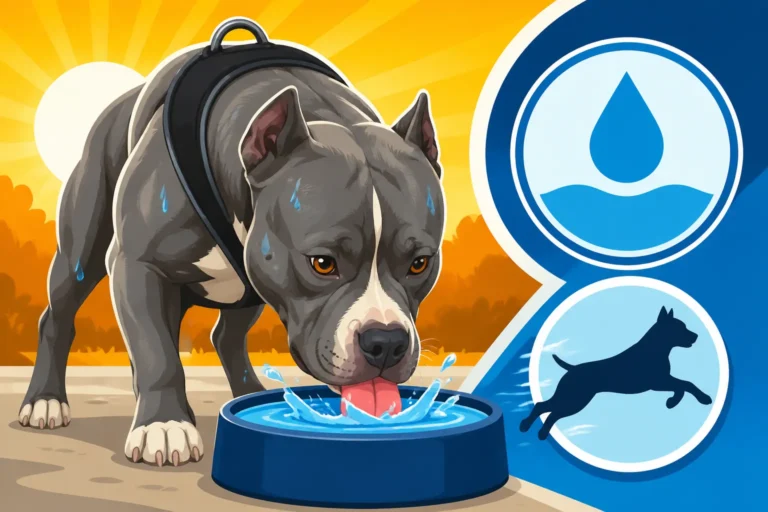
Keeping your Pit Bull well-hydrated is fundamental to heat management. Dehydration significantly impairs their ability to regulate body temperature.
- Constant Fresh Water: Always ensure your Pit Bull has access to fresh, cool water, both indoors and out. Change the water frequently, especially if it gets warm.
- Multiple Water Bowls: Place water bowls in various locations around your home and yard to encourage more frequent drinking.
- Portable Water: When you go out for walks or adventures, always carry a portable water bottle and bowl specifically for your dog. A collapsible silicone bowl that clips to your leash or backpack is super convenient. You can find these easily on Chewy or Amazon.
- Ice Cubes: Many Pit Bulls love to crunch on ice cubes, which can be a fun way to increase their water intake and provide some internal cooling. You can even freeze low-sodium broth into ice cubes for a tasty treat.
- Hydrating Foods: Consider incorporating some moisture-rich foods into their diet. Certain brands of fresh dog food, like Ollie, contain higher moisture content than dry kibble, which can contribute to overall hydration.
Adequate water intake is not just about quenching thirst; it's a vital part of their thermoregulation system. Don't underestimate the importance of Pit Bull Water Intake After Hard Exercise.
Seeking Shade and Indoors
Providing adequate shade and access to cooler indoor environments is non-negotiable.
- Shade is Your Friend: If your Pit Bull spends any time outdoors, ensure there's always ample shade available – from trees, awnings, or shade cloths. Remember that the sun moves, so what was shady in the morning might be exposed by afternoon.
- Indoor Retreats: Your home should be a cool sanctuary. Utilize air conditioning, fans, or simply keep windows closed and blinds drawn during the hottest parts of the day to keep indoor temperatures comfortable.
- Cool Surfaces: Many Pit Bulls instinctively seek out cool tiles or concrete. A cooling mat can provide a similar benefit in any location.
- No Hot Cars: Never, ever leave your Pit Bull in a parked car, even for "just a minute" with the windows cracked. Temperatures inside a vehicle can rise to deadly levels incredibly quickly, even on moderately warm days. This is a life-threatening mistake.
By combining smart scheduling, diligent hydration, environmental control, and the thoughtful use of cooling gear, you can help your muscular, short-coated Pit Bull enjoy the warmer months safely and comfortably. Being proactive and understanding their unique needs is the key to preventing heat-related emergencies. Remember, a Pit Bull with a history of Pit Bull Skin Allergies and the Atopy Pattern or other health issues may be even more sensitive to heat and require extra caution.
Disclaimer
This article is for general informational purposes only and does not constitute professional advice. Laws, prices and regulations vary by location and change over time. Consult a qualified professional for guidance on your specific situation.