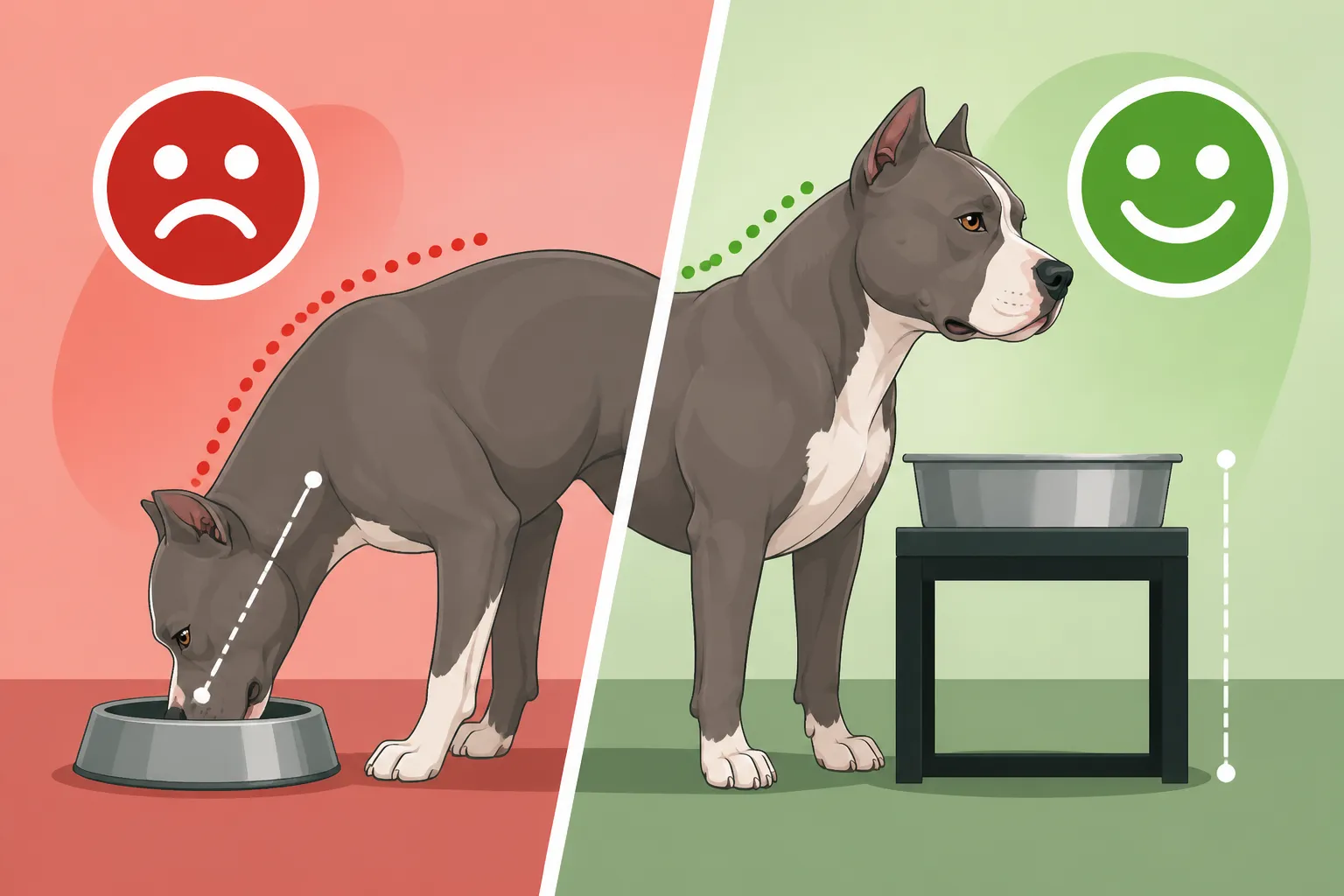
Bowl Height for a Broad Chested Pit Bull
It's a common sight for us Pit Bull owners: watching our muscular, broad-chested companions try to get comfortable while eating or drinking. They hunch, they splay, they sometimes even do a little dog yoga to reach their food, and you can't help but wonder if it's really the best position for them. This guide will dive deep into the specific considerations for a broad-chested Pit Bull, helping you understand whether an elevated food bowl is right for your dog and how to choose the perfect setup for their comfort and health.
Understanding Your Broad-Chested Pit Bull's Unique Needs
Our Pit Bulls are magnificent, powerful dogs, and their unique physical build brings with it specific considerations, especially around daily activities like eating and drinking. When we think about their health and comfort, posture during meal times is often overlooked, but it can play a surprisingly significant role.
The Anatomy of a Broad Chest and Deep Body
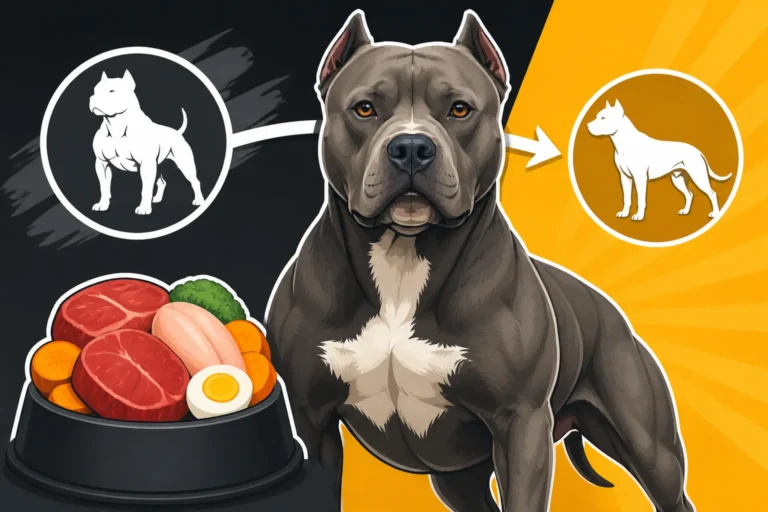
A hallmark of many Pit Bull types, like the American Pit Bull Terrier or the American Staffordshire Terrier, is their deep chest and powerfully muscled front end. This impressive build contributes to their athletic prowess, but it also means they have a specific way of holding themselves. Imagine trying to eat your dinner from the floor if your chest and shoulders were significantly broader and deeper than your waist. You'd have to hunch over quite a bit, straining your neck, shoulders, and even your back.
For a Pit Bull, especially a larger male, this means bending down to a floor-level bowl can put pressure on their neck and spine. Over time, for some dogs, this constant downward motion can exacerbate or even contribute to neck stiffness or discomfort, particularly as they age. Think about an older dog with Arthritis in a Pit Bull at Seven – asking them to continually bend deeply could be genuinely painful. They might compensate by splaying their front legs out or taking an awkward stance, which isn't ideal for their joint health. The goal is to make mealtime a relaxed, comfortable experience, not a contortionist act.
Addressing Bloat Concerns: The Science and the Controversy
When the topic of elevated food bowls comes up, especially for deep-chested breeds, the discussion inevitably turns to Gastric Dilatation-Volvulus (GDV), more commonly known as bloat. Bloat is a terrifying, life-threatening condition where the stomach fills with gas and can then twist, cutting off blood supply. Breeds with deep chests, like many Pit Bulls, are statistically at a higher risk. This is why understanding Why a Pit Bull Chest Raises Bloat Risk is so critical for owners.
For a long time, it was widely believed that elevated bowls reduced the risk of bloat by allowing dogs to eat more slowly or ingest less air. However, more recent research has challenged this assumption, with some studies actually suggesting a correlation between elevated bowls and an increased risk of bloat in large, deep-chested breeds. This is where it gets confusing for us owners! It's important to understand that correlation doesn't necessarily mean causation, and the exact mechanisms of bloat are still being studied. Factors like genetics, eating speed, stress, diet, and exercise around meal times also play significant roles. My advice? Don't let the bloat debate be the sole factor in your decision. Instead, consider it as one piece of a larger puzzle, alongside your individual dog's comfort and specific health needs. Always consult your veterinarian for the most current advice and to discuss your Pit Bull's unique risk factors. If you're concerned about bloat, you might also want to read up on Recognizing Bloat in a Deep-Chested Pit Bull so you know what signs to look for.
Benefits and Drawbacks of Elevated Feeding for Pit Bulls
Deciding whether to use an elevated feeder isn't a one-size-fits-all situation for our Pit Bulls. There are genuine upsides for some dogs, but also potential downsides that every owner should be aware of.
When Elevated Bowls Make a Difference for Comfort
For many Pit Bulls, particularly those with certain health conditions or older dogs, an elevated bowl can be a real game-changer for daily comfort.
- Senior Pit Bulls with Arthritis or Joint Issues: As our beloved Pit Bulls age, they can develop conditions like arthritis. Bending down to the floor can become genuinely painful, stiffening their neck and back joints. An elevated feeder allows them to maintain a more natural, upright posture while eating, significantly reducing strain on their neck, shoulders, and hips. If your Pit Bull is starting to slow down, or you're managing their Joint Support for a Heavily Muscled Pit Bull, an elevated feeder could provide much-needed relief. You might notice them eating more comfortably and even finishing their meals more readily.
- Dogs with Megaesophagus: This is a condition where the esophagus doesn't properly move food down to the stomach. For dogs with megaesophagus, eating in an upright, vertical position is crucial to allow gravity to assist food passage. While relatively rare, if your Pit Bull is diagnosed with this, an elevated feeder is not just a comfort, but a medical necessity. Your vet would guide you on the specific height and feeding technique required.
- Post-Surgery Recovery: If your Pit Bull has recently undergone surgery, especially involving their neck, back, or front legs, an elevated feeder can help minimize movement and strain during their recovery period. It’s one less physical stressor they need to contend with as they heal. Always follow your vet's specific instructions for post-operative care, but this is a common recommendation for improving comfort.
- Improved Digestion (for some): While the bloat correlation is complex, for some individual dogs, an elevated bowl might genuinely help them eat in a more relaxed manner, potentially leading to better digestion. If your dog gulps food down rapidly from the floor and tends to regurgitate, slowing them down might be beneficial. However, speed-eating bowls can also be used in conjunction with elevated feeders to tackle this.
Potential Downsides to Consider
It's equally important to look at the potential negatives, so you can make an informed decision for your unique Pit Bull.
- Bloat Risk (Revisited): As discussed, some studies suggest a higher incidence of bloat in large, deep-chested breeds when using elevated bowls. While the science isn't definitively settled and individual factors vary greatly, it’s a concern that shouldn’t be dismissed. If your Pit Bull has other risk factors for bloat, or if you're particularly worried, discussing this specific concern with your vet is paramount. You might also look into whether Whether a Gastropexy Is Worth It for a Pit Bull could be an option if bloat is a major concern.
- Eating Speed: Some dogs, if not properly positioned or if the bowl is too high, might actually eat faster from an elevated position, potentially ingesting more air. This could, paradoxically, increase bloat risk for some individuals. Observing your Pit Bull's eating habits closely is key. If they seem to be gulping, even with an elevated bowl, consider pairing it with a slow-feeder insert. You can find many options on sites like Chewy or Amazon that fit into standard bowls.
- Resource Guarding: For some dogs, having their food bowl elevated can make them feel more vulnerable or territorial, especially if other pets or children are nearby. This isn't common for all dogs, but it's something to watch for. If your Pit Bull shows any signs of resource guarding, such as growling or stiffening when approached while eating, you might want to rethink the setup or work with a professional trainer.
- Cleanliness and Stability: An elevated feeder, especially a lightweight one, can be tipped over by an enthusiastic Pit Bull, creating a mess. They are powerful dogs! Look for heavy-duty, stable designs that won't easily budge. Similarly, cleaning around an elevated feeder can sometimes be more cumbersome than a simple floor mat, especially if food particles drop to the stand.
Choosing the Right Elevated Bowl Setup for Your Pit Bull
Once you've weighed the pros and cons and decided an elevated feeder might be beneficial for your Pit Bull, the next step is finding the perfect one. This isn't just about aesthetics; it's about comfort, safety, and practicality.
Measuring for the Perfect Height
This is arguably the most crucial step. A bowl that's too low defeats the purpose of elevation, and one that's too high can be just as uncomfortable, if not more so, than eating from the floor.
Here’s how to get the measurement right:
- Have your Pit Bull stand naturally: Make sure they are on a level surface, standing squarely, not stretching or slouching.
- Measure to their elbow: Take a measuring tape and measure from the floor up to the top of your Pit Bull's front leg at the elbow joint. This provides a good baseline for a comfortable eating height, allowing them to look down into the bowl slightly without craning their neck.
- Aim for the sweet spot: The ideal height is usually about 4-6 inches below the top of their shoulder, or roughly at chest height, allowing for a slight downward angle to the bowl. You want them to be able to eat with their neck in a relatively neutral, relaxed position. For a typical adult Pit Bull, this often falls in the range of 8-12 inches, but every dog is different!
- Test with a temporary setup: Before committing to a feeder, try placing your dog's regular bowl on some sturdy books or blocks at different heights. Observe your Pit Bull as they eat. Do they seem comfortable? Is their posture relaxed? Are they still gulping or straining? This trial-and-error approach will give you the best real-world feedback.
Remember, the goal is comfort. If your dog is getting older and suffering from Caring for a Pit Bull That Has Slowed Down, or dealing with Pit Bull Obesity and Joint Strain, even a slight adjustment can make a world of difference.
Material and Stability Matters
Pit Bulls are strong, and anything less than a sturdy feeder won't last. When shopping for elevated bowls, keep these factors in mind:
- Materials:
- Stainless Steel Bowls: These are generally the best option for the bowls themselves. They are hygienic, easy to clean, and durable. Many elevated feeders come with removable stainless steel bowls that can be tossed in the dishwasher.
- Stand Materials: You'll find stands made from wood, plastic, or metal.
- Wood: Often aesthetically pleasing and can be quite stable, but ensure it's water-resistant or treated to prevent warping from spills.
- Plastic: Can be lighter and less expensive, but choose heavy-duty, non-slip plastic. Flimsy plastic will not withstand a Pit Bull. Look for options with rubberized feet for extra grip.
- Metal (e.g., wrought iron): Extremely durable and heavy, offering excellent stability. These are often a great choice for powerful chewers or energetic eaters.
- Adjustability: Adjustable height feeders are fantastic because they allow you to fine-tune the height as your Pit Bull grows or as their needs change. This is particularly useful for growing puppies or if you have multiple dogs of different sizes. Many brands available through Amazon or Chewy offer excellent adjustable options.
- Stability: This cannot be stressed enough. A wobbly or lightweight feeder is an accident waiting to happen. Look for a wide base, sturdy construction, and non-slip feet. Your Pit Bull should not be able to push it around or tip it over easily.
Practical Tips for Introducing an Elevated Feeder
Once you've chosen your elevated feeder, introducing it to your Pit Bull requires a little thought.
- Gradual Transition: Don't just swap out their old bowl one day. Some dogs can be wary of new things. Place the elevated feeder near their old bowl for a day or two, letting them investigate it. Then, put a small portion of their food in the elevated bowl, offering the rest in their familiar spot. Gradually increase the amount in the new bowl over several days.
- Positive Reinforcement: Make the new bowl a positive experience. Offer praise and perhaps a favorite treat when they approach or use it. If they seem hesitant, don't force it. They'll come around when they're comfortable.
- Placement Matters: Place the feeder in a quiet, low-traffic area where your Pit Bull feels secure and undisturbed during meals. This minimizes any potential for resource guarding or stress.
- Cleaning Routine: Regular cleaning is essential. Wash the bowls daily and wipe down the stand as needed to keep things hygienic.
- Consider a Mat: Even with an elevated bowl, Pit Bulls can be enthusiastic eaters! A durable, easy-to-clean silicone mat underneath the feeder can catch spills and crumbs, making cleanup much easier.
Choosing the right elevated bowl can genuinely enhance your Pit Bull's mealtime experience, offering comfort and potentially supporting their long-term joint health. Pay attention to your individual dog's needs and always prioritize their well-being. This is just one small way we can make their lives a little bit better, one comfortable meal at a time. For their overall nutrition, ensure you are still keeping an eye on their weight and food intake, especially if you are managing Senior Pit Bull Food After Ten or Feeding a Muscular Fifty Pound Pit Bull.
Here's a quick comparison of common elevated feeder types:
| Feeder Type | Pros | Cons | Ideal For |
|---|---|---|---|
| Adjustable Stand | Grows with puppy, customizable for different dogs/needs, usually sturdy | Can sometimes be less stable than fixed if not well-designed, adjustments can loosen over time | Growing Pit Bull puppies, multi-dog households, specific medical needs |
| Fixed Height Stand | Very stable, durable, often aesthetically pleasing | Cannot adjust if needs change, must measure precisely at time of purchase | Adult Pit Bulls with stable health/size, minimalist owners, specific height requirement |
| Wall-Mounted | Extremely stable, floor space saving, height perfectly set | Requires drilling into wall, not easily movable, fixed height | Permanent feeding stations, small spaces, ensuring absolute stability |
| Travel Elevated | Portable, lightweight, often collapsible | Less stable, typically plastic construction, not for everyday heavy-duty use | On-the-go meals, camping, short trips, temporary solutions |
Disclaimer
This article is for general informational purposes only and does not constitute professional advice. Laws, prices and regulations vary by location and change over time. Consult a qualified professional for guidance on your specific situation.