Pit Bull Paws on Salted Sidewalks
Winter in many places means beautiful snowy landscapes, but for us Pit Bull parents, it also brings the constant worry about what our dogs are walking on. Seeing your muscular, happy Pit Bull suddenly lift a paw, limp, or start frantically licking their feet after a simple sidewalk stroll is truly heartbreaking. Those innocent walks around the block can become a painful gauntlet for their tough but sensitive paws. This guide is here to walk you through exactly why salted sidewalks pose such a threat to your Pit Bull's paws and, more importantly, what you can do to protect them, heal them, and ensure their winter walks remain happy and healthy.
Understanding the Threat: Why Salted Sidewalks Hurt Pit Bull Paws
It's easy to think "it's just salt," but the reality on our winter sidewalks is far more complex and damaging to our dogs' paws than most of us realize. The substances used to melt ice and provide traction are a nasty cocktail that can cause everything from minor irritation to severe chemical burns. Understanding what your Pit Bull is stepping on is the first step in effective protection.
The Chemical Cocktail on Winter Surfaces
When you see those white crystals scattered across the pavement, you're not just looking at table salt. While sodium chloride (common rock salt) is a major culprit, many de-icing products contain a mix of chemicals. Calcium chloride and magnesium chloride are also frequently used because they melt ice at lower temperatures. These chemicals are highly hygroscopic, meaning they draw moisture away from surfaces, and that includes your Pit Bull's paw pads. They effectively dry out the skin, making it brittle and prone to cracking.
Beyond the chemical composition, these de-icers often come mixed with other abrasives like sand, gravel, or even small sharp stones. While these are meant to provide traction for us humans, for a dog, they act like tiny shards grinding into the already compromised skin of their paw pads. Imagine walking barefoot on a rough, chemical-laden surface – that's often what your Pit Bull experiences. It's a double whammy of corrosive chemicals and physical abrasion that rapidly takes its toll.
The Immediate and Long-Term Damage
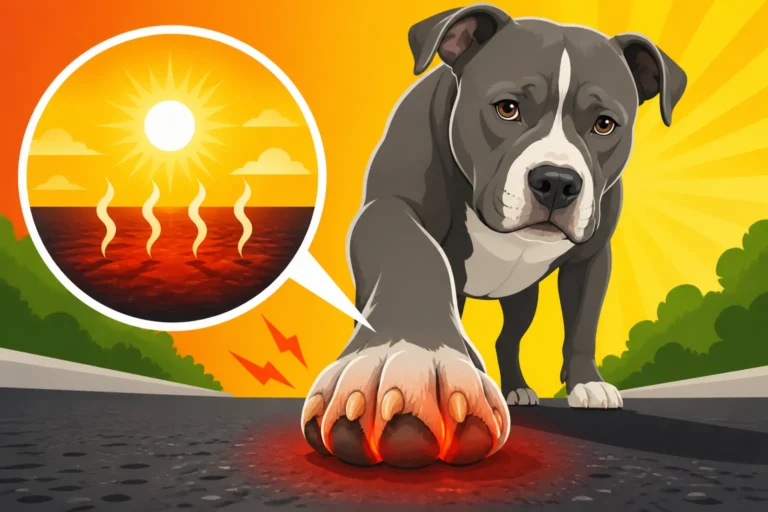
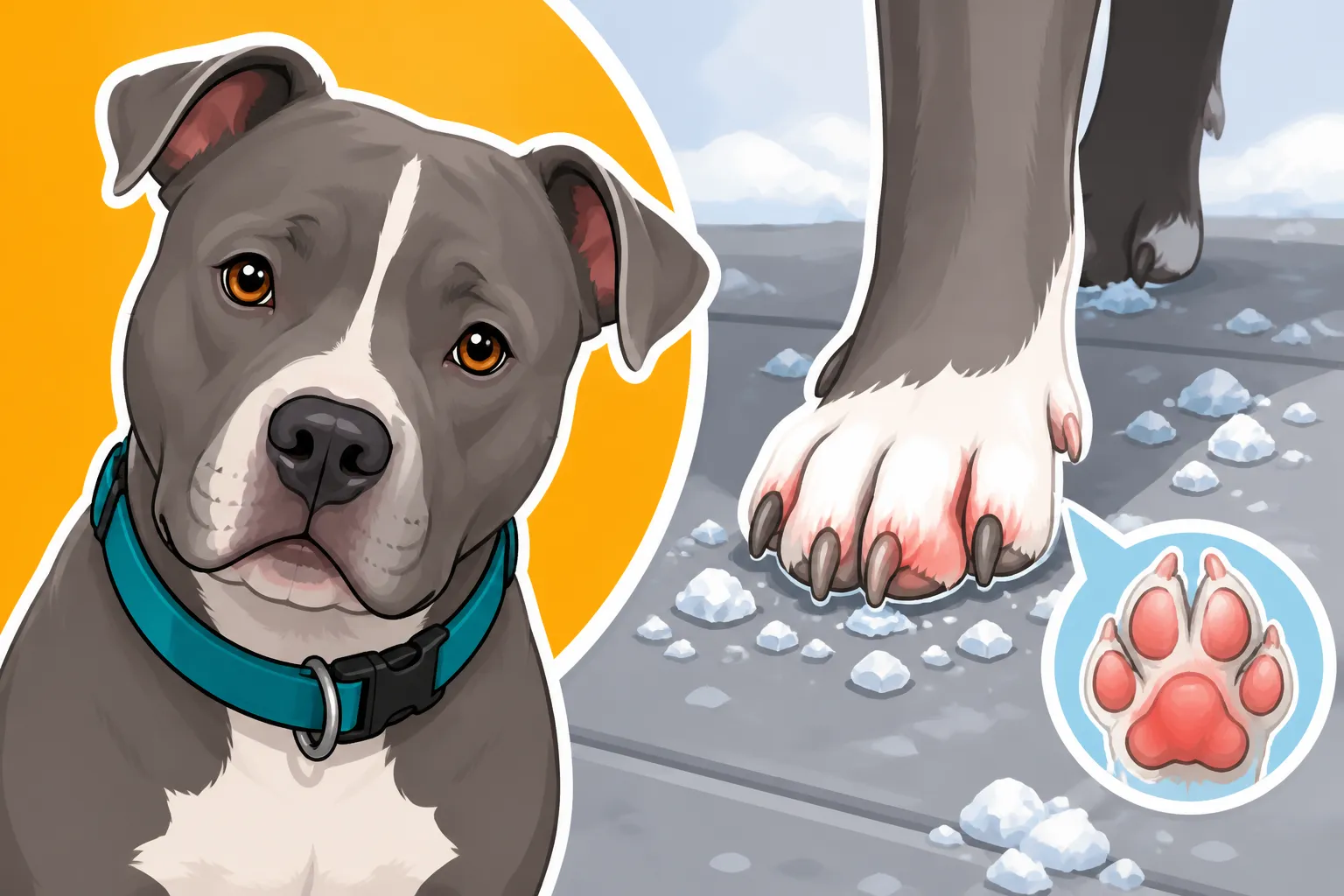
The immediate effect of walking on salted sidewalks is often pain. The chemicals can cause a burning sensation, especially if there are any existing cracks or cuts on the paw pads. You might notice your Pit Bull limping, dancing on their paws, or outright refusing to walk. This acute discomfort is a clear sign that their paws are being irritated. Some dogs will also start licking or chewing their paws furiously the moment they get inside, trying to relieve the stinging sensation or remove the residue. This licking can lead to its own set of problems, as they might ingest the harmful chemicals.
If left unaddressed, the repeated exposure to these harsh substances can lead to more serious, long-term issues. The constant drying and irritation can cause the paw pads to become excessively dry, cracked, and even bleed. Deep cracks are not only painful but also create open pathways for bacteria and other pathogens to enter, leading to secondary infections. These infections can be stubborn to treat and cause significant discomfort, sometimes mimicking other issues like Pit Bull Paw Licking and Chewing or general skin irritation. It’s a vicious cycle that can severely impact your Pit Bull's comfort and mobility throughout the colder months.
Proactive Protection: Shielding Your Pit Bull's Paws
Prevention is always better than cure, especially when it comes to something as vital as your Pit Bull's paws. Luckily, there are several effective ways to create a protective barrier between those sensitive pads and the harsh winter ground. Thinking ahead and integrating these strategies into your routine can make a world of difference for your dog's comfort.
The Power of Paw Balms and Waxes
One of the simplest yet most effective ways to protect your Pit Bull's paws is by using a high-quality paw balm or wax. These products create a protective layer over the paw pads, acting as a barrier against salt, chemicals, ice, and cold. Think of it like a moisturizer and a shield all in one. Many formulations contain natural ingredients like beeswax, shea butter, and various oils that not only repel moisture and chemicals but also help to moisturize and condition the pads, preventing dryness and cracking.
Applying paw balm should become a regular part of your winter routine. Before each walk, generously rub the balm into your Pit Bull's paw pads, making sure to get in between the toes where ice and salt can accumulate. After a walk and cleaning, it’s a good idea to reapply it to help soothe and rehydrate the skin. You can find excellent options on platforms like Amazon or dedicated pet supply sites like Chewy, often with natural, pet-safe ingredients. Look for products specifically designed for paw protection in harsh weather. Consistent application will significantly reduce irritation and keep those pads supple.
Boots and Paw Protectors: Are They Right for Your Pit Bull?
For the ultimate protection, especially if you live in an area with heavy salting or extreme cold, dog boots or paw protectors are invaluable. These provide a complete physical barrier against all winter elements, from harsh chemicals to sharp ice shards. However, getting a Pit Bull to happily wear boots can be an adventure in itself! The key is proper fit and gradual introduction. Boots that are too tight can cut off circulation, while boots that are too loose can fall off or cause tripping. You want something secure but comfortable, allowing for natural paw movement.
Introducing boots should be a positive experience. Start by putting them on for very short periods indoors, paired with high-value treats and praise. Slowly extend the duration, then try short walks outside. Don't be surprised if your Pit Bull does the "moonwalk" or tries to shake them off initially; it's a new sensation! There are many types of boots available, from lightweight rubber ones to more durable fabric options with strong closures. Some Pit Bull owners find that a more rugged boot designed for hiking or all-weather use holds up better to their dog's powerful stride and enthusiastic movements. Consider consulting reviews from other Pit Bull owners when making your choice.
Post-Walk Care: Healing and Cleaning Pit Bull Paws
Even with proactive measures, some residue can still reach your Pit Bull's paws, or they might step in a particularly harsh patch. That's why diligent post-walk care is absolutely crucial. This isn't just about comfort; it's about preventing serious skin issues and ensuring your dog's long-term paw health.
The Immediate Rinse and Wipe Down
The moment you step back inside after a winter walk, your Pit Bull's paws need immediate attention. The goal is to remove all traces of salt, de-icing chemicals, and any abrasive particles before your dog has a chance to lick them off or for them to cause further irritation. A simple, effective method is to have a dedicated paw-cleaning station near your door. This might be a shallow basin of warm water, a damp cloth, or even a specialized paw washer.
Thoroughness is key. Don't just wipe the tops of their paws; gently separate their toes and clean in between the pads. Pay attention to the nail beds, as salt and ice can accumulate there. The warmth of the water will also feel soothing to their cold, potentially irritated paws. Many Pit Bulls are tolerant of paw handling, especially if you've done some training a Pit Bull to tolerate ear cleaning or general grooming practice. After rinsing, gently pat their paws dry with a soft towel. Wet paws, especially between the toes, can be a breeding ground for yeast or bacteria, so drying completely is important.
Moisturizing and Checking for Damage
Once their paws are clean and dry, it's time for inspection and rehydration. Take a few moments to carefully examine each paw. Look for any redness, swelling, cracks, cuts, or foreign objects that might have become lodged between their pads. Even small pebbles or ice chunks can cause discomfort. If you spot anything concerning, like deep cracks or signs of infection (pus, foul odor, persistent limping), it's always best to consult your veterinarian. They can recommend appropriate treatment, which might include specific medicated creams or oral antibiotics if an infection has set in.
After your inspection, apply a soothing paw moisturizer or balm. This will replenish any moisture lost to the harsh chemicals and help keep the paw pads soft and resilient. Products containing ingredients like vitamin E, aloe vera, or lanolin can be very beneficial. Regular moisturizing, perhaps a few times a week during winter, even if you don't go for long walks, can prevent dryness before it starts. Consider adding omega oils to your Pit Bull's diet, as internal supplementation can also contribute to overall skin and coat health, helping their paws from the inside out. Omega Oils for Pit Bull Skin and Coat are often recommended for a variety of skin conditions.
Training and Management: Making Winter Walks Easier
Beyond physical barriers and post-walk care, thoughtful training and strategic management can significantly ease the burden of winter walks for you and your Pit Bull. These approaches focus on making the entire process less stressful and more cooperative, which is a win for everyone involved.
Teaching Your Pit Bull to Tolerate Paw Handling
One of the most valuable investments you can make for your Pit Bull's winter paw care, and indeed their lifelong grooming needs, is to teach them to comfortably tolerate paw handling. This isn't just about putting on boots or wiping them down; it's about being able to thoroughly inspect their paws for injuries, trim their nails, or apply medication without a struggle. Start by gently touching their paws for just a second or two, immediately followed by a high-value treat and praise. Gradually increase the duration and intensity, moving from light touches to gently holding a paw, separating toes, and even simulating boot application or nail clipping.
Consistency is key, and keep sessions short and positive. If your Pit Bull pulls away, don't force it; just reset and try again with a lighter touch. Over time, this desensitization will build trust and make all future paw-related tasks much easier. Imagine the relief of quickly checking for a hidden thorn or applying healing balm to a sore spot without a wrestling match. This foundation of positive association with handling will pay dividends throughout your Pit Bull's life, from routine grooming to emergency care. Many online retailers, including Ollie, offer high-quality, palatable treats that can be excellent motivators for such training.
Alternative Winter Exercise Strategies
Sometimes, despite all your best efforts, the sidewalks are just too brutal, or your Pit Bull simply won't tolerate boots. In these situations, it's essential to have alternative exercise strategies up your sleeve to keep your powerful and energetic Pit Bull happy and well-exercised. Pit Bulls need consistent activity to manage their energy and maintain their robust physique, so skipping walks entirely isn't ideal.
Consider shifting some of their exercise indoors. Games like fetch in a hallway, hide-and-seek with treats, or structured Indoor Trick Work for a Bored Pit Bull can burn mental and physical energy. Puzzle feeders and scent work are also fantastic ways to engage their minds. If outdoor exercise is still possible but salted sidewalks are the issue, seek out unsalted paths. Many local parks, walking trails, or even schoolyards might have areas that aren't heavily treated with de-icers. When venturing onto unpaved trails, remember that while they might be free of salt, they can still be very cold or have rough terrain that can cause Pit Bull Paw Pad Injuries on Hard Ground, so vigilance is still required. Shorter, more frequent walks on safe surfaces can sometimes be a better option than one long, painful trek.
Disclaimer
This article is for general informational purposes only and does not constitute professional advice. Laws, prices and regulations vary by location and change over time. Consult a qualified professional for guidance on your specific situation.