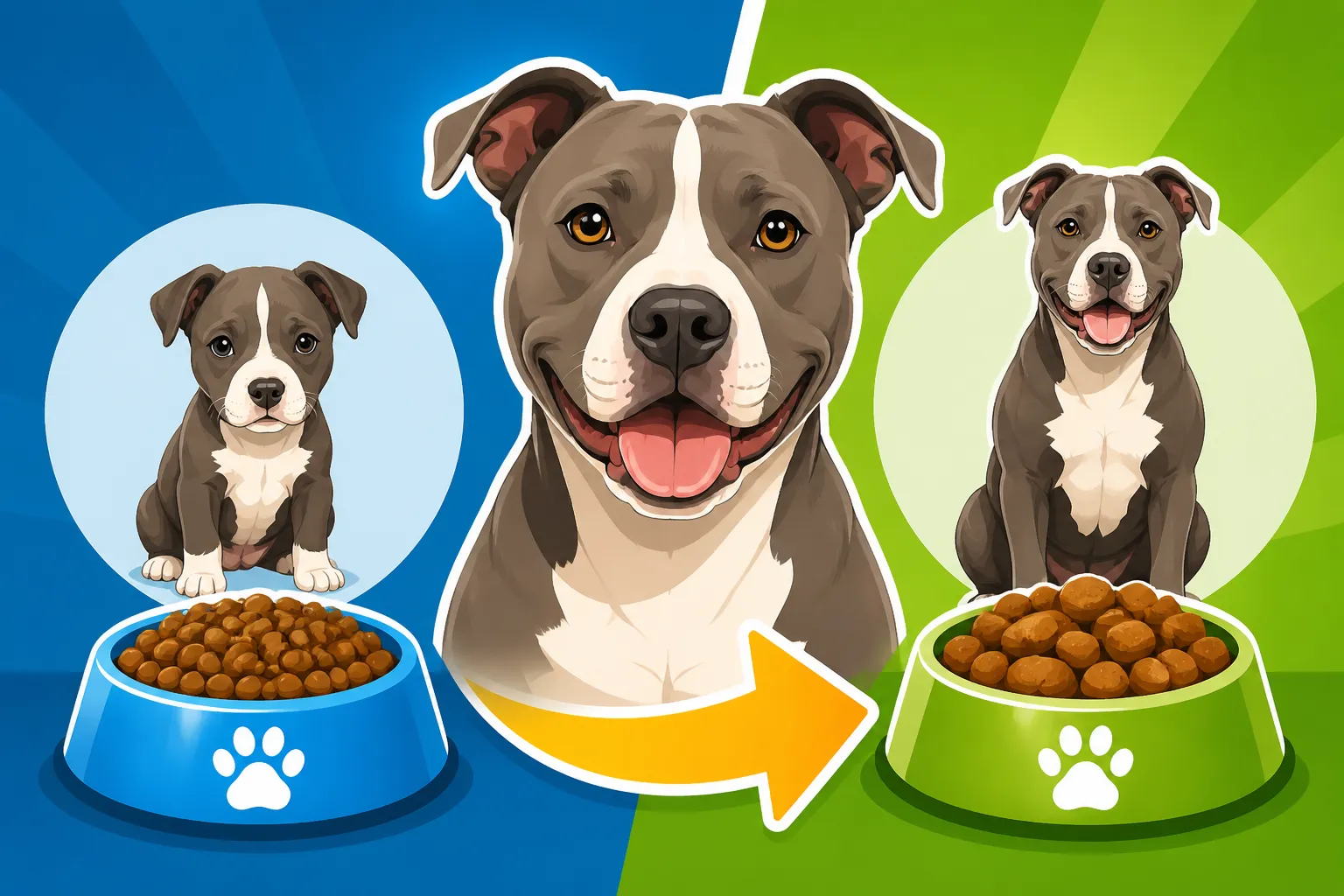
The Age a Pit Bull Switches to Adult Food
It can be surprisingly tricky to figure out exactly when your energetic, still-growing Pit Bull puppy is ready to make the switch from puppy food to adult formula. Many owners worry about cutting off vital nutrients too soon or, conversely, overfeeding their dog as they mature. This guide will walk you through the key indicators, age ranges, and best practices for transitioning your beloved Pit Bull to an adult diet smoothly and healthily.
Understanding Pit Bull Growth and Development Stages
Your Pit Bull isn't just a small version of an adult dog; they go through distinct physiological stages that influence their dietary needs. Pit Bulls, being muscular, medium-to-large breeds, have a specific growth curve that differs from smaller or giant breeds. It’s not just about getting bigger; it's about developing strong bones, dense muscle, and a robust immune system. Getting the timing right for their food transition is crucial for their long-term health and preventing common issues like orthopedic problems or obesity.
When Pit Bull Growth Plates Close
One of the most critical factors in determining when to switch to adult food is the closure of growth plates. These are areas of cartilage at the end of long bones where growth occurs. While the visible "puppy fat" might disappear much earlier, and they might look physically mature, the internal skeletal development, especially in a muscular breed like a Pit Bull, continues. Typically, growth plates in Pit Bulls can remain open until around 12 to 18 months of age, sometimes even a little later for larger individuals or those with significant muscle development. Feeding a high-calorie, high-calcium puppy food past the point of growth plate closure can actually contribute to faster, less controlled growth, potentially stressing developing joints and increasing the risk of conditions like hip or elbow dysplasia. This is why understanding The Age a Pit Bull Finishes Growing is so important, as it directly correlates with their nutritional needs.
During this adolescent phase, Pit Bulls often have bursts of energy and can seem almost perpetually hungry. It’s tempting to keep them on puppy food because it's higher in calories and fat, which seems to fuel their boundless activity. However, once growth plates have closed, that excess energy from puppy food often gets stored as fat, rather than being used for skeletal or muscle development, leading to unhealthy weight gain. It’s a delicate balance to strike between fueling their active lifestyle and preventing obesity.
Metabolic Changes as a Pit Bull Matures
Beyond the physical growth, a Pit Bull's metabolism also shifts as they transition from puppyhood to adulthood. Puppy food is formulated with higher levels of protein, fat, and calories to support rapid growth and development. Puppies are essentially little energy furnaces, burning through calories at an incredible rate just to grow. As they mature, their metabolic rate slows down, and their primary nutritional needs shift from rapid growth to maintenance and muscle mass development. If they remain on puppy food, their body will continue to take in more calories than it needs for maintenance, which can lead to weight gain. This is especially relevant for a breed like the Pit Bull, which needs to maintain a lean, athletic physique.
You might notice that around the one-year mark, your Pit Bull still has a lot of energy, but perhaps their growth spurts aren't as dramatic, and their body shape is starting to solidify. This is a good time to start paying closer attention to their body condition and considering the switch. Their digestive system also matures, becoming better equipped to handle a wider variety of ingredients found in adult formulas, often including more complex carbohydrates and fiber sources that aid in gut health. The transition isn't just about age, but about these underlying biological shifts.
Age Guidelines and Physical Cues for Switching
While there isn't a single, universal "golden rule" for when every Pit Bull should switch to adult food, there are general guidelines and physical cues that can help you make an informed decision. Most veterinary professionals and experienced breeders recommend transitioning Pit Bulls to adult food between 12 and 18 months of age. However, every dog is an individual, and looking at your specific dog's development is key.
Typical Age Range for Pit Bulls
For most Pit Bulls, the sweet spot for switching to adult food falls somewhere around their first birthday, often extending up to 18 months. Smaller, more compact Pit Bull types might be ready closer to 12 months, while larger, heavily muscled individuals might benefit from staying on a high-quality puppy food a little longer, until 15 or 18 months. The goal is to ensure their bones and joints have reached full maturity before reducing the caloric and nutrient density of their diet. Rushing the process could potentially impact their musculoskeletal development, while delaying it too long can lead to unnecessary weight gain.
Consider the general trajectory of your Pit Bull’s growth. Have their growth spurts become less frequent? Are they filling out more than they're getting taller? These are all signals that their body is nearing its adult form. It's always a great idea to have a conversation with your veterinarian about your specific dog's growth and development. They can assess your Pit Bull’s current body condition score and give you personalized advice based on their physical examination and knowledge of your dog's breed type and individual characteristics. Discussions around Pit Bull Weight and Muscle on a Working Frame often touch on this careful balance of nutrition during growth.
Reading Your Pit Bull's Body Condition
One of the most important factors, perhaps even more so than a strict age, is your Pit Bull's body condition. This refers to the amount of fat cover over their ribs, spine, and waist. As your Pit Bull approaches adulthood, you want to see a lean, athletic build. You should be able to easily feel their ribs without pressing hard, see a distinct waist when viewed from above, and a tuck-up when viewed from the side. If they're starting to look rounder, or you can no longer easily feel their ribs, it's a strong sign that the puppy food might be providing too many calories for their current stage of development. This is a common issue because puppy foods are calorie-dense.
Conversely, if your Pit Bull is still very lanky, growing, and seems to be struggling to keep weight on despite adequate puppy food portions, they might need a little more time on puppy formula, or a specific conversation with your vet to rule out other issues. A critical skill for any Pit Bull owner is Reading Pit Bull Body Condition Under Muscle, as their powerful musculature can sometimes mask excess fat. Regularly assess their weight and muscle development to ensure they are on the right track. This visual and tactile assessment, combined with their age, will give you the most accurate picture of when to transition their diet.
Making the Transition to Adult Food Smoothly
Once you've decided it's time to switch your Pit Bull to adult food, the next step is to do it gradually. A sudden change in diet can upset their digestive system, leading to stomach upset, vomiting, or diarrhea. Slow and steady wins the race when it comes to dietary transitions.
The Gradual Mixing Method
The best way to transition your Pit Bull's food is by slowly introducing the new adult formula over a period of 7 to 10 days. This allows your dog's digestive system to adapt to the new ingredients without becoming overwhelmed. Here's a general schedule:
- Days 1-2: Mix 75% old food with 25% new food.
- Days 3-4: Mix 50% old food with 50% new food.
- Days 5-6: Mix 25% old food with 75% new food.
- Days 7-10: Feed 100% new adult food.
During this period, keep a close eye on your Pit Bull's stool consistency, appetite, and energy levels. If you notice any signs of digestive upset (like loose stools or decreased appetite), slow down the transition. You can extend each stage for a few extra days until their system adjusts. Remember, patience is key. Finding a good source for different food brands, like Chewy, can make this process easier, as you can order both their current and new food without hassle.
Choosing the Right Adult Formula
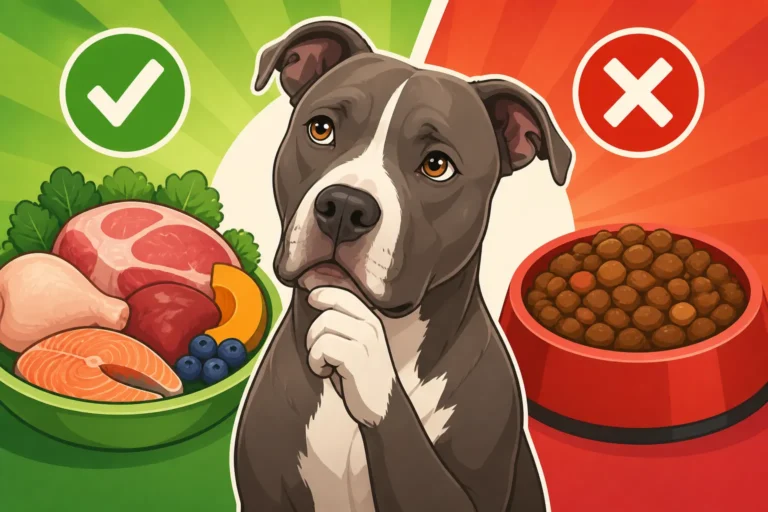
Selecting the right adult food for your Pit Bull is just as important as the timing of the switch. Look for a high-quality adult dog food that lists a named meat source (like chicken meal, beef, or lamb) as the first ingredient. Given the Pit Bull's athletic build, a formula with a good protein content is often beneficial for maintaining muscle mass. However, "high protein" doesn't necessarily mean an extremely high percentage; balance is what matters. You might explore brands that offer "active adult" or "performance" formulas, but always consider your individual dog's activity level. High Protein Food and a Working Pit Bull delves deeper into these considerations.
If your Pit Bull has any sensitivities, such as itchy skin or a tendency towards Pit Bull Skin Allergies and the Atopy Pattern, you might consider a limited ingredient diet (LID) or a novel protein source. Many adult formulas cater to these needs. For owners considering fresh food options, services like Ollie provide pre-portioned, human-grade meals that can be a great choice for adult Pit Bulls, often with clear ingredient lists. Always read the ingredient list carefully and ensure the food meets AAFCO (Association of American Feed Control Officials) nutritional standards for adult maintenance.
Common Pitfalls and Ongoing Nutritional Considerations
Making the switch is one thing, but maintaining optimal nutrition for your adult Pit Bull is an ongoing journey. There are a few common pitfalls to be aware of and continued considerations that will help your Pit Bull thrive.
Avoiding Overfeeding and Weight Gain
One of the biggest mistakes owners make after switching to adult food is continuing to feed the same volume they did with puppy food, or simply overestimating their dog's caloric needs. Adult foods, while less calorie-dense than puppy formulas, still provide ample energy. Pit Bulls have a powerful build, and it can be easy to misjudge their ideal weight. As mentioned before, Pit Bull Obesity and Joint Strain is a serious concern, putting extra stress on their joints, and contributing to other health problems.
Always follow the feeding guidelines on the food packaging as a starting point, but adjust based on your dog's activity level and body condition. It's often helpful to measure their food precisely, rather than eyeballing it. Using a kitchen scale for accuracy can make a huge difference in managing their weight effectively. If your Pit Bull is less active, they will need fewer calories than a highly active working dog. Regular weight checks at home and during vet visits are crucial.
Addressing Sensitivities and Special Needs
Some Pit Bulls, even after transitioning to adult food, may exhibit sensitivities or develop specific nutritional needs. Skin issues, like those discussed in Pit Bull Skin Fold and Belly Irritation or Food Allergies Behind Pit Bull Itching, can often be managed or exacerbated by diet. If you notice persistent itching, paw licking, ear infections, or digestive upset after the switch, it’s worth revisiting their diet.
You might need to explore different protein sources or carbohydrate options, or even consider prescription diets if recommended by your vet. Supplements, such as omega-3 fatty acids, can also play a role in supporting skin and coat health. Websites like Amazon offer a wide range of supplements and specialized foods that can address these specific needs, but always consult your vet before adding new supplements or making significant dietary changes. A veterinarian can help you conduct an elimination diet trial if food allergies are suspected, guiding you through the process of finding a suitable long-term diet.
Long-Term Monitoring and Adjustments
Your Pit Bull's nutritional needs aren't static once they reach adulthood. Their requirements will shift again as they age and their activity levels change. An active 3-year-old Pit Bull will have different caloric demands than a 9-year-old senior dog. Regular vet check-ups are essential for monitoring their overall health, body condition, and addressing any emerging concerns.
As your Pit Bull enters their senior years, typically around 7-8 years old, you might need to consider switching to a senior-specific formula, which often contains fewer calories, more fiber, and added joint support. This proactive approach to nutrition helps ensure your Pit Bull enjoys a long, healthy, and happy life by your side. Remember, feeding two measured meals a day is generally recommended for adult Pit Bulls to maintain stable energy levels and aid digestion.
Disclaimer
This article is for general informational purposes only and does not constitute professional advice. Laws, prices and regulations vary by location and change over time. Consult a qualified professional for guidance on your specific situation.