Softening Meals for an Old Pit Bull
It’s truly heartbreaking to watch your once enthusiastic, food-driven Pit Bull start to pick at their meals or walk away from a full bowl. As our beloved dogs age, their bodies change in ways that can make even the simple act of eating a challenge, and figuring out how to make mealtime easier and more comfortable for them is a common worry. This guide will walk you through the various reasons an older Pit Bull might struggle with their food and offer practical, empathetic ways to soften their meals and bring back some joy to eating.
Why Older Pit Bulls Might Be Struggling with Harder Foods
When your senior Pit Bull starts showing disinterest in their usual kibble, it's natural to jump to conclusions, but there are often very real, physical reasons behind the change. It's not usually about them being "fussy"; it's about comfort and capability. Understanding these underlying issues is the first step in finding the right solution.
Dental Pain and Oral Discomfort
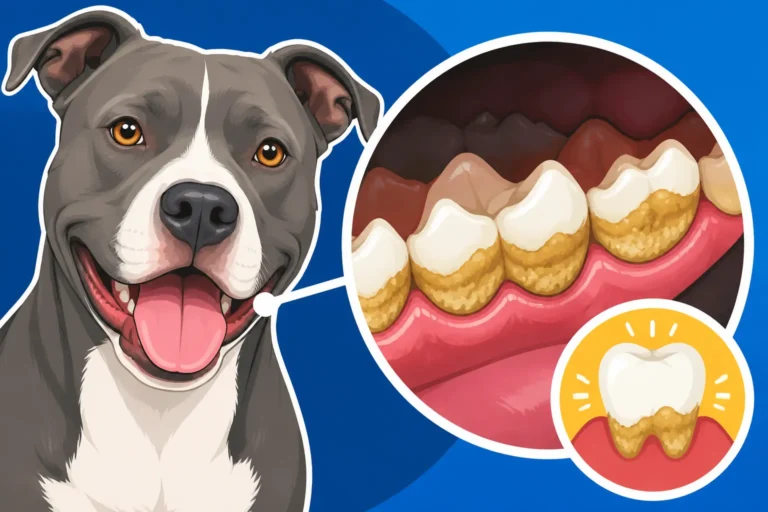
Imagine trying to chew a hard, crunchy snack when you have a toothache or sensitive gums. That's often what our older Pit Bulls are facing. Years of chewing, playing, and sometimes gnawing on inappropriate items can take a toll on their teeth. They might have broken teeth, receding gums, or advanced periodontal disease, where bacteria infect the gums and bone supporting the teeth. Even seemingly minor dental issues can cause significant pain, making dry, hard kibble feel like sandpaper on an open wound or an unbearable pressure on a sore tooth.
Beyond acute pain, some older dogs develop a general oral sensitivity. Their mouths just aren't as robust as they used to be, and the friction or pressure from dry kibble can be irritating. This discomfort might not be obvious with whining or pawing at the mouth, but a reluctance to eat, dropping food, or chewing on one side of their mouth can all be subtle signs that something is amiss. A thorough dental check-up with your vet is paramount if you notice any changes in their eating habits. Addressing dental pain isn't just about comfort; it's about preventing more serious infections that can spread from the mouth to other organs. For more on this, you might find Pit Bull Dental Disease and Hard Chewing helpful.
Digestive Changes and Reduced Appetite
As dogs age, their digestive systems don't always work as efficiently as they once did. The production of digestive enzymes might slow down, or their gut motility – the rate at which food moves through their system – can decrease. This can lead to a feeling of fullness more quickly, discomfort after eating, or simply a reduced ability to properly break down and absorb nutrients from their food. A heavy, hard meal can feel like a burden rather than nourishment.
Moreover, an older Pit Bull's metabolism naturally slows, meaning they require fewer calories. If they're still being offered the same amount of food, they might genuinely not be hungry enough to finish it. Their senses of smell and taste can also dull with age, making their once-favorite food seem less appealing. Sometimes, it's not that they can't eat the food, but that the food simply isn't enticing enough to overcome a waning appetite or mild discomfort. It's a combination of factors that can lead to that heartbreaking sight of a full bowl going untouched. Addressing these digestive shifts is a key part of ensuring they continue to get the nutrition they need.
General Aches, Pains, and Discomfort
It's not always about the mouth or the stomach. Our senior Pit Bulls, with their strong, athletic builds, are unfortunately prone to joint issues like arthritis. Standing over a food bowl, especially one on the floor, can become uncomfortable, if not downright painful. Imagine bending down deeply and maintaining that posture while you eat – it's tough when your hips or elbows are stiff. Even getting up and moving to the food bowl can be a struggle.
Furthermore, other health conditions that often accompany old age – such as kidney disease, heart conditions, or even cognitive decline – can affect appetite and general well-being. A dog that doesn't feel well overall is less likely to have a robust appetite. It's crucial to consider the bigger picture of your dog's health when addressing eating issues. Your vet might recommend Arthritis in a Pit Bull at Seven or How Often a Ten Year Old Pit Bull Needs Checking to help monitor these age-related changes. Sometimes, simply adjusting their eating posture with an elevated feeder or finding a quieter, less trafficked spot for their meals can make a world of difference.
Practical Strategies for Softening Your Pit Bull's Meals
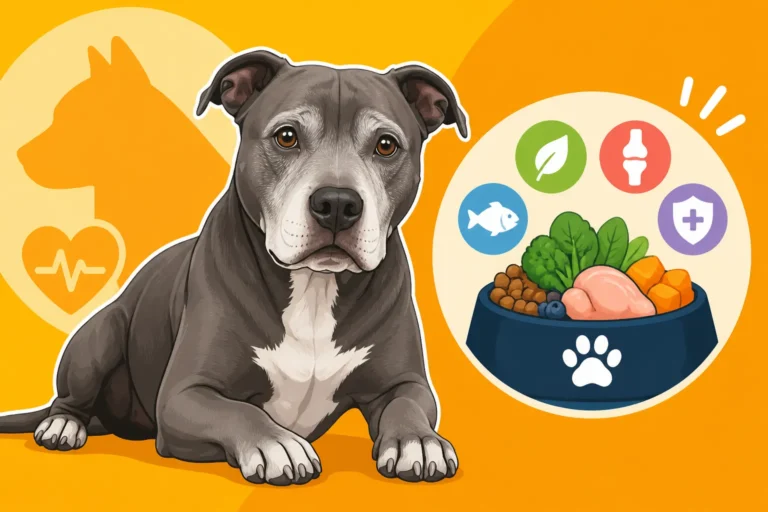
Once you've ruled out any major medical issues with your vet, or if you're looking for ways to support your senior Pit Bull through age-related changes, softening their meals is a fantastic approach. It can make food easier to chew, digest, and often more appealing.
Adding Liquids to Kibble
This is often the simplest and most effective first step. Dry kibble, while convenient, can be very hard on aging teeth and gums, and less enticing to a dulled sense of smell.
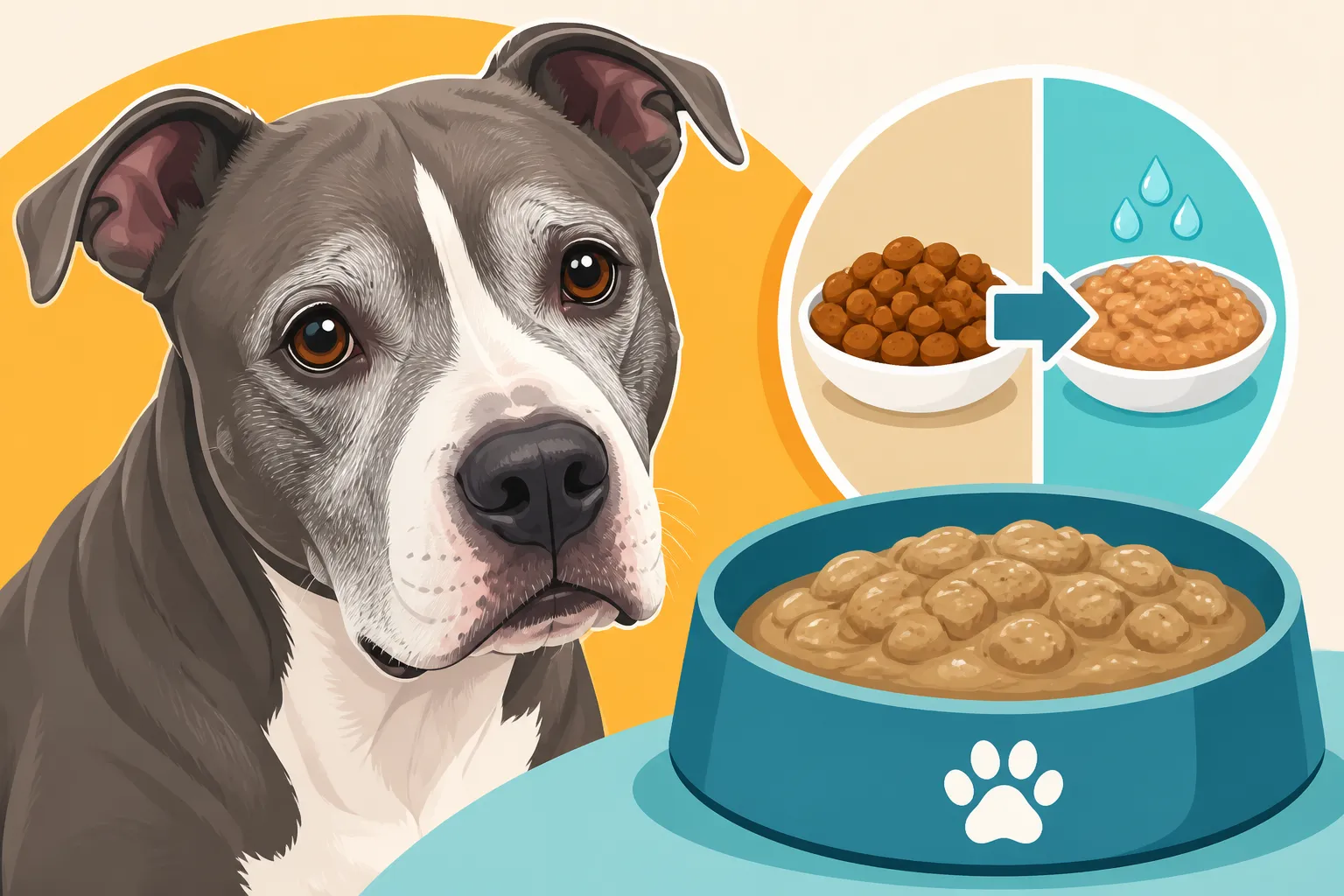
- Warm Water: The easiest method is to add warm water to their regular kibble. Not only does it soften the food, but the warmth can also release aromas, making it more appealing to a dog with a reduced sense of smell. Start with a small amount, just enough to moisten the kibble, and gradually increase it until the kibble is soft and easily mashed. Let it sit for 5-10 minutes to really soak in. You'll notice the kibble swells, making it softer and easier to consume.
- Low-Sodium Broth: For an extra flavor boost, swap out water for a low-sodium chicken or beef broth. Just make sure it's onion and garlic-free, as these are toxic to dogs. Brands specifically made for pets, like those found on Chewy or Amazon, are ideal because they're formulated without harmful ingredients. The added flavor and aroma can be a game-changer for a dog who's lost some interest in food.
- Goat Milk or Kéfir: These can add a creamy texture and beneficial probiotics, which can aid digestion. Again, ensure they are plain, unsweetened, and used in moderation to avoid upsetting their stomach.
- Consistency is Key: Find the consistency that your Pit Bull prefers. Some dogs like it soupy, while others prefer a softer, mushier texture. Observe how they eat and adjust accordingly. Don't be afraid to experiment until you hit the sweet spot.
Incorporating Wet or Fresh Food Options
Sometimes, just adding liquid isn't enough, or your dog might be ready for a change in texture altogether.
- Canned Wet Food: High-quality canned wet food is designed to be soft and palatable. You can mix it with their dry kibble to soften the overall texture and add moisture, or offer it as a stand-alone meal. Many senior-specific wet foods are formulated with extra joint support and easily digestible proteins. Look for options with wholesome ingredients and avoid fillers.
- Fresh or Gently Cooked Diets: Services like Ollie offer fresh, human-grade food that is soft, easy to chew, and often highly palatable. These can be excellent for senior dogs, as they are typically less processed and often contain higher moisture content. You can also gently cook lean meats and vegetables at home, mashing them into a soft consistency. Just be sure to research proper nutritional balance if you're home-cooking, or consult your vet to ensure it meets all their dietary needs. Feeding a Pit Bull on Long-Term Allergy Medication can also influence food choices, so always factor in any ongoing health conditions.
- Pureed Vegetables or Fruits: A small amount of pureed pumpkin (plain, unsweetened), sweet potato, or green beans can add fiber, vitamins, and moisture. These can be particularly good if your Pit Bull needs a bit more fiber for digestive health. Always introduce new foods slowly to avoid stomach upset.
Meal Toppers and Additives for Palatability and Nutrition
Beyond just softening the texture, you can enhance their meals with specific toppers designed to boost appeal and provide targeted senior nutrition.
- Gravy/Sauce Toppers: Many pet food brands offer palatable gravy or sauce toppers specifically designed to be added to kibble. These can significantly increase the aroma and taste, making meals more exciting. Ensure they are low in sodium and free from harmful ingredients.
- Omega-3 Fatty Acids: Fish oil supplements, readily available on Chewy or Amazon, can be drizzled over food. Not only do they add a subtle flavor that many dogs love, but they also provide powerful anti-inflammatory benefits, which can be great for an older Pit Bull's joints and skin. Just make sure you're using a vet-approved supplement and dosing correctly.
- Joint Supplements: Glucosamine and chondroitin supplements, often in a liquid or chewable form, can also be mixed into softened food. These are vital for supporting cartilage health in aging joints and can make a big difference in their overall comfort. Remember, it's about supporting their body from the inside out to make them feel better enough to enjoy their food. Consider Joint Diets for an Aging Pit Bull for more insight.
Here's a quick comparison of methods for softening your Pit Bull's meals:
| Method | Pros | Cons | Best For |
|---|---|---|---|
| Adding Warm Water | Simple, inexpensive, releases aromas, aids hydration | Takes time for kibble to soften, might not appeal to all | Mild dental sensitivity, slight appetite loss |
| Low-Sodium Broth | Highly palatable, strong aroma, good hydration | Must be onion/garlic-free, can be more expensive than water | Picky eaters, dogs with dulled senses of smell/taste |
| Wet Canned Food (mixed in) | Excellent palatability, high moisture, nutritionally complete | Can be more expensive than kibble, may upset sensitive stomachs initially | Significant dental pain, very low appetite, picky eaters |
| Fresh/Gently Cooked Food | Highly digestible, great palatability, high moisture | More expensive, requires careful nutritional balancing | Severe dental issues, significant digestive problems, health conditions |
| Pureed Veggies/Fruits | Adds fiber, vitamins, moisture, natural sweetness | Limited nutritional completeness, must be dog-safe | Boosting fiber, adding flavor without rich ingredients |
| Gravy/Sauce Toppers | Quick palatability boost, easy to apply | Can contain extra calories, ensure ingredient quality | Dogs needing an immediate flavor incentive |
Optimizing Mealtime for Your Senior Pit Bull
Softening the food is a huge step, but the environment and routine around mealtime can also dramatically impact your senior Pit Bull's willingness to eat. These often overlooked details can make all the difference, transforming a stressful event into a comfortable, positive experience.
Elevated Bowls and Comfortable Feeding Positions
For older Pit Bulls, especially those dealing with arthritis or joint pain in their neck, back, or hips, bending down to a floor-level bowl can be genuinely uncomfortable. An elevated feeding bowl can alleviate this strain, allowing them to eat in a more natural, upright posture. This can lead to less pain during meals and potentially better digestion, as food travels down more easily.
Look for sturdy, non-slip elevated feeders. The height should allow your Pit Bull to eat without lowering their head much below their shoulders. Adjustable feeders are great as you can fine-tune the height. Some older dogs might also prefer to eat while lying down if their pain is severe, especially after surgery or during an arthritis flare. In these cases, bringing the bowl directly to them, or even hand-feeding small amounts, can ensure they get the necessary nutrition. Always observe your dog's posture and comfort levels when they eat, and adjust as needed. Sometimes, the simplest change makes the biggest impact.
Creating a Calm and Predictable Routine
Senior dogs, much like older people, often thrive on routine and quiet. Mealtime should be a calm, predictable event, free from stress or distractions. If your Pit Bull has An Old Pit Bull Losing Sight and Hearing, loud noises or sudden movements can be startling.
- Quiet Location: Choose a consistent, quiet spot for their meals where they won't be bothered by other pets, children, or household hustle and bustle. A corner of the kitchen, a designated spot in a less-used room, or even their crate (if they find it a safe space) can work well.
- Consistent Schedule: Feeding at the same times each day helps regulate their digestive system and sets expectations. This predictability can be comforting and can even stimulate their appetite.
- Patience and Presence: Don't rush your senior Pit Bull during mealtime. Give them plenty of time to eat at their own pace. Sometimes, just having your calm presence nearby can be reassuring, especially if they're feeling a bit vulnerable or disoriented. If they leave their bowl and come back later, that's okay. However, any food left out for too long, especially softened food, can spoil, so ensure you pick up uneaten portions after a reasonable time (e.g., 20-30 minutes). If your Pit Bull is truly leaving its bowl often, you might want to look into An Old Pit Bull That Leaves Its Bowl for more strategies.
Warming Food and Enhancing Aroma
As mentioned earlier, an older Pit Bull's sense of smell can diminish, making food less enticing. Warming their food slightly can release its natural aromas, making it much more appealing.
- Microwave Briefly: A few seconds in the microwave (check for hot spots) can make a world of difference for wet or softened kibble. Just make sure it's pleasantly warm, not hot. Always test the temperature with your finger before offering it to your dog.
- Mix with Warm Water/Broth: Even if you're feeding wet food, a splash of warm, low-sodium broth or water can enhance the smell.
- Mix in a Spoonful of Something Special: A tiny bit of plain cooked chicken, a scrambled egg, or a spoonful of plain yogurt can be a very high-value addition that encourages them to eat. These are often used as "bait" to get them started on a less exciting meal. Be mindful of their overall calorie intake, especially if they're struggling with Pit Bull Obesity and Joint Strain, but a small, enticing treat can be just the push they need. The goal is to make mealtime a positive, sensory experience that encourages them to eat and enjoy their food, keeping them nourished and happy in their golden years. Remember, consistency and observation are your best tools in managing the care of your senior Pit Bull.
Disclaimer
This article is for general informational purposes only and does not constitute professional advice. Laws, prices and regulations vary by location and change over time. Consult a qualified professional for guidance on your specific situation.