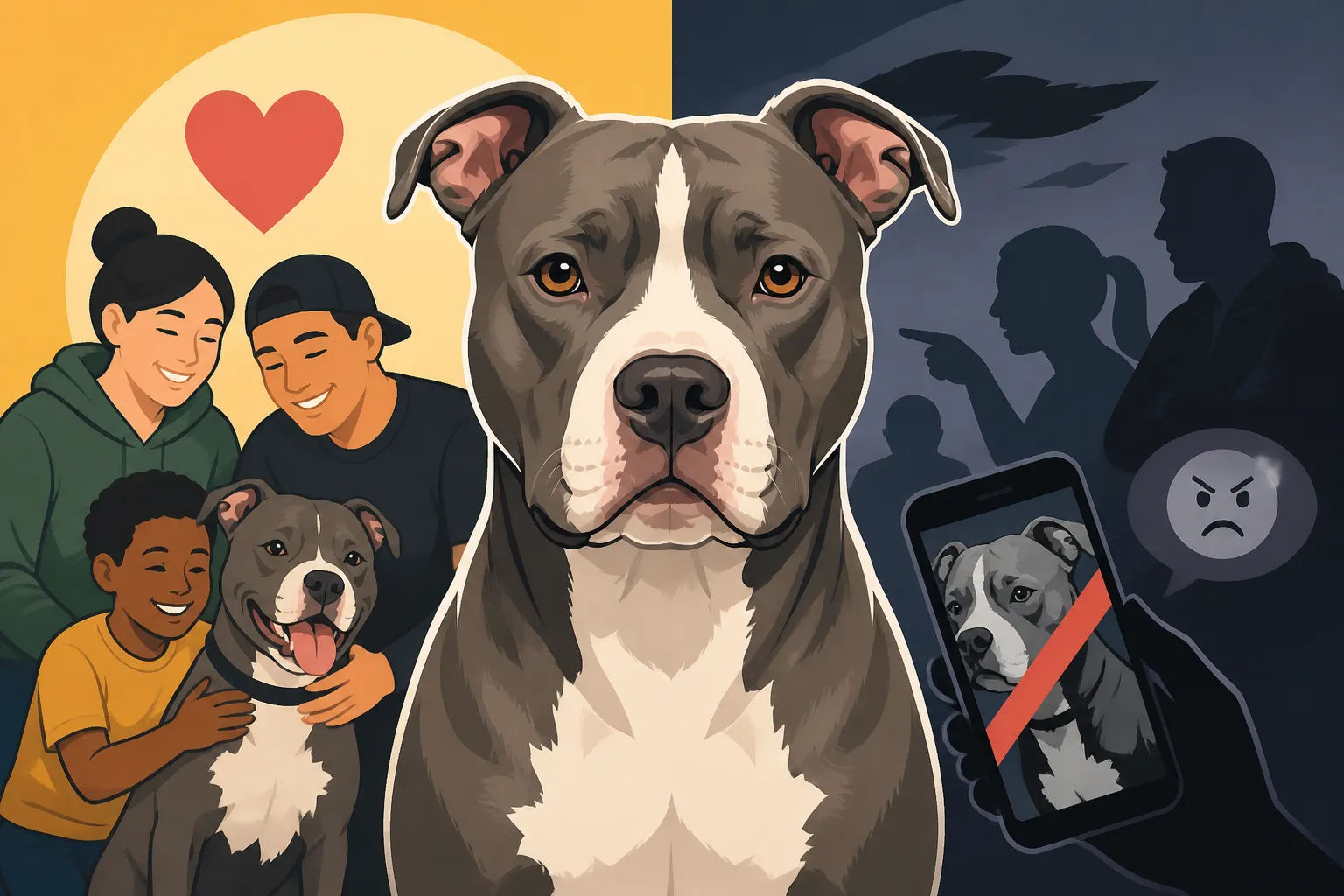
Pit Bulls in Culture and Public Perception
It's incredibly frustrating when the public's perception of your beloved dog doesn't match the reality you live every single day. For Pit Bull owners, this isn't just a minor annoyance; it's a pervasive issue that impacts everything from finding housing to how strangers react on walks. This guide is here to unravel the complex tapestry of cultural narratives and public perception surrounding Pit Bulls, exploring their historical journey from cherished American icons to frequently misunderstood companions, and offering insights into how we can collectively foster a more balanced understanding.
From American Icons to Misunderstood Breeds: A Journey Through Public Opinion
The story of the Pit Bull in American culture is one of remarkable highs and challenging lows. For decades, these dogs were seen as the epitome of the American spirit: loyal, strong, and deeply devoted to their families. Yet, over time, the narrative shifted dramatically, leaving many to wonder how such a drastic change in public perception could occur.
Early 20th Century: War Heroes and All-American Pets
Cast your mind back to the early 1900s, and you'll find the Pit Bull type dog firmly woven into the fabric of American life, often in the most celebrated roles. These were the dogs of soldiers, farmers, and working families, lauded for their courage, tenacity, and unwavering loyalty. They were the original "America's dog," embodying the very ideals of perseverance and heart.
Take Sergeant Stubby, for instance, a true hero of World War I. This stray, a Pit Bull mix, became the unofficial mascot of the 102nd Infantry, earning numerous medals for detecting gas attacks, locating wounded soldiers, and even catching a German spy. His story captured the nation's heart, portraying the breed as intelligent, brave, and utterly dedicated. Beyond the battlefield, Pit Bulls were also fixtures in popular culture, often appearing in advertisements, as mascots for brands, and famously, as Pete the Pup in the "Our Gang" (Little Rascals) comedies. These depictions cemented their image as friendly, family-oriented dogs, a far cry from the fearful stereotypes that would emerge later. They were seen as reliable companions, capable of hard work and gentle affection, integral to the American household.
The "Nanny Dog" Myth: A Persistent, Yet Flawed, Narrative
Alongside their heroic image, another narrative emerged that, while well-intentioned, has proven to be a double-edged sword: the "nanny dog" myth. This popular, enduring idea suggests that Pit Bulls were historically known for being exceptionally gentle and protective guardians of children, so much so that they were left unsupervised with infants. While the sentiment behind this myth often comes from a place of defending the breed, it unfortunately propagates an unsafe idea.
The origins of the "nanny dog" claim often stem from old photographs depicting children playing with or riding on Pit Bull type dogs, or anecdotal stories passed down through generations. These images tug at our heartstrings and seem to confirm the breed's inherently gentle nature. However, historical records don't actually support the idea that Pit Bulls were uniquely designated as "nanny dogs" in the way the myth implies. The phrase itself doesn't appear in historical dog literature until relatively recently. What the Pit Bull Nanny Dog Story Rests On While many Pit Bulls are incredibly tolerant and loving with children, as are many dogs of various breeds, it's crucial to understand that no dog, regardless of breed, should ever be left unsupervised with an infant or small child. Any dog, when startled, stressed, or in pain, can react unpredictably. Relying on a dog's "nanny" instincts rather than proper supervision and training is irresponsible and potentially dangerous. The Pit Bull's strength and size simply amplify the consequences if an incident were to occur, making the myth a problematic one that well-meaning owners should actively debunk.
The Darkening Clouds: How Perception Turned Negative
The stark contrast between the early 20th-century adoration and the later widespread fear of Pit Bulls is a complex story, largely influenced by societal changes, media narratives, and unfortunate misuse of the breed. This dramatic shift didn't happen overnight but evolved over several decades, fundamentally altering how these dogs were viewed.
The Rise of Dog Fighting and Media Sensationalism
The turn of the tide for Pit Bull perception can largely be traced to the increase in illegal dog fighting activities and, critically, the media's heightened focus on them, particularly from the 1980s onwards. As these brutal, underground operations gained more public attention, often through sensationalized news reports, Pit Bulls became inextricably linked with violence and aggression in the public consciousness. They were the breed most commonly associated with these cruel events, despite being victims themselves.
The media often portrayed these dogs as inherently vicious, bred for fighting, and thus, a danger to society. This narrative frequently omitted the critical context that aggression in fighting dogs is a learned behavior, often enforced through horrific abuse, and that dog-on-dog aggression is distinct from aggression towards humans. Instead, the simplistic message was that "Pit Bulls are dangerous." This perception was further cemented by high-profile incidents involving Pit Bulls, often reported with little nuance or investigation into the specific circumstances, responsible ownership, or potential triggers. The sheer physical power and muscular build of a Pit Bull, once admired, now became a symbol of menace. This fear-based reporting often failed to acknowledge the millions of well-behaved, loving Pit Bulls living peacefully in homes across the country, creating a distorted and terrifying image that quickly took root in the public imagination.
Breed-Specific Legislation BSL and Its Wide-Ranging Impact
In the wake of this rising fear and media sensationalism, communities across the United States and beyond began to implement Breed-Specific Legislation (BSL). BSL refers to laws that ban or restrict the ownership of certain dog breeds, or dogs that resemble those breeds, based on the belief that these breeds are inherently dangerous. Pit Bull type dogs—a category that often includes American Pit Bull Terriers, American Staffordshire Terriers, Staffordshire Bull Terriers, and mixes thereof—were overwhelmingly the target of these ordinances.
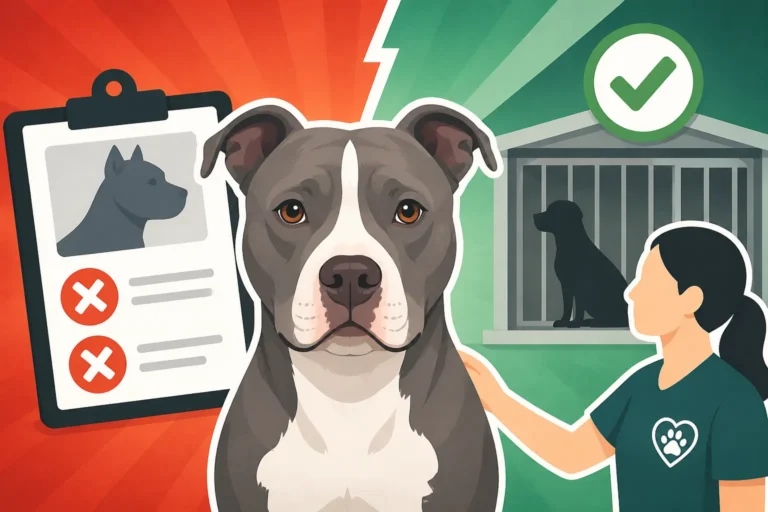
The rationale behind BSL was often a knee-jerk reaction to a perceived public safety threat, driven by fear rather than scientific evidence about dog behavior. However, numerous studies and veterinary organizations have concluded that BSL is ineffective at improving public safety and places an unfair burden on responsible owners. For Pit Bull owners, BSL can be a nightmare. It means being forced to move out of cities or states where their dog is suddenly illegal, struggling to find housing in rental complexes that prohibit the breed, or facing exorbitant insurance premiums or even outright denial of homeowners insurance. Where Pit Bull Legislation Still Applies For example, a family might find themselves denied renters insurance because their beloved pet is listed on a "dangerous breed" exclusion list, even if their dog has a perfect temperament and training record. This also means that many shelters are overflowing with Pit Bulls who are perfectly adoptable but face insurmountable barriers to finding homes due to these discriminatory laws, creating a heartbreaking cycle for dogs and people alike.
Media Portrayal: Fuelling the Stereotype
The media is a powerful force in shaping public opinion, and when it comes to Pit Bulls, its influence has been undeniably significant, often contributing to the negative stereotypes that persist today. From sensational news headlines to evolving roles in pop culture, the portrayal of these dogs has been a complex and often contradictory journey.
Sensational Headlines and Misinformation
One of the most damaging aspects of media coverage concerning Pit Bulls is the tendency towards sensational headlines and the spread of misinformation. When a dog-related incident occurs, if a Pit Bull or a dog that looks like a Pit Bull is involved, it often becomes the leading narrative, regardless of the actual circumstances. News reports frequently use "Pit Bull" as a blanket term for any strong, short-coated, blocky-headed dog, often without scientific breed identification, which contributes to the over-identification of the type in incidents. This means that many dogs labeled as "Pit Bulls" in news stories might actually be mixes of other breeds entirely. How Often Shelter Staff Agree on a Pit Bull Label
Furthermore, the focus on "bite statistics" often lacks critical context. Raw numbers without understanding the population size of a breed, reporting biases, or the specifics of an incident (e.g., provocation, tethering, lack of socialization) can paint a deeply misleading picture. Why Bite Statistics Cannot Be Pinned to Pit Bulls This cycle of fear-mongering and insufficient investigation perpetuates the narrative of the inherently dangerous Pit Bull. We've all seen the dramatic news segments or read the shocking headlines that highlight the actions of one dog, instantly casting a shadow over an entire group of breeds. This kind of reporting feeds into public anxiety, making it harder for these dogs to be seen as individuals and creating a climate of fear that affects responsible owners and adoptable dogs alike. It's a prime example of how a few isolated, often misrepresented, incidents can unfortunately overshadow the reality of millions of well-adjusted family pets.
Pop Culture's Dual Role: From Villains to Underdogs
Beyond the news cycle, pop culture — movies, television, and advertising — also plays a significant, if sometimes subtle, role in shaping public sentiment about Pit Bulls. Historically, as mentioned earlier, Pit Bulls were celebrated figures, like Pete the Pup in "The Little Rascals," symbolizing loyalty and playful mischief. They even appeared as mascots for companies, embodying strength and reliability.
However, as public perception shifted, so too did their roles in entertainment. In some films and TV shows, Pit Bulls became convenient visual shorthand for danger, aggression, or the "bad guy's" intimidating companion. This portrayal taps into existing societal fears, reinforcing negative stereotypes rather than challenging them. Think of the brooding, snarling dog often used to guard a criminal's lair – more often than not, it's a Pit Bull type. On the other hand, there has been a conscious effort in more recent times to counterbalance this. Many contemporary films and TV series now feature Pit Bulls as loving family pets, brave companions, or even comedic relief, striving to show their true, diverse temperaments. Advocacy groups and responsible media creators are working to highlight the softer, more affectionate side of these dogs, showcasing them in positive contexts to slowly chip away at the negative image. Pit Bulls in Film, Advertising and Media This dual portrayal highlights the ongoing battle for the breed's image, oscillating between being feared antagonists and beloved underdogs, reflecting the real-world struggle of their perception.
The Real Pit Bull: Temperament, Traits, and What Testing Shows
Beneath the layers of public opinion, media portrayal, and legal restrictions lies the true nature of the Pit Bull. Understanding their actual temperament and traits, separate from the myths, is crucial for anyone considering owning one or simply trying to comprehend the breed. The reality often differs significantly from the narrative perpetuated by fear.
Understanding Pit Bull Temperament: Beyond the Myths
When we talk about Pit Bull temperament, it's vital to move beyond the sweeping generalizations and sensational claims. Like any group of dog breeds, individual Pit Bulls exhibit a wide range of personalities, influenced by genetics, early socialization, training, and environment. However, when properly bred and raised, Pit Bulls are known for several key traits that contradict their fearsome reputation. They are often incredibly loyal, affectionate, and eager to please their human companions. Their intelligence makes them highly trainable, often excelling in dog sports like agility, obedience, and even therapy work.
Organizations like the American Temperament Test Society (ATTS) conduct standardized tests to measure a dog's temperament, assessing their reactions to various stimuli, including strangers, unusual sounds, and visual distractions. Pit Bull type dogs, including the American Pit Bull Terrier and the American Staffordshire Terrier, consistently pass these temperament tests at rates comparable to, or even higher than, many other popular breeds often considered "friendly" or "non-aggressive." Pit Bull Temperament and the ATTS Results This data directly challenges the notion of inherent aggression towards humans. Many Pit Bulls are remarkably tolerant and good-natured, displaying a playful zest for life. They thrive on interaction and positive reinforcement, forming strong bonds with their families. It's truly a testament to their resilient nature that so many continue to be wonderful companions despite the prejudice they face.
The Importance of Responsible Ownership and Training
While temperament tests offer valuable insight into general breed tendencies, they underscore an even more critical point: the immense importance of responsible ownership and consistent training for any dog, but especially for powerful breeds like Pit Bulls. A well-bred Pit Bull from a reputable breeder or a carefully vetted rescue will have a good foundation, but it's the owner's commitment that truly shapes the dog's behavior and public interactions.
Responsible ownership starts from the very beginning with proper socialization – exposing a puppy to a wide variety of sights, sounds, people, and other well-behaved dogs in a positive way. This helps build a confident, well-adjusted adult dog. Consistent, positive reinforcement training is also paramount. Teaching basic obedience commands like "sit," "stay," "come," and "leave it" provides a framework for good behavior and strengthens the bond between dog and owner. For a physically strong dog like a Pit Bull, Pit Bull Leash Manners and Physical Strength teaching polite leash manners is not just about convenience; it's about safety and public perception. Owners must be proactive ambassadors for their breed, ensuring their dog is a shining example of good behavior in public. Obtaining certifications like the Canine Good Citizen (CGC) title demonstrates a dog's reliability and good manners, which can be invaluable in overcoming stereotypes and sometimes even assisting with housing or insurance challenges. Canine Good Citizen and Why It Matters for a Pit Bull In essence, a Pit Bull's behavior is a direct reflection of its upbringing, training, and the dedication of its human family.
Advocates and Rescues: Fighting for the Pit Bull Image
Amidst the challenges of negative perception and breed-specific legislation, a powerful force has emerged: the dedicated community of Pit Bull advocates and rescue organizations. These individuals and groups work tirelessly to change hearts and minds, one dog and one conversation at a time.
Education and Outreach: Dispelling Myths
The cornerstone of Pit Bull advocacy is education. These groups understand that misinformation thrives in a vacuum, and the best way to combat it is with facts, personal stories, and consistent outreach. They actively work to debunk common myths, such as the "locking jaw" (which Pit Bulls do not possess) or the idea of inherent aggression. They emphasize that "Pit Bull" is a term that encompasses several distinct breeds and mixes, not a single, universally defined breed, which makes generalizations even more problematic.
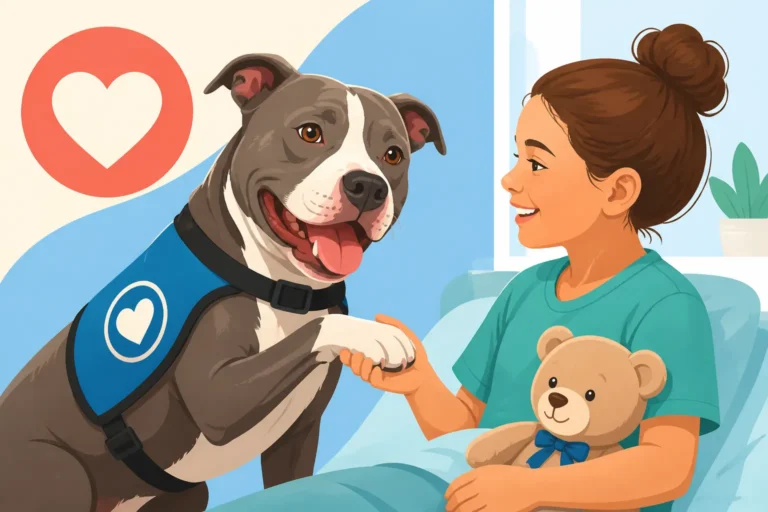
Advocates engage with the public through various channels: community events, social media campaigns, informational websites, and direct conversations. They promote responsible pet ownership for all dogs, highlighting the importance of training, spay/neuter, and proper containment. Many initiatives focus on showcasing the true nature of Pit Bulls: their affectionate personalities, their suitability as family pets, and their versatility in various activities. These efforts aim to move the public discourse away from fear and towards a more nuanced understanding, allowing people to judge dogs based on their individual behavior rather than their appearance or breed label. They might share stories of Pit Bulls working as therapy dogs, excelling in dog sports, or simply being loving couch potatoes, helping to paint a more complete and accurate picture.
The Role of Shelters and Rescues in Rehoming
Shelters and rescue organizations are on the front lines of the Pit Bull perception battle every single day. Due to breed restrictions, overpopulation, and negative stereotypes, Pit Bull type dogs disproportionately fill shelters across the country. They often face longer wait times for adoption and higher euthanasia rates compared to other breeds. Pit Bulls in American Shelters This is a heartbreaking reality that rescue groups are determined to change.
Many shelters and rescues have adopted "breed-neutral" language, opting to describe dogs by their personality traits (e.g., "energetic companion," "cuddly couch potato") rather than assigning a potentially stigmatizing "Pit Bull" label. This strategy aims to encourage adopters to meet the individual dog and judge it on its merits, rather than pre-conceived notions. These organizations also invest heavily in behavioral evaluations, training, and medical care for the Pit Bulls in their charge, ensuring they are well-prepared for their forever homes. Volunteers work tirelessly to find Pit Bull-friendly housing solutions and educate potential adopters on the realities and responsibilities of owning these dogs. Every successful adoption is a victory, not just for the dog, but for the breed's image, as each well-adjusted Pit Bull in a loving home becomes an ambassador, slowly but surely transforming public perception within its community.
| Perceptual Phase | Approximate Era | Key Public Image | Contributing Factors | Advocacy Efforts |
|---|---|---|---|---|
| Iconic Hero | Early 1900s-1970s | Brave, loyal, family dog | WWI heroes (Sgt. Stubby), pop culture (Pete the Pup), working-class companion | Not applicable; positive image prevailed |
| Misunderstood/Feared | 1980s-Present | Dangerous, aggressive, unpredictable | Rise of dog fighting, sensationalized media, BSL | Education, breed-neutral labeling, showcasing positive traits |
| Ambassador | Ongoing | Individual, loyal, capable, friendly | Responsible ownership, CGC titles, therapy work, rescue stories | Public education, debunking myths, promoting positive interactions |
Navigating Life with a Pit Bull: Practical Advice in a Biased World
For those of us who share our lives with Pit Bulls, the challenges of public perception aren't abstract concepts – they're daily realities. Navigating a world that often views your beloved companion with suspicion requires patience, preparation, and a commitment to being the best possible ambassador for your dog and its breed.
Managing Public Interactions and Proving the Stereotypes Wrong
Walking your Pit Bull in public can sometimes feel like an uphill battle. You might encounter people who cross the street, pull their children closer, or make snide remarks. It's frustrating, but as a Pit Bull owner, you inherently become an ambassador for the breed. The key is to manage these interactions proactively and calmly, focusing on showcasing your dog's good manners and your responsible ownership.
Firstly, impeccable leash manners are non-negotiable. A pulling, lunging dog, regardless of breed, can appear intimidating, but a strong Pit Bull doing so will only reinforce negative stereotypes. Invest in training to ensure your Pit Bull walks politely on a loose leash, ignoring distractions. Consider using a front-clip harness, like those readily available on Chewy, which can help immensely with control without causing discomfort. Always be aware of your surroundings, anticipate potential reactions from others, and be ready to calmly create space or redirect your dog's attention if necessary. For instance, if you see someone looking apprehensive, calmly guide your dog to the side of the path, have them sit, and offer a friendly smile. Short, positive interactions with friendly strangers (who ask permission to pet) can also slowly chip away at fears. Remember, your calm demeanor and your dog's good behavior speak volumes, often disarming those with preconceived notions.
Addressing Housing and Insurance Challenges
One of the most significant and often heartbreaking impacts of negative public perception and breed-specific legislation is the difficulty Pit Bull owners face in securing housing and adequate insurance. Many landlords, apartment complexes, and Homeowners Associations (HOAs) have breed restrictions that specifically target Pit Bulls, making finding a rental property a formidable task. Similarly, numerous homeowners and renters insurance providers have "dangerous breed" lists that include Pit Bulls, leading to higher premiums, denial of coverage, or requiring owners to seek specialized, often more expensive, policies.
To navigate these challenges, proactive preparation is essential. When looking for housing, be upfront about your dog. Don't try to hide their breed; it will only lead to bigger problems later. Instead, gather a "resume" for your Pit Bull: include veterinary records showing they are spayed/neutered and up-to-date on vaccinations, a Canine Good Citizen certificate if they have one, letters of recommendation from previous landlords or trainers, and photos showcasing their sweet nature. This documentation demonstrates responsible ownership and your dog's good behavior. For insurance, begin by researching carriers that do not have breed restrictions or that offer specific coverage for Pit Bulls. Companies' policies vary widely, so it's worth taking the time to shop around and ask direct questions about breed limitations. While it can be an incredibly frustrating and discriminatory process, being prepared and persistent can help you find suitable options. Getting Home Insurance With a Pit Bull and Finding a Rental That Takes a Pit Bull can offer more in-depth advice on these specific topics.
Moving Towards a More Balanced Understanding
The journey of the Pit Bull in public perception is a powerful reminder of how cultural narratives, media influence, and legal frameworks can shape our views of an entire group of animals. From their celebrated status as American heroes to their current often-misunderstood standing, Pit Bulls have weathered an incredible storm of shifting opinions.
Yet, despite the ongoing challenges, there's a growing movement towards a more balanced and informed understanding. This shift is driven by dedicated advocates, tireless rescue organizations, and, most importantly, by the millions of responsible Pit Bull owners who showcase the true nature of these intelligent, affectionate, and loyal companions every single day. By embracing education, promoting responsible ownership, and challenging stereotypes through positive interactions, we can collectively work towards a future where Pit Bulls are judged as individuals, allowing their true personalities to shine through the clouds of misconception. It's about seeing the dog, not just the label, and giving every Pit Bull the chance to be understood and loved for who they are.
Disclaimer
This article is for general informational purposes only and does not constitute professional advice. Laws, prices and regulations vary by location and change over time. Consult a qualified professional for guidance on your specific situation.