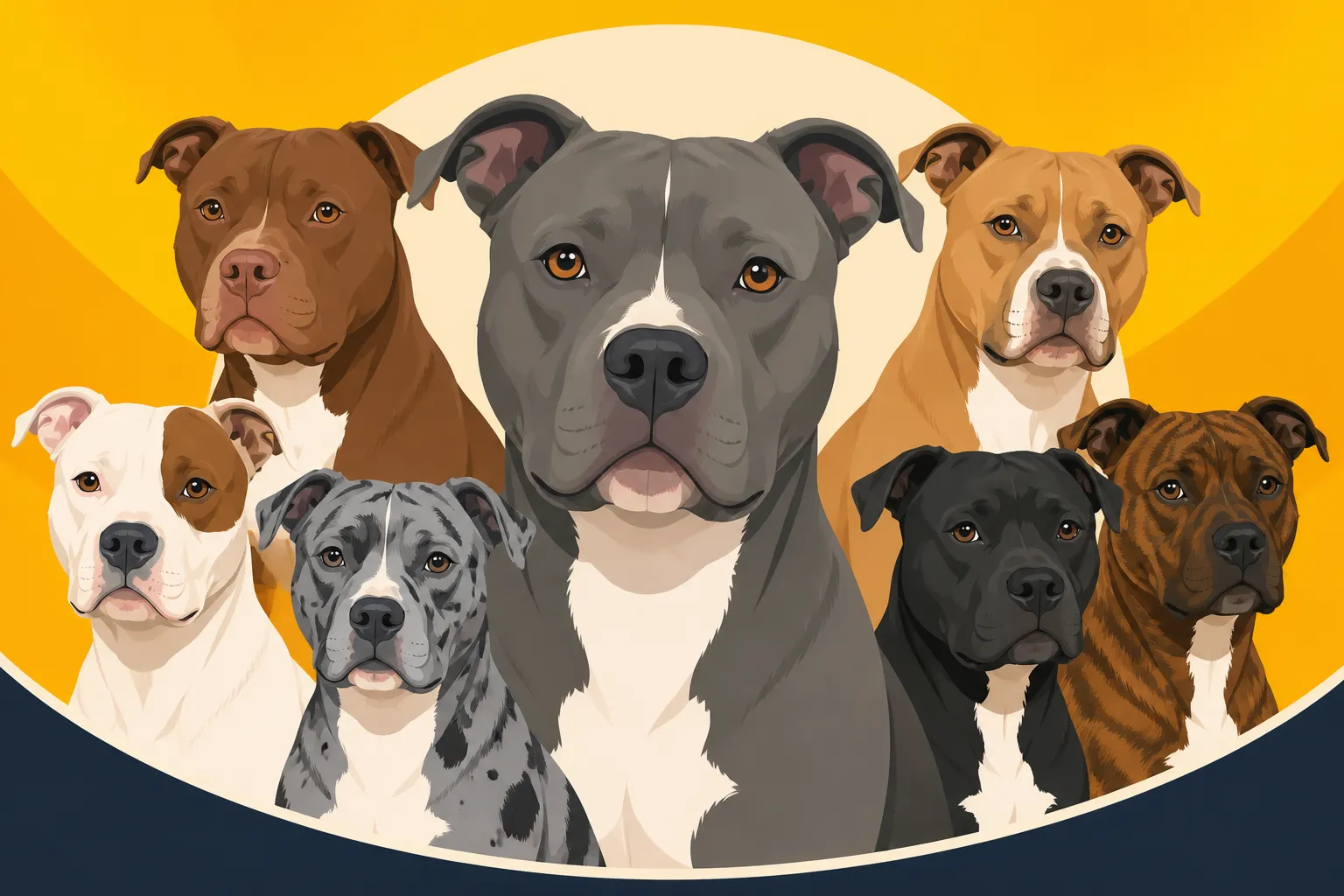
The Coat Colors a Pit Bull Type Dog Comes In
It's incredibly easy to think of Pit Bull type dogs as coming in just a handful of colors—maybe fawn, black, or that striking blue-grey that's become so popular. But the truth is, the world of Pit Bull coats is far richer and more diverse than many people realize, often leading to confusion about what's typical, what's rare, and what's actually healthy. This guide will walk you through the amazing spectrum of colors and patterns you can find in Pit Bull type dogs, helping you understand the genetics behind them and appreciate the unique beauty of each individual dog.
The Spectrum of Solid Pit Bull Coat Colors
When you first picture a Pit Bull type dog, you might envision a sleek, solid-colored coat. And for good reason! Many of these dogs do come in wonderfully uniform hues, ranging from the darkest black to the palest cream. These solid colors are often the foundation upon which more complex patterns are built, and they each carry their own distinct charm. Understanding these basic colors is the first step to appreciating the full diversity of the Pit Bull coat.
Classic Solid Hues
The most straightforward and widely recognized Pit Bull colors are the solids: black, white, fawn, and red. A classic black Pit Bull, for example, possesses a dense, shiny coat that can appear almost iridescent in the sunlight. These dogs often have dark eyes and a black nose, completing their striking appearance. Sometimes you'll see a white blaze on their chest or a few white toes, but the body itself remains a deep, consistent black. White Pit Bulls, on the other hand, are captivating in their pureness. Their coats can be brilliant white, sometimes with a faint cream or ivory tint, and they often have light eyes and pink noses, though some may have dark pigmentation around their eyes or on their nose. It’s important to remember that a white coat doesn't necessarily mean the dog is albino; true albinism is very rare and involves a complete lack of pigment everywhere.
Then there’s the warm spectrum, ranging from fawn to red. Fawn Pit Bulls can vary greatly, from a light, sandy buff to a deeper, rich tan. This color often has a soft, almost velvety appearance, and many fawn dogs will have a black mask on their face, darkening their muzzle and sometimes around their eyes. Red Pit Bulls are truly stunning, showcasing a range of brick-reds, deep chestnuts, and even vibrant copper tones. The intensity of the red can be breathtaking, often accompanied by amber eyes and a reddish-brown or black nose. These coats aren't just one flat color; they can have incredible depth, sometimes appearing lighter on the belly or behind the ears, adding subtle dimension to their overall look. Whether a sleek black, a pristine white, a gentle fawn, or a fiery red, these classic solid colors are always impressive.
Dilute Colors and Their Appearance
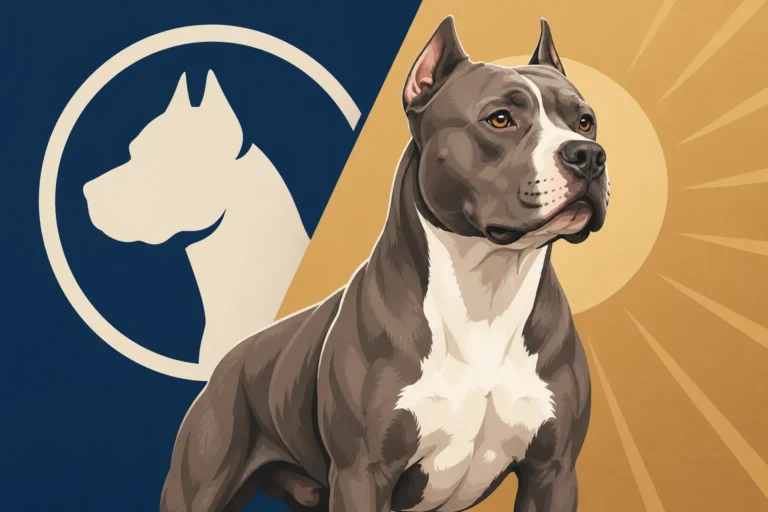
Beyond the classic solids, Pit Bull type dogs also come in what are known as "dilute" colors. These occur when specific genes "dilute" or lighten the primary black or red pigments in the coat. The two most common dilute colors are blue (which is genetically a diluted black) and liver (a diluted red, also often called chocolate or brown). A "blue" Pit Bull is often one of the most sought-after colors, characterized by its smoky, slate-grey coat. It’s not actually blue in the vibrant sense of the word, but rather a soft, muted grey that can range from a very light silver to a deep charcoal. These dogs typically have matching grey or slate-colored noses and paw pads, and often striking light-colored eyes, such as amber or even blue, especially as puppies. The dilute gene responsible for blue coats affects not just the hair, but all black pigment, which is why their noses and eye rims are also grey.
Similarly, a "liver" or "chocolate" Pit Bull is the result of the dilute gene acting on red pigment. This creates a warm, rich brown color that can range from a lighter milk chocolate to a dark, intense liver hue. Just like with blue dogs, liver Pit Bulls typically have coordinating liver-colored noses, eye rims, and paw pads. Their eyes are often a beautiful gold or amber, which really complements their coat. These dilute colors, while visually distinct and popular, are still just variations of the base black and red pigments. You might hear people refer to "Blue Nose Pit Bulls" or "Red Nose Pit Bulls," and these terms are actually tied to these dilute colors. A "Blue Nose" dog will have a blue or grey coat with a matching nose, while a "Red Nose" dog will have a red or fawn coat with a distinct reddish-brown or brick-colored nose. These are not separate breeds or even distinct color categories in themselves, but rather descriptive terms for specific pigment combinations that are often associated with certain old family lines, particularly with the American Pit Bull Terrier. You can learn more about these specific terms by reading Blue Nose Pit Bulls and What the Term Means and Red Nose Pit Bulls and the Old Family Line.
Understanding Patterned and Multi-Colored Pit Bull Coats
While solid colors are beautiful, Pit Bull type dogs also showcase an incredible array of patterns and multi-colored coats that add another layer of visual interest and individuality. These patterns are created by different genes interacting with the base coat colors, resulting in dogs that can look like miniature tigers or have unique patchwork designs.
Brindle: The Tiger Stripe Pattern
Brindle is perhaps one of the most iconic and striking patterns you’ll see on a Pit Bull type dog. It's often described as a "tiger stripe" pattern, and for good reason! This pattern consists of stripes or streaks of one color overlaid on a lighter base color. The most common brindle combination is black stripes over a fawn or red base, creating a truly magnificent effect. Imagine a Pit Bull with a rich, coppery red coat, then imagine darker, almost black, stripes flowing across its body. That's brindle in action! The intensity and thickness of the stripes can vary dramatically from dog to dog; some might have very subtle, thin stripes that are only visible up close, while others will have bold, thick stripes that are impossible to miss.
The base color of a brindle Pit Bull isn't limited to fawn or red, either. You can find "blue brindle," where the stripes are a darker grey over a lighter grey base, creating a very subtle and sophisticated look. There are also "reverse brindles," though this term can be a bit misleading. Genetically, a dog is always a lighter base with darker stripes. However, if the dark stripes are so wide and dominant that the lighter base color only shows through in thin streaks, it can appear as if the dog is dark with lighter stripes, hence the "reverse" description. Regardless of the specific combination, a brindle coat makes a Pit Bull type dog stand out from the crowd, giving them an exotic and powerful appearance. It's a pattern that truly highlights their muscular physique.
Patchwork and Parti-Colored Coats
If you love a dog with a unique, one-of-a-kind look, then patchwork and parti-colored coats are right up your alley. These patterns are characterized by distinct patches of color on a predominantly white background. The most common term you'll hear for this is "piebald," which refers to a white dog with clearly defined, irregular patches of any other color. These patches can be large or small, symmetrically placed or scattered seemingly at random across the body. You might see a mostly white Pit Bull with a large black patch over one eye and ear, a couple of smaller black spots on its back, and a splash of color on its tail. Each piebald dog is like a living piece of art, truly unique in its design.
Parti-colored is a broader term that essentially means "partly colored," indicating a coat with more than one distinct color, often including white. This could manifest as white combined with fawn patches, red patches, blue patches, or even brindle patches. For instance, a white Pit Bull with deep red patches could be considered parti-colored. The beauty of these coats lies in their individuality; no two parti-colored Pit Bulls will look exactly alike. While some purebred standards might prefer more solid coats or specific markings, many Pit Bull type dogs in rescues and homes proudly display these stunning patchwork designs. The distinct lines where color meets white create a striking contrast that is incredibly appealing, and often gives these dogs a particularly playful and endearing appearance.
Sable, Fawn, and Tan Point Patterns
Beyond stripes and patches, other patterns add complexity and depth to the Pit Bull coat, sometimes in more subtle ways. One such pattern is sable. A sable Pit Bull generally has a fawn or red base coat, but the individual hairs have black tips. This "tipping" gives the coat a shaded, often richer appearance, making the dog look darker than a pure fawn dog, especially along the back and over the head. Depending on the amount of black tipping, a sable coat can look very dramatic or just slightly shaded, creating a beautiful blend of colors that shimmer in the light. It's a pattern that adds a lot of visual texture without being as overtly patterned as brindle.
Then we have the tan point pattern, which is easily recognizable and quite striking. Dogs with tan points have a solid base color (most commonly black or blue), but specific areas of their body are marked with a contrasting lighter color, usually tan or red. These "points" typically appear on the eyebrows, muzzle, cheeks, chest, inside the legs, and under the tail (the vent). So, a "black and tan" Pit Bull will have a solid black body with distinct tan markings in all those specific areas. Similarly, a "blue and tan" Pit Bull will have a smoky grey body with tan points. This pattern gives the dog a very defined, almost aristocratic look, with the tan markings highlighting their facial features and musculature. It’s a very clean and attractive pattern that shows off the dog’s structure beautifully. Learning about patterns like these can certainly deepen your understanding of the diverse genetic traits in Pit Bull type dogs, which can sometimes be explored through a DNA panel worth running on a rescue Pit Bull.
Misconceptions, Rarity, and Ethical Considerations Around Coat Color
The world of Pit Bull coat colors isn't just about beauty; it also brings with it a few myths, marketing ploys, and important ethical considerations that every potential or current owner should be aware of. Understanding these can help you make informed decisions and appreciate the breed for what truly matters, beyond superficial aesthetics.
The Merle Debate and Registry Stance
One of the most discussed and often controversial coat patterns in the Pit Bull community is merle. Merle is a striking pattern characterized by mottled patches of dilute pigment, often giving the coat a marbled or speckled appearance. Imagine a dog with patches of light and dark grey, or reddish-brown and lighter fawn, often with striking blue or odd-colored eyes. While incredibly beautiful and popular in some other breeds like Australian Shepherds or Great Danes, merle is not a historically recognized or traditional pattern for true Pit Bull breeds such as the American Pit Bull Terrier (APBT) or the American Staffordshire Terrier (AmStaff). The major breed registries like the United Kennel Club (UKC) for the APBT and the American Kennel Club (AKC) for the AmStaff consider merle a disqualifying fault and will Why Registries Reject Merle Pit Bulls from their studbooks.
The reason for this strict stance is not just about tradition. The merle gene, while producing beautiful patterns, is also associated with significant health risks, especially when a dog inherits two copies of the gene (homozygous merle, often called "double merle"). Dogs with this genetic combination have a very high likelihood of suffering from severe hearing and vision impairments, including deafness and blindness. Irresponsible breeders, seeking to capitalize on the "rare" and visually appealing nature of merle, have introduced the gene into Pit Bull lines through crosses with merle-carrying breeds. They often breed merle to merle, knowingly risking the health of the resulting puppies, all to sell "designer" merle Pit Bulls for exorbitant prices. As a responsible owner, it's crucial to understand that a merle Pit Bull is likely a mixed-breed dog, and selecting one from an uninformed or unethical breeder could mean bringing home a dog with serious, lifelong health issues. Health should always come first, and there are many beautiful, healthy Pit Bulls without the merle pattern.
"Rare" Colors and Their True Value
You've probably seen advertisements online for "rare" Pit Bull colors like "champagne," "lilac," "lavender," or even "ghost." These terms are often marketing buzzwords designed to make certain dogs seem more exclusive and command higher prices. In reality, many of these "rare" colors are simply different names for the dilute colors we've already discussed, or combinations thereof. For example, "champagne" is often just a very light fawn, while "lilac" or "lavender" is typically a dilute chocolate (liver) that also carries the blue dilution gene, resulting in a unique, purplish-grey brown. There's nothing inherently rare or genetically unique about them that isn't already accounted for by the standard genetic principles of color dilution. These dogs are beautiful, no doubt, but the term "rare" is often a clever way for breeders to inflate prices.
The true value of a Pit Bull type dog, or any dog for that matter, should never be solely determined by the color of its coat. Instead, a truly valuable Pit Bull possesses excellent health, a stable temperament, and adherence to the breed standard in terms of structure and character. Ethical breeders prioritize these traits above all else, ensuring their dogs are well-socialized, health-tested, and bred for soundness. They will be transparent about their dogs' lineage and The Hip and Thyroid Results a Pit Bull Should Have to prove their commitment to healthy offspring. When you see a breeder heavily emphasizing a "rare" color and charging significantly more for it, it should raise a red flag. These breeders are often focused on profit rather than the welfare and genetic health of their animals. It's always best to choose a dog based on temperament, health clearances, and the reputation of the breeder, rather than falling for the allure of a supposedly "rare" coat color. Remember, a dog is a companion for life, and their personality and well-being will always be more important than their shade of brown. For ethical sourcing, consider looking into What a Pit Bull Breeder Should Have Done to ensure you're supporting responsible practices.
The Role of Genetics in Coat Color and Health
Understanding the genetics behind Pit Bull coat colors isn't just for breeders; it offers insights for owners too. Each color and pattern is determined by specific genes, and sometimes, those genes can be linked to other traits, including health predispositions. For instance, dogs with heavily diluted pigments, particularly in white or very light areas, can sometimes be more susceptible to sunburn or skin irritation, especially those with pink noses. Regularly checking your dog's skin during grooming or when using products from retailers like Chewy can help you catch any issues early. Pit Bull Sunburn on a Pink Nose is a real concern for these dogs, and proper care is essential.
While most color genes are harmless, a few are definitely worth knowing about. For example, excessive white on a dog's head, particularly when it affects the inner ear, can sometimes be linked to congenital deafness. This is why some breeds with extensive white markings have specific health screening protocols for hearing. Responsible breeders will always be aware of these potential linkages and will breed accordingly, performing necessary health tests to ensure the well-being of their puppies. When choosing a Pit Bull type dog, regardless of color, inquire about the health history of the parents and the puppy itself. A breeder who focuses on "flashy" colors without attention to health clearances is not one to trust. Good breeders will use a range of products from quality pet supply stores like Chewy and discuss the specific care needs associated with different coat types and colors. Ultimately, a healthy, well-adjusted Pit Bull, no matter its color, is the most beautiful companion of all.
| Coat Color / Pattern | Description | Common Nose/Eye Color | Potential Considerations |
|---|---|---|---|
| Black | Solid, dense black coat. | Black nose, dark brown eyes. | Generally robust, can appear very sleek. |
| White | Predominantly or entirely white coat. | Pink or dark nose, light or dark eyes. | Increased risk of sunburn, potential for deafness if excessive white in head/ears. |
| Fawn | Light tan, beige, or pale yellow-brown. Often with a black mask. | Black nose, amber or dark eyes. | Wide range of shades, from very light to medium. |
| Red | Rich, deep reddish-brown to copper. | Reddish-brown or black nose, amber or dark eyes. | Can vary in intensity; sometimes called "Rust." |
| Blue (Grey) | Diluted black, appearing as a smoky or slate grey. | Blue/grey nose, amber or light eyes. | Popular, but can be associated with certain skin conditions in some lines. |
| Liver (Chocolate) | Diluted red, appearing as a warm brown. | Liver/brown nose, gold or amber eyes. | Less common than blue, but equally striking. |
| Brindle | Tiger-stripe pattern of dark streaks over a lighter base (e.g., black on fawn, blue on grey). | Varies with base color. | Highly individual patterns, no two exactly alike. |
| Piebald / Parti | White with large, irregular patches of any other color. | Varies with patch color. | Unique, "patchwork" appearance. |
| Sable | Fawn or red base coat with black tipping on individual hairs. | Black nose, amber or dark eyes. | Gives a shaded or darker appearance than pure fawn/red. |
| Tan Point | Solid base color (e.g., black, blue) with contrasting tan/red markings on specific areas (brows, muzzle, chest, legs). | Varies with base color. | Distinctive and sharply defined pattern. |
| Merle | Mottled, patchy, or marbled coat pattern. | Varies, often blue or odd-colored eyes. | Not recognized by major Pit Bull registries. Associated with serious health issues (deafness, blindness) if bred irresponsibly. |
Disclaimer
This article is for general informational purposes only and does not constitute professional advice. Laws, prices and regulations vary by location and change over time. Consult a qualified professional for guidance on your specific situation.