Red Nose Pit Bulls and the Old Family Line
The distinct red nose, amber eyes, and reddish-brown coat of some Pit Bulls capture the imagination of many potential owners, often leading them to believe they are a special, rare type of Pit Bull with unique qualities. This fascination can sometimes steer people down a rabbit hole of misinformation about "Old Family Lines" and exaggerated claims. It's a challenging space to navigate, filled with passionate opinions and marketing hype, leaving many wondering what’s fact and what’s fiction. This guide aims to clear up the confusion surrounding Red Nose Pit Bulls and the storied "Old Family Line," helping you understand their true origins and characteristics.
What Exactly Is a "Red Nose Pit Bull"?
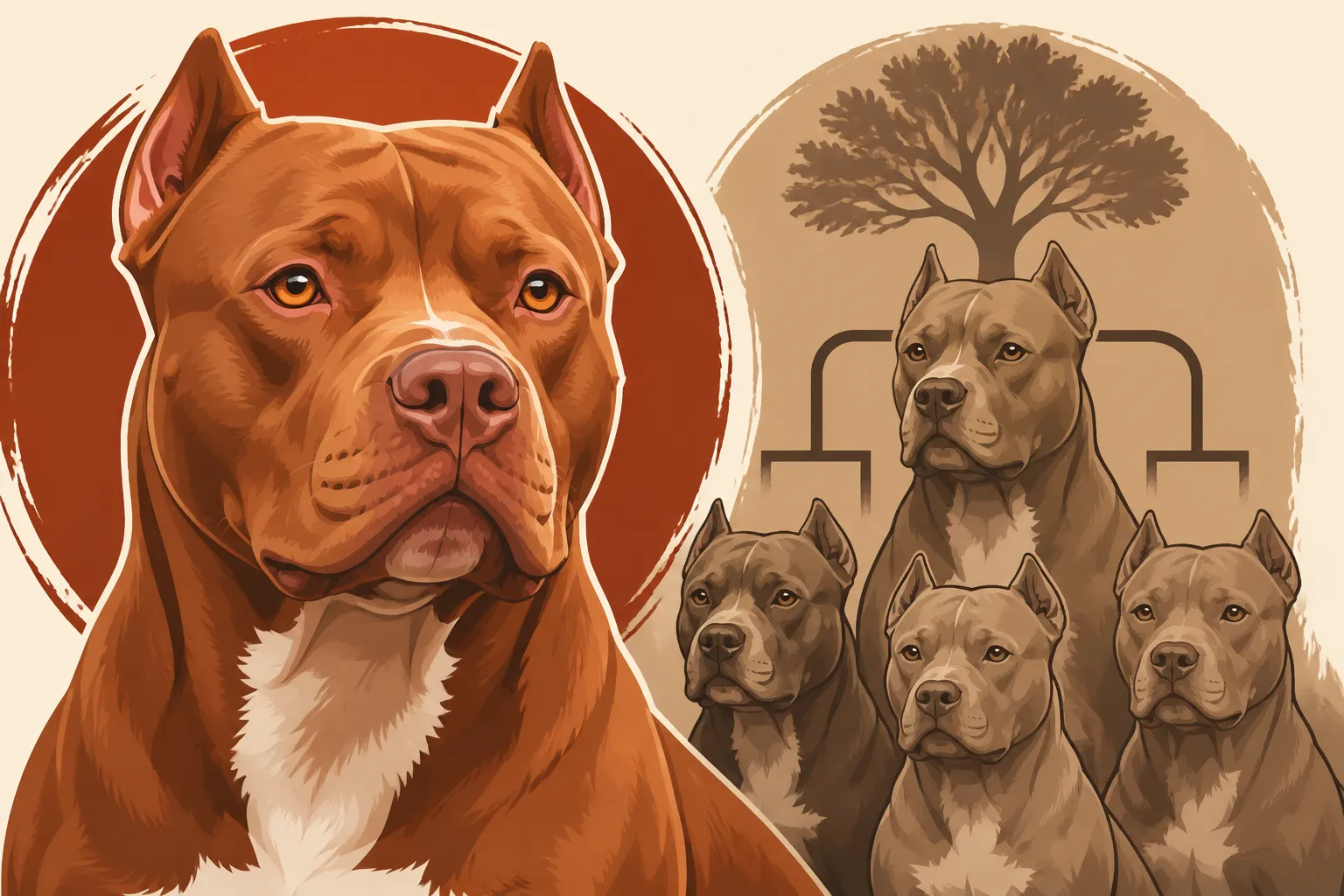
When people talk about a "Red Nose Pit Bull," they're typically referring to a dog with a specific combination of physical traits: a reddish or pink nose, usually accompanied by amber-colored eyes and a reddish-brown or fawn coat. It's a striking look, and there's no denying its appeal. However, the term itself often carries more weight than it should, leading to misunderstandings about what it actually signifies for the dog.
More Than Just a Color
It's crucial to understand that "Red Nose" isn't a separate breed of Pit Bull. It's simply a descriptive term for a specific pigmentation pattern. Think of it like a human having red hair – it’s a hair color, not a distinct race of people. In dogs, this coloration is due to a recessive gene that affects the production of eumelanin (black pigment), causing it to appear red or brown instead. This gene not only influences the coat color but also the nose leather, paw pads, eye rims, and even the color of their toenails.
So, while a Red Nose Pit Bull looks unique and beautiful, it's still an American Pit Bull Terrier, an American Staffordshire Terrier, or a Staffordshire Bull Terrier, depending on its specific lineage and registry. The red nose itself doesn't confer any special abilities, health traits, or temperament advantages. It's purely an aesthetic characteristic. The myth that Red Nose Pit Bulls are inherently different or superior to their blue-nosed or black-nosed counterparts is simply untrue, though it's a common belief that gets perpetuated by those who don't fully understand canine genetics.
The Range of Pit Bull Colors
Pit Bulls, as a type of dog, come in an astonishing array of colors and patterns. You’ll find them in classic black, brindle (a tiger-stripe pattern), fawn, blue (a dilute black), white, and piebald (large patches of white and another color), to name just a few. Each of these colors is simply a genetic expression, much like the red nose. A black-nosed Pit Bull with a fawn coat is just as much a Pit Bull as a red-nosed one.
It’s easy to get caught up in the visual appeal of a specific color, but truly, the color of a Pit Bull's nose or coat tells you nothing about their personality, their health predispositions, or their potential as a companion. What truly defines a Pit Bull, regardless of its coat or nose color, is its breed standard (if recognized by a registry like the UKC for the American Pit Bull Terrier or AKC for the American Staffordshire Terrier), its genetics related to health, and most importantly, its individual temperament, which is shaped by both genetics and environment. For those looking at purebred lines, understanding The American Pit Bull Terrier as the UKC Defines It offers a good perspective on recognized traits.
Unpacking the "Old Family Line" Myth and Reality
The term "Old Family Line" or "Old Family Red Nose" (OFRN) is often thrown around with a sense of historical mystique, suggesting a lineage of superior dogs. While there's a kernel of truth in the historical aspect, the modern application of the term is frequently a source of confusion and sometimes outright deception.
The Historical Roots of "Old Family Red Nose"
The "Old Family Red Nose" strain does indeed have historical roots, tracing back to a particular strain of American Pit Bull Terriers that originated in Ireland. These dogs were brought to the United States and became foundational to the development of the breed we know today. These original "Old Family" dogs were highly prized for their gameness (their courage and determination), athletic ability, and often, their good temperament with people, despite their working heritage.
They were carefully bred, often within closed lines, and yes, many of them displayed the characteristic red nose and associated pigmentation. Breeders during that era, perhaps 100-150 years ago, maintained these lines for very specific traits, mostly related to performance and working ability, and this distinctive coloration became associated with certain valuable bloodlines. Families like the Colby family, known for their influential Pit Bulls, had various lines, some of which carried this red-nose trait. The "Old Family" was not a single breeder but a collection of interbred strains that shared common ancestors. Understanding The Bull and Terrier Origin of the Pit Bull gives further context to these early lines.
The Challenges of Modern "Old Family Line" Claims
Here’s where the reality often diverges sharply from the romanticized ideal. Today, the term "Old Family Line" or "OFRN" is frequently misused and exaggerated by breeders looking to capitalize on its perceived rarity and mystique. It's common to see advertisements for "pure Old Family Red Nose" puppies at inflated prices, often without any verifiable pedigree or health clearances to back up the claims.
The truth is, genuine, direct "Old Family Lines" as they existed a century ago are exceedingly rare in their original, unadulterated form. Modern breeding has naturally diversified the gene pool. Any breeder claiming to have "pure OFRN" dogs should be met with healthy skepticism and a demand for concrete proof of lineage, health testing, and verifiable breeding practices. Many unscrupulous individuals simply breed two red-nosed dogs together and label them "Old Family Red Nose" to command higher prices, without any regard for temperament, health, or proper lineage documentation. This practice contributes to the problem of puppies being sold with health issues or unstable temperaments. When considering a puppy, it's vital to research The Paperwork a Pit Bull Puppy Should Carry to ensure you're getting a legitimate dog.
The Lure and Risk of "Red Nose" Marketing
The distinctive look of a Red Nose Pit Bull has a undeniable appeal, and unfortunately, this appeal is often leveraged in ways that aren't always ethical or beneficial for the dogs or their prospective owners.
Why the "Red Nose" Appeal?
For many, the reddish coat and contrasting nose, paired with those striking amber eyes, simply make for a very attractive dog. There’s an exotic quality to it, a perceived rarity that draws people in. This aesthetic preference isn't inherently wrong; people are naturally drawn to what they find beautiful. Some might even feel a connection to the historical narratives, wanting a dog that embodies a piece of the breed's past, even if the understanding of that history is incomplete.
However, this demand for a specific look has created a market where appearance can overshadow more critical aspects like health, temperament, and ethical breeding. It's not uncommon for breeders to specifically market "Red Nose" puppies as something special, commanding higher prices based solely on color rather than the quality of the dog itself. This is where prospective owners need to be particularly savvy and look beyond the surface.
Buyer Beware: Exaggerated Claims and Health Concerns
The biggest risk associated with seeking out a "Red Nose" or "Old Family Line" Pit Bull is falling victim to irresponsible breeding practices. Backyard breeders and puppy mills often prioritize specific aesthetic traits over health and temperament. They might breed related dogs (inbreeding) just to maintain a certain look or color, which can lead to a higher incidence of genetic health problems.
You might encounter breeders who ask for significantly higher prices for "Red Nose" puppies, promising a unique or superior dog, but when you ask about health clearances for the parents (like OFA certifications for hips and elbows, or cardiac screenings), they come up empty. These breeders often lack proper health testing, provide minimal socialization for puppies, and may not offer any support after you take your puppy home. This leaves new owners with potentially sick dogs, behavioral challenges, and no recourse. It's a common frustration that can be avoided by doing your homework. Be wary of Pit Bull Puppy Prices From a Breeder that seem too good to be true, or conversely, excessively high for an unverified claim.
It's also worth noting that no specific health issues are directly linked to the red nose gene itself. However, because some breeders focus solely on maintaining the red nose appearance through limited breeding pools, dogs from such lines might inadvertently have higher incidences of other genetic health issues common to Pit Bulls, such as hip and elbow dysplasia, skin allergies, or heart conditions. A reputable breeder would prioritize screening for these issues, regardless of nose color. If a breeder is only touting color, it’s a red flag. Always inquire about What Testing a Pit Bull Breeder Should Have Done. It's a non-negotiable step in ethical breeding.
Prioritizing Health and Temperament Over Color and Myth
When it comes to bringing a Pit Bull into your life, whether you're buying from a breeder or adopting from a shelter, focusing on health, temperament, and responsible care should always take precedence over a dog's specific coloration or any purported "special" lineage.
What to Look for in a Reputable Breeder
If you decide to go through a breeder, your focus should be on finding one who prioritizes the overall well-being of their dogs, not just a specific look. A truly reputable breeder will:
- Conduct extensive health clearances: This means providing verifiable documentation for the parents of the puppies, showing they’ve been screened for common Pit Bull health issues like hip dysplasia (OFA or PennHIP), elbow dysplasia, cardiac health, and potentially thyroid or eye conditions. They should be transparent about these results. What a Pit Bull Health History Should Cover is a critical piece of information they should readily provide.
- Emphasize stable temperament: They should be able to tell you about the temperament of both parent dogs and provide evidence of good socialization for the puppies. You should be able to meet the mother (and ideally the father, or at least see extensive documentation and references for him) and observe their behavior firsthand. Meeting a Pit Bull's Parents Before You Commit is a very important step.
- Provide a comprehensive contract and support: A good breeder will offer a contract that outlines health guarantees, spay/neuter agreements, and a commitment to take the dog back at any point in its life if you're unable to care for it. They should also be a lifelong resource for advice and support.
- Be transparent and welcoming: They should welcome visits to their facility, be happy to answer all your questions (even tough ones), and be genuinely invested in finding the right homes for their puppies. Be wary of breeders who only want to meet in a public place or rush the transaction. This is often a sign of Spotting a Pit Bull Bred for the Wrong Reasons.
- Focus on the whole dog: Their marketing and conversation should revolve around the health, temperament, and working ability or conformation of their dogs, not just a flashy coat color.
Remember, a true "Old Family Line" breeder today, if one exists, would adhere to these high standards, and their focus would be on preserving health and working traits, not just a red nose.
Adopting a Pit Bull: Color Doesn't Matter
For many, the best route to finding a Pit Bull companion is through adoption. Animal shelters and rescue organizations are overflowing with wonderful Pit Bull type dogs, many of whom have distinct and beautiful colorations, including red noses. When you adopt, you're giving a deserving dog a second chance at a loving home.
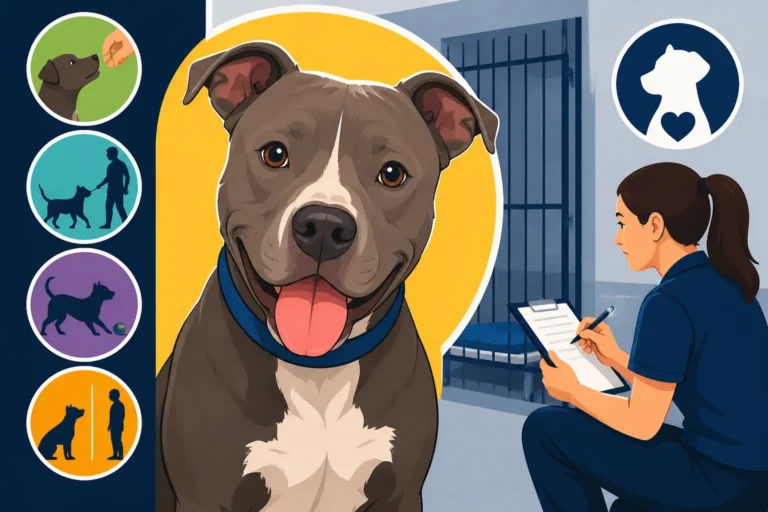
The beauty of adoption is that shelters often have a wealth of information on a dog's personality and behavior from foster families or shelter staff. They prioritize matching you with a dog whose temperament and needs align with your lifestyle, rather than a specific aesthetic. A dog's personality, energy level, and compatibility with your family and other pets are far more important indicators of a successful adoption than its nose color.
When you adopt, you'll also likely find that many shelter dogs come spayed/neutered, vaccinated, and microchipped, which can save you initial costs. While Pit Bull Adoption Fees at a Shelter exist, they often cover a significant portion of these initial veterinary expenses. Shelters are usually transparent about What a Shelter Assesses in a Pit Bull through behavior evaluations and observed history. You might find a gorgeous red-nosed Pit Bull looking for a home who is just as sweet, smart, and loving as any other, without the premium price tag or the uncertainty of an unregulated breeder. Moreover, whether you adopt or buy, essential supplies are always needed, and online retailers like Chewy provide a convenient way to get everything from nutritious food to durable chew toys that any Pit Bull, regardless of nose color, will appreciate.
Focusing on the individual dog's personality, health, and needs will ensure you find a loving companion who enriches your life for years to come, far beyond the initial appeal of a striking red nose or a storied, but often mythical, "Old Family Line."
Disclaimer
This article is for general informational purposes only and does not constitute professional advice. Laws, prices and regulations vary by location and change over time. Consult a qualified professional for guidance on your specific situation.