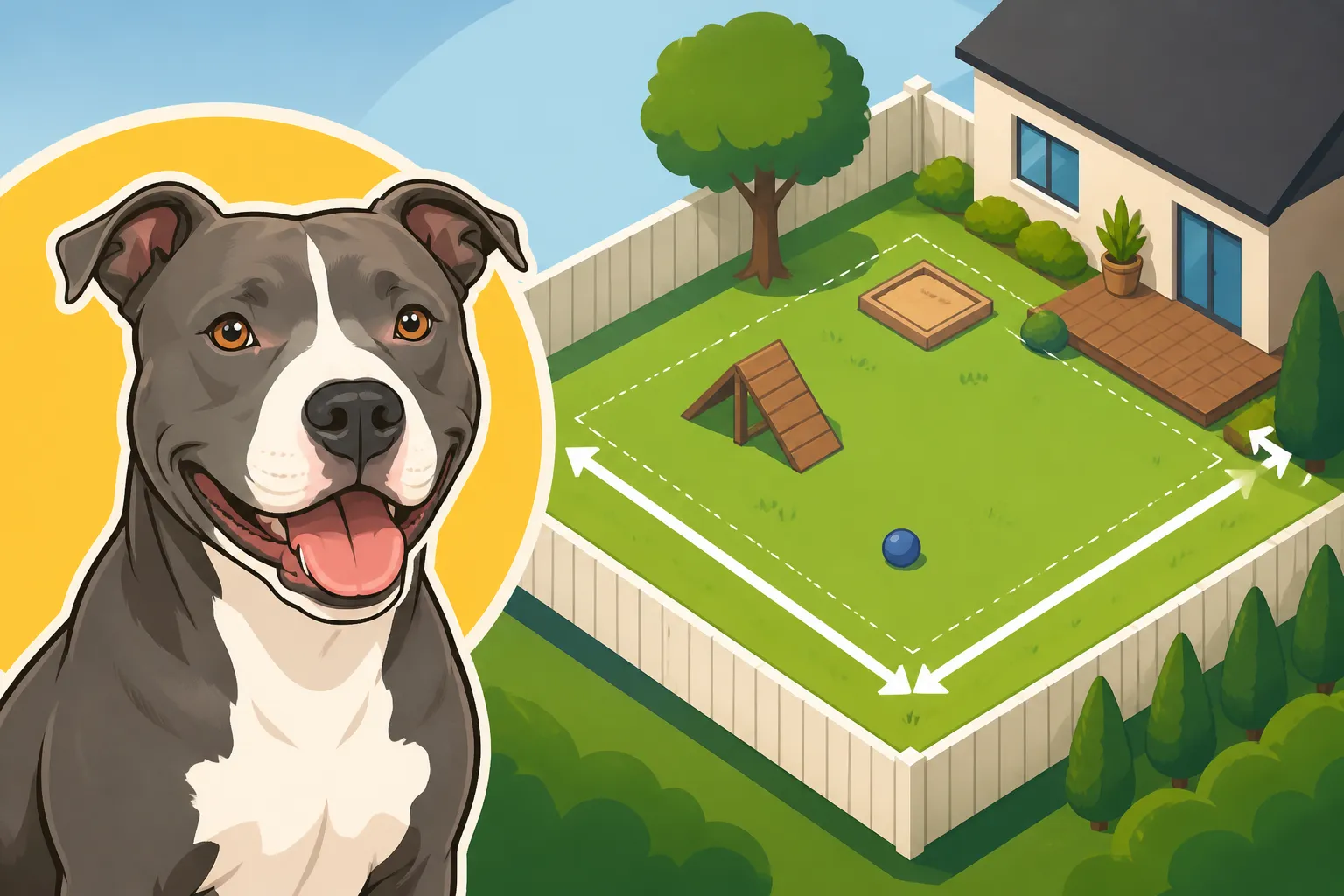
How Much Outdoor Space a Pit Bull Uses
It's a common thought when bringing a Pit Bull into your home: "We have a big yard, they'll love it!" And while having outdoor space is certainly a wonderful asset, it’s a big misconception that merely having a large plot of land is enough to keep your energetic, intelligent Pit Bull happy and well-behaved. This guide will dive deep into what kind of outdoor space truly benefits a Pit Bull, focusing on how it’s used rather than just its size.
Understanding Your Pit Bull's Energy Needs
Many people visualize a dog happily romping around a huge yard all day, exercising themselves without much human intervention. With a Pit Bull, that image is often a recipe for a bored, destructive, or even escape-artist dog. Their needs go far beyond simply having room to roam.
The Myth of the Backyard Dog
Let's be real, a Pit Bull isn't typically content to just self-exercise in a yard all day. They are dogs bred for work, stamina, and, most importantly, for being with their people. Leaving a Pit Bull alone in a large yard, even a securely fenced one, often leads to boredom. And a bored Pit Bull is a creative Pit Bull, which can manifest in ways you definitely don't want: digging craters in your prize-winning flowerbeds, chewing on fence posts until they splint, or developing a sudden knack for scaling obstacles that once seemed insurmountable.
They crave interaction, mental challenges, and directed physical activity. Think of it like a highly intelligent human who's given a huge empty room and told to "entertain themselves." They might pace for a bit, but soon they'd be looking for a way out or something to occupy their mind. Your Pit Bull is no different. They need a job, or at least a fulfilling activity, and simply having a big yard doesn't provide that on its own. It's not about the square footage; it's about the stimulation.
Activity Levels Across Pit Bull Types
The term "Pit Bull" actually encompasses a few distinct breeds and types, and while they share many characteristics, their energy levels can vary. For example, the American Pit Bull Terrier (APBT) is often recognized for its incredible athleticism and drive, needing significant daily exercise to be truly fulfilled. They are often described as having an "off switch" once their needs are met, but getting to that point requires consistent effort.
The American Staffordshire Terrier (AmStaff), while still robust and powerful, might be seen as slightly less "driven" than some APBT lines, though they still require substantial physical and mental exertion. Then you have the Staffordshire Bull Terrier, a smaller, often more compact dog that still packs a punch in terms of energy but might be satisfied with slightly shorter bursts of intense activity. Regardless of the specific type, none of these dogs are built for sedentary lives. A short-coated Pit Bull needs consistent activity and can feel Whether a Pit Bull Feels Cold in Winter in inclement weather, so indoor options are also important. Every single one benefits from a varied exercise routine that engages both their body and their brain. Understanding these nuances helps tailor the "outdoor space" usage to your specific dog. If you're wondering about The Daily Exercise a Pit Bull Actually Needs, it's generally more than just a quick run around the block.
Beyond Just a Yard: Quality Over Quantity
The presence of a yard, big or small, is secondary to how that space is utilized. A tiny urban patio where a Pit Bull engages in focused training and play with its owner is far more beneficial than a sprawling acre where the dog is simply left to its own devices.
The Importance of Structured Exercise
Structured exercise is non-negotiable for a Pit Bull. This isn't just about letting them out to pee; it's about dedicated time for physical exertion with a purpose. Daily walks are crucial, not just for burning energy, but for mental enrichment through sniffing new scents and experiencing the world outside their immediate property. Remember, a Pit Bull has incredible physical strength, so working on Pit Bull Leash Manners and Physical Strength is incredibly important for enjoyable walks.
Beyond walks, consider activities like fetch, tug-of-war (with rules!), or even controlled running in a safe, enclosed area. Some Pit Bulls excel at dog sports like agility, flyball, or disc dog, which provide both physical and mental challenges. Even if your yard is small, these activities can be adapted. A long, narrow run can be great for sprints, or a small patch of grass can be perfect for practicing obedience commands and short-distance retrieves. The key is that you are actively involved, guiding their energy into productive outlets. Without this engagement, a large yard can quickly become a stage for unwanted behaviors.
Mental Stimulation in Outdoor Space
Physical exercise alone is often not enough for a Pit Bull; their intelligent minds also need a workout. Outdoor space, no matter its size, can be a fantastic arena for mental stimulation. Scent games are excellent: hide treats or toys around the yard and let your Pit Bull use their nose to find them. This engages their natural instincts and is surprisingly tiring. You can even purchase specialized snuffle mats or puzzle feeders from retailers like Chewy that can be used outdoors to extend mealtime and provide a mental challenge.
Training sessions, even short ones, can be incredibly enriching. Work on new tricks, reinforce basic commands, or practice advanced obedience. The changing environment of the yard compared to indoors can add a layer of challenge. For example, teaching a "stay" amidst the distractions of rustling leaves or chirping birds is far more demanding (and therefore more rewarding) than doing it in a quiet living room. Consider rotating toys to keep things fresh; don't leave all the toys out all the time. A rotation ensures novelty, making the toys more exciting when they reappear. If you're looking for more indoor options to supplement, consider Indoor Trick Work for a Bored Pit Bull or Scent Work as Indoor Pit Bull Exercise.
Adapting Outdoor Space to Your Pit Bull's Needs
No matter the size or type of your outdoor area, there are ways to make it safe, stimulating, and appropriate for your Pit Bull. It might require some creativity and investment, but the payoff is a happier, healthier companion.
Securing Your Outdoor Area
This is perhaps the most critical aspect when it comes to Pit Bulls and outdoor space. Their strength, agility, and determination mean that a standard fence might not be enough. Many Pit Bulls are excellent jumpers, and some can even be surprisingly good climbers or diggers. A fence that's at least six feet high is generally recommended, and for determined jumpers, a "coyote roller" or angled extension at the top can prevent scaling.
For diggers, burying chicken wire along the bottom perimeter of the fence or using L-footer fencing that extends underground can deter them. Always check for weak spots, loose panels, or gates that don't latch securely. Double latching gates or adding padlocks provides an extra layer of security. Never leave your Pit Bull unsupervised in the yard, especially if it's new to them or if you have any doubts about the security of the fencing. Even a brief moment of distraction can lead to an escape or an incident. Thinking about Fencing Costs for a Strong Pit Bull upfront can save you a lot of headache and heartache later.
Creating an Engaging Environment
Once your outdoor space is secure, think about how you can make it more interesting for your Pit Bull. A simple patch of grass can be enhanced with various elements:
- Shade and Shelter: Provide ample shade, especially during warmer months. A sturdy dog house or an awning can offer protection from sun and rain. Pit Bulls with their short coats, are particularly susceptible to Heat Tolerance in a Short-Coated Pit Bull.
- Digging Pit: If your Pit Bull loves to dig, designate a specific digging area, perhaps a sandbox filled with sand or soft dirt. Bury toys or treats in it to encourage them to dig there instead of your garden.
- Water Source: A sturdy, untippable water bowl should always be available, especially after play sessions. During hot weather, a kiddie pool can be a fantastic way for some Pit Bulls to cool off and have fun.
- Enrichment Items: Rotate tough chew toys that hold up to a Pit Bull's powerful jaws. Brands available through Chewy often have a good selection of durable toys designed for strong chewers. You can also hang a "flirt pole" or install a spring pole in a safe location for supervised play. Just be mindful of how hard they pull and impact on their joints.
- Different Textures: If possible, include areas with different textures—a patch of soft grass, some paving stones, or even a small gravel area—to provide varied sensory input for their paws. This can be particularly stimulating.
When a Yard Isn't an Option
Many Pit Bulls thrive wonderfully in apartments or homes without traditional yards. The absence of a yard simply means that the owner's commitment to structured outdoor activities becomes even more crucial.
- Daily Walks: Multiple, robust walks throughout the day are essential. These aren't just potty breaks; they are opportunities for exercise, socialization, and mental stimulation. Explore different routes, let them sniff around, and practice loose-leash walking.
- Dog Parks (with caution): For some well-socialized Pit Bulls, a securely fenced dog park can offer a chance for off-leash running and play. However, caution is key. Ensure your dog has a solid recall, is comfortable with other dogs, and that you are always supervising intently. Not all dog parks are appropriate for all Pit Bulls due to their strong play style and Pit Bull Dog Selectivity Explained.
- Daycare/Dog Walkers: If you work long hours, a reputable dog daycare or a professional dog walker can provide crucial exercise and companionship during the day. Look for facilities with staff experienced with strong breeds like Pit Bulls.
- Indoor Games: Supplement outdoor activities with plenty of indoor mental stimulation. Puzzle toys, interactive games, and training sessions can burn a surprising amount of energy. Items like Puzzle Feeders a Pit Bull Cannot Destroy are great for this.
- Dedicated Training Space: Many communities have dedicated dog training facilities or parks that offer rented space for private training sessions. This can be a great way to give your Pit Bull a safe, enclosed area to run and train.
Remember, a Pit Bull’s happiness isn't tied to the size of your lawn, but to the amount and quality of dedicated time and effort you put into their physical and mental well-being. Whether you have a sprawling estate or a cozy apartment, a fulfilled Pit Bull is a well-exercised and well-engaged Pit Bull.
Here's a quick comparison of different outdoor space scenarios and what they entail for a Pit Bull:
| Outdoor Space Type | Pros for a Pit Bull | Cons/Considerations for a Pit Bull | Owner Commitment Level |
|---|---|---|---|
| Large Fenced Yard | Plenty of room for running, fetch. Can include enrichment. | Can lead to unsupervised boredom, digging, fence fighting if not managed. Requires high security. | Moderate to High (Still needs active supervision and engagement) |
| Small Fenced Yard/Patio | Easier to secure and manage. Can be a good spot for short training. | Limited space for intense running. Still needs security. | High (Requires frequent walks and dedicated play outside the yard) |
| No Private Yard (Apartment/Condo) | Forces owner to be actively involved in all outdoor activities. | No direct access for quick potty breaks or spontaneous play. | Very High (All exercise, potty breaks, and stimulation must be scheduled and performed outside the home) |
| Shared Community Space (e.g., Dog Park) | Opportunity for off-leash play and socialization. | Requires strong recall and dog-friendliness. Risk of incidents with other dogs. Not always suitable for all Pit Bulls. | High (Requires constant supervision, training, and careful selection of playmates) |
Disclaimer
This article is for general informational purposes only and does not constitute professional advice. Laws, prices and regulations vary by location and change over time. Consult a qualified professional for guidance on your specific situation.