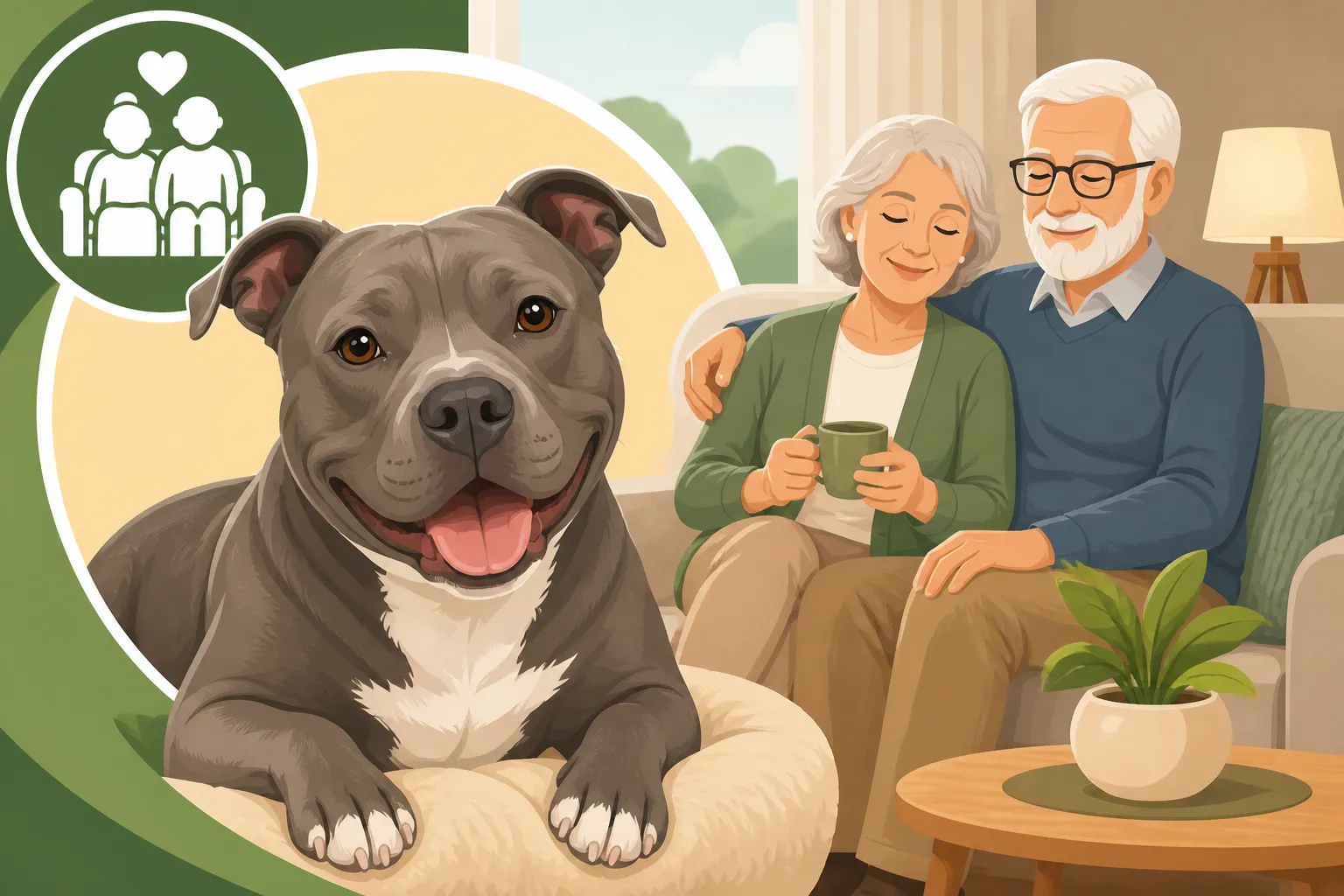
Pit Bulls for Retired and Quieter Households
It's a common misconception that Pit Bulls are only suitable for hyper-active, high-octane households, leaving many retirees or those seeking a calmer pace feeling like this wonderful type of dog might be out of reach. The truth is, a well-matched Pit Bull can thrive in a quieter home, bringing immense joy and companionship. This guide will help you understand how a Pit Bull's unique blend of energy, affection, and loyalty can fit beautifully into a more relaxed lifestyle, and what considerations are most important for success.
Understanding the Pit Bull Temperament in a Quieter Setting
When people picture a Pit Bull, they often imagine a dog bursting with energy, needing hours of intense exercise. While many Pit Bulls certainly fit that bill, and they are powerful, athletic dogs by nature, it's a broad generalization. Just like people, individual Pit Bulls have varying energy levels and personalities. Many Pit Bulls mature into incredibly settled, affectionate, and downright lazy companions, particularly as they move past their boisterous puppy and adolescent phases. What they crave most is companionship and a secure, loving environment.
For a retired individual or a quieter household, this can be a perfect match. You often have more time to devote to consistent routines, gentle training, and simply being present with your dog. This consistent presence and calm energy can be exactly what a Pit Bull needs to feel secure and content. They thrive on predictability and the strong bond formed with their human companions. Imagine having a loyal shadow, happy to nap at your feet while you read, or follow you contentedly around the garden. It's a stereotype that Pit Bulls are always "on" – many are incredible cuddle bugs who are just as happy with a good belly rub as they are with a sprint in the park.
Dispelling Energy Myths and Embracing the Couch Potato
It’s easy to fall into the trap of thinking every Pit Bull needs to run a marathon daily, but the reality is far more nuanced. While they certainly benefit from regular exercise to maintain muscle and joint health, not all Pit Bulls require the same intensity. Many will be perfectly happy with a couple of good, brisk walks a day, maybe a session of fetch in a securely fenced yard, and plenty of mental stimulation indoors. In fact, over-exercising a dog can sometimes lead to injuries, especially with such a physically powerful breed. Finding that sweet spot where their physical needs are met without overdoing it is key.
A quieter household often means fewer chaotic comings and goings, which can reduce stress for a dog that thrives on routine. These dogs often settle beautifully into a rhythm of gentle activity interspersed with long, luxurious naps. They become part of the furniture in the best possible way, always near, always ready for a reassuring pat. The idea that a Pit Bull is too energetic for a retired home often overlooks the breed's incredible capacity for calm affection when their core needs are met. Many senior Pit Bulls, in particular, would revel in a calm home environment where they can enjoy their golden years at a slower pace. You might find our article The Daily Exercise a Pit Bull Actually Needs helpful in setting realistic expectations for various life stages.
The Pit Bull's Affectionate and Loyal Nature
Beneath any muscular exterior, Pit Bulls are renowned for their deep loyalty and affectionate nature. They often form incredibly strong bonds with their primary caregivers, seeking out connection and companionship above almost all else. For someone who is retired or spends a significant amount of time at home, this translates into having a devoted friend who is always happy to see you, always ready for a snuggle, and deeply connected to your well-being. They can be wonderfully intuitive, often picking up on their owner's mood and offering quiet comfort.
This loyalty means they can be incredibly patient and eager to please, which makes them highly trainable – a huge plus for any owner, but especially for those who might prefer gentler training methods. They want to be involved in your daily life, whether it's supervising your gardening from a sunny spot on the patio or simply sharing your space while you relax. Their desire for connection makes them excellent companions for those who might otherwise experience loneliness, offering unconditional love and a constant, comforting presence. It's this innate desire to be part of the family unit that makes them shine in a home where they receive consistent attention.
Matching Energy Levels: Exercise and Enrichment for a Pit Bull in a Calm Home
Even the most relaxed Pit Bull needs appropriate physical activity and mental stimulation to stay happy and healthy. The key for a quieter household is to focus on quality over quantity, and to incorporate enrichment that doesn't necessarily involve high-impact sports. This means mindful walks, engaging indoor games, and puzzle toys that keep their minds sharp without requiring you to run a marathon yourself.
Mindful Walks and Gentle Outdoor Activities
Instead of focusing on speed or distance, consider your walks as opportunities for exploration and bonding. A Pit Bull, even an older one, will enjoy sniffing out new scents, observing their surroundings, and just being out with you. Two or three brisk walks a day, each lasting 20-30 minutes, can be perfectly sufficient for many Pit Bulls. This isn't about setting personal bests; it's about enjoying the fresh air together and letting your dog engage with the world at a comfortable pace.
If you have a securely fenced yard, short bursts of fetch or tug can provide excellent cardiovascular exercise without overexertion. Even gentle games of "find the treat" hidden in the grass can be mentally stimulating. Remember, consistency is often more important than intensity. A routine of regular, moderate activity helps maintain a healthy weight and keeps their joints supple, which is especially important as they age. For owners concerned about joint health, particularly for a breed known to be susceptible, a consistent, moderate exercise routine is vital, alongside good nutrition. You can read more about this in Pit Bull Obesity and Joint Strain.
Indoor Games and Mental Stimulation
Mental stimulation is just as crucial as physical exercise for a Pit Bull, and it’s something easily provided in a quieter household. Puzzle toys and slow feeders are fantastic ways to engage their minds and make meal times an enriching experience. You can find a great selection of these at places like Chewy, offering various levels of difficulty to keep your Pit Bull challenged. Hiding treats around the house for them to sniff out is another simple yet effective game that taps into their natural instincts and doesn't require much physical effort from you.
Training sessions, even short ones (5-10 minutes a few times a day), can be incredibly rewarding. Teaching new tricks, practicing basic obedience, or even trying out some simple scent work engages their brains and strengthens your bond. Pit Bulls are intelligent and love to learn, especially when positive reinforcement is involved. These kinds of activities prevent boredom, which can lead to destructive behaviors, and keep your Pit Bull feeling engaged and content within their home environment. For some great ideas, check out Indoor Trick Work for a Bored Pit Bull.
Navigating Socialization and Public Perception with a Pit Bull
One of the biggest concerns for any Pit Bull owner, particularly those in quieter or less boisterous social circles, can be how their dog is perceived by others. It’s an unfortunate reality that Pit Bulls carry a stereotype, and being prepared to manage public interactions with grace and confidence is crucial.
Controlled Socialization and Positive Encounters
For a Pit Bull in a retired or quieter home, socialization might look a little different than for a dog living in a bustling urban environment. Instead of dog parks or large gatherings, focus on controlled, positive interactions. This could mean meeting trusted friends' dogs in a neutral, quiet setting, or taking walks at less busy times in your local park. The goal is to ensure your Pit Bull has positive experiences with other dogs and people, reinforcing their naturally good temperament.
Always be aware of your dog's body language and the comfort level of those around you. Sometimes, simply walking past someone with your Pit Bull on a loose leash, offering a friendly greeting, and moving on is the best interaction. It shows your dog can be calm and well-mannered. Remember that a Pit Bull's early experiences profoundly shape their adult demeanor, so even if adopting an older dog, consistent positive exposure is important. Consider reading Socializing a Pit Bull Puppy Thoroughly for more on the foundational importance of early experiences.
Managing Public Perceptions and Advocating for Your Dog
You might encounter individuals who are wary or even fearful of your Pit Bull, regardless of how sweet and well-behaved they are. It’s a frustrating reality many Pit Bull owners face. In these situations, your calm and confident demeanor is your best asset. Be polite, but firm. You don't need to justify your dog, but you can demonstrate their good manners. Consistent training, especially excellent leash manners and a reliable recall (even if just in a fenced area), will speak volumes.
Sometimes, a friendly conversation can help, but often, simply demonstrating responsible ownership is enough. Ensure your Pit Bull is always on a secure leash in public, and consider muzzle training as a proactive measure, not necessarily because your dog is aggressive, but because it can help reduce anxiety in public spaces and demonstrate your commitment to safety. This simple act can often disarm skeptics and shows a deep level of responsibility. For more on this, consider Muzzle Training Every Pit Bull Should Have.
Table: Common Pit Bull Stereotypes vs. Reality for Quieter Homes
| Stereotype | Reality for a Pit Bull in a Quieter Home |
|---|---|
| Always high-energy, needs constant running. | Many mature Pit Bulls have moderate energy needs, content with regular walks, yard play, and ample indoor lounging. Individual differences are significant. |
| Aggressive and unpredictable. | Pit Bulls are often deeply affectionate and loyal to their families. Their temperament is largely a product of genetics, early socialization, and consistent training. |
| Destructive if not constantly entertained. | Mental stimulation (puzzle toys, training) combined with moderate exercise is key to preventing boredom. They enjoy routine and a calm environment. |
| Not suitable for older owners. | Their strong bond and desire for companionship can make them ideal for retirees who can offer consistent presence, gentle training, and a predictable routine. |
| Hard to manage due to strength. | While strong, they are intelligent and eager to please, making them highly trainable with positive reinforcement. Proper equipment (harnesses, leashes) helps. |
Creating a Peaceful Home Environment: Training and Management
A harmonious home environment is crucial for any dog, and especially so for a Pit Bull. Establishing clear boundaries, consistent routines, and providing appropriate tools for comfort and safety will ensure both you and your Pit Bull thrive in a quieter household.
Consistent Routines and Gentle Training Methods
Pit Bulls, like most dogs, thrive on routine. A predictable schedule for feeding, walks, potty breaks, and playtime helps them feel secure and reduces anxiety. In a quieter household, it's often easier to maintain this consistency, which benefits your dog immensely. Gentle, positive reinforcement training methods work wonderfully with Pit Bulls, who are generally eager to please and intelligent. Focus on rewarding desired behaviors rather than punishing unwanted ones. This builds trust and strengthens your bond, creating a cooperative relationship rather than one based on fear.
Even simple commands like "sit," "stay," and a reliable "come" are incredibly important for safety and good manners, both at home and when out on walks. Consistency in applying these commands throughout the day, in various situations, will reinforce good behavior. Remember, every interaction is a training opportunity. Whether it’s asking for a sit before dinner or waiting politely at the door, these small moments add up to a well-mannered companion. For tips on managing common Pit Bull issues, consider reading Pit Bull Chewing and Destructive Behavior.
Providing Comfort and Safe Spaces
Every dog needs its own safe space, a spot where they can retreat and feel secure. For a Pit Bull, this might be a comfortable crate, a cozy bed in a quiet corner, or even a specific mat they associate with relaxation. Ensure this space is always available and respected by everyone in the household. Comfort is paramount, especially for a dog that loves to lounge. Invest in a durable, comfortable bed that can withstand their natural desire to dig and nest. You can find many robust options at retailers like Chewy.
Consider elements like temperature control in your home, especially if your Pit Bull has a short coat that might make them more sensitive to cold. Providing blankets or a cozy sweater in winter months can make a big difference. Similarly, ensure they have access to cool spots and plenty of fresh water during warmer weather. As Pit Bulls age, these comforts become even more important for their well-being. Keeping an eye on their general comfort and health becomes even more important. It's good to be aware of issues like Pit Bull Ear Infections and What Drives Them or simply ensuring good Pit Bull Dental Cleaning Schedule to prevent discomfort.
Managing Potential Challenges with Patience
While many Pit Bulls are wonderful companions for quieter homes, it's realistic to acknowledge that challenges can arise. These might include managing their strength on a leash, addressing potential dog selectivity (where they prefer certain dogs over others), or dealing with any health issues that may crop up as they age. Your patience and commitment are key. For instance, a strong pulling Pit Bull on a walk might benefit from a front-clip harness or head halter to make walks more enjoyable for both of you.
If you adopt a rescue Pit Bull, especially an older one, they might come with some history or quirks. Patience, a consistent routine, and positive reinforcement will go a long way in helping them adjust. If you encounter behavioral issues that feel beyond your scope, don't hesitate to seek guidance from a qualified, positive reinforcement trainer experienced with Pit Bulls. They can provide tailored strategies to ensure your dog integrates happily into your peaceful home. The dedication you show will be returned tenfold in the love and companionship your Pit Bull provides. A Pit Bull Confused in Rooms It Knows is an excellent resource for managing the cognitive changes that can sometimes happen in senior dogs, which can be particularly relevant in a quiet home.
Disclaimer
This article is for general informational purposes only and does not constitute professional advice. Laws, prices and regulations vary by location and change over time. Consult a qualified professional for guidance on your specific situation.