A Pit Bull Confused in Rooms It Knows
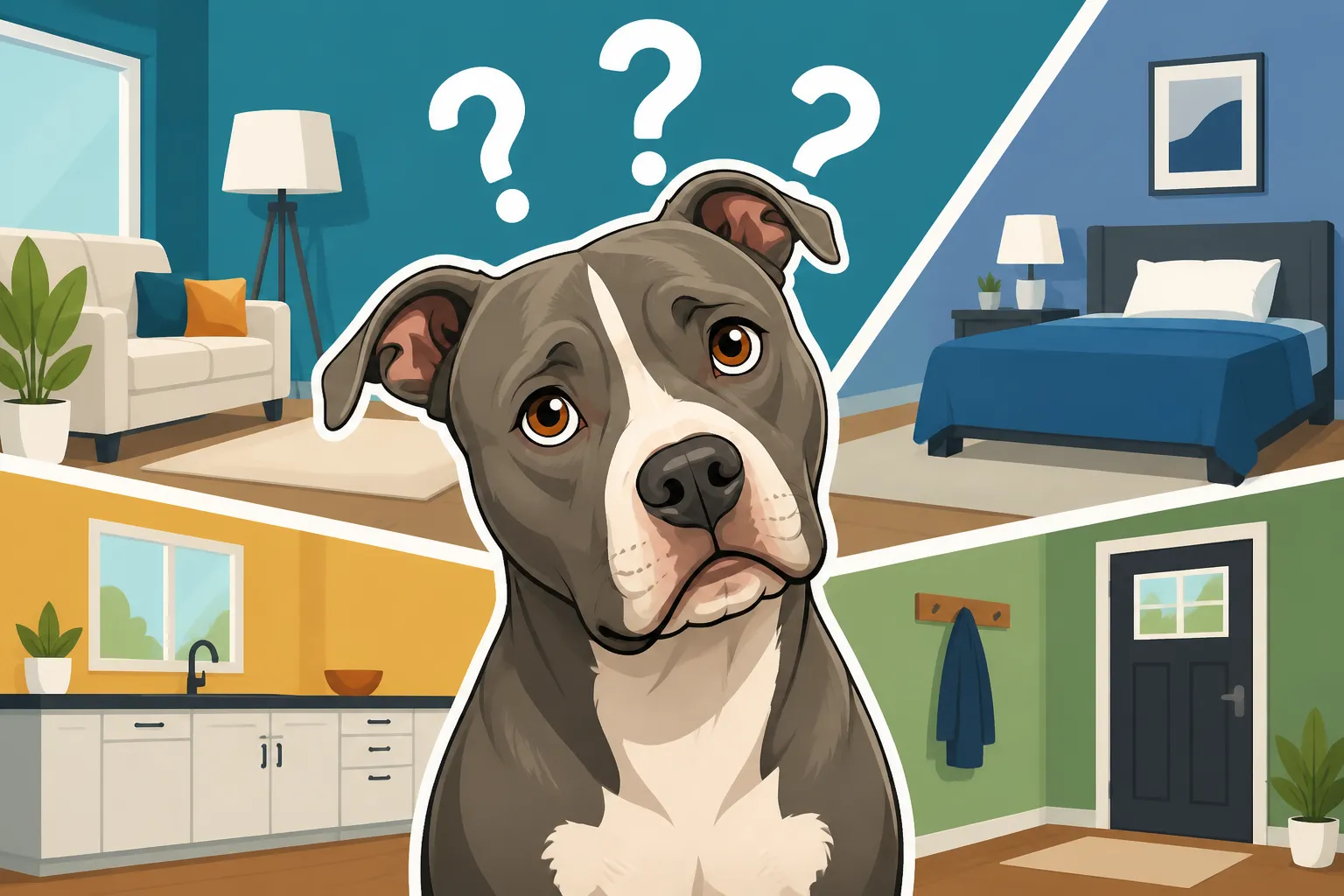
It’s incredibly unsettling to watch your beloved Pit Bull, a dog who knows every nook and cranny of your home, suddenly look lost in a familiar hallway or get stuck behind a chair they’ve navigated a thousand times. This confusion in rooms they’ve always known isn’t just a quirky sign of old age; it’s a red flag that something more significant might be happening. This guide aims to explore the various reasons your Pit Bull might be experiencing disorientation, from cognitive changes to underlying medical issues, and how you can support them through these challenging times.
Understanding Canine Cognitive Dysfunction
When we talk about a dog acting confused, especially as they get older, the first thing many veterinarians consider is Canine Cognitive Dysfunction, or CCD. Think of it as doggy dementia, a progressive neurodegenerative disease similar to Alzheimer's in humans. It's a heartbreaking condition to witness because it fundamentally alters the way your dog interacts with their world and with you. Many owners initially dismiss these signs, thinking their dog is just "slowing down" or "getting quirky in old age," but recognizing CCD for what it is can open doors to management and support that significantly improve their quality of life.
What is CCD and How Does it Manifest?
Canine Cognitive Dysfunction isn't just about confusion; it's a syndrome that encompasses a range of behavioral changes. The common acronym used to remember the signs is DISHA: Disorientation, Interactions (altered), Sleep-wake cycle changes, House soiling, and Activity level changes. Disorientation is a primary indicator, often showing up as your Pit Bull wandering aimlessly, getting lost in familiar rooms, or struggling to navigate around obstacles they once cleared with ease. They might stand staring blankly at a wall, or go to the wrong side of a door they've used for years.
Beyond the navigation issues, you might notice alterations in their social interactions. Perhaps your once-gregarious Pit Bull now seems less interested in greeting you, or they might even snap or become anxious when approached unexpectedly. Their sleep patterns can become erratic; they might pace and whine at night, disrupting your sleep and theirs, only to sleep heavily during the day. House soiling, even in dogs who have been perfectly house-trained their entire lives, becomes a distressing issue for both dog and owner. And their general activity levels might shift, either becoming more lethargic or, paradoxically, restless and agitated. It’s a slow, often insidious process, making it difficult to pinpoint exactly when the changes began.
Early Signs of Disorientation in a Familiar Environment
The specific scenario of a Pit Bull being confused in rooms it knows is a hallmark early sign of CCD. You might observe your usually confident dog hesitating at a doorway, as if unsure which way to go, or entering a room and then looking utterly perplexed about why they're there. Imagine your Pit Bull, who has always known exactly where their favorite bed is or where the food bowl lives, suddenly walking past it several times without recognizing it, or even getting "stuck" in a corner, unable to figure out how to back out.
These moments can be fleeting at first, easily rationalized away. Perhaps they just didn't see you, or they were distracted. But as these incidents become more frequent, it becomes clear it's not a one-off. They might struggle to find the back door to go potty, despite having used it daily for years. Or they might stand in the middle of a room, looking around with a puzzled expression, occasionally bumping into furniture or walls they previously navigated effortlessly. It's an unnerving experience for an owner, watching a dog who once moved with such purpose suddenly lose their internal map.
Differentiating CCD from Other Conditions
While CCD is a strong contender when an older Pit Bull shows confusion, it's absolutely crucial not to jump to conclusions. Many other medical conditions can mimic the symptoms of cognitive dysfunction, and some of them are treatable or manageable. For instance, severe arthritis could make a dog reluctant to navigate stairs or tight spaces, making them appear "stuck" or hesitant. Vision loss can cause a dog to bump into things or seem disoriented in dim light, especially if furniture has been moved. Even certain metabolic imbalances or pain can affect a dog's overall demeanor and coordination, leading to a confused appearance.
This is why a thorough veterinary examination is paramount. Your vet needs to rule out other treatable conditions before a diagnosis of CCD can truly be considered. It takes an experienced eye and a systematic approach to tease apart what might be a cognitive decline versus a physical ailment or even a more acute neurological event. Rushing to self-diagnose can lead to missing a potentially treatable problem, so always start with a visit to your trusted veterinarian.
Other Medical Reasons for Disorientation
Beyond Canine Cognitive Dysfunction, a variety of other health issues can cause a Pit Bull to appear disoriented or confused in their own home. It’s easy to attribute everything to age, but that can lead us to overlook conditions that are treatable and could significantly improve your dog's quality of life. Understanding these possibilities is crucial for advocating for your Pit Bull's health.
Vision and Hearing Loss
As our Pit Bulls age, their senses, much like our own, can start to decline. Gradual vision loss, often due to conditions like cataracts or progressive retinal atrophy, can make familiar rooms seem confusing. Imagine trying to navigate your home in the dark—you'd likely be hesitant, bump into things, and generally feel disoriented. A dog with failing eyesight experiences something similar. They might hesitate at thresholds, be more prone to startling if approached from their blind side, or struggle in low-light conditions where they once moved with confidence. Even moving a piece of furniture a few inches can throw off their mental map, causing them to bump into it and appear confused. You might notice them relying more on their sense of smell or touch, or clinging closer to you during walks. If you suspect your Pit Bull is losing their sight, consulting with your vet can help differentiate age-related changes from other eye conditions. You might also notice An Old Pit Bull Losing Sight and Hearing as part of the aging process.
Similarly, hearing loss can contribute to a sense of disorientation. A dog who can't hear your approach or familiar household sounds might feel more isolated or startle easily. They might not respond to their name or commands, which an owner could misinterpret as stubbornness or confusion. When they fail to hear cues that typically orient them in their environment—like the sound of the refrigerator opening, or family members moving about—they might appear disengaged or lost. While not directly causing physical disorientation, the psychological impact of sensory deprivation can certainly contribute to a confused demeanor.
Neurological Conditions and Brain Tumors
Sometimes, the confusion isn't just about age or declining senses; it points to a more serious underlying neurological problem. Conditions like seizures can manifest in many ways, not always as dramatic convulsions. Subtle partial seizures might cause a dog to stare blankly, twitch, or appear momentarily confused and unresponsive. These "silent" seizures can be particularly hard for owners to recognize, but they can profoundly impact a dog's awareness and orientation. Strokes are another possibility, causing sudden onset weakness, circling, head tilting, or profound disorientation that may or may not improve over time. A Pit Bull that suddenly experiences balance issues or begins walking in circles could be suffering from a stroke or another vestibular issue.
Perhaps most concerning are brain tumors. These growths can directly affect areas of the brain responsible for memory, navigation, and executive function. Symptoms of a brain tumor can include changes in personality, seizures, weakness, vision loss, or indeed, profound confusion and disorientation. The onset might be gradual or quite sudden. If your Pit Bull is experiencing new neurological symptoms, particularly if they are progressive, it's vital to seek immediate veterinary attention. Dealing with a severe condition like a brain tumor or stroke can bring about unexpected and high veterinary bills. Having robust pet insurance coverage, like that offered by Healthy Paws, can offer a lifeline, ensuring you're able to pursue every diagnostic and treatment option without undue financial stress. These conditions require advanced diagnostics and sometimes even specialist care. You might also be interested in learning more about Cancers That Show Up in an Older Pit Bull to be aware of other potential health issues. In some cases, a Pit Bull might even experience A Pit Bull That Collapses Without Warning, which is a critical emergency requiring immediate veterinary attention.
Metabolic Diseases and Pain
Internal diseases that affect the body's chemistry can also lead to symptoms that look like confusion or disorientation. For example, an underactive thyroid (hypothyroidism) can cause lethargy, weight gain, and even dullness or behavioral changes that might be interpreted as confusion. The thyroid gland plays a role in metabolism and brain function, so when it's not working correctly, it can affect everything. Similarly, advanced liver or kidney disease can cause a buildup of toxins in the bloodstream that then affect brain function, leading to symptoms like dullness, staring, pacing, or outright disorientation, a condition sometimes referred to as hepatic encephalopathy.
Chronic pain, while not directly a brain issue, can dramatically alter a dog's behavior and make them seem confused. A Pit Bull suffering from severe arthritis, particularly in their hips or spine, might be reluctant to move or get stuck in positions because it's simply too painful to adjust. They might avoid certain rooms, struggle with stairs, or hesitate before jumping onto furniture, which could be misconstrued as disorientation rather than physical discomfort. Imagine trying to navigate your home with severe joint pain; you'd likely move slowly, carefully, and might even avoid certain areas. Dogs mask pain incredibly well, so a subtle hesitation or change in gait might be the only clue. Understanding Arthritis in a Pit Bull at Seven and how it manifests can help you catch these subtle signs earlier. If your Pit Bull is showing signs of Hypothyroidism and a Thinning Pit Bull Coat, it's definitely worth discussing with your vet to rule out metabolic disease.
Environmental and Behavioral Factors
Sometimes, the confusion a Pit Bull exhibits isn't solely rooted in a medical condition, but rather in their environment or their emotional state. These factors can exacerbate existing issues or create new challenges that make a familiar home suddenly feel disorienting. As devoted owners, it's easy to overlook how deeply our dogs are affected by changes we might consider minor.
Changes in Routine or Home Layout
Pit Bulls, like many dog breeds, are creatures of habit. They thrive on routine and predictability. They learn the rhythm of the household – when meals are served, when walks happen, where their favorite napping spots are, and the exact placement of every piece of furniture. A sudden or even gradual change in this established order can be surprisingly disorienting, especially for an older dog or one with a sensitive temperament. Moving furniture, even just rearranging a couch or adding a new rug, can throw off their internal map. What might seem like a small alteration to us can be a major navigational challenge for a dog who relies on spatial memory and scent markers.
Think about it: if you suddenly moved your bedroom door to another wall, you'd likely walk into a closet or blank wall a few times before your brain adjusted. For a dog, whose world is often confined to the home, such changes can be profound. It’s not uncommon for an older Pit Bull to hesitate or bump into a newly placed ottoman, or to stare at the spot where their water bowl used to be, even if it's been moved just a few feet. Even a shift in your daily schedule, such as a new work-from-home arrangement ending, or a new family member moving in, can disrupt their sense of predictability, leading to stress that manifests as confusion or restlessness.
Stress and Anxiety
Anxiety can make even the most familiar environment feel unsafe or overwhelming. A Pit Bull experiencing stress, whether from separation anxiety, noise phobias, or generalized anxiety, might exhibit behaviors that appear as confusion. A dog with separation anxiety, for instance, might pace frantically, pant excessively, and be unable to settle when left alone. This frantic energy can make them seem disoriented, wandering from room to room as if searching for something or someone, unable to engage with their usual comforts. They might stand at the window or door, whining, not truly seeing the familiar surroundings because their mental state is so focused on panic. A Pit Bull That Panics When the Door Shuts often exhibits these types of behaviors, which can easily be mistaken for cognitive decline.
Similarly, loud noises like thunderstorms or fireworks can send an anxious Pit Bull into a state of panic, causing them to hide, tremble, or pace aimlessly. In this heightened state of fear, their cognitive functions can be impaired, leading them to get "stuck" in a corner or under furniture, not because they don't know where they are, but because they are too terrified to process their surroundings clearly. Owners might observe them acting "odd" or "confused" when, in reality, they are simply overwhelmed by stress. Recognizing the signs of anxiety and addressing them with appropriate strategies, whether through training, behavioral modification, or medication, can sometimes alleviate these seemingly disoriented behaviors.
Medication Side Effects
It's a truth universally acknowledged by pet owners that sometimes the very medications meant to help our dogs can come with a host of unexpected side effects. If your Pit Bull has recently started a new medication, or had a dosage change, and you're noticing new signs of confusion, it's definitely something to consider. Many common medications can cause drowsiness, dizziness, or even a disoriented state. For instance, certain sedatives used for anxiety or before veterinary procedures can leave a dog feeling groggy and "out of it" for hours, or even a day or two.
Pain medications, especially some stronger options, can also have a sedative effect or cause some mental dullness. Anti-seizure medications, while vital for managing epilepsy, often have side effects that include lethargy, incoordination, and a somewhat "spacey" demeanor. Even some antihistamines given for allergies can make a dog drowsy. It’s a delicate balance, and sometimes the trade-off for managing a specific condition is a temporary shift in mental acuity. Always review any new symptoms with your veterinarian. They can assess if the confusion is a known side effect, if the dosage needs adjustment, or if an alternative medication might be more suitable. Never stop or change your dog's medication without professional veterinary advice, but certainly don't hesitate to voice your concerns if you suspect a drug is causing disorientation.
The Veterinary Approach to Diagnosis
When your Pit Bull starts showing signs of confusion in their own home, the first and most critical step is a comprehensive veterinary visit. It's a journey of elimination, where your vet systematically rules out various conditions to arrive at the most accurate diagnosis. This isn't just a quick check-up; it's a detective story that requires careful observation, medical history, and sometimes a battery of tests.
Comprehensive Physical and Neurological Exams
Your veterinarian will begin with a thorough general physical examination, looking for any overt signs of pain, discomfort, or systemic illness. They’ll check your Pit Bull's heart, lungs, abdomen, and feel for any lumps or bumps. But when confusion is a primary symptom, a focused neurological exam is especially crucial. This involves assessing your dog's gait and coordination—do they stumble? Drag their feet? Walk in circles? The vet will check their reflexes, such as their paw placement response and menace response (blinking when a hand moves towards their eye), to see if there are any deficits.
Cranial nerves will also be evaluated, which involves checking pupil responses, facial symmetry, and tongue movement. Your vet will specifically test their vision and hearing as well, as these sensory losses can be confused with cognitive decline. Don't be surprised if they also recommend a complete blood count (CBC), chemistry panel, and urinalysis. These routine blood tests can reveal a wealth of information about organ function (kidney, liver), screen for conditions like anemia, infection, diabetes, and evaluate electrolyte balance. A thyroid panel is often included, as an underactive thyroid can manifest with neurological symptoms. While initial vet visits might seem routine, they can quickly escalate to specialized tests. Families often appreciate knowing they have coverage, and many Pit Bull owners choose providers like Healthy Paws for their comprehensive illness and accident plans. It's always a good idea to ensure your Pit Bull's health history includes regular check-ups, and if you are unsure about what is typically tested, you can learn more about The Bloodwork an Old Pit Bull Should Have and When a Pit Bull Thyroid Panel Is Worth Running.
Advanced Diagnostics: MRI, CT Scans, Spinal Taps
If the initial physical and neurological exams, coupled with routine blood work, don't provide clear answers or strongly suggest a central nervous system issue, your vet might recommend advanced imaging. Magnetic Resonance Imaging (MRI) or Computed Tomography (CT) scans offer detailed cross-sectional views of the brain and spinal cord. These scans are invaluable for detecting abnormalities like brain tumors, inflammation, strokes, or structural changes that could be causing your Pit Bull's disorientation. They are non-invasive in the sense that they don't involve surgery, but they do require general anesthesia, which carries its own risks, particularly for older or medically compromised dogs.
In some cases, a spinal tap (cerebrospinal fluid analysis) might be recommended. This procedure involves collecting a small sample of fluid that surrounds the brain and spinal cord. The fluid is then analyzed for signs of infection, inflammation, or other neurological diseases. These advanced diagnostics can be costly and are often performed by veterinary specialists or at emergency animal hospitals. However, they are often the only way to get a definitive diagnosis for complex neurological conditions. When facing the potential for these more invasive and costly tests, many owners find that pet insurance, such as a plan from Healthy Paws, can make these crucial decisions about advanced diagnostics much more manageable, allowing them to focus on their dog's care rather than the overwhelming financial burden.
Behavioral Questionnaires and Owner Observations
While diagnostic tests provide objective medical data, your observations as the owner are equally, if not more, critical, especially when diagnosing Canine Cognitive Dysfunction. You are with your Pit Bull day in and day out; you know their nuances, their routines, and every subtle shift in their behavior. Your vet will likely ask you to fill out a detailed questionnaire specifically designed to assess cognitive function. These questionnaires often touch on the DISHA acronym (Disorientation, Interactions, Sleep-wake cycle, House soiling, Activity level).
Be prepared to provide specific examples: "He got stuck behind the kitchen table three times last week," or "He used to greet me at the door, now he sometimes just stares from his bed." Keep a journal of incidents, noting the time, date, specific behavior, and how long it lasted. This detailed account helps your vet build a clearer picture of the progression and nature of the confusion. Your observations are the cornerstone of a CCD diagnosis, as there isn't a single definitive blood test for it. By working closely with your vet and providing thorough information, you empower them to make the most accurate assessment and recommend the best course of action for your beloved Pit Bull.
Managing Disorientation and Supporting Your Pit Bull
Discovering your Pit Bull is suffering from confusion, whether due to CCD or another condition, can feel overwhelming. However, there are many proactive steps you can take to make their life safer, more comfortable, and help slow the progression of cognitive decline. It’s about creating a supportive environment and working with your vet on appropriate treatments.
Environmental Modifications for Safety and Comfort
One of the most immediate and impactful things you can do for a disoriented Pit Bull is to make their home environment as safe and predictable as possible. Since they struggle with navigating familiar spaces, try to keep furniture in consistent locations. Avoid rearranging rooms, as this can be incredibly confusing. For dogs prone to getting "stuck" behind furniture, consider blocking off those areas or creating clearer, wider pathways. Placing non-slip rugs on slick floors can help a dog with unsteady footing, reducing anxiety and preventing falls.
Consider using nightlights in hallways or rooms your Pit Bull frequents, especially if their disorientation is worse in low light. Consistent feeding and watering stations are essential; avoid moving their bowls. If they struggle to find their bed, place it in an easily accessible, quiet spot and ensure they have a clear path to it. For dogs prone to wandering or getting lost in specific areas, baby gates can be used to safely restrict access to certain parts of the house, like stairs or rooms with potential hazards. Remember, the goal is to reduce cognitive load and potential for frustration, making their world feel secure and predictable again. Providing Caring for a Pit Bull in Its Second Decade often involves many of these thoughtful environmental adjustments.
Treatment Options for Canine Cognitive Dysfunction
While there’s no cure for Canine Cognitive Dysfunction, there are treatments available that can help manage symptoms and slow its progression, significantly improving your Pit Bull's quality of life. One of the most common approaches involves dietary changes. Foods rich in antioxidants, Omega-3 fatty acids, and medium-chain triglycerides (MCTs) have been shown to support brain health. Many veterinary prescription diets, such as Purina Pro Plan Veterinary Diets NeuroCare or Hill's Prescription Diet b/d Canine, are specifically formulated with these brain-boosting nutrients. Discussing these options with your vet is crucial, as they can recommend the best diet for your dog's specific needs.
Beyond diet, your vet might prescribe medications. Selegiline (Anipryl) is a commonly prescribed drug that can help improve cognitive function by affecting neurotransmitters in the brain. It's not a magic bullet, but many owners report improvements in their dog's activity levels, social interactions, and orientation. Other supplements, like S-adenosylmethionine (SAMe) or those containing various nutraceuticals, might also be suggested to support liver and brain health. It's important to remember that these treatments aim to manage the condition and slow its decline, not reverse it entirely. Consistency in administration and regular follow-ups with your vet are key to maximizing their effectiveness. For a muscular Pit Bull, maintaining good joint health is also important, so exploring Joint Support for a Heavily Muscled Pit Bull can be beneficial alongside cognitive treatments.
Enrichment and Routine to Maintain Mental Acuity
Even with cognitive decline, mental stimulation remains important. Gentle enrichment can help maintain existing cognitive function and prevent further deterioration. Keep your Pit Bull on a consistent daily routine for feeding, potty breaks, and walks. Predictability is soothing and reduces anxiety. Incorporate short, positive training sessions, revisiting familiar commands like "sit" or "stay." Even if they struggle, the act of engagement can be beneficial.
Puzzle toys, especially those that dispense food, can provide gentle mental exercise during meal times. Fill them with a portion of their daily kibble, making them "work" a little for their meal. Scent games, like hiding treats around an easily navigable room, can engage their powerful sense of smell and offer a rewarding activity. While strenuous exercise might be out, gentle walks in familiar, safe environments are still valuable for physical health and mental stimulation. Most importantly, continue to provide plenty of calm, affectionate human interaction. Reassurance, gentle petting, and consistent loving presence can go a long way in making a confused Pit Bull feel safe and loved in their own home. Remember, while your Pit Bull may be changing, your bond with them remains steadfast.
| Symptom Category | Canine Cognitive Dysfunction (CCD) | Vision/Hearing Loss | Pain/Arthritis | Neurological Issues (e.g., Tumor, Stroke) |
|---|---|---|---|---|
| Disorientation | Getting lost in familiar rooms, staring at walls, struggling to navigate known paths. | Bumping into objects, hesitancy in dim light, confusion in new environments, difficulty finding objects. | Hesitancy to move, getting "stuck" in positions, avoiding stairs or tight spaces, limping. | Sudden onset confusion, circling, head pressing, balance issues, seizures, acute changes in navigation. |
| Interaction | Reduced interest in greeting, irritability, altered social behavior. | Startled easily if approached from blind side, less responsive to verbal cues. | Reduced desire to play or interact due to discomfort, guarding painful areas. | Personality changes, aggression, withdrawal, unresponsiveness. |
| Sleep-Wake Cycle | Pacing/vocalizing at night, sleeping more during the day. | May be more restless at night due to anxiety/disorientation in the dark. | Difficulty getting comfortable, restless sleep due to pain, pacing due to discomfort. | Lethargy, stupor, or extreme restlessness depending on location of lesion. |
| House Soiling | Accidents indoors despite prior training, forgetting to signal to go out. | May have accidents if unable to find the door or unable to hear owner's cues. | May be too painful to get outside in time, leading to accidents. | Loss of bladder/bowel control, unawareness of need to eliminate. |
| Activity Level | Decreased purposeful activity, apathy, restlessness, repetitive behaviors (pacing). | Hesitancy to explore new areas, reduced outdoor activity for fear of bumping into things. | Reduced desire for walks or play, difficulty rising or lying down, stiffness. | Weakness, paralysis, ataxia (uncoordinated movement), seizures, lethargy or hyperactivity. |
Disclaimer
The information provided in this article is for general informational purposes only and is not intended as a substitute for professional veterinary advice, diagnosis, or treatment. Always seek the advice of your veterinarian or other qualified health provider with any questions you may have regarding a medical condition.