The Words Pit Bull Owners Reach For
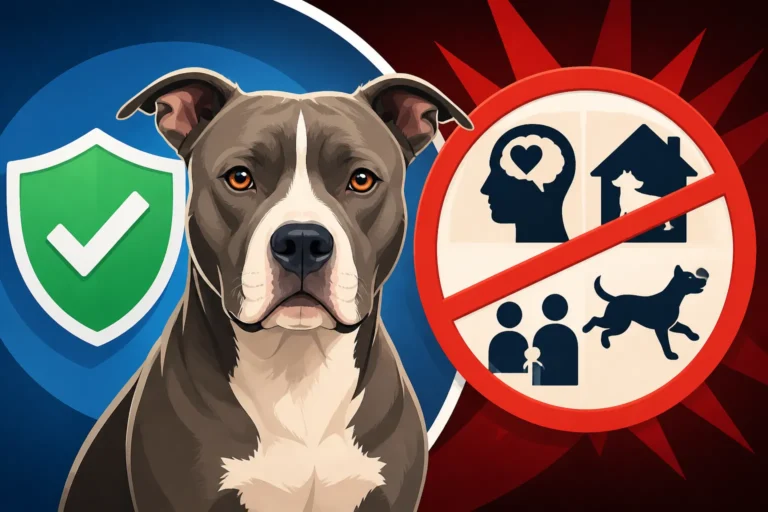
One of the most profound challenges for Pit Bull owners isn't always about training or managing their beloved dogs, but rather the constant need to manage public perception through their language. When you own a dog that comes with so much baggage, sometimes the very words you use to describe them, their behavior, or their needs can either build bridges of understanding or unintentionally reinforce negative stereotypes. This guide is all about those powerful words and phrases Pit Bull owners rely on every day to advocate for their dogs, correct misunderstandings, and simply help others see their furry family members for who they truly are.
Navigating the Terminology Minefield
The struggle often begins with the name itself. "Pit Bull" isn't a single breed recognized by all major kennel clubs, which creates a significant source of confusion and misidentification. For owners, this means constantly being prepared to clarify, educate, and sometimes even defend, simply based on how their dog looks or is labeled.
"Pit Bull" as a Blanket Term vs. Specific Breeds
It's a frustrating reality that the term "Pit Bull" has become a catch-all for a variety of dogs that share certain physical characteristics – a strong, muscular build, a broad head, and a short coat. This broad categorization, while convenient for some, utterly fails to acknowledge the distinct breeds that exist and the individual differences within them. When someone points to your dog and says, "Oh, a Pit Bull!", they might not be wrong in a general sense, but they're often missing the nuance that dedicated owners understand.
For instance, many dogs commonly referred to as "Pit Bulls" are actually American Pit Bull Terriers, recognized by the United Kennel Club (UKC). Then you have the American Staffordshire Terrier, recognized by the American Kennel Club (AKC), which shares a common lineage but has developed along a slightly different path. The Staffordshire Bull Terrier, a much smaller cousin from England, is also frequently lumped into the "Pit Bull" category, despite its distinct history and temperament. And let's not forget the American Bully, a relatively newer breed specifically bred for a more robust, compact build. Each of these breeds has its own standard, its own history, and its own enthusiasts. The challenge for owners is helping others understand that these aren't just arbitrary distinctions, but represent specific genetics and traits. Knowing these differences can make a huge impact when you're discussing your dog's background, especially if you've adopted from a shelter that uses visual identification for labeling, which can sometimes be quite inaccurate.
The Impact of Misidentification on Owners
The casual misidentification of "Pit Bulls" isn't just an academic exercise; it has very real, tangible consequences for owners. Imagine trying to secure homeowners insurance, only to be denied or face exorbitant premiums because your beloved family dog, a well-behaved American Staffordshire Terrier, is visually identified by the insurer as a "Pit Bull" on their prohibited breed list. Or perhaps you're looking for a rental property, and the landlord immediately dismisses your application because their lease contains clauses that explicitly ban "Pit Bulls," even if your dog's DNA test shows a different primary breed. These are daily realities.
This isn't just about financial burdens; it’s about systemic bias. When authorities or even concerned neighbors visually categorize a dog, it can trigger breed-specific legislation in certain areas, leading to muzzling requirements, special permits, or even confiscation. Owners find themselves needing to arm themselves with precise language, often explaining that "Pit Bull" is a type, not always a singular breed, and sometimes needing to present documentation like DNA test results or registration papers. It’s an uphill battle to shift from a broad, often negative, label to a more accurate and nuanced understanding of their specific dog. This kind of prejudice forces owners to be constant educators, advocating for their dogs in every interaction, from the vet's office to the dog park. You can read more about how this impacts owners in How Shelters Decide a Dog Is a Pit Bull and Getting Home Insurance With a Pit Bull.
Words to Counter Misconceptions
Beyond correcting breed labels, Pit Bull owners frequently use specific language to proactively address and dismantle negative stereotypes about temperament and behavior. They understand that their dogs are often unfairly judged, and careful word choice can go a long way in shaping a more positive narrative.
Emphasizing Training and Good Citizenship
One of the most powerful tools a Pit Bull owner has is a well-trained dog. So, naturally, the language they use often highlights their dog's training achievements and good manners. Instead of just saying, "He's a good dog," an owner might say, "He's very well-trained, we've worked extensively on his impulse control," or "She's actually Canine Good Citizen and Why It Matters for a Pit Bull certified, and we're working towards her therapy dog certification." These phrases aren't just bragging; they are concrete evidence that the dog is a responsible and manageable member of society.
Owners might talk about their dog being "highly socialized" — explaining that this means they've been carefully exposed to many different people, places, and appropriate dog interactions from a young age. They'll use terms like "consistent training" and "positive reinforcement" to describe their methods, emphasizing a gentle but firm approach. This helps to paint a picture of a dog that is not only obedient but also well-adjusted and safe. Highlighting things like "sit," "stay," "leave it," and a solid "recall" demonstrates that the dog is under control, a critical factor in public perception. Many owners invest in quality training tools, often finding great options on sites like Chewy, to ensure they can achieve these high standards.
Describing Temperament and Personality
The public narrative often paints Pit Bulls as inherently aggressive, but owners know the truth is far different. They often find themselves reaching for words that convey the true, nuanced personality of their dogs. You'll hear them describe their Pit Bulls as "loving" and "affectionate" with their families, often to the point of being "velcro dogs" that crave closeness and cuddles. They're "gentle" with children (though, like any dog, should always be supervised), and incredibly "loyal" to their people.
Beyond the affection, owners frequently talk about their Pit Bulls' "clownish" or "goofy" side – their playful antics, silly expressions, and boundless enthusiasm that can bring a smile to anyone's face. They're often "people-oriented," thriving on interaction and eager to please, which makes them highly trainable. You might hear them use words like "resilient," especially if they've adopted a rescue dog that has overcome a difficult past. These words actively work to counter the fear-based stereotypes, inviting people to see the individual dog's warmth and unique character rather than a media-driven caricature.
Addressing Practicalities with Precise Language
Responsible Pit Bull ownership involves more than just good manners; it requires a deep understanding of the dog's physical and mental needs. Owners use specific language to communicate these requirements, ensuring their dog receives appropriate care and that others understand their management strategies.
Discussing Exercise and Enrichment Needs
Pit Bulls are athletic, powerful dogs, and their owners are acutely aware of their need for substantial physical and mental exercise. When describing this, they’ll often use terms like "high-energy" or "needs a job," indicating that a simple stroll around the block won't cut it. They might elaborate on activities they engage in, such as "long hikes," "agility training," or "weight pulling" (if done safely and appropriately). The goal is to convey that these dogs thrive on activity, which keeps them happy and well-behaved, rather than being an indication of an uncontrollable nature.
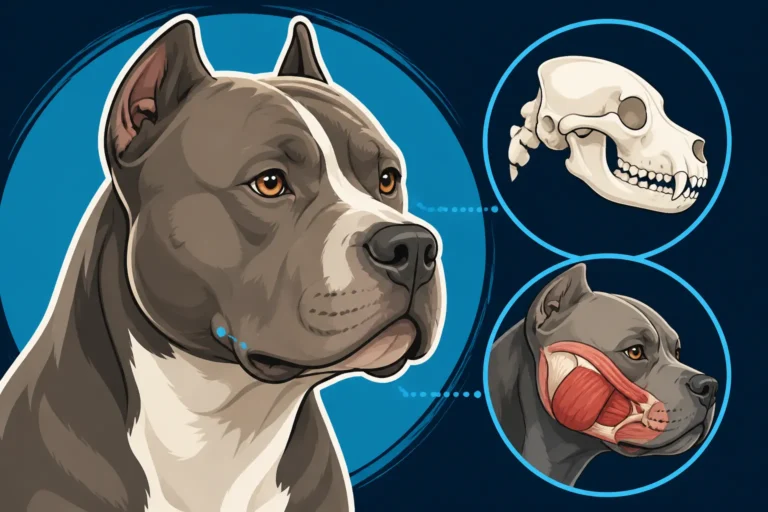
To manage that powerful physique, owners often talk about "building fitness safely," especially for a growing dog. They’ll also emphasize "mental enrichment," describing how they use "puzzle toys" or engage in "scent work" to keep their intelligent dogs challenged indoors. This kind of language helps people understand that a Pit Bull's energy is a positive trait when channeled correctly, and it helps other dog owners appreciate the dedication involved in keeping such an active breed content. Finding durable toys and enrichment items that can stand up to a Pit Bull's jaw strength is key, and many owners turn to retailers like Chewy for their robust selection. You can dive deeper into this topic in Pit Bull Exercise for a Powerful Athletic Dog.
Explaining Dog-Selectivity and Management
This is perhaps one of the most sensitive areas where precise language becomes crucial. Many Pit Bulls, as they mature, can become "dog-selective." This is often misunderstood as outright aggression, but responsible owners work hard to explain the nuance. They might say their dog "prefers human company" or "does best as an only dog." Instead of stating, "My dog doesn't like other dogs," which can sound harsh, they'll use terms like "managed introductions" or explain their "crate and rotate system" if they have multiple dogs in the home that aren't compatible for unsupervised interaction.
They understand that their dog’s play style might be too "rough and tumble" for some other breeds, and they might describe their dog as having "appropriate play partners" – meaning they only interact with dogs who match their energy and tolerance levels. The key here is proactive management and clear communication: "We keep her on a leash during walks to ensure everyone feels safe," or "He's great with our family cat, but we manage introductions carefully with new animals." This helps to set realistic expectations and demonstrates a commitment to preventing incidents, without resorting to misleading language or outright denial of a common breed trait. Pit Bull Dog Selectivity and Multi-Dog Homes offers more insight into this complex aspect of Pit Bull behavior.
Empowering Terms for Advocacy and Support
Beyond individual interactions, Pit Bull owners also use specific language to engage with broader communities, advocate for their dogs, and seek support. This includes language used in online forums, rescue groups, and discussions about breed-specific legislation.
Community and Support Terms
Finding a supportive community is vital for Pit Bull owners, as they often face judgment and isolation. Within these communities, certain terms become common currency. Owners proudly identify as "Pit Bull advocates," actively working to change negative perceptions and promote responsible ownership. They share stories and advice using phrases like "responsible ownership" and "education is key," emphasizing that actions, not breed, define a dog's character.
They often participate in "breed-specific rescue" efforts, supporting organizations dedicated to finding loving homes for Pit Bulls and Pit Bull-type dogs. When sharing success stories, they might talk about a dog's "transformation" or how they've "overcome adversity," highlighting the resilience of the dogs and the dedication of their new families. This shared vocabulary fosters a sense of solidarity and empowers owners to continue their important work of changing hearts and minds, proving that these dogs are just as deserving of love and understanding as any other. Many of these communities also share tips on where to find the best supplies for their unique dogs, often recommending online stores like Chewy for their variety of durable toys and specialized foods.
Legislative and Policy Discussions
When confronting breed-specific legislation (BSL) or navigating restrictive housing and insurance policies, Pit Bull owners turn to more formal and persuasive language. They advocate for "breed-neutral legislation," arguing that laws should focus on individual dog behavior and responsible ownership rather than targeting entire breeds based on appearance. They might cite data about the ineffectiveness of BSL or talk about "temperament testing" as a more accurate way to assess a dog's suitability for a community.
Owners also emphasize "responsible ownership clauses" in policies, suggesting that requirements for training, licensing, and proper containment are more effective than outright bans. They share personal testimonies of their well-behaved Pit Bulls and how they contribute positively to their neighborhoods. When discussing insurance, they might specifically seek out carriers that have "no breed restrictions" or highlight their dog's certifications to demonstrate a reduced risk profile. This measured and informed language is crucial in policy debates, aiming to replace fear with facts and promote fairness for all dogs and their owners. Understanding Where Pit Bull Legislation Still Applies is a critical aspect of this advocacy.
Here's a quick overview of some of these key terms:
| Category | Term | Owner's Intent / Purpose |
|---|---|---|
| Breed Clarification | American Pit Bull Terrier | To identify the specific breed, not just a generic "Pit Bull." |
| American Staffordshire Terrier | To distinguish from other similar-looking breeds. | |
| Staffordshire Bull Terrier | To clarify that the dog is smaller and distinct. | |
| American Bully | To identify the specific breed often mistaken for Pit Bulls. | |
| Behavior & Temperament | Well-trained | To highlight adherence to commands and good manners. |
| Canine Good Citizen (CGC) | To demonstrate a dog has passed a nationally recognized test. | |
| Socialized | To show careful exposure to diverse environments and people. | |
| Loving, Affectionate | To counter stereotypes of aggression. | |
| Gentle, Loyal | To describe positive family-oriented traits. | |
| Clownish, Goofy | To convey playfulness and a lighthearted personality. | |
| People-oriented | To explain their dog thrives on human interaction. | |
| Needs & Management | High-energy, Active | To communicate substantial exercise requirements. |
| Needs a job | To explain their dog thrives on mental and physical tasks. | |
| Puzzle toys, Scent work | To describe mental enrichment activities. | |
| Dog-selective | To explain selective social behavior with other dogs without implying aggression. | |
| Managed introductions | To describe careful supervision of new dog interactions. | |
| Crate and rotate | To describe a household management strategy for multi-dog homes. | |
| Advocacy & Policy | Pit Bull advocate | To identify as someone actively working to promote the breed. |
| Responsible ownership | To emphasize owner accountability over breed characteristics. | |
| Breed-neutral legislation | To advocate for laws based on behavior, not breed appearance. | |
| Temperament testing | To propose a fair method of assessing individual dogs. | |
| No breed restrictions | To seek out inclusive housing or insurance providers. |
Disclaimer
This article is for general informational purposes only and does not constitute professional advice. Laws, prices and regulations vary by location and change over time. Consult a qualified professional for guidance on your specific situation.