The Pit Bull ATTS Pass Rate in the Latest Results
It's incredibly frustrating when popular narratives overshadow the reality of a dog's character, especially for a Pit Bull. So many assumptions are made about these powerful, loving dogs, and it often feels like they're judged before anyone truly gets to know them. This guide is here to shed light on one of the most objective ways we can assess a dog's inherent stability and reactions: the American Temperament Test Society (ATTS) test, focusing on what its latest results mean for Pit Bulls and their devoted owners.
Understanding the American Temperament Test Society (ATTS)
When we talk about a dog's temperament, it can feel like a really subjective thing, right? One person sees a boisterous dog, another sees an aggressive one. That's where organizations like the American Temperament Test Society (ATTS) step in. They've developed a standardized test designed to observe how dogs react to a series of common, and sometimes uncommon, situations. It's not about proving a dog is a saint, but rather about assessing their stability and natural instincts under pressure.
What the ATTS Test Measures in a Pit Bull
The ATTS test is a pretty fascinating process, actually. It's not some aggressive "attack dog" trial, far from it. Imagine a series of carefully orchestrated scenarios that a dog encounters, designed to gauge their response to different stimuli. It covers things like a neutral stranger walking by, a friendly stranger approaching, and even a "threatening" stranger who might act a bit odd or make a sudden move. There are also tests for unusual visual stimuli, like an umbrella suddenly opening, and auditory stimuli, such as a loud noise.
For a Pit Bull, whose confidence and sometimes wary nature can be misunderstood, this test is particularly insightful. It's looking for a dog that reacts appropriately to these situations: showing curiosity, indifference, or perhaps a moment of caution, but then recovering quickly and without unprovoked aggression or extreme fear. A stable dog might bark at a sudden noise, but then quickly investigate or dismiss it. A dog that melts down or becomes uncontrollably aggressive or fearful at these stimuli would be considered to have a less stable temperament. The test measures resilience, composure, and the ability to process new information without overreacting. What the ATTS Test Measures in a Pit Bull
The Importance of Context and Interpretation
It’s absolutely crucial to remember that an ATTS test score, while valuable, is a snapshot in time. It's like looking at one photograph of a vast landscape; it gives you information, but it doesn't tell the whole story. A dog's individual experiences, how they've been raised, their training, and even their mood on that particular day can all influence their performance.
For instance, a rescue Pit Bull who has had a rough start might be more cautious with strangers, but with patient handling, could be an incredibly loving and stable companion. The test isn't designed to label a dog "good" or "bad," but to provide an objective assessment of certain behavioral traits. It helps us understand a dog's inherent tendencies, but doesn't account for the incredible impact of a loving home and consistent training. A pass means the dog demonstrated a stable temperament in those specific scenarios; it doesn't mean they'll never react to anything ever again, nor does a fail mean they are inherently dangerous. It simply indicates an area where their natural temperament may need more support or understanding. Why a Test Score Cannot Predict Your Pit Bull
Deciphering the Pit Bull ATTS Pass Rate
Now, let's get into the nitty-gritty of the pass rates. This is often where a lot of misconceptions about Pit Bulls either get challenged or, unfortunately, perpetuated. But when you look at the actual data, a very different picture emerges from the one often painted by sensationalized media.
The Latest ATTS Pass Rate for Pit Bulls
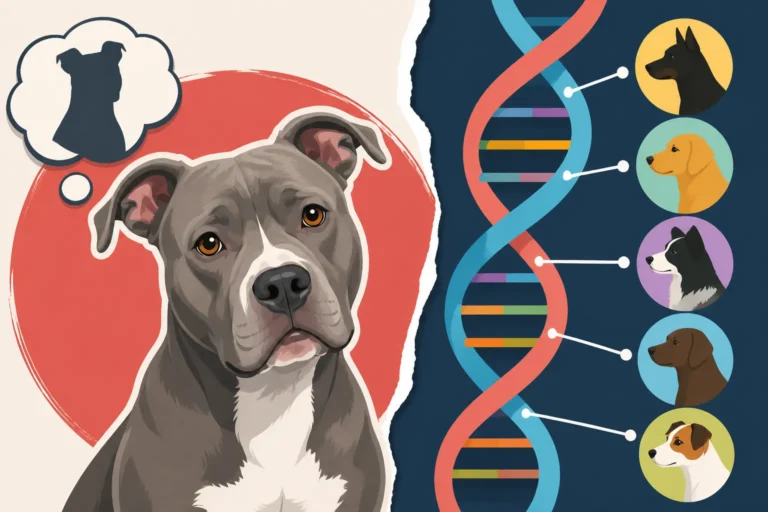
One of the biggest challenges when discussing "Pit Bull" ATTS rates is that "Pit Bull" isn't a single, recognized breed by all major kennel clubs. It's more of a type, encompassing breeds like the American Pit Bull Terrier (recognized by the UKC), the American Staffordshire Terrier (recognized by the AKC), and sometimes even the Staffordshire Bull Terrier. The ATTS provides data for specific breeds, and when you look at those commonly identified as "Pit Bulls" – particularly the American Staffordshire Terrier and American Pit Bull Terrier – the results are often quite eye-opening for those unfamiliar with the breed type.
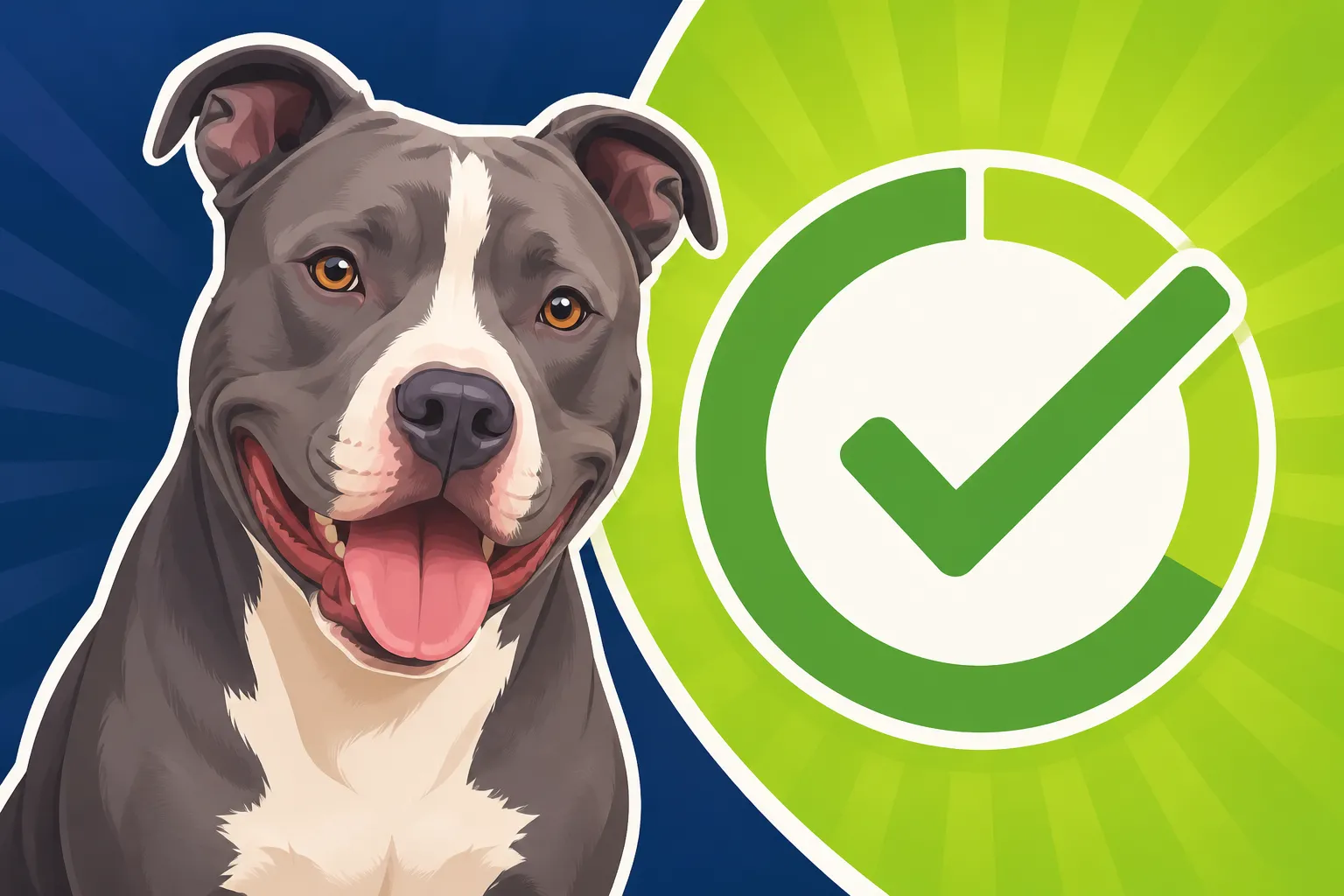
Consistently, the various Pit Bull type dogs demonstrate excellent pass rates on the ATTS temperament test, often on par with, or even exceeding, many breeds traditionally perceived as "family friendly" or "soft." Without giving specific, potentially outdated numbers (as statistics can fluctuate and are regularly updated), the general trend shows these dogs typically score well into the 80th percentile and higher. This means that a large majority of the Pit Bull type dogs tested display a stable, confident, and non-aggressive response to the varied stimuli presented during the test. They aren't melting down, showing undue fear, or reacting aggressively to normal encounters. The Pit Bull ATTS Pass Rate in the Latest Results
This often surprises people who have bought into the negative stereotypes. It shows that, on average, these dogs are temperamentally sound. For example, comparing their pass rates to breeds like Golden Retrievers or Beagles, you'll often find Pit Bull type dogs holding their own, if not slightly surpassing them. The Pit Bull ATTS Pass Rate Against Other Breeds It’s a powerful counter-narrative to the idea that Pit Bulls are inherently aggressive; the data simply doesn't support that claim.
Factors Influencing Individual Test Results
While the overall pass rates for Pit Bulls are consistently strong, it's vital to remember that these are averages. Every dog is an individual, a unique personality shaped by a multitude of factors. Just because the breed type generally scores well, doesn't mean every single Pit Bull will pass, nor does it mean a single dog's fail represents the entire type.
Several elements can significantly influence an individual dog's performance on the ATTS test:
- Genetics: While ATTS tests for temperament, a dog's genetic lineage plays a foundational role. Reputable breeders strive to produce dogs with sound temperaments, and these dogs often come from lines that have demonstrated stability.
- Early Socialization: The first few months of a puppy's life are critical. Extensive, positive exposure to various people, sounds, sights, and experiences can build a confident and resilient adult dog. A Pit Bull puppy who has been well-socialized will likely handle the test's novel stimuli better than one kept isolated. The Weeks That Shape a Pit Bull Puppy
- Training and Handling: Dogs that have received consistent, positive reinforcement training, and have a strong bond with their handler, tend to perform better. A confident handler can provide reassurance and guidance, helping the dog navigate potentially stressful situations.
- Past Experiences: This is especially true for rescue Pit Bulls. A dog that has suffered neglect, abuse, or a lack of positive experiences might exhibit fear or reactivity, regardless of their genetic predisposition for a good temperament. Their past trauma can manifest in responses that are not truly indicative of their core personality.
- Stress and Health: Just like us, dogs can have off days. If a dog is feeling unwell, stressed, or is unfamiliar with their surroundings on the test day, their performance might be affected.
So, while the breed's general performance is excellent, your Pit Bull's individual story and environment are equally, if not more, important. Why a Pit Bull Average Says Little About Yours It's why focusing solely on breed statistics without considering the individual dog's history is always a mistake.
Here's a quick overview of what the ATTS test aims to measure and what it doesn't:
| What the ATTS Test Measures | What the ATTS Test DOES NOT Measure |
|---|---|
| Emotional stability | Specific bite threshold or attack propensity |
| General temperament and confidence | Obedience or training level |
| Ability to distinguish threatening from non-threatening | Dog-on-dog aggression |
| Reaction to unusual situations (auditory/visual) | "Nanny dog" status or child-friendliness |
| Quick recovery from startling events | Suitability as a guard dog |
Beyond the Numbers: Practical Takeaways for Pit Bull Owners
Understanding the ATTS pass rates is more than just winning a debate; it's about empowering Pit Bull owners with knowledge and encouraging responsible practices that contribute to a positive future for these dogs. The data reinforces what many devoted Pit Bull owners already know: these dogs, when given the right care, are often incredibly stable and loving.
How the ATTS Results Inform Responsible Ownership
The high ATTS pass rates for Pit Bull type dogs should be a rallying cry for responsible ownership, not a reason to relax vigilance. It tells us that the inherent temperament is generally sound, but that a dog's success in society relies heavily on the environment and guidance they receive. For new or prospective Pit Bull owners, this means:
- Commit to Socialization: Knowing that your dog can have a stable temperament isn't an excuse to skip socialization. It's an encouragement to double down. Expose your Pit Bull puppy to a wide variety of positive experiences, people, places, and appropriate canine interactions from a young age. This foundational work builds confidence and helps them generalize good behavior. Think about taking them to different parks (on leash, of course!), letting them meet calm, dog-savvy strangers, and experiencing various sounds and surfaces.
- Prioritize Training: A well-trained Pit Bull is an ambassador for the breed. Focus on consistent, positive reinforcement training. Basic obedience like 'sit,' 'stay,' 'come,' and excellent leash manners are non-negotiable, especially for a strong, athletic dog. Training isn't just about control; it's about building a common language and strengthening your bond. If you need some really high-value treats to get your Pit Bull's focus during training, don't hesitate to check out options on Chewy – they have a huge selection for even the pickiest eaters.
- Advocate with Data: When you encounter misconceptions or bias, you now have objective data to back up your claims about your dog's breed type. Sharing these statistics can help change minds and promote a more accurate understanding of Pit Bulls. It helps shift the narrative from fear to facts.
- Support Reputable Sources: If considering getting a Pit Bull puppy, seek out breeders who prioritize temperament testing in their breeding stock and can show you health clearances and proof of ATTS passes or similar temperament evaluations for their dogs. If adopting from a shelter, ask about their assessment of the dog's temperament and history. What Pit Bull Temperament Testing Cannot Predict
The ATTS results give us a powerful tool to combat negative stereotypes and emphasize that a well-adjusted Pit Bull is a product of good breeding and, most importantly, responsible, loving ownership.
Building a Resilient Pit Bull: Training and Socialization
Beyond understanding the statistics, what really matters for you and your Pit Bull is building a resilient, happy, and well-behaved companion. This isn't just about passing a test; it's about navigating everyday life with grace and confidence.
- Ongoing Socialization is Key: Remember, socialization isn't a one-and-done thing. It’s an ongoing process throughout your Pit Bull's life. Continue exposing them to new situations, sounds, and people in a positive, controlled manner. Enroll in advanced obedience classes, try dog sports like scent work, or take calm walks in busy areas. The more positive experiences they accumulate, the more resilient they become. For engaging puzzle toys that can provide mental enrichment indoors, Chewy offers a fantastic range that can keep those intelligent Pit Bull minds active. Socializing a Pit Bull Puppy Thoroughly
- Professional Guidance is Invaluable: Don't hesitate to seek out professional trainers, especially those experienced with Pit Bull type dogs and positive reinforcement methods. A good trainer can help you build on your dog's natural strengths, address any challenges, and teach you how to read their body language effectively. This is particularly important for managing their physical strength and ensuring their manners are impeccable. Finding a Trainer Experienced With Pit Bulls
- Prioritize Management and Safety: Even with the best temperament and training, Pit Bulls are powerful animals. Responsible ownership means being proactive about management. Use secure leashes and harnesses – options designed for strong pullers are readily available, often with reviews from other Pit Bull owners on sites like Chewy. Consider Harnesses Built for a Pulling Pit Bull if you have a strong walker. Practice strong recall, and always supervise interactions with children and other animals. Muzzle training, while sometimes stigmatized, is actually a fantastic skill for any dog to have, making vet visits or emergencies less stressful. Why Every Pit Bull Should Be Muzzle Trained
- Address Health and Comfort: A dog that is uncomfortable, in pain, or itchy due to allergies might be more prone to irritability or unexpected reactions. Regular vet check-ups, prompt treatment for issues like Pit Bull Skin Allergies and the Atopy Pattern, and a healthy diet contribute significantly to a dog's overall temperament and well-being. A happy, healthy Pit Bull is a more stable Pit Bull.
By embracing these principles, you not only ensure your Pit Bull thrives but also become a powerful advocate for the breed, demonstrating firsthand the wonderful companions they truly are.
Disclaimer
This article is for general informational purposes only and does not constitute professional advice. Laws, prices and regulations vary by location and change over time. Consult a qualified professional for guidance on your specific situation.