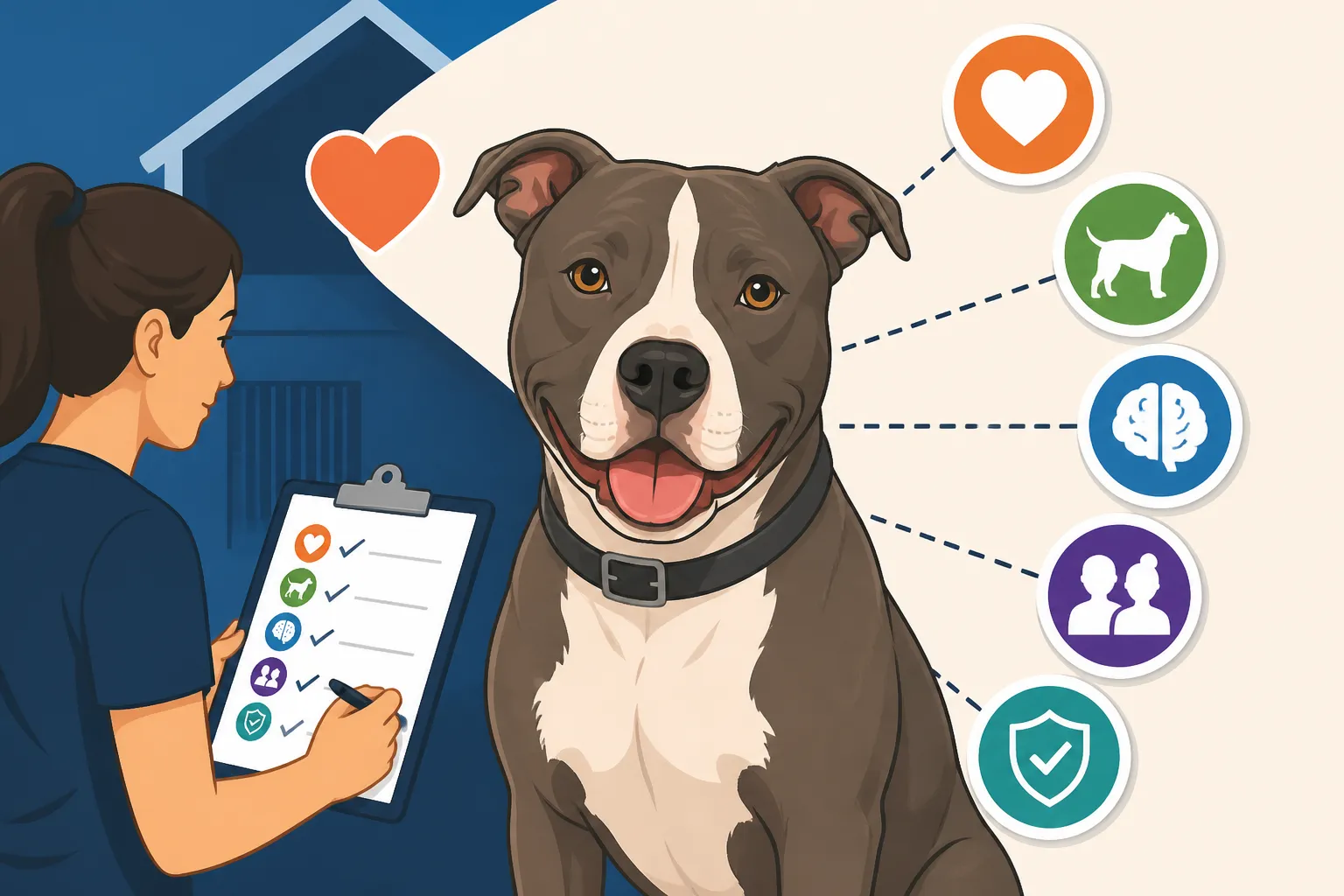
What a Shelter Assesses in a Pit Bull
Bringing a Pit Bull type dog into your home from a shelter is an incredibly rewarding experience, but it also comes with a unique set of considerations, especially given public perceptions and the sheer number of these amazing dogs in rescues. It's often tough to know what exactly shelters are looking for when they evaluate a dog, and as a prospective owner, understanding their assessment process can help you better prepare and find the right match. This guide will walk you through the comprehensive evaluation steps shelters typically undertake to ensure every Pit Bull finds its perfect forever home.
The Initial Intake and Breed Identification Process
When a dog first arrives at a shelter, whether as a stray or an owner surrender, one of the immediate tasks is to gather as much information as possible and categorize the dog. This initial assessment often heavily influences how the dog is perceived and subsequently marketed for adoption, which is particularly relevant for Pit Bull type dogs.
The Visual "Pit Bull" Label
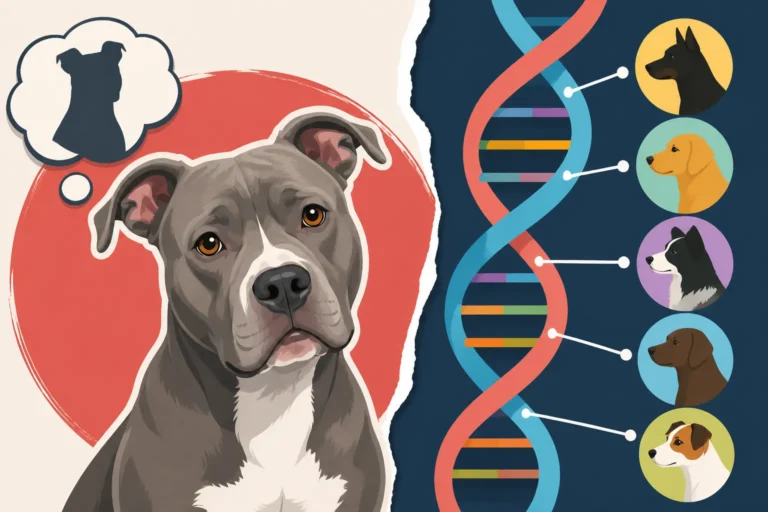
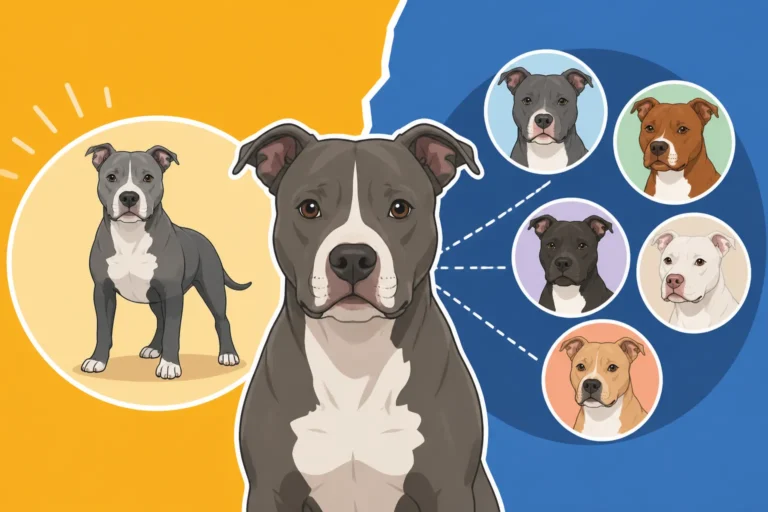
It's a common frustration for many owners and advocates that the term "Pit Bull" isn't a single breed, but rather a type, encompassing breeds like the American Pit Bull Terrier, American Staffordshire Terrier, and Staffordshire Bull Terrier, as well as countless mixes. Yet, when a dog comes into a shelter, staff members often make a visual determination based on a combination of physical characteristics – that blocky head, muscular build, and distinctive smile. This initial visual assessment often leads to a "Pit Bull" label in their records. This isn't necessarily a precise science; it's more about how the dog presents itself to the average person. How Shelters Decide a Dog Is a Pit Bull covers this in more detail. Even if a dog's DNA results show a complex mix of breeds, if it looks like a Pit Bull, it will likely be labeled as such. This can impact its journey through the shelter system, influencing everything from available foster homes to potential adopter interest.
Why Visual Accuracy is Tough
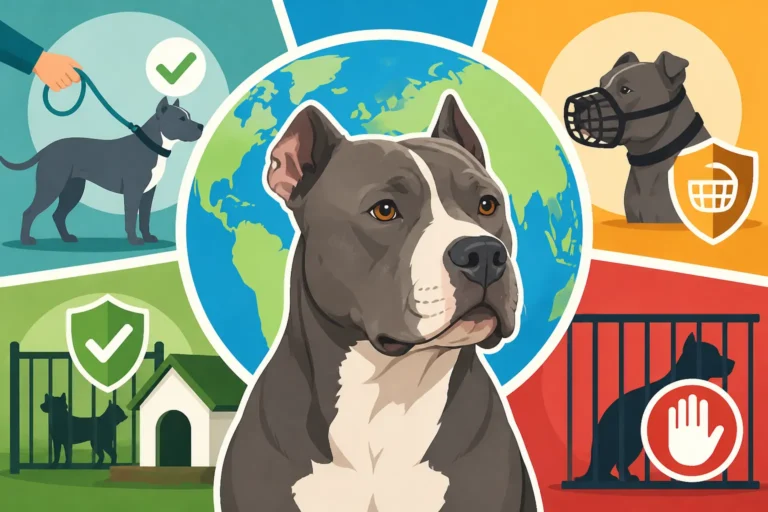
The challenge with visual identification is its inherent subjectivity. What one person calls a "Pit Bull mix," another might call a "Boxer mix" or simply a "mixed breed." Studies have even shown that shelter staff, despite their experience, frequently misidentify breeds when relying solely on appearance. This isn't a criticism of their dedication, but rather an acknowledgment of how complex canine genetics are and how many dogs share similar physical traits. The impact of this labeling can be significant; a "Pit Bull" label can unfortunately mean a longer stay in the shelter or even more limited adoption opportunities, depending on local regulations or public sentiment. Understanding that this initial label is often a visual shorthand, rather than a definitive genetic declaration, is key for both shelter staff and potential adopters. Why a Pit Bull Label Changes a Shelter Outcome really highlights these challenges.
Behavioral Assessments and Temperament Testing
Beyond the initial visual identification, a critical part of a shelter's work is to understand a dog's personality and behavior. This helps them match the dog with the right family and manage any potential challenges.
Observing Day-to-Day Behavior
Shelters spend a lot of time observing dogs in their everyday environment. This isn't just a formal test; it's about seeing how a dog behaves in its kennel, during walks, and interacting with different staff members and volunteers. They're looking for signs of comfort or stress, how the dog reacts to new people, loud noises, or other dogs walking by. Does the dog wag its tail enthusiastically when someone approaches, or does it retreat to the back of the kennel? Is it eager for walks, or does it seem overwhelmed by the commotion? These daily observations give a much more holistic picture of a dog's temperament than a single, isolated test. Staff take notes on how well the dog takes treats, if it jumps up, how it walks on a leash, and if it shows any signs of fear or anxiety. These details help paint a picture of the dog's baseline demeanor.
Formal Temperament Tests
While many shelters have moved away from rigid, pass-fail temperament tests, some still utilize structured assessments to get a snapshot of a dog's behavior in specific scenarios. These might include how a dog reacts to being petted, having its food bowl approached, or being handled in sensitive areas like paws or ears. They might introduce a toy or another dog (under controlled conditions) to see how the dog interacts. The goal isn't to "prove" a dog is aggressive, but to identify potential triggers or anxieties that a future owner should be aware of. For Pit Bull type dogs, these tests often focus on areas like resource guarding, handling sensitivity, and dog-to-dog interactions. What Pit Bull Temperament Testing Cannot Predict explains why these tests are a snapshot, not a crystal ball. It's about gathering information to make the best match, not to condemn a dog. For example, if a dog guards a high-value chew, a shelter might recommend a home where children understand boundaries or where the dog is fed separately. You can find quality chews and training treats for positive reinforcement on sites like Chewy.
Handling and Management Skills
A significant part of the behavioral assessment involves seeing how a Pit Bull type dog responds to various forms of handling. This is crucial for a dog that will be living in a home and requiring regular care. Can staff easily put a leash and collar on the dog? How does it react to having its paws touched for nail trims, or its ears cleaned? Does it enjoy being brushed, or does it become stiff and uncomfortable? These are practical considerations for an adopter. A dog that is tolerant of handling will be much easier to care for in the long run, and it's a huge bonus for things like vet visits, grooming, or even just being comfortable with affectionate touches from family members. Shelters want to ensure that the dog they send home is not only loving but also manageable for daily care.
Health and Physical Well-being Check
Beyond behavior, a shelter’s assessment includes a thorough evaluation of a Pit Bull's physical health, which is paramount for its long-term welfare and successful adoption.
General Health Exam and Veterinary Care
Every dog coming into a shelter receives a general health examination from a veterinarian or veterinary technician. This check-up covers everything from eyes, ears, and teeth, to checking for fleas, ticks, or any external parasites. They'll listen to the heart and lungs, palpate the abdomen, and assess overall body condition. During this time, the dog will typically be brought up-to-date on vaccinations, dewormed, and microchipped. If the dog isn't already spayed or neutered, this procedure is usually performed before adoption. All of this is done to give the dog the best possible start in its new home and to provide potential adopters with a clear picture of the dog's health status. Information like a positive heartworm test or existing dental disease will be disclosed, along with the plan for treatment.
Addressing Specific Pit Bull Health Concerns
Pit Bull type dogs, like many breeds, can be predisposed to certain health conditions, and shelters will often be on the lookout for these. Skin allergies are incredibly common in Pit Bulls, presenting as itching, redness, or secondary infections. Pit Bull Skin Allergies and the Atopy Pattern highlights just how frequently these issues appear. Shelters might initiate basic allergy management or dietary changes if signs are present. Joint issues, particularly hip dysplasia, are another concern due to their muscular build and genetics. Pit Bull Hip Dysplasia Showing at One to Two Years discusses this in detail. A vet might note any lameness or discomfort during the physical exam. Additionally, dental health is often a problem for shelter dogs, who may not have received consistent care. Any broken teeth or significant tartar buildup would be noted, as these can impact a dog's comfort and require attention. Products like dental chews and specific food options from retailers like Chewy can help maintain oral hygiene once the dog is adopted.
Here's a quick overview of common health checks:
| Assessment Area | What Shelters Look For | Potential Pit Bull Relevance |
|---|---|---|
| Physical Exam | General health, weight, coat condition, visible injuries | Body condition, muscle assessment, overall resilience |
| Parasite Check | Fleas, ticks, intestinal worms, heartworm | Year-round prevention is key, especially if previously neglected |
| Vaccinations | Up-to-date on core vaccines (rabies, distemper/parvo) | Standard for all dogs, crucial for public health |
| Spay/Neuter Status | Determines if surgery is needed | Often required prior to adoption, impacts temperament and health |
| Skin/Coat Health | Rashes, itching, hot spots, hair loss | High prevalence of allergies, need for medicated shampoos/diet |
| Joint Health | Lameness, stiffness, pain on palpation | Susceptibility to hip/elbow dysplasia due to build |
| Dental Health | Tartar, broken teeth, gum disease | Strong jaws mean harder wear on teeth, common for older dogs |
| Ear Health | Redness, discharge, odor, head shaking | Allergies can lead to chronic ear infections |
| Microchip | Present and registered | Standard identification, crucial for lost pets |
Matching the Right Home for a Pit Bull
The ultimate goal of all these assessments is to find the best possible home for each Pit Bull type dog. This involves carefully considering the dog's needs and matching them with a family that can provide what it needs to thrive.
Identifying Ideal Home Environments
Shelter staff become intimately familiar with the dogs in their care, and they use this knowledge to counsel potential adopters. They'll consider various factors when recommending a home environment. For instance, is the dog a high-energy "go-getter" who would thrive with an active family that loves hiking or running, perhaps even needing a specialized harness from a place like Chewy? Or is it a more laid-back "couch potato" who prefers gentle strolls and lots of snuggles? Do they seem to do well with Pit Bulls Living With Other Dogs, or would they be happier as the sole canine companion? Some Pit Bulls may do wonderfully with children, while others might be better suited to an adult-only household due to their play style or past experiences. The shelter's role is to be honest about what they've observed, ensuring that the expectations of the adopter align with the dog's actual personality and needs.
Discussing Known Challenges and Support
A good shelter will always be transparent about any known challenges a Pit Bull type dog might have. This isn't to discourage adoption, but to empower adopters with information and support. If a dog has known reactivity to other dogs, the shelter will discuss management strategies and perhaps recommend a trainer. If a dog has separation anxiety, they'll offer tips on how to build confidence and work through it. For dogs with chronic skin allergies, they'll explain the commitment involved in ongoing care, including potential special diets or medications. Many shelters also provide post-adoption support, offering advice, resources, and even behavioral consultations to ensure the transition is smooth and successful. They want adopters to walk in with their eyes wide open, ready to embrace the dog for who they are and commit to their well-being. This proactive approach helps reduce returns and builds stronger, more lasting bonds between Pit Bulls and their new families. Foster Programs for Shelter Pit Bulls are often instrumental in gathering this detailed information about a dog's behavior in a home setting.
Disclaimer
This article is for general informational purposes only and does not constitute professional advice. Laws, prices and regulations vary by location and change over time. Consult a qualified professional for guidance on your specific situation.