Pit Bull Elbow Dysplasia and Front End Lameness
It’s truly disheartening to see your normally robust and energetic Pit Bull start favoring a front leg, isn't it? That subtle limp can quickly turn into a source of real worry, especially when you know how much they love to run and play. We all want our strong, athletic companions to be pain-free and able to enjoy life to the fullest. This guide is here to shed light on elbow dysplasia and front end lameness in Pit Bulls, helping you understand the signs, the diagnosis, and the best paths forward to keep your beloved dog comfortable and active.
Understanding Elbow Dysplasia in Pit Bulls
Elbow dysplasia is one of those complex, multifactorial conditions that can feel overwhelming when you first hear about it. It’s not a single disease but rather a general term for several developmental abnormalities that can occur in the elbow joint during a dog's growth phase. For a Pit Bull owner, understanding this condition is crucial because their breed type's powerful build and active nature can sometimes exacerbate these underlying issues.
What Exactly is Elbow Dysplasia?
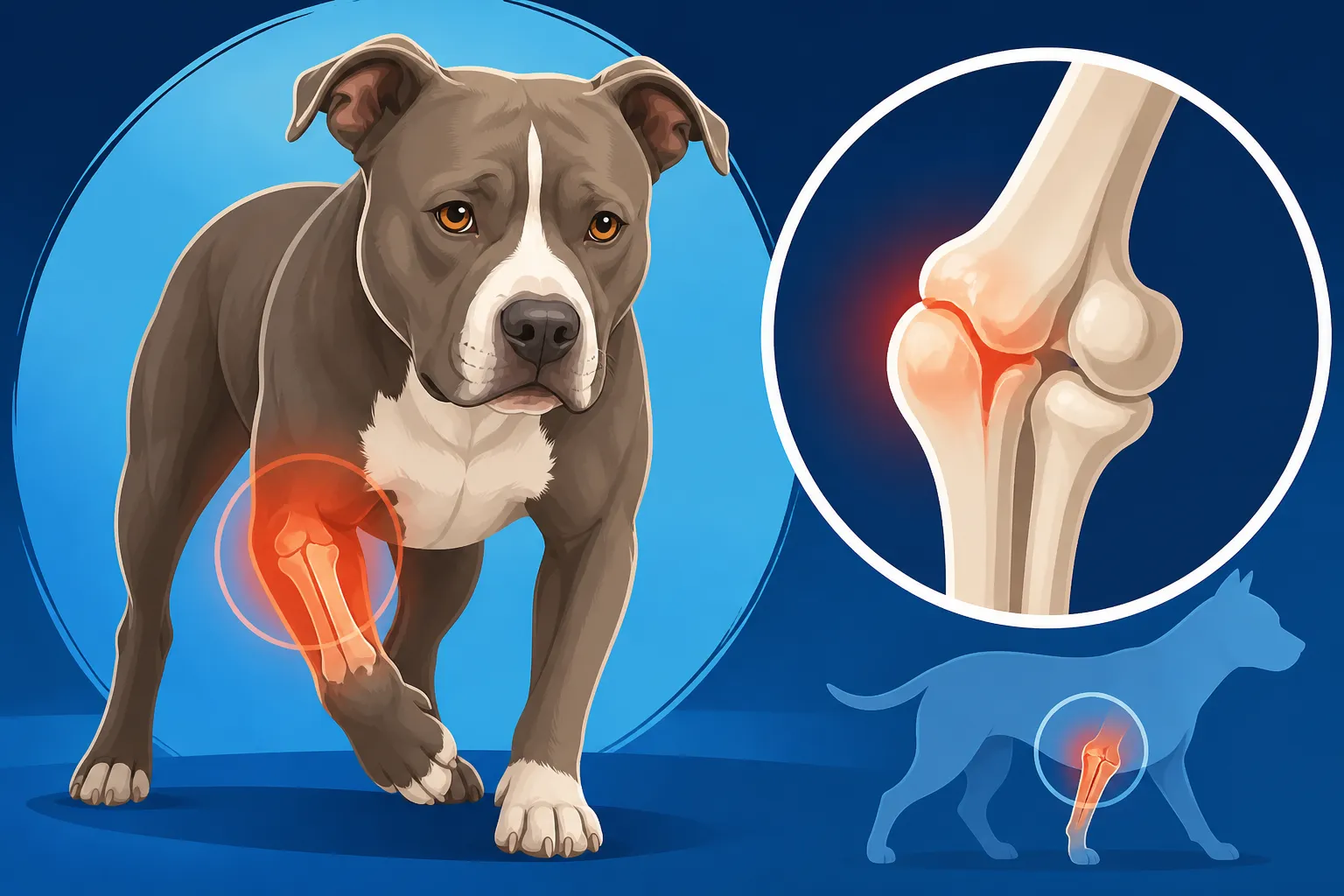
At its core, elbow dysplasia refers to an abnormal development of the elbow joint, which is comprised of three bones: the humerus (upper arm bone), the radius (larger forearm bone), and the ulna (smaller forearm bone). In a healthy joint, these bones fit together perfectly, allowing smooth, pain-free movement. With dysplasia, something goes awry during puppyhood, leading to incongruity or improper formation, which in turn causes chronic pain and progressive arthritis.
There are primarily four specific conditions that fall under the umbrella of elbow dysplasia, and a Pit Bull can suffer from one or a combination of them. The first is Fragmented Coronoid Process (FCP), where a small piece of bone breaks off the ulna. The second is Osteochondritis Dissecans (OCD), which involves a flap of cartilage separating from the bone surface, often on the humerus. Ununited Anconeal Process (UAP) is the third, where a specific bony projection on the ulna fails to fuse properly with the main bone. Lastly, Elbow Incongruity describes a general mismatch in the length or shape of the bones forming the joint, leading to an abnormal fit. Each of these can lead to inflammation, pain, and the gradual degeneration of the joint, paving the way for arthritis that can significantly impact your dog's mobility and comfort later in life.
Why Pit Bulls Are Prone to Elbow Dysplasia
While elbow dysplasia isn't exclusively a Pit Bull problem, certain characteristics of the breed type can make them more susceptible or make symptoms more pronounced. Their rapid growth rate, especially as puppies, can contribute to the development of joint issues. If a puppy grows too quickly, the bones and cartilage may not develop in a synchronized fashion, increasing the risk of FCP, OCD, or UAP. This is why managing a Pit Bull puppy's diet and exercise carefully is so important, to encourage steady, healthy development rather than explosive growth.
Beyond growth rate, the inherent muscularity and powerful build of Pit Bulls place considerable stress on their joints. A healthy Pit Bull, like an American Pit Bull Terrier or an American Staffordshire Terrier, is built for strength and athleticism. While this is wonderful for their active lifestyles, it means that any underlying joint weakness, such as elbow dysplasia, will be put to the test every time they run, jump, or play. This constant strain on an already compromised joint can accelerate the progression of arthritis and increase the severity of their lameness. Furthermore, genetics play a significant role. If parents or grandparents had elbow dysplasia, the likelihood increases for their offspring, even if those genes aren't fully expressed until later in life due to environmental factors. This highlights the importance of asking about "What Testing a Pit Bull Breeder Should Have Done" when considering a puppy.
Early Warning Signs to Watch For
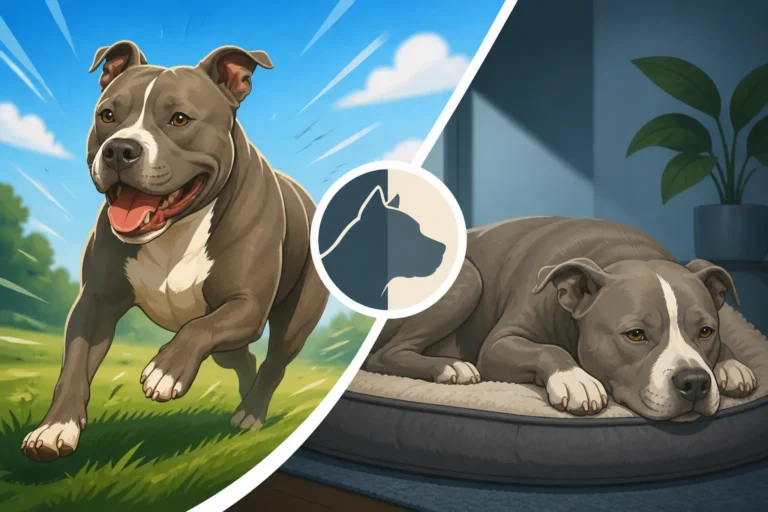
Recognizing the early signs of elbow dysplasia can be tricky, as Pit Bulls are often quite stoic and have a high pain tolerance. You might not see a dramatic limp right away. Instead, pay close attention to subtle shifts in their behavior or movement patterns. One common early indicator is stiffness, particularly after rest or in the mornings. Your Pit Bull might be slower to get up, or seem a bit 'off' on their first few steps before loosening up.
You might also notice a reluctance to engage in their usual enthusiastic play or go for long walks. Perhaps they used to leap into the car, and now they hesitate. They might start favoring one leg, even subtly, by shifting weight or holding a paw up slightly when standing still. Look for a change in their gait, often described as a 'choppy' or 'short-strided' walk, especially in their front legs. Some dogs will develop a distinct head bob as they try to shift weight off the painful limb. A Pit Bull might also start licking or chewing at their elbow area, trying to alleviate discomfort, or vocalize with a soft whine when they stand up or lie down. It’s these small, consistent changes that should prompt you to consult your veterinarian, as catching the issue early can make a big difference in management.
Recognizing Front End Lameness
Front end lameness in a Pit Bull can be a worrying sight. It’s that tell-tale limp, or any sign of discomfort when they use their front legs. While elbow dysplasia is a common culprit, it's important to remember that lameness can stem from various sources. Your job as a keen owner is to observe and report, helping your vet pinpoint the problem.
The Subtle Ways Lameness Presents
A true, obvious limp is easy to spot, but often, front end lameness starts subtly, especially in a dog as tough as a Pit Bull. They might not lift their leg dramatically. Instead, you could observe a reduced range of motion, where they don't extend their leg as far forward when walking. They might take shorter strides, or appear to drag their paws slightly. Some Pit Bulls will try to compensate for pain in one front leg by shifting more weight to the other front leg, or even to their hindquarters. This can lead to an uneven muscle development over time.
A classic sign of front limb lameness is a "head bob." When the painful limb bears weight, the dog's head will typically rise, trying to lighten the load on that leg. As they step onto the non-painful limb, their head will drop. Watching your Pit Bull walk towards you and away from you can help you notice this compensatory movement. They might also "point" a paw, holding it slightly off the ground while standing, or even avoid putting full weight on it when sitting. If you notice your Pit Bull sitting with one elbow splayed out unusually, or struggling to lie down or get up, these are all signs that something isn't quite right. Given their powerful physique, they might even try to "bunny hop" with their front legs to avoid full extension or flexion of a painful elbow, which is something to watch out for during enthusiastic play.
Differentiating Elbow Pain from Shoulder or Carpal Issues
Determining the exact source of front end lameness can be challenging, even for experienced veterinarians, because the shoulder, elbow, and carpus (wrist) are all connected and affect movement. However, there are some observations you can make at home that might help your vet narrow it down. Elbow pain often manifests as stiffness, a reluctance to fully extend or flex the leg, and sometimes a grinding or clicking sound (crepitus) if you gently manipulate the joint. The lameness often worsens after rest and improves slightly with activity, or becomes more pronounced after intense exercise.
Shoulder issues, such as bicep tendonitis or osteochondrosis (OCD) in the shoulder, might show up as a reduced forward reach of the leg, or pain when the leg is extended forward or backward. You might notice pain when gently pressing on the shoulder joint itself. Carpal (wrist) issues, on the other hand, typically result in lameness that seems to originate lower down the leg. The dog might favor the wrist, show swelling in that area, or have difficulty putting weight on the paw. While these are general guidelines, it's really up to your vet to perform a thorough orthopedic examination, manipulating each joint carefully to pinpoint the source of discomfort. Other common causes of front end lameness can include a "Cruciate Ligament Tears in a Muscular Pit Bull" if the injury extends to the front limb, or simply a paw pad injury or foreign object embedded in the paw.
When to Seek Veterinary Attention
If you suspect any kind of front end lameness, whether subtle or obvious, it's always best to get your Pit Bull checked by a vet sooner rather than later. If the lameness is acute, meaning it came on suddenly, is severe (your dog can't put any weight on the leg), or is accompanied by swelling, crying out, or refusal to move, it constitutes an emergency. In such cases, there could be a fracture, a severe sprain, or another urgent injury that requires immediate attention. Pet insurance providers like Healthy Paws can be a real lifesaver when unexpected emergencies like this crop up, helping to cover those initial diagnostic and treatment costs.
For more subtle signs, such as intermittent stiffness, a slight limp that comes and goes, or a general reluctance to exercise, make an appointment with your regular veterinarian. Don't wait for it to get worse. Early diagnosis and intervention, especially with conditions like elbow dysplasia, can significantly impact the long-term prognosis and help manage pain and progression of arthritis. Providing your vet with detailed notes on when you first noticed the signs, what activities seem to aggravate it, and any other changes in behavior will be incredibly helpful in guiding their examination and diagnostic plan.
Diagnosing Elbow Dysplasia
Getting a definitive diagnosis for elbow dysplasia in your Pit Bull involves more than just observation. Your veterinarian will need to perform a series of tests to confirm the condition, identify its specific form, and assess its severity. This process can sometimes feel like a puzzle, but each piece of information helps build a clearer picture for effective treatment.
The Initial Vet Visit and Physical Exam
When you bring your Pit Bull in for front end lameness, the first step will always be a comprehensive physical and orthopedic examination. Your vet will watch your dog walk, trot, and stand, looking for any abnormalities in their gait, posture, or weight distribution. They’ll also carefully palpate (feel) your Pit Bull's legs, shoulders, and spine, checking for swelling, heat, muscle atrophy (wasting), or any painful responses.
A key part of the orthopedic exam involves manipulating the elbow joint through its full range of motion. Your vet will gently flex and extend the elbow, listening and feeling for any crepitus (a grinding or popping sound), and observing if these movements elicit a pain response from your dog. They might also apply specific pressure tests to try and isolate pain to the elbow joint itself, rather than the shoulder or carpus. They'll compare both front limbs to identify differences in muscle mass or joint mobility. Don't be surprised if your vet wants to examine your Pit Bull's "Pit Bull Hips and How They Are Scored" and other joints too, as sometimes orthopedic issues can occur concurrently or lead to compensatory problems. This thorough hands-on assessment is crucial for gathering initial clues about the source of the lameness before moving on to imaging.
Radiographs and Advanced Imaging
Once the physical exam suggests elbow dysplasia, the next step is typically radiographs, or X-rays. For clear, diagnostic X-rays of the elbow, your Pit Bull will likely need to be sedated. This isn't just to keep them still; it ensures they are positioned perfectly to capture the necessary views without causing additional pain or stress. These X-rays can reveal signs of FCP, UAP, severe incongruity, and the presence of osteophytes (bone spurs) which are indicative of arthritis. However, X-rays have their limitations, as they show bone structures well but are less effective for visualizing cartilage damage or very small bone fragments.
For a more detailed and definitive diagnosis, especially to identify specific forms like FCP or OCD, your vet might recommend advanced imaging techniques such as a Computed Tomography (CT) scan or, less commonly, an Magnetic Resonance Imaging (MRI). A CT scan is often considered the gold standard for diagnosing elbow dysplasia because it provides highly detailed, cross-sectional images of the bones and joint surfaces. It can pick up subtle fragments and incongruities that might be missed on standard X-rays. An MRI, while excellent for soft tissue visualization (like cartilage and ligaments), is less frequently used for elbow dysplasia unless there's a specific concern about ligament damage or other soft tissue involvement, as CT is generally sufficient and more cost-effective for bone and cartilage issues. The cost of these advanced diagnostics can be substantial, which is where having comprehensive pet insurance like Healthy Paws can really alleviate financial stress.
Understanding the OFA Grading System for Elbows
If your Pit Bull is diagnosed with elbow dysplasia, especially if it's from a reputable breeder, you might hear about the Orthopedic Foundation for Animals (OFA) grading system. The OFA evaluates elbow radiographs to assess the severity of dysplasia. While this system is more commonly known for hip dysplasia screening, it also applies to elbows. The grades range from Normal to Grade III.
Here's a breakdown of the OFA elbow grades:
| OFA Elbow Grade | Description | Implications for Your Pit Bull |
|---|---|---|
| Normal | No evidence of elbow dysplasia. | Ideal, low risk of developing dysplasia, suitable for breeding (if applicable). |
| Grade I | Mild elbow dysplasia, characterized by minor bone changes. | Early signs of arthritis may develop; pain management might be needed. |
| Grade II | Moderate elbow dysplasia, with more significant bone changes and early degenerative joint disease. | Noticeable lameness and pain are likely; requires ongoing management, potentially surgery. |
| Grade III | Severe elbow dysplasia, with extensive bone changes and advanced degenerative joint disease. | Chronic pain and significant lameness; often requires aggressive medical management or complex surgery. |
It's important to remember that this grading is based on radiographic findings and provides a standardized way to assess the condition, particularly for breeding purposes. A dog can have Grade I dysplasia and be quite symptomatic, while another with similar changes might be less affected. The clinical signs your Pit Bull exhibits, combined with the radiographic findings, will guide the treatment plan. A diagnosis of elbow dysplasia means a lifelong commitment to managing the condition, and understanding the grade helps you anticipate the journey ahead.
Management and Treatment Options
Once your Pit Bull has a confirmed diagnosis of elbow dysplasia, the focus shifts to management and treatment. There are various approaches, from non-invasive conservative care to surgical interventions, all aimed at reducing pain, improving mobility, and enhancing your dog's quality of life. The best plan will be tailored to your Pit Bull's specific condition, age, and severity of lameness.
Conservative Management Strategies
For many Pit Bulls with elbow dysplasia, especially in the early stages or when surgery isn't an option, conservative management plays a crucial role. One of the most critical aspects is weight management. A Pit Bull's powerful build can make it hard to tell if they are overweight, but even a few extra pounds can significantly increase the load on already compromised joints. Keeping your Pit Bull at a lean, healthy weight is paramount for reducing joint stress and slowing the progression of arthritis. This often involves careful portion control and choosing appropriate food. For more on this, you might find "Pit Bull Weight and Muscle on a Working Frame" helpful.
Pain relief medications are a cornerstone of conservative care. Non-steroidal anti-inflammatory drugs (NSAIDs) like carprofen (Rimadyl), meloxicam (Metacam), or galliprant are commonly prescribed to reduce pain and inflammation. Your vet will help you find the right medication and dosage, often with regular blood work to monitor for side effects. Joint supplements containing ingredients like glucosamine, chondroitin, and MSM can also be beneficial in supporting cartilage health and reducing inflammation, though their efficacy can vary. Omega-3 fatty acids, found in fish oil, have natural anti-inflammatory properties and can be a great addition. Physical therapy and rehabilitation can make a huge difference, too. A certified canine rehabilitation therapist can teach you exercises to strengthen surrounding muscles, improve range of motion, and reduce pain through modalities like therapeutic ultrasound, laser therapy, and hydrotherapy. These therapies are often long-term investments, and having pet insurance like Healthy Paws can ease the financial burden of regular sessions.
Surgical Interventions for Elbow Dysplasia
When conservative management isn't enough to control pain or significantly improve mobility, surgical intervention might be recommended. The type of surgery depends entirely on the specific form of elbow dysplasia identified. For Fragmented Coronoid Process (FCP) and Osteochondritis Dissecans (OCD), arthroscopy is often the preferred method. This minimally invasive procedure involves tiny incisions through which a camera and specialized instruments are inserted to remove loose fragments of bone or cartilage. The recovery is generally quicker than open surgery, and it helps prevent further joint damage.
For Ununited Anconeal Process (UAP), surgery might involve reattaching the anconeal process with a screw or removing it if it's too fragmented. In cases of severe elbow incongruity, more complex procedures like an osteotomy (cutting and realigning bone) might be performed, such as a sliding humeral osteotomy or a dynamic ulnar osteotomy, to improve the joint's fit. The goal of surgery is to eliminate the source of pain and instability, thereby slowing the progression of degenerative joint disease. While surgery can offer significant relief and improve quality of life, it's not a complete cure, and post-operative care, including rest, pain management, and extensive physical rehabilitation, is critical for a successful outcome.
Long-Term Outlook and Quality of Life
Living with a Pit Bull diagnosed with elbow dysplasia means understanding that it's a chronic, progressive condition. While treatments can manage the symptoms and slow its advancement, the underlying joint abnormalities often lead to the development of arthritis in a Pit Bull at seven years or even younger. Therefore, long-term management is essential for maintaining your dog's quality of life. This includes a combination of medication, supplements, controlled exercise, maintaining a lean body weight, and regular veterinary check-ups.
You’ll need to make adjustments to your Pit Bull's lifestyle. High-impact activities like jumping off furniture, intense fetching, or long runs on hard surfaces might need to be modified or replaced with lower-impact options like swimming or controlled leash walks. Ramps can help them get in and out of cars or onto furniture, reducing stress on their elbows. Providing soft, supportive bedding is also important for joint comfort. For some dogs, particularly those with severe, unmanageable pain, more advanced options like total elbow replacement might be considered, though this is a complex and less common procedure compared to hip replacements. The aim is always to keep your Pit Bull as comfortable and active as possible for as long as possible, adapting as their condition evolves.
Prevention and Responsible Ownership
While elbow dysplasia has a strong genetic component, responsible ownership plays a massive role in both prevention and mitigating the severity of the condition. Taking proactive steps, especially during your Pit Bull's formative puppy months, can make a significant difference in their long-term joint health.
The Importance of Breeder Screening
For anyone considering bringing a Pit Bull puppy into their home, finding a reputable breeder who prioritizes health is paramount. A responsible breeder will conduct thorough health screenings on both parent dogs, including OFA elbow and hip certifications. These certifications provide evidence that the parent dogs have elbows graded as "Normal" (or at least no worse than Grade I, depending on specific breed club recommendations) and are therefore less likely to pass on the genetic predisposition for dysplasia. Never hesitate to ask for these health clearances and verify them. If a breeder cannot provide them or makes excuses, it's a huge red flag.
Beyond official certifications, a good breeder will also be transparent about the health history of their breeding lines. They should be able to discuss any instances of elbow dysplasia or other orthopedic issues in previous generations or litters. This transparency helps potential owners make informed decisions and understand the potential health risks. Choosing a puppy from parents with excellent joint health records significantly reduces the likelihood that your Pit Bull will develop elbow dysplasia. It’s an investment in your future dog’s health and well-being.
Supporting Healthy Growth in Puppies
The rapid growth phase of a Pit Bull puppy, typically from about 4 to 12 months, is a critical window for joint development. While you want your puppy to grow into a strong, healthy adult, you don't want them to grow too quickly. Overfeeding high-calorie, high-protein diets can lead to excessive weight gain and accelerated growth, putting undue stress on developing joints and increasing the risk of developmental orthopedic diseases like elbow dysplasia. Choose a high-quality puppy food formulated for large breeds, which is designed to support slower, more controlled growth.
Equally important is managing your Pit Bull puppy's exercise. While they need regular activity for socialization and muscle development, avoid excessive high-impact activities like prolonged running on hard surfaces, jumping from heights, or intense, repetitive fetching during their growth phase. These activities can put too much strain on immature joints and growth plates. Instead, focus on moderate, controlled exercise like short, frequent walks on softer surfaces, supervised play sessions, and mental enrichment. Understanding "The Age a Pit Bull Finishes Growing" can help you make informed decisions about when to gradually increase the intensity of their physical activity. Controlled activity allows bones and cartilage to mature properly without being subjected to damaging forces.
Maintaining Ideal Weight and Fitness
Once your Pit Bull reaches adulthood, maintaining their ideal weight and fitness level becomes a lifelong commitment, especially if they have a predisposition or diagnosis of elbow dysplasia. Even a lean, muscular dog can carry too much weight, and you'd be surprised how much extra strain just a few pounds can put on their joints. Regularly assessing your Pit Bull's body condition score, checking for a visible waist and easily palpable ribs, is essential. Your vet can help you determine their ideal weight range and body condition.
Regular, appropriate exercise is key to keeping muscles strong and supporting joint health, but it needs to be tailored to your Pit Bull’s specific needs and any existing joint issues. For dogs with elbow dysplasia, focus on low-impact activities that build strength without jarring the joints. Swimming is an excellent full-body exercise that minimizes impact. Controlled leash walks, hiking on varied terrain (but avoiding steep climbs or descents if painful), and consistent, moderate play sessions are also beneficial. For more insights, you can explore guides like "Joint Support for a Heavily Muscled Pit Bull" or "How Weight Multiplies the Load on Pit Bull Joints". A balanced diet that provides essential nutrients without excessive calories will complement their exercise routine, helping to keep your Pit Bull lean, strong, and as comfortable as possible throughout their life.
Disclaimer
This article is intended for informational purposes only and does not constitute veterinary advice. Always consult with a qualified veterinarian for any health concerns or before making any decisions about your Pit Bull's care.