When a Pit Bull Starts Slowing Down
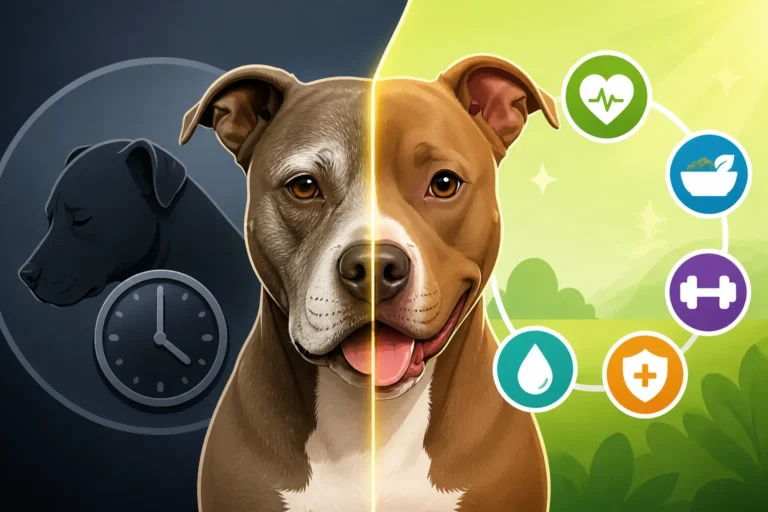
It's truly a bittersweet moment when you start noticing your vibrant, powerful Pit Bull, who once boundless with energy, begins to show signs of slowing down. That relentless drive to play, the effortless leaps, the quick sprints – they all seem to soften with time, leaving us wondering if it's just normal aging or something more. This comprehensive guide is here to walk you through the typical timeline and common indicators of your Pit Bull entering their golden years, helping you understand what to expect and how to best support them through this natural transition.
The Gradual Shift: Early Signs of Aging in Pit Bulls
Aging isn't usually a sudden event; for most Pit Bulls, it's a slow, subtle unfolding that can easily be missed if you're not looking closely. These early signs often manifest as minor changes in their daily habits and physical capabilities.
Subtle Changes in Energy and Play Drive
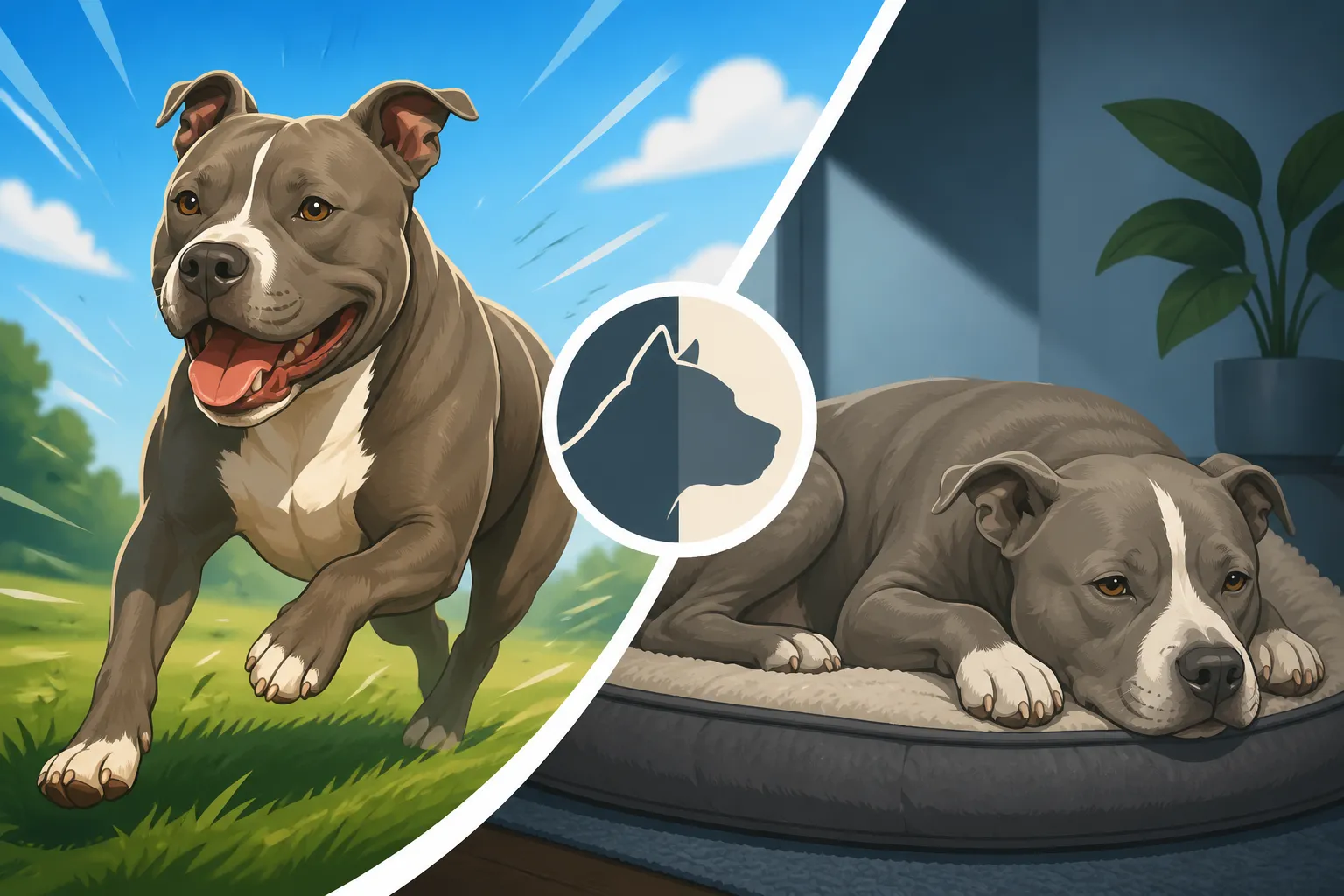
One of the first things many Pit Bull owners notice is a slight dip in their dog's boundless energy. Your Pit Bull, who used to demand multiple long games of fetch or never-ending tug, might start to seem content with shorter play sessions. They might still enthusiastically grab the frisbee, but the chase itself is less intense, or they might tire out quicker than before. You might find them choosing to lie down more often during walks or needing more encouragement to get moving. This isn't usually a loss of desire for interaction, but rather a physical limitation creeping in. Instead of running full-throttle for twenty minutes straight, they might do short bursts and then need a breather. This shift can be especially noticeable if you have another, younger dog whose energy levels highlight the difference.
Increased Stiffness After Rest
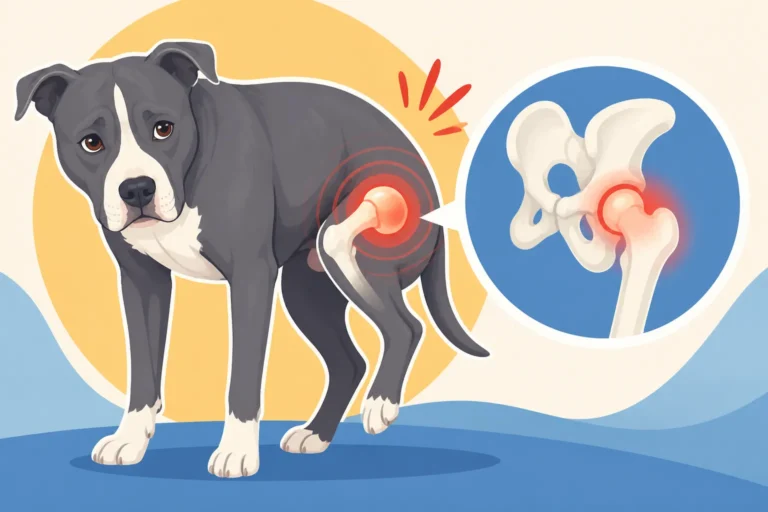
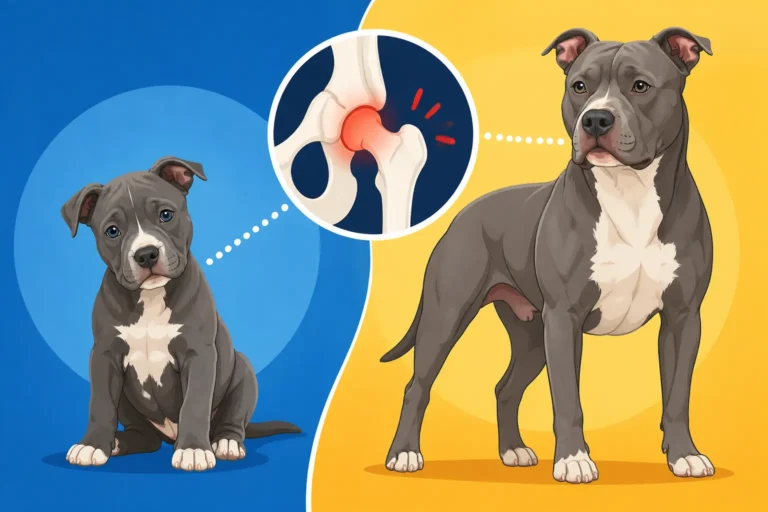
Have you ever noticed your Pit Bull groaning softly as they try to stand up after a long nap, or taking a moment to stretch out their legs before heading to the water bowl? This increased stiffness, particularly after periods of inactivity, is a very common early sign of aging. It's often most apparent first thing in the morning when they're emerging from a deep sleep, or after they've been curled up on the couch for an hour or two. They might move a little slower, their gait might be a bit more deliberate, and they might even hesitate before jumping into the car or onto the furniture (if they were allowed there before!). This isn't necessarily indicating an acute injury, but rather the gradual wear and tear on their joints and ligaments, making flexibility a bit more challenging. Understanding Arthritis in a Pit Bull at Seven can provide deeper insight into these early joint changes.
Changes in Appetite or Weight
As Pit Bulls age, their metabolism often slows down, and their activity levels naturally decrease. This combination can sometimes lead to changes in their appetite and body weight. You might notice your once food-motivated Pit Bull showing a little less enthusiasm for mealtime, perhaps leaving a few kibbles behind, or conversely, they might start gaining weight even on the same amount of food. The challenge with a muscular breed like a Pit Bull is distinguishing between healthy muscle mass and excess fat. A slowing metabolism means they simply don't burn as many calories as they used to, and if their food intake isn't adjusted, that extra energy gets stored as fat. This can exacerbate joint issues and lead to other health problems. It's critical to monitor their body condition closely, feeling for their ribs and spine, to ensure they maintain a healthy, lean physique. You can learn more about managing their build in our guide, Pit Bull Obesity and Joint Strain.
Understanding the Typical Timeline: When to Expect Significant Changes
While every Pit Bull is an individual, there are general age markers that can help us understand when to anticipate more pronounced signs of aging.
The "Senior" Threshold: Around Seven Years Old
For many medium to large breed dogs, including Pit Bulls, the "senior" designation often begins around seven years of age. It's important to remember this isn't a hard-and-fast rule, but rather a widely accepted benchmark that veterinarians use to recommend changes in care, like more frequent check-ups and specialized senior diets. At this age, you might notice the subtle changes mentioned earlier becoming a bit more consistent. Your Pit Bull might sleep longer and more soundly, be less inclined to engage in rough-and-tumble play with younger dogs, and generally prefer a quieter, more predictable routine. Their walks might still be enjoyable, but they might shorten slightly, and their pace might become more measured. Think of this as the start of their journey into senior citizenship, where comfort and routine become increasingly important.
Advanced Seniority: Ten Years and Beyond
Once your Pit Bull reaches the double-digit mark, usually around ten years old, you'll likely start seeing more significant and undeniable signs of advanced seniority. Their daily routine will naturally slow further, with extended periods of rest and sleep becoming the norm. Walks might become a leisurely potter around the block rather than a brisk stride, and they might struggle more with stairs or getting into higher places. Their senses, such as hearing and sight, may also start to diminish. A Pit Bull at this age might be confused in rooms it knows or seem to ignore commands they previously responded to instantly, which could be a sign of hearing loss or even early cognitive decline. Caring for a Pit Bull in its second decade often involves a greater focus on their comfort and adapting your home to their changing needs. This stage is about appreciating their enduring companionship and ensuring their remaining years are as comfortable and joyful as possible.
Factors Influencing Individual Aging
Just like people, not all Pit Bulls age at the same rate. Several factors play a significant role in how and when your individual Pit Bull begins to slow down.
- Genetics: A Pit Bull's genetic predisposition to certain health conditions, like Pit Bull Hip Dysplasia Showing at One to Two Years or Pit Bull Heart and Thyroid Conditions, can significantly influence their longevity and how gracefully they age. Dogs from lines with strong health clearances often show fewer signs of age-related decline earlier in life.
- Nutrition: A consistent, high-quality diet throughout their life is paramount. Pit Bulls, being muscular and active, require a well-balanced diet that supports their lean muscle mass and overall health. Poor nutrition, or a diet leading to obesity, can put undue stress on joints and organs, accelerating the aging process and leading to early onset of mobility issues.
- Exercise History: While regular exercise is crucial for a Pit Bull's health, excessive high-impact activity without proper conditioning or rest can contribute to earlier joint wear and tear. Conversely, a lack of appropriate exercise can lead to muscle atrophy and weight gain, both of which can make a dog seem older than their years. A balanced approach throughout their life helps maintain mobility.
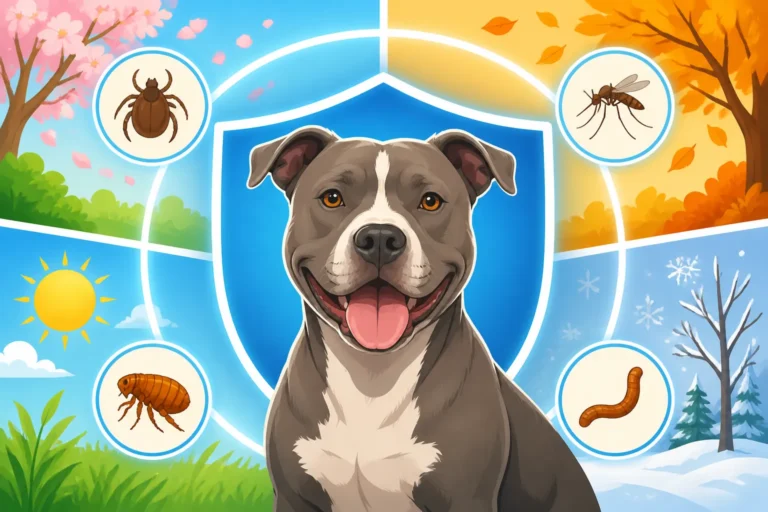
- Overall Health Status & Preventive Care: Consistent veterinary care, including regular check-ups, vaccinations, and parasite prevention, can catch health issues early before they become advanced. Addressing conditions like Pit Bull Ear Infections and What Drives Them or dental disease can prevent them from impacting overall quality of life and contributing to a dog "slowing down" prematurely.
Practical Adjustments for a Slowing Pit Bull
As your Pit Bull eases into their senior years, making thoughtful adjustments to their routine and environment can significantly enhance their comfort and quality of life.
Modifying Exercise Routines
The key to exercising a slowing Pit Bull is quality over quantity, and consistency over intensity. Instead of attempting a single long, vigorous walk, consider breaking it into two or three shorter, gentler strolls throughout the day. These shorter outings reduce strain on their joints while still providing mental stimulation and opportunities for sniffing and potty breaks. Low-impact activities are your best friend now. Swimming, if your Pit Bull enjoys it and has access to a safe pool, is excellent as it provides exercise without the impact on joints. Gentle leash walks on soft surfaces like grass or dirt trails are also preferable to hard pavement. Always be observant: if they show signs of fatigue, stiffness, or lameness during or after exercise, it’s a clear signal to scale back. Remember, even a short, slow walk around the yard is better than no activity at all, as it helps maintain muscle tone and flexibility.
Nutritional Considerations for Senior Pit Bulls
As their metabolism slows, a senior Pit Bull's dietary needs shift. You'll likely want to transition them to a high-quality senior dog food formula. These diets are typically lower in calories to prevent weight gain, but still rich in protein to help maintain muscle mass. They often include added nutrients like glucosamine and chondroitin for joint support, and omega-3 fatty acids for skin, coat, and anti-inflammatory benefits. Talk to your vet about the best option for your dog.
Many owners, especially those with an older Pit Bull who might be experiencing more frequent vet visits or prescription needs, find that pet insurance can really help manage these costs. Providers like Healthy Paws offer various plans that can cover a significant portion of unexpected expenses, including diagnostics or treatments related to aging joints or new dietary requirements. For a heavily muscled Pit Bull, ensuring good joint support is critical, and a specialized diet combined with supplements can make a huge difference. Our guide on Joint Support for a Heavily Muscled Pit Bull offers more in-depth advice.
Creating a Comfortable Home Environment
Making your home senior-friendly can dramatically improve your Pit Bull's daily comfort and prevent injuries.
- Orthopedic Beds: Invest in a high-quality orthopedic bed that supports their joints and provides cushioning. Look for memory foam or dense foam options that don't flatten out quickly. Place these beds in quiet, accessible areas where your Pit Bull enjoys resting.
- Ramps and Steps: If your Pit Bull still loves to get onto the couch or bed, or struggles with car entry, consider dog ramps or steps. These eliminate the need for jumping, which can be painful and dangerous for aging joints.
- Non-Slip Mats: Hardwood floors or tile can be treacherous for a dog with reduced mobility. Place non-slip rugs or mats in high-traffic areas, especially where they eat, drink, or access outside doors. This gives them better traction and reduces the risk of slips and falls.
- Easy Access: Ensure food and water bowls are easily accessible and possibly elevated to reduce neck strain. Make sure their potty area is simple to reach, perhaps closer to the door, to minimize discomfort during urgent trips.
Even with the best intentions and home modifications, an older Pit Bull might have a slip or fall, leading to an injury that requires immediate veterinary attention. Having a robust pet insurance policy, like those offered by Healthy Paws, can provide peace of mind in these situations, helping to cover emergency care costs for things like sprains, fractures, or other sudden ailments.
When to Consult Your Veterinarian
While some slowing down is a normal part of aging, it's crucial to know when a change in your Pit Bull's behavior or physical state warrants a trip to the vet.
Differentiating Normal Aging from Medical Issues
It can be tough to distinguish between typical age-related changes and signs of an underlying medical problem. Here’s a general guideline:
| Sign Category | Normal Aging (Expected) | Potential Medical Concern (Vet Visit Recommended) |
|---|---|---|
| Activity/Energy | Shorter play, more naps, slower pace on walks | Persistent lameness, reluctance to move, sudden collapse, disinterest in all activity |
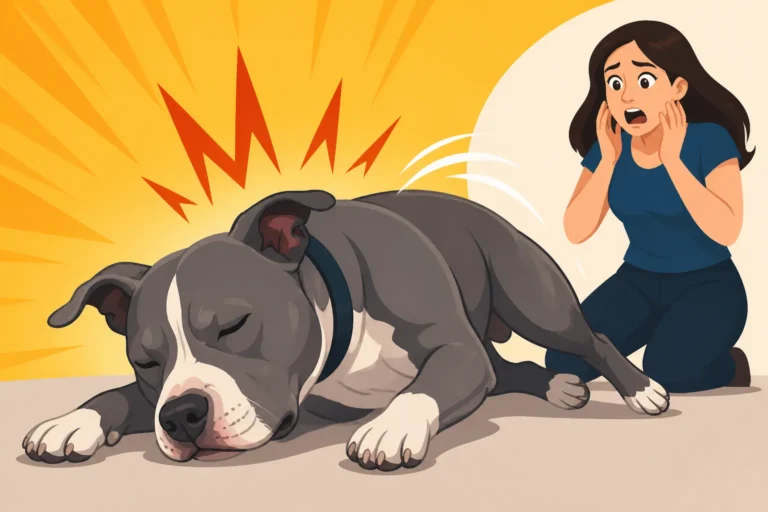
| Mobility | Morning stiffness, hesitation with jumps/stairs | Sudden inability to bear weight, yelping in pain, stumbling, loss of coordination |
| Appetite/Weight | Slightly reduced appetite, slow weight gain | Sudden or significant weight loss, complete refusal to eat, excessive thirst/urination |
| Cognition | Occasional confusion (e.g., getting "stuck" in a corner) | Severe disorientation, pacing at night, urinating/defecating indoors (if previously housetrained), staring blankly |
| Behavior | Less tolerance for young dogs, more cuddly | Sudden aggression, severe anxiety, withdrawal, excessive vocalization |
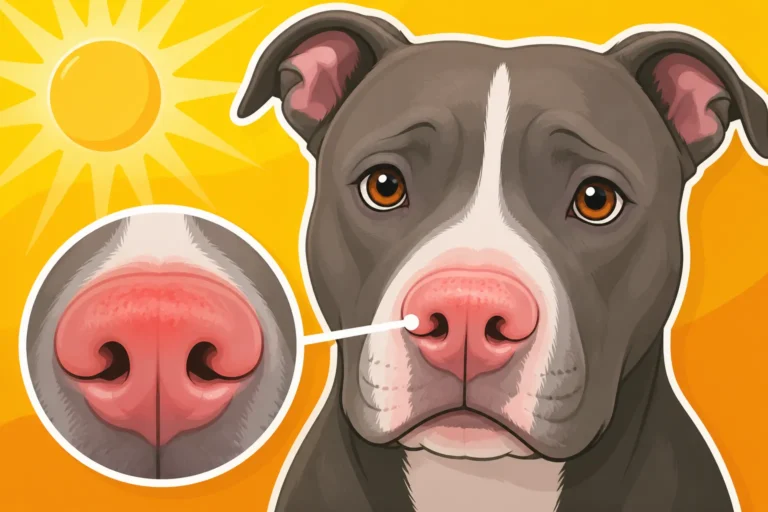
| Physical Changes | Graying muzzle, general stiffness, mild skin tags | New lumps/bumps, persistent coughing, difficulty breathing, changes in eye clarity or discharge |
If you notice any significant or sudden changes, or if a "normal aging" symptom seems to be rapidly worsening, it's always best to consult your veterinarian. For example, while a bit of stiffness is common, a Pit Bull favouring one front leg consistently could indicate something more serious than general aging.
The Importance of Regular Senior Check-ups
As your Pit Bull approaches and enters their senior years, regular veterinary check-ups become even more critical. Many vets recommend semi-annual (twice a year) check-ups for senior dogs, instead of the annual visits for younger adults. These visits allow your veterinarian to:
- Perform a thorough physical examination: They can assess joint mobility, muscle condition, dental health (a common issue in older Pit Bulls, see Pit Bull Dental Disease and Hard Chewing), and check for any new lumps or bumps.
- Recommend preventive screenings: This often includes bloodwork (checking organ function, blood counts, and thyroid levels), and urine analysis to catch conditions like kidney disease, diabetes, or thyroid issues early.
- Discuss pain management options: If your Pit Bull is experiencing significant discomfort from arthritis or other age-related pain, your vet can discuss various treatments, from NSAIDs to supplements and alternative therapies.
- Address cognitive changes: If you’re noticing signs like a Pit Bull confused in rooms it knows, your vet can help differentiate between normal aging and canine cognitive dysfunction, and discuss management strategies.
Regular senior check-ups, especially those involving bloodwork and imaging, can become quite costly over time. This is where a comprehensive plan from a provider like Healthy Paws can be incredibly beneficial, helping to offset the routine but essential expenses of keeping your senior Pit Bull healthy and comfortable. Early detection through these check-ups often leads to more effective and less invasive treatment options, ultimately improving your Pit Bull's quality of life as they age.
Disclaimer
This article is intended for informational purposes only and is not a substitute for professional veterinary advice. Always consult with a qualified veterinarian for any health concerns or before making any decisions about your Pit Bull's care or treatment.