Pit Bull Hips and How They Are Scored
It's incredibly tough when you see your strong, active Pit Bull start to show signs of discomfort, especially when it comes to their hips. These powerful dogs are known for their athleticism, and watching them struggle with mobility can be truly heartbreaking and confusing for any dedicated owner. Understanding the intricacies of hip health, particularly how a Pit Bull's hips are scored, is absolutely crucial for early detection, effective management, and ensuring your furry family member lives the most comfortable life possible. This guide will walk you through everything you need to know about pit bull hips and how they are evaluated.
Understanding Hip Dysplasia in Pit Bulls
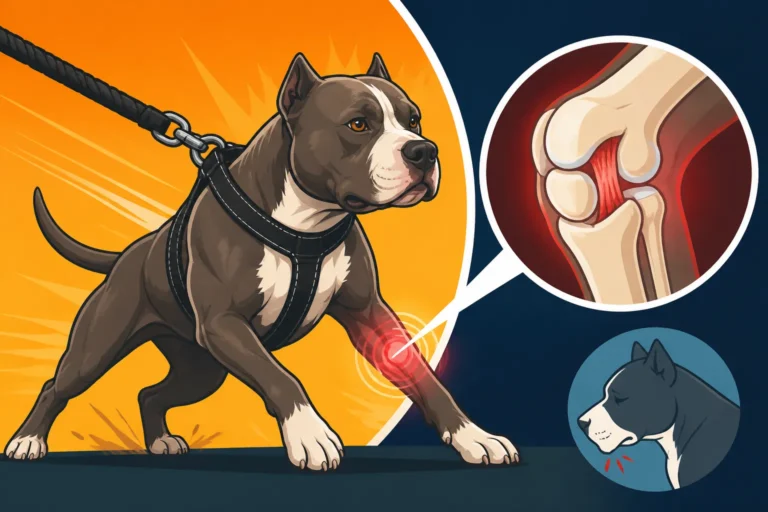
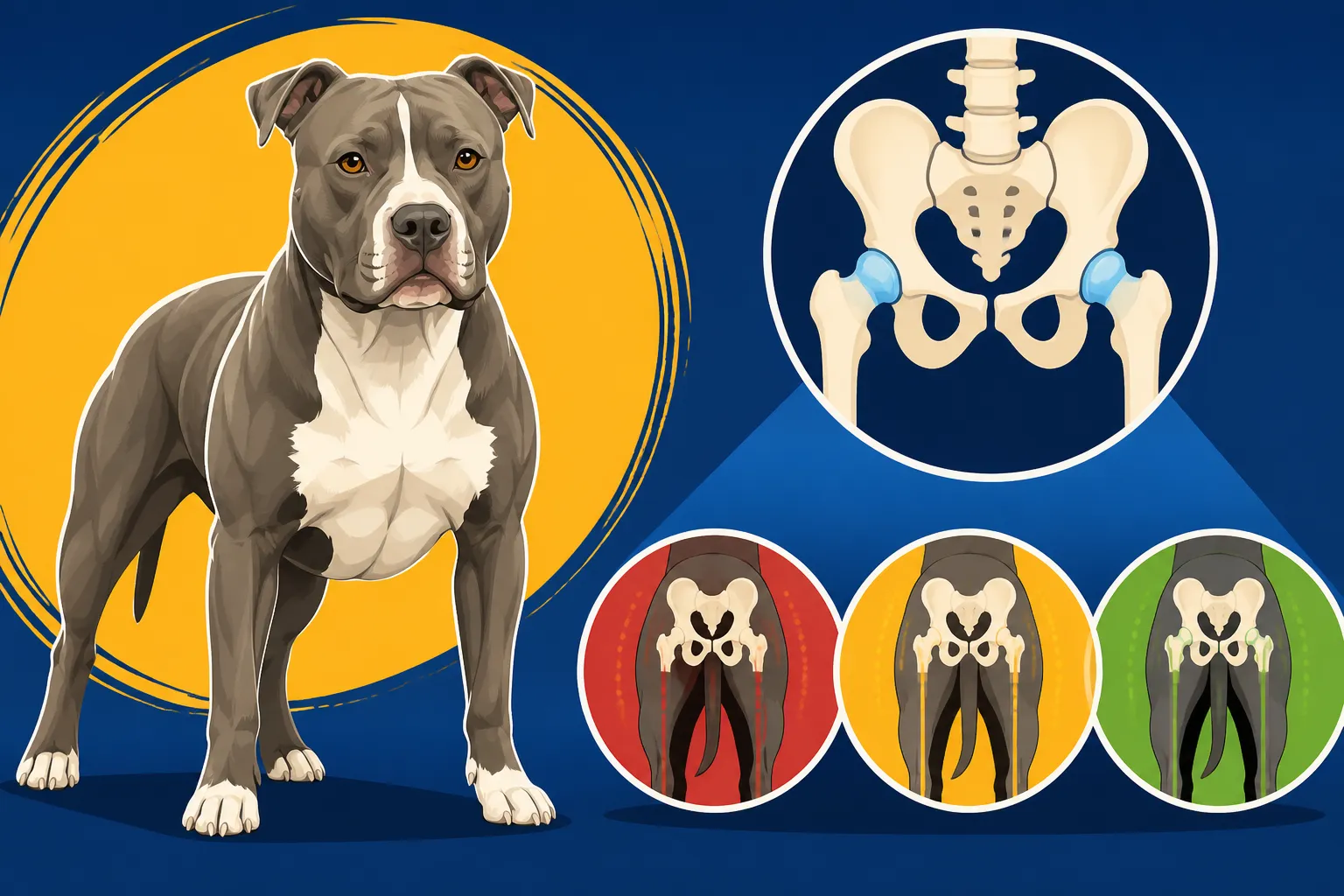
Hip dysplasia is a common skeletal condition, particularly prevalent in larger, more muscular dog breeds, and our beloved Pit Bulls are certainly not immune. It's a condition where the hip joint doesn't form correctly, leading to a loose fit between the ball (femoral head) and socket (acetabulum). Over time, this poor fit causes wear and tear, pain, and eventually degenerative joint disease or arthritis. It's not just a physical ailment; it can severely impact a dog's quality of life and their ability to engage in activities they love.
Genetic Predisposition in Muscular Breeds
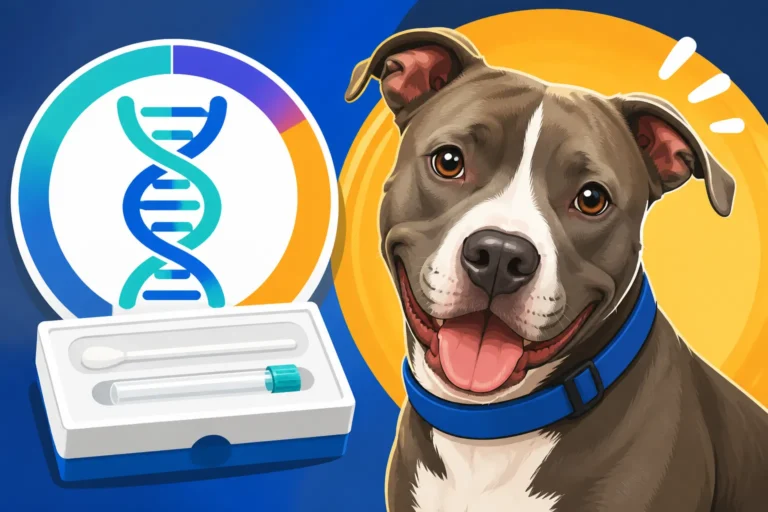
While environmental factors play a role, the primary driver of hip dysplasia is genetics. Pit Bulls, encompassing breeds like the American Pit Bull Terrier and the American Staffordshire Terrier, often carry genes that predispose them to this condition. If a dog's parents or grandparents had hip dysplasia, the likelihood of their offspring developing it significantly increases. This genetic lottery means that even with the best care, some dogs are simply more prone to it. It’s a harsh reality that responsible breeders strive to mitigate through careful screening and selective breeding practices. The massive muscle structure of a Pit Bull, while impressive, can actually exacerbate the problem when combined with a poorly formed joint, putting immense strain on already compromised hips.
Recognizing the Early Signs and Symptoms
Spotting hip dysplasia can be challenging because its symptoms often develop gradually. In some cases, Pit Bulls might show subtle signs as early as their puppyhood, while others might not exhibit noticeable lameness until they are older. Many owners first notice a change in gait, often described as a "bunny hop" when running or an unwillingness to climb stairs or jump into the car. You might also observe stiffness, especially after rest or exercise, a decrease in activity level, or a reluctance to play. Some dogs might begin to favour one leg, or you might even hear a "clicking" sound from their hips. It's not uncommon for these early signs to emerge when a Pit Bull is between one and two years old. Owners often mistake a slight limp for a minor injury from rough play, delaying a proper veterinary examination. If you're seeing any of these indicators, it’s vital to consult your vet. Early diagnosis is key to implementing management strategies that can slow the progression of the disease and improve your dog's comfort.
The Critical Role of Hip Scoring
Hip scoring isn't just a fancy term; it's a vital diagnostic tool that provides an objective assessment of your Pit Bull's hip joint conformation. For anyone who owns or is considering adopting a Pit Bull, understanding these scores is paramount. This process involves taking specific X-rays of your dog's hips, which are then evaluated by certified veterinary radiologists according to established criteria. It’s a snapshot in time that helps predict future joint health and offers valuable insights for breeding decisions and proactive care.
Why Early Screening Matters for Your Pit Bull
For active and powerful breeds like Pit Bulls, early hip screening can make a world of difference. Catching potential issues before they become debilitating allows you to implement strategies that can significantly improve your dog's comfort and mobility over their lifetime. This could involve careful management of exercise, dietary adjustments to maintain a healthy weight, or the introduction of joint supplements. Knowing your dog's hip status means you can tailor their training and daily activities to support joint health rather than unwittingly putting them at risk. For instance, a dog with borderline hips might benefit from swimming instead of high-impact running. Early screening also helps you prepare for potential future costs, as conditions like hip dysplasia often lead to significant veterinary bills over the years. Many pet insurance providers, like Healthy Paws, offer coverage for hip dysplasia treatment, but often require a waiting period, so early enrollment is always a good idea. To learn more about when signs typically appear, you might want to read our article on When Pit Bull Hip Symptoms First Appear.
The Ethical Breeder's Commitment to Hip Health
Responsible and ethical Pit Bull breeders understand the profound genetic component of hip dysplasia and make it a cornerstone of their breeding program. They commit to screening all their breeding dogs for hip health before pairing them. This isn't just about getting a clear bill of health; it's about making informed decisions to reduce the incidence of hip dysplasia in future generations. A breeder should be transparent and readily provide proof of hip scoring for both parent dogs. This often comes in the form of official certificates from organizations like the Orthopedic Foundation for Animals (OFA) or PennHIP. If a breeder can't or won't provide these documents, it's a significant red flag. Choosing a puppy from parents with excellent hip scores drastically increases the chances that your Pit Bull will also have healthy hips, saving you potential heartache and expense down the line. This commitment extends beyond just physical health; it demonstrates a dedication to the overall well-being and longevity of the breed. If you're considering a puppy, understanding What Testing a Pit Bull Breeder Should Have Done is a must-read.
Diving Deep into Hip Scoring Methods
When it comes to officially assessing a Pit Bull's hips, there are primarily two widely recognized methods in North America: the Orthopedic Foundation for Animals (OFA) evaluation and PennHIP. Both aim to identify dogs with hip dysplasia, but they use different techniques, age requirements, and offer different types of information. Understanding these distinctions is crucial for interpreting results and making informed decisions about your dog's health or a potential puppy's lineage.
Orthopedic Foundation for Animals OFA Certification
The OFA method is perhaps the most well-known hip evaluation system. To receive an OFA certification, your Pit Bull must be at least 24 months old. This age is crucial because hip joints are still developing up until this point, and earlier evaluations may not be accurate. The process involves taking a single, specific X-ray view of the dog's pelvis, with the dog positioned on its back with hind legs extended and rotated inwards. This "VD-extended" view allows radiologists to assess key anatomical features of the hip joint.
A panel of three independent, board-certified veterinary radiologists then reviews the X-ray. They evaluate nine different anatomical points related to hip joint conformation, looking for signs of subluxation (looseness) and degenerative joint disease. Based on their consensus, the hips are assigned one of seven possible ratings: Excellent, Good, Fair (all considered "passing" or "normal"), Borderline, Mild, Moderate, or Severe Dysplasia. The OFA database publicly lists the results of normal dogs, providing a valuable resource for breeders and potential owners. However, results for dysplastic dogs are only released with the owner's permission, which means the public database may not fully reflect the prevalence of dysplasia in a breed. The OFA method has been the gold standard for many decades and is often a requirement for various breed club certifications and responsible breeding programs.
PennHIP Evaluation A Quantitative Approach
PennHIP, developed at the University of Pennsylvania, offers a different, more quantitative approach to hip evaluation and can be performed on Pit Bulls as young as 16 weeks (4 months). This method focuses on measuring hip laxity, or looseness, which is considered a primary indicator of hip dysplasia risk. It involves three distinct X-ray views: the standard VD-extended view (similar to OFA), a compression view, and most importantly, a distraction view. The distraction view uses a specialized device to gently push the femoral heads away from the acetabulum, revealing the degree of laxity in the joint.
The PennHIP images are analyzed using a complex algorithm that produces a "Distraction Index" (DI) score. This score is a numerical value ranging from 0 to 1, where values closer to 0 indicate very tight hips and values closer to 1 indicate a high degree of laxity. Dogs with DI scores closer to 0.3 are generally considered to have tight hips, while those with scores above 0.7 are highly predisposed to hip dysplasia. Unlike OFA, PennHIP provides a percentile ranking for the dog within its breed, allowing owners to compare their dog's hip laxity to that of other Pit Bulls. This objective, numerical measurement is often seen as a more precise predictor of a dog's likelihood of developing hip osteoarthritis later in life. Because it can be done at a younger age, it provides earlier insights for breeders to make decisions.
Here's a quick comparison of the two methods:
| Feature | OFA (Orthopedic Foundation for Animals) | PennHIP (University of Pennsylvania Hip Improvement Program) |
|---|---|---|
| Minimum Age | 24 months | 16 weeks (4 months) |
| Primary Focus | Conformation and presence of arthritis | Hip joint laxity (looseness) |
| X-ray Views | 1 (VD-extended) | 3 (VD-extended, Compression, Distraction) |
| Scoring Output | Qualitative Grade (Excellent, Good, etc.) | Quantitative Distraction Index (DI) + Breed Percentile |
| Predictive Value | Good for current hip status | Higher for future risk of osteoarthritis |
| Radiologist Review | Panel of 3 certified radiologists | Single, specially trained and certified PennHIP veterinarian |
| Database Listing | Public for "normal" results (with owner consent for dysplastic) | All results are submitted to database |
Interpreting Your Pit Bull's Hip Scores
Receiving your Pit Bull's hip scores can feel a bit like deciphering a secret code, whether it's an OFA grade or a PennHIP Distraction Index. It's not just about a label; it's about understanding the nuances of that score and what it truly means for your dog's current health and future prognosis. This knowledge empowers you to make the best decisions for their care and well-being.
Decoding OFA Grades From Excellent to Dysplastic
The OFA system uses a seven-tier grading scale for hip evaluation, with the first three categories being considered "normal" and suitable for breeding, assuming all other health clearances are met.
- Excellent: Indicates superior hip joint conformation, with a tightly fitting femoral head deep within the acetabulum.
- Good: Means a well-formed hip joint with good congruence between the ball and socket.
- Fair: Suggests minor irregularities in hip joint conformation, but still within the acceptable range. These hips are still considered healthy and functional.
- Borderline: This is where things get tricky. Borderline hips are not definitively dysplastic, but they don't quite meet the criteria for a "normal" pass either. They show some minor structural changes that may or may not progress to dysplasia. OFA often recommends re-screening these dogs at a later date.
- Mild Dysplasia: Shows obvious signs of hip laxity, with the femoral head partially subluxated from the acetabulum. Early degenerative changes like osteophytes (bone spurs) might be visible.
- Moderate Dysplasia: Clearly evident signs of hip dysplasia, with significant subluxation and more pronounced degenerative changes. Dogs in this category typically show clinical signs of pain and lameness.
- Severe Dysplasia: Represents a severely dysplastic hip joint, with extensive subluxation, flattening of the femoral head and acetabulum, and significant degenerative joint disease. These dogs often experience chronic pain and severe mobility issues.
When your Pit Bull receives an OFA grade of Excellent, Good, or Fair, it’s generally good news, indicating healthy hips. A Borderline score means your vet will likely recommend follow-up imaging and careful monitoring. Any grade from Mild to Severe Dysplasia means your dog has hip dysplasia, and you’ll need to work with your veterinarian to develop a management plan. It’s important to remember that even with a "passing" score, factors like injury or excessive weight gain can still impact joint health over time. You can learn more about What an OFA Hip Grade Says About a Pit Bull for a deeper dive.
Making Sense of PennHIP Distraction Index Scores
The PennHIP Distraction Index (DI) offers a numerical, rather than qualitative, assessment of hip laxity. This metric can be a bit more complex to understand but provides a powerful predictive tool. The DI score ranges from 0 to 1:
- DI closer to 0 (e.g., 0.1, 0.2): Indicates very tight hips with minimal laxity. These dogs have a very low risk of developing hip dysplasia.
- DI around 0.3 – 0.4: Still generally considered tight hips.
- DI closer to 1 (e.g., 0.7, 0.8): Indicates significant hip laxity, meaning the femoral head is very loose in the socket. Dogs with high DI scores have a substantially increased risk of developing hip dysplasia and osteoarthritis later in life.
Alongside the DI score, PennHIP provides a percentile ranking. This tells you how your Pit Bull's hip laxity compares to all other Pit Bulls in the PennHIP database. For example, if your dog has a DI of 0.3 and is in the 90th percentile, it means that 90% of Pit Bulls in the database have hips looser than your dog's, and only 10% have hips tighter. This is a highly desirable result. Conversely, a DI of 0.6 in the 10th percentile means 90% of Pit Bulls have tighter hips, indicating a high risk for your dog. For breeding purposes, PennHIP recommends that dogs should ideally have DI scores in the tighter half of the breed's distribution (i.e., 50th percentile or higher) to help reduce the incidence of hip dysplasia. The precision of PennHIP allows for very early intervention strategies, giving owners a heads-up on potential issues long before clinical signs appear. For a deeper understanding of this method, check out our guide on PennHIP Testing for a Pit Bull.
Proactive Management and Treatment Paths
Even with the best hip scores, or especially if your Pit Bull receives a less-than-ideal diagnosis, there's plenty you can do to manage and support their hip health. Proactive care is about making smart choices every day, while understanding the available medical interventions can help you navigate more severe cases. It’s a journey that often requires dedication, but seeing your dog comfortable makes it all worthwhile.
Lifestyle Adjustments and Supportive Care
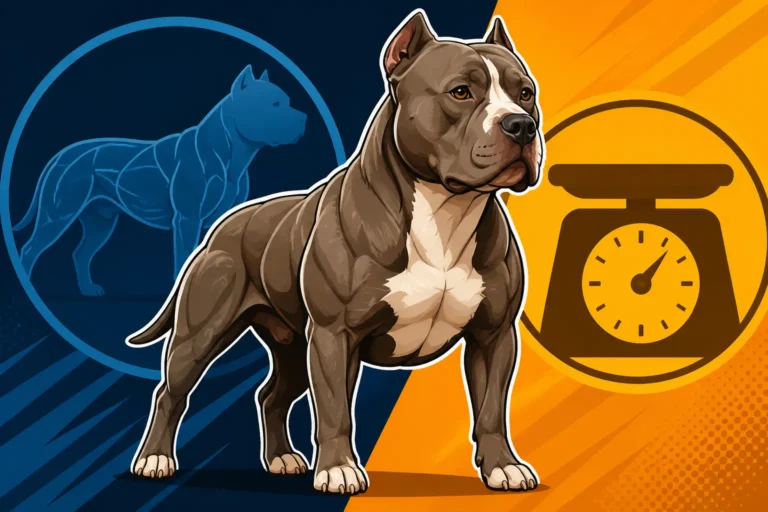
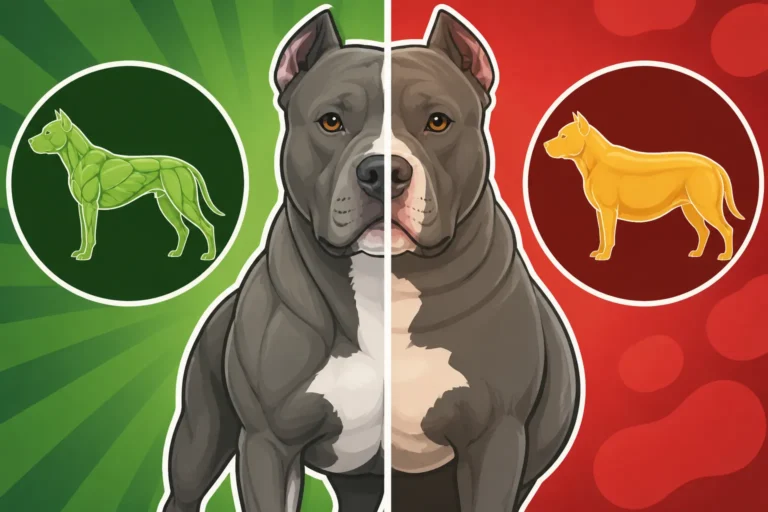
One of the most impactful things you can do for a Pit Bull with or prone to hip issues is to manage their weight. How Weight Multiplies the Load on Pit Bull Joints is a real concern, and even a few extra pounds can significantly increase the stress on their hip joints, accelerating the progression of arthritis. Work with your vet to establish a healthy weight goal and a tailored diet plan. This might involve switching to a lower-calorie food or carefully measuring portions.
Exercise also needs thoughtful consideration. While a Pit Bull needs physical activity, high-impact activities like jumping, intense agility, or long-distance running on hard surfaces might need to be minimized or avoided, especially during growth phases or if symptoms are present. Instead, focus on low-impact exercises that build muscle without jarring the joints. Swimming is fantastic for this, as it provides a full-body workout without putting weight on the hips. Leash walks on soft surfaces, short training sessions, and controlled play are also excellent. Implementing a consistent, moderate exercise routine can help strengthen the muscles surrounding the hip joint, providing natural support.
Beyond diet and exercise, a range of supportive care options can help.
- Joint Supplements: Glucosamine, chondroitin, MSM, and Omega-3 fatty acids are commonly recommended for their anti-inflammatory and cartilage-supporting properties. Brands like Nutramax Dasuquin or Cosequin are popular choices, but always discuss with your vet before starting any new supplement regimen to ensure it's appropriate for your individual dog.
- Physical Therapy: Canine physical therapy, including modalities like underwater treadmill work, massage, and therapeutic exercises, can greatly improve strength, flexibility, and comfort.
- Pain Management: For dogs experiencing pain, veterinarians can prescribe anti-inflammatory medications (NSAIDs) like carprofen (Rimadyl) or meloxicam, or newer drugs like grapiprant (Galliprant) specifically designed for osteoarthritis pain.
- Comfort Aids: Orthopedic dog beds provide better support for achy joints, and ramps can help your Pit Bull get into and out of cars or onto furniture without painful jumps.
Managing a Pit Bull with hip dysplasia often involves a multi-modal approach, combining several of these strategies to provide the best possible outcome. Many owners find that setting aside funds for unexpected veterinary expenses is crucial, and pet insurance providers such as Healthy Paws can be a lifesaver in these situations, helping to cover costs associated with long-term management or even surgery.
When Surgical Intervention Becomes Necessary
For some Pit Bulls, especially those with moderate to severe hip dysplasia or whose quality of life is significantly impacted by pain despite conservative management, surgical options may be the best course of action. These procedures aim to either alleviate pain, restore function, or in some cases, both.
- Femoral Head Ostectomy FHO: This surgery is typically performed on smaller or medium-sized dogs, but can be an option for larger Pit Bulls if financial constraints are a major concern. In an FHO, the "ball" portion of the hip joint (femoral head) is removed. The body then forms a "false joint" of scar tissue, and the surrounding muscles bear the dog's weight. While it doesn't restore a normal hip joint, it eliminates the painful bone-on-bone rubbing. Recovery involves significant physical therapy to build muscle mass and promote a functional gait.
- Total Hip Replacement THR: Considered the gold standard for treating severe hip dysplasia, a THR involves replacing both the diseased femoral head and the acetabulum with prosthetic implants, similar to human hip replacements. This procedure offers the best chance for complete restoration of pain-free hip function. It's a complex and expensive surgery, often performed by board-certified veterinary orthopedic surgeons. While it has a high success rate, it requires a long and careful recovery period, including strict activity restriction and physical therapy. Given the muscular build of Pit Bulls, ensuring proper rehabilitation is paramount for the success of a Hip Replacement in a Muscular Pit Bull.
- Triple Pelvic Osteotomy TPO / Juvenile Pubic Symphysiodesis JPS: These procedures are generally reserved for younger dogs (TPO for dogs typically under a year, JPS for puppies aged 10-18 weeks) who have hip laxity but no significant arthritic changes yet. TPO involves cutting and rotating parts of the pelvis to improve the coverage of the femoral head in the acetabulum. JPS is a minimally invasive procedure that involves fusing a growth plate in the pelvis to encourage better development of the hip socket. These surgeries are preventative, aiming to halt the progression of dysplasia before it causes permanent damage.
The decision for surgery is never easy and should be made in close consultation with your veterinarian and potentially a veterinary orthopedic specialist. They will consider your Pit Bull's age, overall health, severity of dysplasia, and your family's lifestyle and financial situation. It’s a significant commitment, but for many dogs, it can dramatically improve their quality of life.
Living with a Pit Bull Diagnosed with Hip Dysplasia
A diagnosis of hip dysplasia is undoubtedly challenging, but it's not a death sentence for your Pit Bull's happiness. With proper care, thoughtful management, and a deep understanding of their needs, many Pit Bulls with hip dysplasia can still lead fulfilling, joyful lives. It's about adjusting expectations, being vigilant, and focusing on maximizing their comfort every single day.
Ensuring Quality of Life and Comfort
When your Pit Bull has hip dysplasia, every aspect of their daily routine needs a thoughtful review to ensure their comfort and maintain a good quality of life. Start by re-evaluating their home environment. Are there slippery floors that could cause them to splay out and strain their hips? Consider adding rugs or non-slip mats. Are they struggling to get onto the couch or into bed? Ramps or pet stairs can prevent painful jumps. A high-quality orthopedic bed is also a game-changer, providing superior support for their joints compared to a standard fluffy bed.
Daily management often involves a consistent routine. Administering prescribed pain medications or supplements exactly as directed by your vet is crucial. Keeping up with appropriate, low-impact exercise, such as swimming or controlled leash walks, helps maintain muscle mass without overstressing the joints. Regular check-ups with your veterinarian, usually every 6-12 months, will allow them to monitor the progression of the disease and adjust treatment plans as needed. These appointments are essential for proactively addressing any new pain or mobility issues.
Mental enrichment is just as important as physical comfort. If your Pit Bull can't run and jump like they used to, find other ways to engage their intelligent minds. Puzzle toys, scent work games (like hiding treats around the house), and gentle training sessions can keep them mentally stimulated and happy, diverting their focus from any discomfort. Remember, even with hip dysplasia, your Pit Bull still wants to be an active part of your family. Their spirit remains, even if their body has limitations. Focusing on Joint Support for a Heavily Muscled Pit Bull can greatly enhance their comfort.
Building a Support System and Future Planning
Living with a dog with a chronic condition like hip dysplasia can be emotionally and financially draining. It’s important to build a strong support system around you and your Pit Bull. Your veterinary team, including your primary vet and any specialists (orthopedic surgeons, physical therapists), will be your most valuable resource. Don't hesitate to ask questions, seek clarification, and discuss all available options. They are there to guide you through every step.
Connecting with other Pit Bull owners who have navigated hip dysplasia can also be incredibly helpful. Online forums, local breed clubs, or support groups can provide a safe space to share experiences, ask for advice, and feel less alone in the journey. These communities often share practical tips, recommend specific products, or simply offer a sympathetic ear.
Financial planning is another critical aspect. Treatments for hip dysplasia, especially surgical interventions or long-term medication, can be expensive. Having a dedicated savings fund or pet insurance, like a comprehensive plan from Healthy Paws, can significantly ease the financial burden. Researching pet insurance options early on, before a diagnosis, is always recommended to ensure coverage for chronic conditions.
Finally, consider the long-term prognosis. While hip dysplasia is progressive, it doesn't mean a life of constant suffering. Many Pit Bulls manage well for years. However, be prepared for the possibility that mobility will likely decline as they age. Learning about Arthritis in a Pit Bull at Seven can help you prepare for later stages. Discuss with your vet what to expect as your dog gets older, including pain management strategies for advanced arthritis and when to consider mobility aids. Being informed allows you to make compassionate decisions focused on their ongoing comfort and well-being, ensuring that every day they have with you is filled with as much joy and as little pain as possible.
Disclaimer
The information provided in this article is for general informational purposes only and is not a substitute for professional veterinary advice. Always consult with a qualified veterinarian for any health concerns or before making any decisions related to your Pit Bull's medical care or treatment.