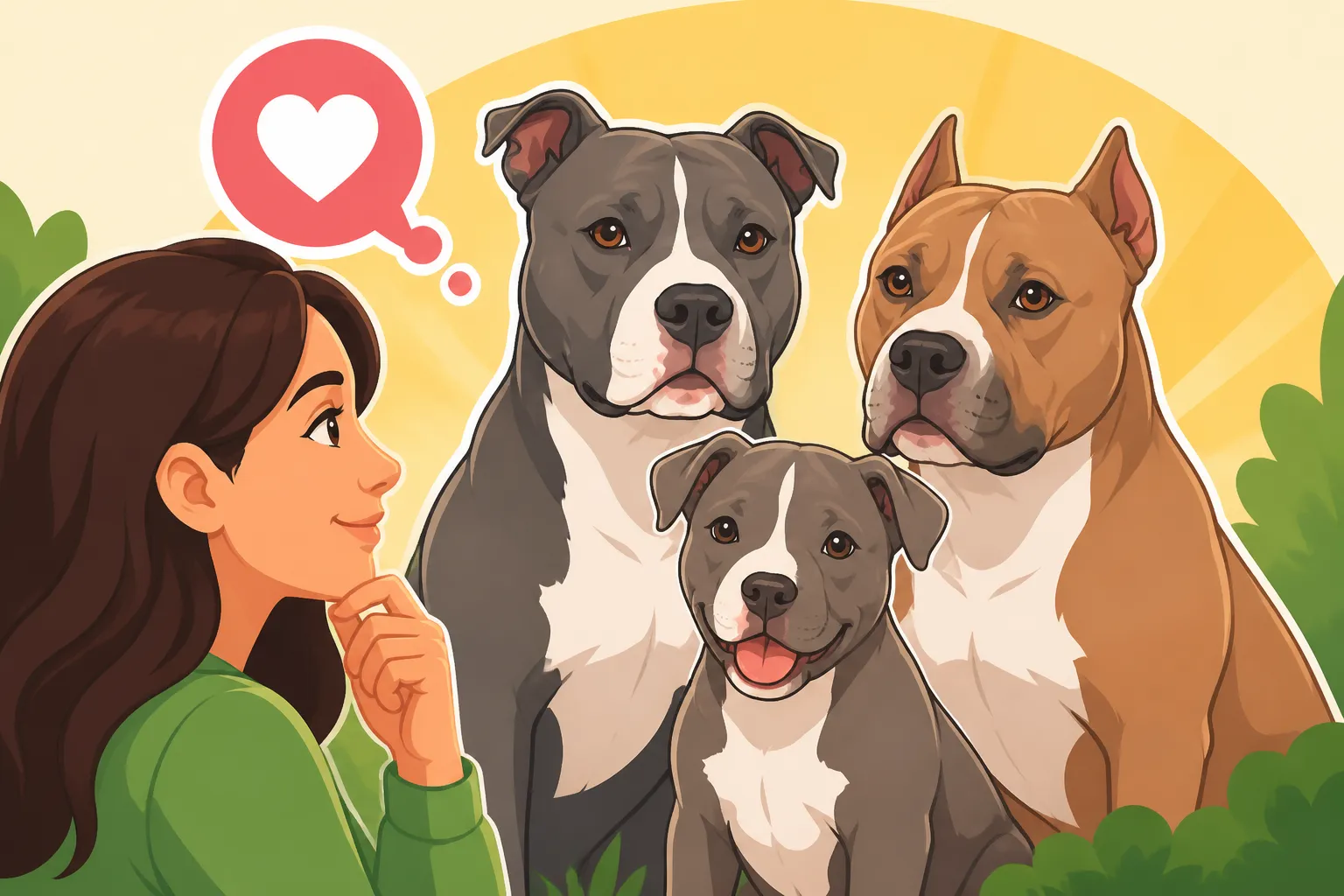
Meeting a Pit Bull’s Parents Before You Commit
Bringing a new Pit Bull into your home is incredibly exciting, full of dreams of adventures and cuddles. But amidst all that joy, it's easy to overlook one of the most crucial steps: meeting the puppy's parents. This isn't just a nicety; for a breed type that faces so much scrutiny and has unique needs, understanding the genetic and environmental influences from the dam and sire can literally set the stage for your dog's entire life. This guide will walk you through exactly why this step is non-negotiable and what to look for when you finally come face-to-face with the foundation of your future companion.
The Unseen Blueprint: Why Parent Temperament Matters So Much
When you're looking at a wiggly, adorable Pit Bull puppy, it’s hard to imagine them as anything but perfect. But just like with people, a dog’s personality and general disposition aren't solely shaped by their upbringing; a huge part of it comes directly from their genetic blueprint. The temperament of the dam (mother) and sire (father) offers the most honest glimpse into the potential personality traits your puppy might inherit. This is especially vital for Pit Bull type dogs, who are often unfairly judged, making stable and predictable temperaments paramount. You’re not just picking a puppy; you’re betting on a lineage.
Reading the Room: Observing the Dam's Demeanor
The mother dog, or dam, plays a colossal role in shaping her puppies, both genetically and through early learned behaviors. She's the primary caregiver, the teacher, and the emotional anchor for those first critical weeks. When you visit, pay very close attention to her. Is she calm, approachable, and confident, or is she nervous, skittish, or even reactive? A good dam should be relaxed in her familiar environment, even with visitors. She might be protective of her pups, which is natural, but that protectiveness should manifest as vigilance, not aggression or extreme anxiety.
Think about it: if the mother is constantly stressed, snapping at her puppies, or hiding from people, those early experiences can impress fear or anxiety upon the youngsters. Puppies learn a tremendous amount through observation and mimicry during their developmental windows. A calm, well-adjusted mother who is comfortable with human interaction is far more likely to produce puppies with similar traits. Observe how she interacts with her human family – are they affectionate, playful, and respectful towards her? This interaction can also be a strong indicator of the breeder's overall approach to dog care and socialization. If she seems uncomfortable or fearful of her human caregivers, that's a massive red flag.
The Influence of the Sire: What to Glean from a Distant Parent
While the dam provides the immediate environment and early lessons, the sire's genetic contribution to temperament is equally significant. Often, the sire lives off-site, especially if the breeder used an outside stud dog to diversify their lines. This means you might not get to meet him in person, but a reputable breeder should be able to provide extensive information, photos, and even videos of him. They should discuss his personality in detail: Is he outgoing, eager to please, stable under pressure, or more reserved? What activities does he participate in? Does he have titles in conformation, obedience, or sport? These achievements often speak volumes about a dog's trainability and temperament.
Don't shy away from asking pointed questions about the sire's history, even if you can't meet him. A breeder should be transparent about any known behavioral quirks or challenges. For Pit Bulls, understanding the full temperament picture, including the sire's, helps you assess the likelihood of your puppy growing into a stable, well-adjusted adult. A good breeder will recognize the importance of Pit Bull Temperament and the ATTS Results and will often have their dogs evaluated or titled in some capacity to demonstrate their dogs' soundness. While no test is perfect, these efforts show a commitment to breeding for sound minds.
Beyond Behavior: Understanding the Health Legacy
Beyond temperament, the health of the parents is absolutely paramount. Pit Bulls, like many breeds, are prone to certain genetic conditions that can cause significant pain, expense, and heartbreak for owners. Taking the time to investigate the health history of both parents isn't just being thorough; it's being responsible. It’s about giving your future family member the best possible start and avoiding preventable suffering.
Asking for the Paperwork: What Health Clearances Really Tell You
Any responsible breeder will be eager to show you proof of health testing for both the dam and sire. These aren't just vet visits; these are specific screenings for conditions known to affect the breed. For Pit Bull type dogs, common concerns include hip and elbow dysplasia, certain heart conditions, and sometimes hereditary skin issues or neurological disorders like Cerebellar Ataxia (NCL-A) in specific lines.
Here’s what you should be asking for and why it matters:
- Orthopedic Evaluations (OFA/PennHIP): Look for certifications regarding hips and elbows. Pit Bull Hip Dysplasia Showing at One to Two Years is a serious, painful condition that can severely impact a dog's quality of life. Knowing the parents are clear significantly reduces the risk for the puppies.
- Cardiac Clearances: Some Pit Bull lines can be predisposed to heart conditions like Aortic Stenosis. A certified veterinary cardiologist performing an echocardiogram can provide clearance.
- Thyroid Testing: Hypothyroidism can impact a dog's coat, weight, and energy levels. While not always genetic, knowing the parents' status is helpful.
- Ophthalmic Exams (CERF/OFA Eye): While less common, eye issues can occur.
- Genetic Disease Panels: For specific lines, DNA tests for conditions like NCL-A (Neuronal Ceroid Lipofuscinosis Type A) are crucial. This devastating neurological condition is breed-specific in some Pit Bull types. A breeder should be able to show you results for a clear status or explain carrier status responsibly.
A breeder providing "vet checks" is not the same as providing official health clearances. Vet checks simply mean the dog was seen by a vet; clearances involve specific, often specialist-performed, tests submitted to a registry. Make sure you see the actual certificates, not just hear verbal assurances. A detailed What a Pit Bull Health History Should Cover for both parents provides transparency and peace of mind.
Spotting Potential Issues: Physical Cues and Concerns
Beyond the paperwork, observe the parents physically. Are they in good body condition? Do they carry a healthy weight, or are they overly thin or obese? Their coats should be shiny and healthy, not dull, flaky, or showing signs of chronic scratching. Skin issues like allergies are unfortunately common in Pit Bulls, and if a parent is constantly itching, licking paws, or has red, irritated skin, it’s a strong indicator your puppy might inherit similar sensitivities. You can learn more about this in Pit Bull Skin Allergies and the Atopy Pattern.
Check their eyes for any discharge or cloudiness, and their ears for signs of chronic infection or inflammation. Listen to their breathing. Are they moving comfortably, without stiffness or lameness, especially after they've been resting? Take note of their teeth – are they clean and free of excessive tartar or broken teeth? Pit Bull Dental Disease and Hard Chewing can indicate poor dental care or a propensity for issues. These observations, combined with health clearances, paint a complete picture of the genetic and environmental health your puppy is likely to inherit.
The Environment Equation: Where and How the Parents Live
A dog’s upbringing influences them profoundly. It's not just about good genes; it's about a nurturing environment that fosters well-being and positive development. This is where you get a sense of the breeder's dedication and philosophy.
A Glimpse into Their World: Evaluating the Home Environment
When you visit, pay attention to the overall cleanliness and organization of where the dogs live. Is it a chaotic mess or a clean, safe, and stimulating environment? Are the dogs comfortable and secure in their surroundings? A good breeder keeps their breeding dogs as beloved family members, not kennel dogs tucked away in outdoor runs. They should have access to clean water, appropriate bedding, and enough space to move and play.
A quiet, isolated environment isn't ideal for puppies, as they need exposure to normal household sounds, sights, and smells. Conversely, an overly crowded or unsanitary environment is a huge red flag for neglect or irresponsible breeding. You want to see parents who are integrated into a family setting, showing they are well-socialized and accustomed to typical home life. This sets a fantastic precedent for your puppy's transition to your own home.
Interactions with the World: How Parents Engage with People and Other Dogs
How the parent dogs, particularly the dam, interact with different people and other dogs (if present) is telling. A well-socialized dog should be generally friendly and curious, though perhaps a little reserved with strangers at first. They shouldn't be overtly fearful, aggressive, or extremely anxious when meeting new people. Pay attention to how the dam reacts to the breeder's family, especially children if they are present. Are they gentle and tolerant? This interaction can give you a strong indication of what your puppy might be like.
If there are other adult dogs in the household, observe their dynamics. Do they interact peacefully, or is there tension or resource guarding? A harmonious multi-dog household speaks volumes about the dogs' temperaments and the breeder's ability to manage them. Remember, Pit Bull Dog Selectivity and Multi-Dog Homes can be a trait in the breed type, so seeing a well-managed group is important. These observations are critical for understanding the social environment your puppy has been exposed to and how it might influence their own social development. A good breeder prioritizes Socializing a Pit Bull Puppy Thoroughly from day one, and the parents' behavior is the first lesson.
When Meeting Isn't Possible: Navigating Rescue and Other Scenarios
Sometimes, meeting both parents isn't an option. This is especially true if you're looking to adopt a Pit Bull from a shelter or rescue group, or if the sire lives too far away from the dam. But don't despair! While it requires a slightly different approach, you can still gather a wealth of information to make an informed decision.
Rescue Realities: Gathering Information Without Direct Parent Access
Adopting a Pit Bull from a rescue or shelter is a wonderful way to give a deserving dog a second chance, and many amazing Pit Bulls are waiting for homes. Pit Bulls in American Shelters often have a harder time getting adopted, so choosing a rescue dog is a fantastic choice. However, information about their parentage is almost always unknown. In these situations, your focus shifts:
- Foster Parent Insights: The best resource in a rescue scenario is often the foster parent. They’ve lived with the dog, observed its behavior in a home setting, and can give you invaluable insights into its personality, quirks, and potential challenges. Ask about its behavior around strangers, other dogs, children, and how it handles being alone.
- Behavioral Assessments: Reputable rescues often conduct behavioral assessments to understand a dog's temperament. Ask to see these reports and discuss them in detail.
- Veterinary Records: While you won't get parent health clearances, you can get a good idea of the rescue dog's current health status, vaccination history, and any known medical issues. Make sure they’ve had their Pit Bull Puppy Vaccination and Parvovirus if it’s a younger dog.
- Observation: Spend significant time with the dog yourself. Interact with it in different environments if possible (e.g., in a quiet room, on a walk). How does it respond to you? How does it respond to stimuli around it?
- DNA Testing: If you’re really curious about breed mix, a DNA test can be done after adoption, though it won't give you specific parent health clearances. It can sometimes clarify why a dog might have certain traits or predispositions.
While you might not meet the biological parents, the goal remains the same: gather as much information as possible to predict the dog's future behavior and health needs.
Red Flags and Gut Feelings: What to Watch Out For Regardless
Whether you're dealing with a breeder or a rescue, always trust your gut. If something feels off, it probably is. Here are some universal red flags to watch for:
- Reluctance to Show Parents: If a breeder makes excuses about why you can't see the dam, or provides no information on the sire, walk away. This is non-negotiable.
- Unsanitary or Unsafe Conditions: Any environment that is dirty, overcrowded, or poses a risk to the dogs' well-being is unacceptable.
- Dogs Appear Fearful or Aggressive: If the adult dogs are cowering, barking incessantly out of fear, or acting aggressively towards people or each other, this is a serious concern.
- No Health Clearances: If a breeder claims their dogs are healthy but has no official documentation, that's a major red flag.
- Lack of Transparency: A good breeder or rescue is open and honest. If they seem to be hiding information, rushing your visit, or pressuring you to make a decision, take a step back.
- Overly Young Puppies: Puppies should ideally stay with their mother until at least 8 weeks of age. Taking them home earlier can lead to behavioral problems.
Remember, bringing a Pit Bull into your life is a significant commitment, both emotionally and financially. Thinking about What to Set Aside for a Pit Bull Each Year can feel daunting, but being prepared means making informed choices from the start. Tools like sturdy crates available at places like Chewy, high-quality food, and appropriate training gear are all part of the initial investment. A responsible choice upfront can save you a world of trouble and expense down the line. Investing in a durable The Crate a Fifty Pound Pit Bull Needs from a reputable pet supply store like Chewy early on will make a difference. Even your choice of High-Value Treats That Hold a Pit Bull's Focus will come into play during training.
Here's a quick comparison of what to look for when evaluating potential parents:
| Aspect | What to Observe in the Dam (Mother) | What to Inquire About the Sire (Father) |
|---|---|---|
| Temperament | Calm, confident, social, tolerant of pups and people, playful, not fearful. | Described as stable, confident, friendly, participates in activities/sports. |
| Physical Health | Healthy weight, shiny coat, clear eyes/ears, no lameness/excessive scratching. | Confirmed healthy via photos/videos, no known chronic issues. |
| Health Clearances | OFA/PennHIP for hips/elbows, cardiac, thyroid, NCL-A if applicable. | Same as dam, verifiable documentation from breeder. |
| Living Environment | Clean, spacious, stimulating, integrated into family life. | Should be well-cared for, not in a puppy mill or overcrowded situation. |
| Interaction | Positive with humans, other dogs, and pups. Good maternal instincts. | History of good interactions, no aggression or excessive fear. |
| Breeder's Transparency | Openness, willingness to answer questions, provides documentation readily. | Willingness to share all information, videos, contact details if external. |
Taking the time to meet the parents (or thoroughly investigate their background) is perhaps the most important decision you'll make when bringing a new Pit Bull into your life. It's not just about a cute puppy today; it's about setting the stage for a happy, healthy, and well-adjusted companion for years to come.
Disclaimer
This article is for general informational purposes only and does not constitute professional advice. Laws, prices and regulations vary by location and change over time. Consult a qualified professional for guidance on your specific situation.