A Pit Bull Ear Swollen From Shaking
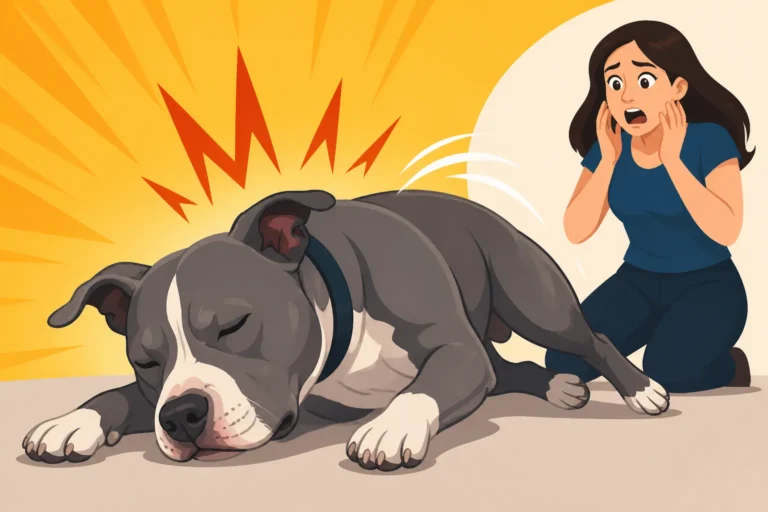
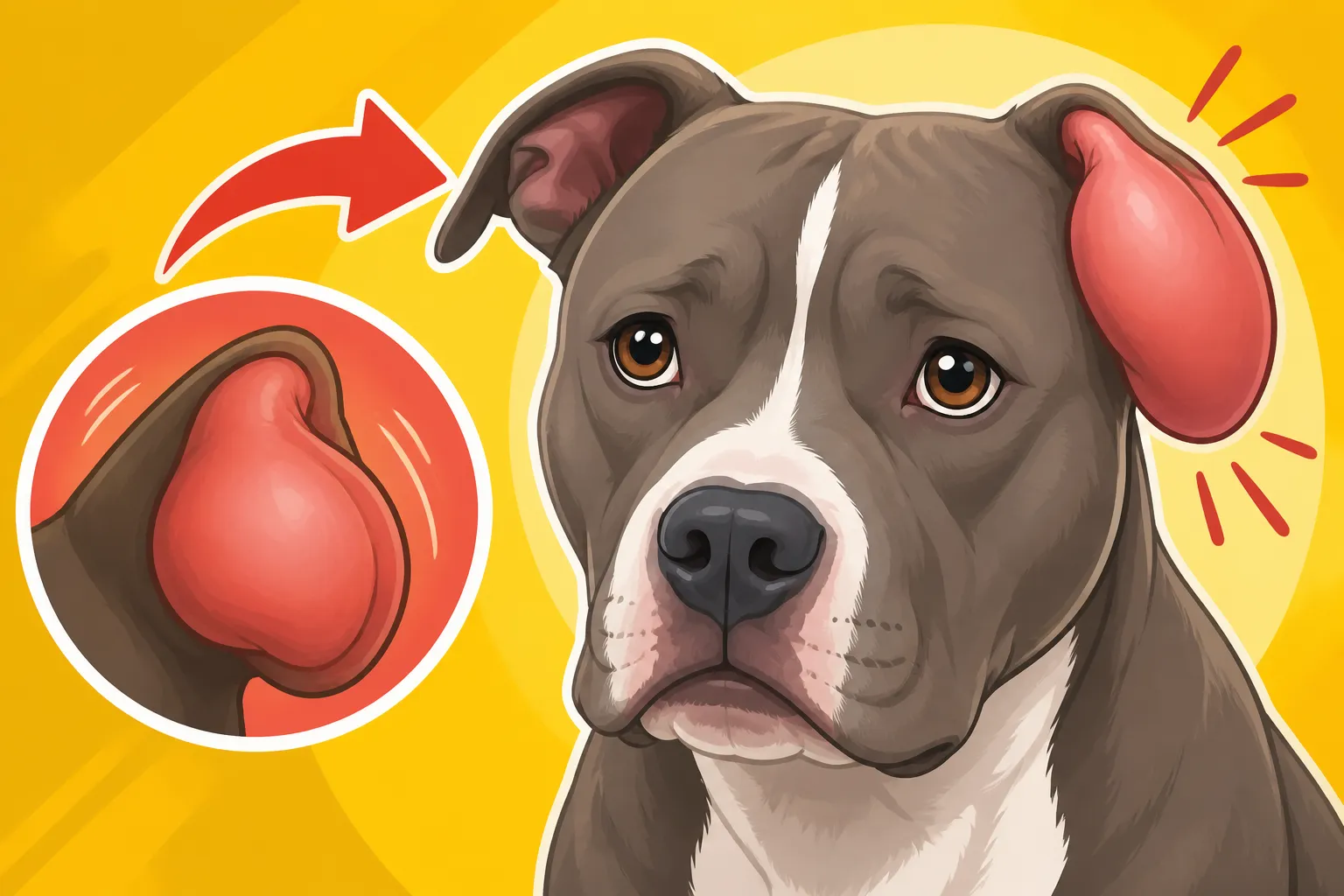
That moment you see your Pit Bull’s ear, not just a little floppy, but dramatically swollen, like a water balloon has mysteriously appeared overnight? It's genuinely alarming, and often, the culprit is intense, repetitive head shaking. This guide dives deep into understanding what causes an aural hematoma, how to recognize the signs, the treatment options available, and most importantly, how to prevent this painful and uncomfortable condition in your beloved companion.
Understanding the Pit Bull Aural Hematoma
When your Pit Bull shakes their head with gusto, it's usually harmless. But sometimes, that powerful action can lead to a serious internal injury to their ear flap. This isn't just a simple bruise; it's a specific and painful condition called an aural hematoma, and it's something many Pit Bull owners unfortunately encounter.
What Happens Inside a Swollen Ear
Imagine the structure of your Pit Bull’s ear flap (the pinna). It’s primarily cartilage, covered on both sides by skin. Between this cartilage and the skin, there’s a network of tiny blood vessels. When a dog shakes its head vigorously and repeatedly, the force of the ear flap slapping against itself or against their head can cause these delicate blood vessels to rupture. Think of it like a sudden, forceful twist or impact.
Once these blood vessels break, blood begins to pool in the space between the cartilage and the skin, forming a pocket. This pocket expands, creating that characteristic soft, swollen, often warm lump on the ear flap. It’s essentially a very large blood blister on the ear. The pressure from this accumulating blood is incredibly uncomfortable and painful for your dog, prompting them to shake their head even more, which only exacerbates the problem and can make the hematoma larger or prevent it from healing naturally.
Why Pit Bulls are Prone to This Condition
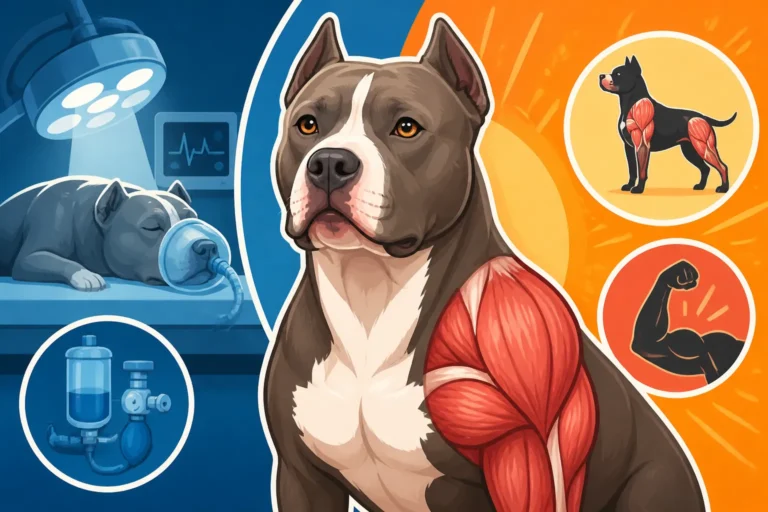
It might seem unfair, but Pit Bulls, and other breeds with floppy ears (like Beagles, Basset Hounds, or even some Labrador Retrievers), are indeed more susceptible to aural hematomas. There are a few key reasons for this. Firstly, their ear structure itself plays a role; those pendulous ear flaps have more surface area and more "flapping power" when they shake their heads compared to dogs with erect ears. The sheer muscle and force behind a Pit Bull’s head shake can be immense, making the trauma to the delicate ear tissues more likely.
Secondly, and perhaps most crucially, Pit Bulls are unfortunately quite prone to underlying conditions that cause intense itchiness and discomfort in their ears, leading to that vigorous head shaking in the first place. Chronic ear infections are a huge factor here. Whether it's bacterial, yeast, or even mites, an irritated ear is an itchy ear, and an itchy ear leads to shaking. Many Pit Bulls also battle environmental allergies, often referred to as atopy, which can manifest directly in their ears, making them red, itchy, and inflamed. It’s a frustrating cycle for both dog and owner. Understanding Pit Bull Ear Infections and What Drives Them is really the first step in prevention.
The Underlying Triggers for Head Shaking
The swollen ear itself is often just the visible symptom of a deeper, underlying issue. Your Pit Bull isn't shaking their head just for fun; they're trying to relieve discomfort. Identifying and treating these triggers is paramount to preventing future hematomas.
One of the most common culprits, as mentioned, are ear infections. These can be bacterial, leading to a foul smell and yellow-green discharge, or yeast infections, which often present with a distinct yeasty odor and dark, waxy debris. Ear mites, while more common in puppies, can also cause intense itching. Foreign bodies, such as grass awns or burrs, can also become lodged deep in the ear canal, causing severe irritation and frantic head shaking as your dog tries to dislodge them. Less common but still possible are polyps or tumors within the ear canal, which can cause chronic irritation.
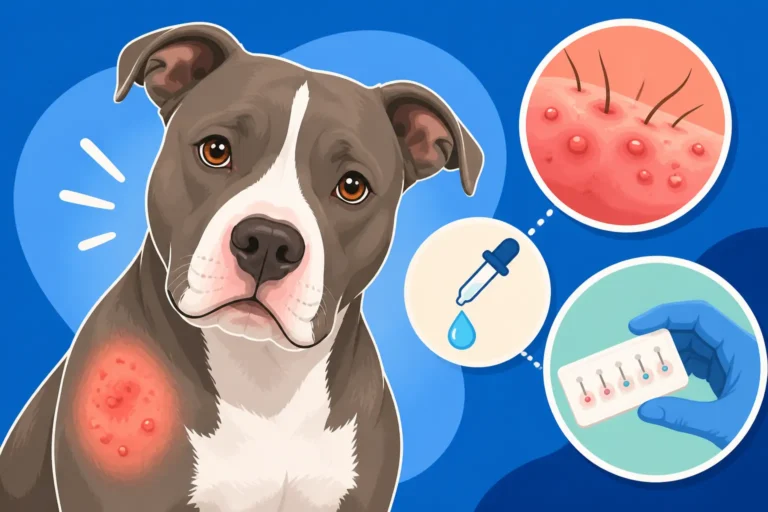
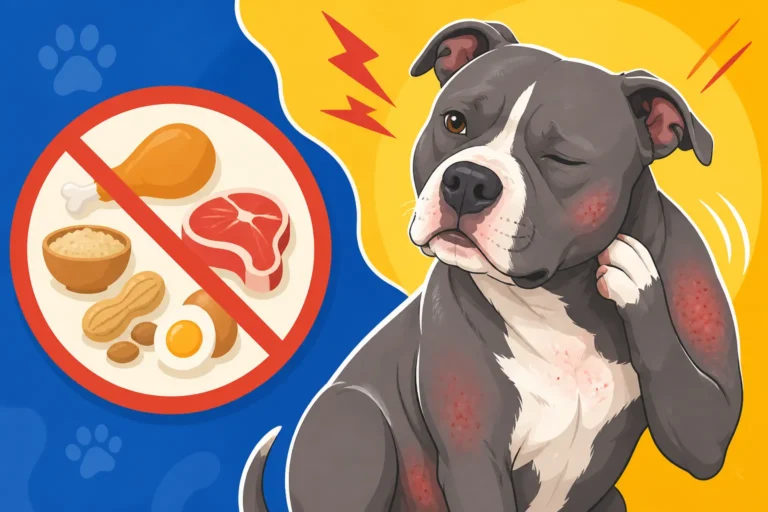
Beyond infections, allergies are a massive factor in Pit Bulls. Just like people, dogs can suffer from environmental allergies (like pollen, dust mites, or molds) or food allergies. For many Pit Bulls, these allergies manifest as incredibly itchy skin and ears. You might notice your dog also licking their paws or scratching other areas of their body. If you’ve ever seen your Pit Bull rubbing its face on the carpet, trying to get relief, you know exactly how intense this can be. Conditions like Pit Bull Skin Allergies and the Atopy Pattern and Food Allergies Behind Pit Bull Itching are common reasons for persistent ear irritation. Without addressing these root causes, even after a hematoma is treated, the problem is likely to return, because the itch that drives the shaking will still be there.
Recognizing the Signs and Initial Home Care
Spotting an aural hematoma might seem obvious once it's fully developed, but catching it early and knowing how to respond can make a difference in your dog's comfort and recovery. It’s an alarming sight, and your immediate instinct might be to panic – but staying calm is key for your dog.
Spotting the Swelling and Discomfort
The most unmistakable sign is the swelling itself. It will look like a soft, fluid-filled pocket on the inside or outside of the ear flap. Sometimes it encompasses the entire ear, making it feel thick and heavy. Other times, it might be a smaller, localized lump. The ear might feel warm to the touch, and your Pit Bull will likely show clear signs of discomfort. They might hold their head tilted, resist you touching the affected ear, or whimper when it’s gently moved. They'll also continue to shake their head, often even more frequently, attempting to relieve the pressure and pain, which, as we know, just makes things worse.
This sustained shaking can lead to other issues. The ear might hang lower than the healthy one, appearing misshapen or puffy, sometimes referred to as "cauliflower ear" if scar tissue forms. In severe cases, if the hematoma continues to grow and put pressure on the ear canal, it could even temporarily affect their hearing in that ear. Observing your dog's overall behavior is important too – are they more lethargic? Less interested in food or play? These could be signs of significant pain.
What to Do and Not Do Immediately
Once you suspect an aural hematoma, the most important thing is to contact your veterinarian immediately. This isn't a condition you can treat effectively at home. While you wait for your appointment, try to minimize further trauma. If your dog is continually shaking their head, an Elizabethan collar (often called a "cone of shame") can be invaluable. It prevents them from shaking their head as violently and hitting their ear against surfaces, potentially rupturing more vessels or irritating the hematoma further.
Avoid trying to drain or treat the hematoma yourself. This can introduce infection, cause more pain, and simply isn't a viable long-term solution. Do not apply hot or cold compresses without veterinary guidance, as this might not be helpful and could even cause discomfort. Your main role is to keep your Pit Bull calm, comfortable, and to get them to the vet as quickly as possible. Gentle petting and reassurance can go a long way in managing their stress during this uncomfortable time.
When It's an Emergency
While most aural hematomas aren't life-threatening emergencies, they do warrant prompt veterinary attention. However, there are certain situations where you should consider it an urgent, same-day visit to the emergency vet clinic:
- Extreme Pain: If your Pit Bull is crying out, yelping, or showing signs of severe pain whenever the ear is touched or even when moving their head.
- Active Bleeding: If the hematoma has ruptured or the ear is actively bleeding, this requires immediate attention to control the bleeding and prevent infection.
- Signs of Infection: While an aural hematoma itself isn't an infection, if you notice pus, a foul odor, or fever alongside the swelling, it could indicate a secondary infection that needs urgent care.
- Difficulty Breathing or Swallowing: Although rare, if the swelling is so extensive that it starts to affect other structures, or if there are any signs of systemic illness, seek emergency care.
For most cases, a visit to your regular vet within 24 hours is appropriate. They will be able to properly diagnose the hematoma, assess the underlying cause, and discuss the best course of treatment.
Veterinary Treatment Options for Aural Hematomas
Dealing with an aural hematoma in your Pit Bull can be stressful, especially when considering treatment. There are a few approaches, but for a breed with such powerful headshakes, surgery often proves to be the most effective long-term solution. This is where a good pet insurance plan like Healthy Paws can really shine, helping alleviate the financial burden of unexpected veterinary care.
Non-Surgical Approaches and Their Limitations
Initially, your vet might discuss non-surgical options, especially for smaller or very recent hematomas. The primary non-surgical method involves aspiration, where a needle is used to drain the accumulated blood. Sometimes, a steroid is injected to reduce inflammation. After aspiration, a compression bandage might be applied to help prevent the space from refilling.
While this sounds less invasive, it often has significant limitations, particularly in active breeds like Pit Bulls. The success rate of aspiration alone is quite low. The space often refills quickly because the underlying blood vessels are still compromised, and your Pit Bull's powerful head shaking can easily re-rupture them or prevent proper healing. The constant movement of the ear makes it very difficult for the delicate tissues to re-adhere and heal properly. For a breed known for its robust physical nature, non-surgical approaches are often a temporary fix, if they work at all, meaning repeat vet visits and continued discomfort for your dog.
Surgical Correction and Recovery
For most aural hematomas in Pit Bulls, surgical intervention is considered the gold standard for treatment. It provides the best chance for complete resolution and prevents the dreaded "cauliflower ear" deformity that can result from uncorrected hematomas where scar tissue forms and distorts the ear flap.
The most common surgical procedure involves making an incision into the hematoma to drain all the blood. The vet will then place numerous sutures (stitches) through the entire ear flap, from one side to the other. These sutures are crucial because they accomplish two things: they close the space where the blood was pooling, and they firmly reattach the skin to the cartilage. This compression prevents new blood from accumulating and allows the tissues to heal back together properly. These sutures are often left in for several weeks to ensure adequate healing.
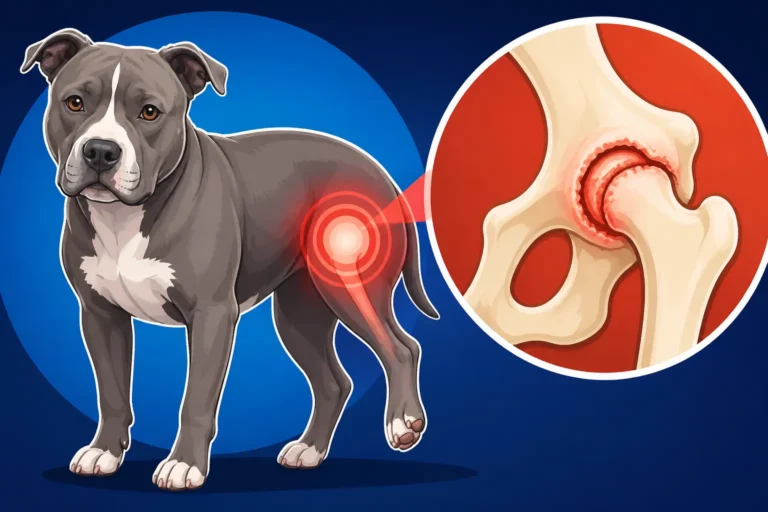
Post-operative care is just as vital as the surgery itself. Your Pit Bull will almost certainly come home with an Elizabethan collar (e-collar or "cone") to prevent them from scratching, rubbing, or shaking their head, which could tear out the sutures or reopen the hematoma. Pain medication and anti-inflammatory drugs will be prescribed to keep your dog comfortable. You'll likely also receive antibiotics to prevent infection. Regular bandage changes, if a wrap is used, and careful monitoring of the incision site for any signs of infection or swelling are paramount. The recovery period typically lasts several weeks until the sutures are removed, and during this time, limiting strenuous activity is important. The cost of such a procedure can be significant, which is why having pet insurance like Healthy Paws can be incredibly helpful. If you’re worried about finances, many owners find peace of mind knowing they’re covered for unexpected surgeries, which are unfortunately common. Consider discussing Pit Bull Surgery Costs From Hips to Teeth with your vet or insurer.
Managing Pain and Preventing Recurrence
Beyond the immediate surgical repair, comprehensive pain management is a key part of your Pit Bull's recovery. Your vet will prescribe appropriate pain relief, which might include NSAIDs (non-steroidal anti-inflammatory drugs) to reduce both pain and inflammation. Adhering strictly to the medication schedule is essential to keep your dog comfortable and minimize their desire to scratch or shake their healing ear.
However, the real key to preventing recurrence lies in diligently addressing the underlying cause of the head shaking. If the hematoma developed because of chronic ear infections or allergies, those issues must be managed proactively and consistently. This might involve long-term allergy medication, regular specialized ear cleanings, or a specific diet if food allergies are suspected. Without managing the root cause, your Pit Bull could easily develop another hematoma on the same ear, or even the other one, down the line. It's a frustrating reality that many Pit Bull owners face, and it requires ongoing vigilance and partnership with your veterinarian.
Long-Term Prevention and Comprehensive Ear Health
Preventing an aural hematoma is far better than treating one. Since the vast majority of these painful swellings are triggered by head shaking caused by ear irritation, focusing on diligent ear care and managing any underlying conditions is your best line of defense for your Pit Bull.
Proactive Ear Cleaning Routines
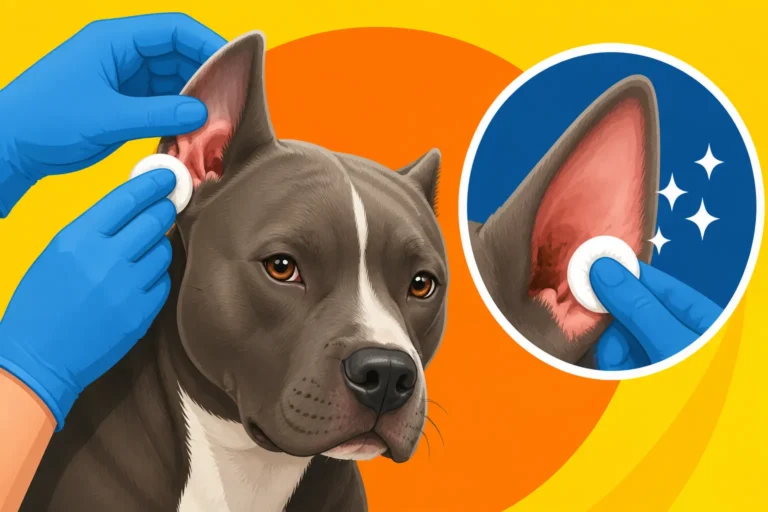
Regular ear cleaning is one of the simplest yet most effective ways to prevent ear irritation that can lead to head shaking. For many Pit Bulls, a weekly or bi-weekly ear cleaning routine is ideal, especially if they are prone to ear infections or allergies. Your veterinarian can show you the correct technique, which typically involves using a vet-approved ear cleaning solution, gently massaging the base of the ear, and then wiping away any loosened debris with a cotton ball or soft gauze. It’s crucial to use products specifically designed for dogs, as human products can upset the delicate pH balance of a dog’s ear canal.
Never use cotton swabs down into the ear canal, as this can push debris further in and potentially damage the eardrum. The goal is to keep the visible part of the ear clean and dry. If you’re unsure which products are best, ask your vet about Which Ear Solutions Suit an Allergic Pit Bull. A consistent routine helps remove wax, dirt, and allergens that can accumulate and trigger inflammation, setting the stage for more serious problems.
Addressing Allergies and Other Underlying Conditions
For many Pit Bulls, aural hematomas are a secondary complication of chronic allergies. If your dog frequently has red, itchy ears, or shows other signs of allergies like paw licking, belly rashes, or recurrent skin infections, it's time to work with your vet to get to the bottom of it. This might involve a strict food elimination trial to rule out or identify food allergies, or environmental allergy testing (either blood tests or intradermal skin tests) to pinpoint specific triggers.
Once diagnosed, managing allergies often involves a multi-modal approach. This could include prescription medications like Apoquel or Cytopoint to control the itch, as discussed in Apoquel and Cytopoint for an Itchy Pit Bull, or even immunotherapy (allergy shots) to desensitize your Pit Bull to their specific allergens. Regular vet check-ups are essential to monitor their ear health and overall allergy management. Don't underestimate the power of consistent treatment – it’s not just about comfort; it's about preventing painful complications like hematomas. Remember, managing conditions like Pit Bull Ear Infections Every Few Months requires ongoing vigilance.
Environmental and Dietary Considerations
Beyond specific treatments, making thoughtful choices about your Pit Bull's environment and diet can significantly contribute to their long-term ear health. If you know your dog has environmental allergies, try to minimize their exposure to identified allergens. For instance, after walks in grassy or dusty areas, a quick wipe down of their paws and ears can help remove pollen. Running a HEPA air filter in your home can also reduce airborne allergens.
Diet plays a crucial role, especially for Pit Bulls with food sensitivities. Feeding a high-quality, balanced diet that supports overall skin and coat health is important. If a food allergy is diagnosed, switching to a prescription hydrolyzed protein diet or a novel protein diet will be necessary. Always introduce new foods slowly and observe your Pit Bull for any adverse reactions.
Finally, while we can't always prevent accidents, having pet insurance can be a game-changer for managing the unexpected. Companies like Healthy Paws offer comprehensive plans that can cover a significant portion of emergency vet visits, diagnostic tests, surgeries for conditions like aural hematomas, and ongoing care for chronic issues like allergies. This kind of financial support can give you peace of mind and ensure you can always make the best medical decisions for your Pit Bull without undue stress about the cost. It’s definitely worth looking into Pit Bull Pet Insurance and Breed Exclusions before any health issues arise.
Aural Hematoma Treatment Comparison
| Feature | Non-Surgical Treatment (Aspiration/Draining) | Surgical Treatment (Incision & Suturing) |
|---|---|---|
| Method | Needle drainage, optional steroid injection, compression wrap. | Incision, blood drained, multiple sutures placed to reattach skin to cartilage. |
| Pros | Less invasive, faster initial procedure, lower upfront cost. | Higher success rate, less likely to recur, prevents cauliflower ear. |
| Cons | High recurrence rate (ear often refills), potential for ongoing discomfort, scarring without proper reattachment. | More invasive, requires anesthesia, longer recovery period with e-collar, higher upfront cost. |
| Typical Cost Range | $100 – $500 (can vary based on repeat visits) | $500 – $2,000+ (depending on vet, location, and severity) |
| Recovery | Can be quick if successful, but often leads to recurrence. | Several weeks with e-collar, sutures removed after 2-4 weeks. |
| Underlying Cause | Still needs to be addressed for long-term prevention. | Still needs to be addressed for long-term prevention. |
| Best For | Very small hematomas, temporary relief, or dogs who cannot undergo anesthesia. | Most aural hematomas, especially larger or recurrent ones, and healthy Pit Bulls. |
Disclaimer
The information provided in this guide is intended for educational purposes only and should not be considered a substitute for professional veterinary advice. Always consult with a qualified veterinarian regarding any health concerns or before making any decisions about your Pit Bull's medical care.