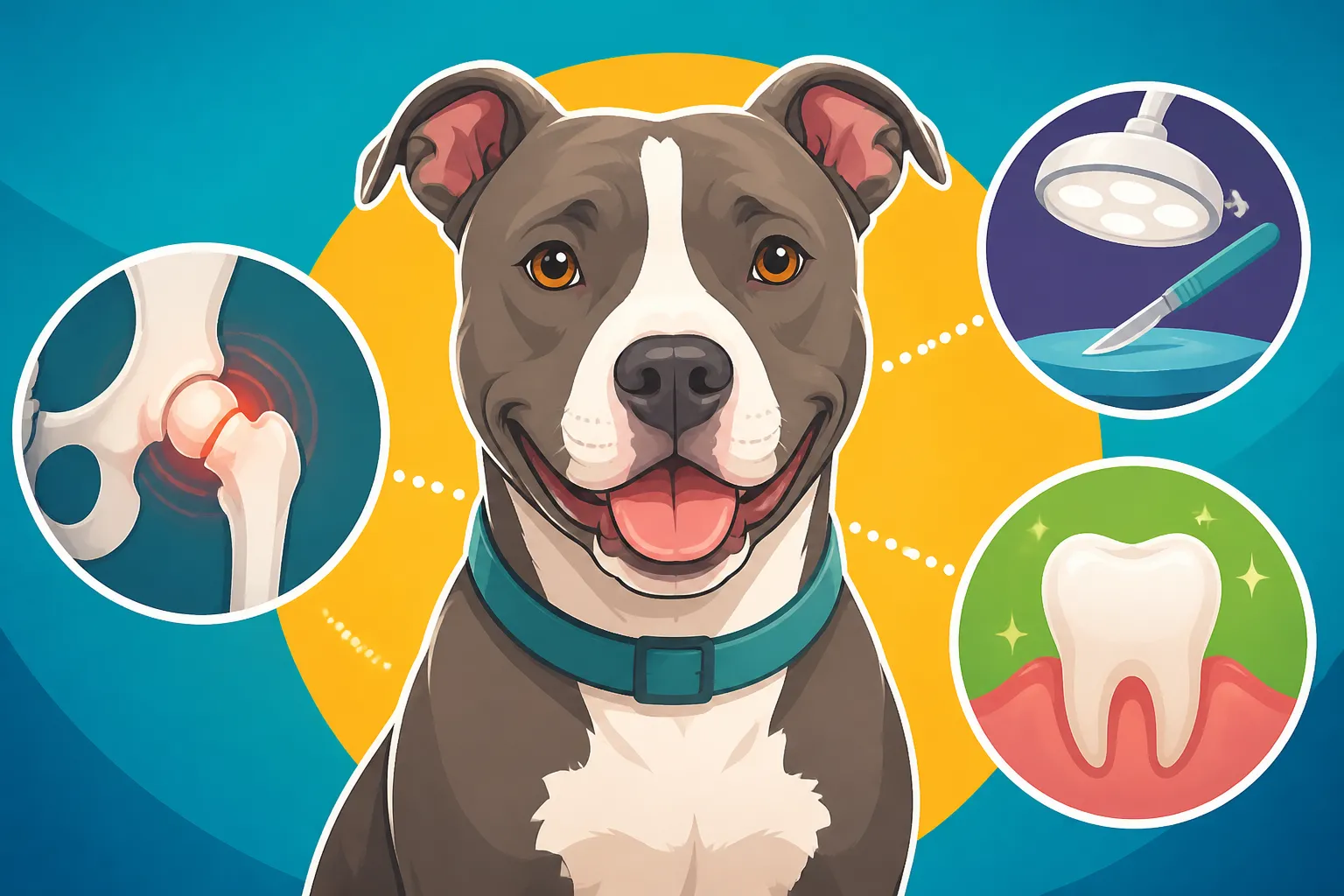
Pit Bull Surgery Costs From Hips to Teeth
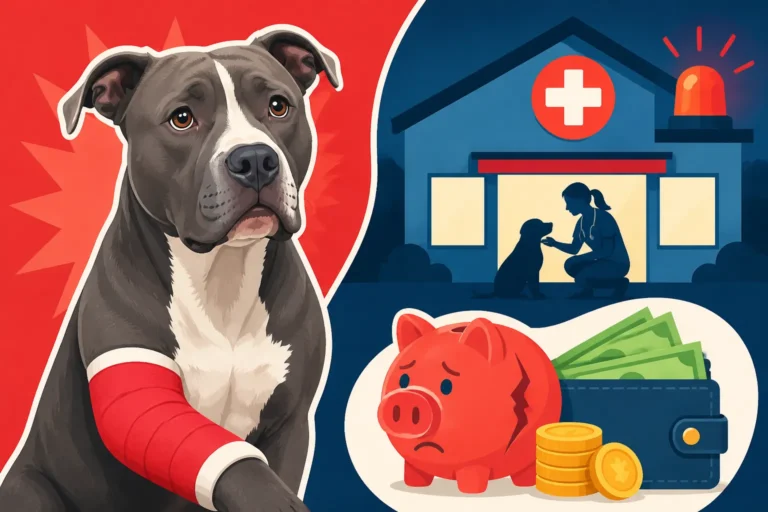
Facing the reality of a beloved Pit Bull needing surgery can feel like a punch to the gut, not just emotionally, but also financially. The worry about your dog's well-being is immediately compounded by the daunting question of how you'll cover the potentially significant veterinary bills. This guide aims to pull back the curtain on common Pit Bull surgery costs, helping you understand what to expect and how to prepare for these often-unavoidable expenses.
Understanding Common Pit Bull Surgical Needs
Pit Bulls, with their athletic builds and sometimes enthusiastic natures, are prone to certain health issues that often require surgical intervention. It’s not just about unfortunate accidents; many breed-specific predispositions can lead to costly operations. Being aware of these common issues can help you recognize symptoms early and, hopefully, prepare financially.
Recognizing Orthopedic Challenges
Given their muscular frames and active lifestyles, orthopedic problems are quite common in Pit Bulls. These aren't just minor aches and pains; they often require specialized surgical solutions to restore mobility and quality of life. Owners frequently find themselves navigating surgeries for conditions that develop over time or arise from sudden injuries.
For instance, hip dysplasia is a significant concern for many Pit Bull owners. This genetic condition, where the hip joint doesn't form correctly, can lead to painful arthritis and lameness. The earliest signs of Pit Bull Hip Dysplasia Showing at One to Two Years can be subtle, like a slight hesitation to jump or a change in gait, but as the condition progresses, surgery might become the only viable option. Similarly, injuries to ligaments and joints are prevalent, especially with their powerful build. A Cruciate Ligament Tears in a Muscular Pit Bull is a common scenario, where the knee ligament ruptures, causing severe pain and instability. These types of injuries don't heal on their own and typically require surgical repair to allow your dog to walk without pain again.
Addressing Soft Tissue Concerns
Beyond the bones and joints, Pit Bulls can also face soft tissue issues that necessitate surgery. These can range from common ailments to more complex, life-threatening conditions. Understanding these possibilities is crucial for any responsible owner.
One of the most frequently encountered soft tissue problems is related to skin. While allergies often manifest as itchiness and irritation that can be managed medically, persistent issues or secondary infections can sometimes require surgical drainage or removal of problematic lesions. Furthermore, internal soft tissue issues like foreign body ingestion are regrettably common, especially in curious pups. If your Pit Bull swallows something indigestible, it can cause an obstruction in their gastrointestinal tract, leading to emergency surgery to remove the item before it causes severe damage or rupture. Tumors and growths, though hopefully benign, might also need surgical excision and biopsy to ensure they don't pose a larger threat.
Emergency Interventions
Some surgical procedures aren't planned; they arrive with little to no warning, demanding immediate and often costly intervention. These emergency situations highlight the importance of having a financial safety net for your Pit Bull.
One of the most terrifying emergencies for deep-chested breeds like Pit Bulls is Gastric Dilatation-Volvulus, or GDV, commonly known as bloat. This condition, where the stomach fills with gas and twists, is rapidly fatal if not addressed with emergency surgery. The sudden onset and critical nature mean there’s no time to shop around; you head to the nearest emergency veterinary hospital. Another common emergency involves trauma, such as being hit by a car or sustaining severe injuries during rough play. These incidents can lead to internal bleeding, broken bones, or organ damage, all potentially requiring complex surgical repair. Unexpected illnesses, like a ruptured internal tumor or a severe infection not responding to antibiotics, can also quickly escalate into a surgical emergency.
Deciphering the Variables Behind Surgical Costs
When you’re handed an estimate for your Pit Bull’s surgery, it can feel like you’re looking at a foreign language. The sticker shock is real, and it’s often difficult to understand why the numbers are so high. The truth is, many factors contribute to the final bill, and understanding them can help demystify the process, even if it doesn't make it cheaper.
Geographic Location and Clinic Type
Where you live and the type of veterinary practice you use play a massive role in the overall cost of surgery. Veterinary care isn't uniform across the country, or even across towns. Just like human healthcare, location matters.
In major metropolitan areas or affluent suburbs, veterinary prices, including surgical fees, tend to be significantly higher than in rural areas. This reflects higher overheads for clinics, including rent, staff salaries, and specialized equipment. For example, a hip replacement surgery in New York City could easily cost double what it would in a smaller town in the Midwest. Beyond geography, the type of clinic also influences cost. A general practice veterinary clinic might charge less for a routine spay or neuter than a specialized surgical center. However, for complex procedures like advanced orthopedic surgeries or complicated tumor removals, you'll likely need to go to a specialty hospital, which, while offering advanced expertise and equipment, will naturally come with a premium price tag. These centers employ board-certified veterinary surgeons, who have undergone extensive additional training, and that expertise is factored into their fees.
Complexity of the Procedure and Anesthesia
Not all surgeries are created equal. A simple wound closure is vastly different from a complicated internal organ repair, and the inherent complexity of the procedure directly impacts the cost. Anesthesia is another critical component that varies greatly depending on the surgery.
A more intricate surgery, requiring specialized tools, longer operating times, and a higher degree of surgical skill, will inevitably be more expensive. For example, repairing a Pit Bull Joint and Ligament Injuries like a cruciate tear involves specific surgical techniques and sometimes implants, making it a more complex and therefore costly procedure than, say, removing a benign skin lump. The type and duration of anesthesia also add significantly to the bill. Longer surgeries require more anesthetic agents and more intensive monitoring by a dedicated veterinary technician, often a certified veterinary anesthesiologist. If your Pit Bull has underlying health conditions, like Heart Disease in a Pit Bull, the anesthetic protocol will need to be much more tailored and closely monitored, increasing the cost due to the higher level of care and risk involved.
Pre-Surgical Diagnostics and Post-Operative Care
The actual "surgery" is just one part of the overall cost. Before your Pit Bull even enters the operating room, and long after they leave it, there are crucial steps that contribute to the final invoice. These diagnostic and recovery phases are non-negotiable for ensuring a successful outcome.
Before any major surgery, your vet will need a clear picture of your Pit Bull's health. This means blood work to check organ function and blood clotting abilities, X-rays or ultrasounds to visualize the problem area, and sometimes even more advanced imaging like CT scans or MRIs, especially for orthopedic or neurological issues. These pre-surgical diagnostics can easily add hundreds, if not thousands, of dollars to the total. Then, once the surgery is complete, the journey isn't over. Post-operative care is vital and often includes a hospital stay for monitoring, pain management medications, antibiotics, and follow-up appointments. Physical therapy or rehabilitation might also be necessary, particularly after orthopedic surgeries, to ensure a full recovery. Each of these components, from medications to bandage changes and follow-up examinations, accumulates costs.
The Specifics of Orthopedic Surgery Costs
Orthopedic issues can be particularly painful and debilitating for Pit Bulls, often necessitating surgery to restore their active lifestyles. The costs associated with these procedures can be substantial, reflecting the specialized skills, equipment, and recovery needed.
Hip Dysplasia and Replacement Expenses
Hip dysplasia is a notoriously costly condition to manage surgically, especially if it progresses to the point where a full hip replacement is recommended. This is a common concern for many Pit Bull owners.
When your Pit Bull is diagnosed with hip dysplasia, initial management might involve pain medication and physical therapy. However, if conservative approaches fail and the pain becomes unmanageable, or if the dysplasia is severe, a total hip replacement (THR) becomes an option. This is one of the most expensive veterinary surgeries available. The procedure itself is highly specialized, involving the removal of the diseased hip joint and replacing it with an artificial one, much like in humans. The costs for What One Pit Bull Hip Costs to Replace can range anywhere from $4,000 to $8,000 per hip, and sometimes even more in highly specialized centers or regions with higher costs of living. This figure typically includes the surgeon's fee, anesthesia, implant costs, hospital stay, and initial post-operative care. It doesn't usually cover pre-surgical diagnostics, like extensive X-rays or consultations with an orthopedic specialist, or long-term rehabilitation, which are additional expenses. The decision for a hip replacement is significant, both for your dog's future mobility and your wallet.
Cruciate Ligament Repair and Other Joint Surgeries
Cruciate ligament injuries are incredibly common in active, powerful breeds like Pit Bulls, and they almost always require surgery for a good outcome. These joint surgeries are complex and varied, leading to a range of costs.
When your Pit Bull suffers a torn cranial cruciate ligament (CCL), often equivalent to an ACL tear in humans, it results in immediate lameness and instability in the knee. There are several surgical techniques to repair this, with Tibial Plateau Leveling Osteotomy (TPLO) and Tibial Tuberosity Advancement (TTA) being the most common and effective, especially for larger, more muscular dogs. These procedures involve reshaping the bone to create stability, rather than directly repairing the torn ligament. The cost for Pit Bull Cruciate Surgery Cost can typically range from $3,000 to $6,000 per knee, sometimes higher. This wide range accounts for the chosen surgical technique, the surgeon's experience, the complexity of the individual case, and the geographic location of the veterinary hospital. Less invasive techniques like extracapsular repair (lateral suture) might be slightly less expensive, usually in the $1,500 to $3,500 range, but they are often reserved for smaller or less active dogs and may not provide the same long-term stability for a strong Pit Bull. Beyond the CCL, other joint surgeries like patellar luxation repair (correcting a dislocating kneecap) can also incur costs in a similar range.
Arthritis Management and Advanced Procedures
While arthritis is often managed medically, severe cases, especially those stemming from uncorrected orthopedic issues, can require advanced surgical procedures or ongoing interventions that add up financially.
For Pit Bulls suffering from chronic arthritis, particularly in their later years, medical management can only go so far. Sometimes, a joint debridement or arthroscopy might be considered to clean up damaged cartilage or remove bone fragments, aiming to reduce pain and improve function. These procedures are less invasive than a full joint replacement but still represent a significant cost, typically ranging from $1,500 to $4,000, depending on the joint and complexity. For end-stage arthritis where pain is severe and constant, even without clear surgical repair options, nerve blocks or chronic pain management injections (like Librela for osteoarthritis) may be ongoing expenses. While not "surgery" in the traditional sense, some advanced pain management techniques can involve minimally invasive procedures requiring sedation or anesthesia, adding to the overall cost of managing a severely arthritic Pit Bull. Owners often look for ways to support their aging dogs, and you might find useful information in a guide on Joint Support for a Heavily Muscled Pit Bull which discusses various methods to maintain comfort as they age.
Dental Surgery: More Than Just a Cleaning
Many owners initially think of dental care as routine cleanings, but for Pit Bulls, who often have powerful jaws and a penchant for hard chewing, dental issues can quickly escalate into serious problems requiring extensive and costly surgery. It's not just about fresh breath; it's about preventing pain and infection.
Extraction Costs for Cracked or Diseased Teeth
Pit Bulls are notorious for their strong jaws and love for chewing, which unfortunately can lead to cracked or fractured teeth. These aren't just cosmetic issues; they expose the sensitive pulp, leading to pain and infection that often necessitates surgical extraction.
A simple dental cleaning under anesthesia might cost a few hundred dollars, but when extractions are involved, the bill can quickly climb. The cost for Extracting a Pit Bull Tooth Cracked on a Chew varies significantly based on the tooth involved and the complexity of the extraction. A simple incisor extraction might be relatively inexpensive, perhaps $50-$150 per tooth, but molars and canines, with their multiple roots and deep placement, are much more challenging. These surgical extractions can involve bone removal and suturing the gum, pushing the cost to $200-$500 or even more per tooth, especially if a specialist is required. If your Pit Bull has multiple diseased or broken teeth, these individual costs quickly add up, easily reaching into the thousands for a single dental procedure. Beyond the extraction itself, there are also costs for pre-anesthetic blood work, anesthesia monitoring, pain medications, and antibiotics post-procedure.
Addressing Periodontal Disease and Oral Tumors
Periodontal disease is rampant in dogs, including Pit Bulls, and if left untreated, it can lead to severe infection, tooth loss, and even systemic health issues. Furthermore, oral tumors, while hopefully benign, can also necessitate surgical intervention.
Mild periodontal disease might be managed with professional cleaning and good home care, but advanced cases often require more extensive dental surgery. This can involve deep scaling, root planing, and even the extraction of multiple teeth that have been compromised by severe gum recession and bone loss. The cost for treating moderate to severe periodontal disease can range from $500 to $2,000 or more, depending on the number of teeth affected and the complexity of the procedures. Oral tumors, whether benign or malignant, also demand prompt attention. Surgical removal of an oral mass requires careful planning to ensure clear margins and may involve specialized techniques to reconstruct the jaw or gums if the tumor is large or invasive. The cost for tumor removal can be anywhere from $800 to several thousands of dollars, depending on the size, location, and the need for a specialist, as well as the histopathology fees to determine if the tumor is cancerous.
Routine Dental Care vs. Emergency Interventions
Understanding the difference between routine dental care and emergency interventions is crucial, not just for your Pit Bull's health but also for your budget. Proactive care can save you a fortune in emergency costs.
Routine Pit Bull Dental Cleaning Schedule generally involves annual or biennial professional cleanings under anesthesia, often costing between $300 and $700. This might include scaling, polishing, and full-mouth X-rays to assess dental health below the gumline. While this seems like a significant expense, it's an investment that can prevent more serious and costly problems down the road. In contrast, an emergency dental intervention, like a painful abscess requiring immediate drainage and extraction, or a severely fractured tooth that's causing acute pain, will be much more expensive. These emergencies typically occur outside of normal business hours, incurring emergency fees, and the procedures themselves are often more complex due to the urgency and potential for severe infection. An emergency dental surgery can easily cost $1,000 to $3,000 or more, far exceeding the cost of preventative care. This stark difference highlights why regular dental check-ups and cleanings, along with proper home dental hygiene, are so important for Pit Bulls.
Emergency and Urgent Care Surgical Scenarios
Sometimes, no amount of preventative care can shield your Pit Bull from a sudden, life-threatening emergency requiring immediate surgery. These situations are highly stressful and often come with hefty price tags due to their urgency and critical nature.
Bloat GDV Surgery: A Time-Sensitive Expense
Bloat, or Gastric Dilatation-Volvulus (GDV), is one of the most frightening and rapidly progressive emergencies for deep-chested breeds like Pit Bulls. Time is of the essence, and surgical intervention is the only hope for survival.
When a Pit Bull's stomach fills with gas and then twists upon itself, it cuts off blood flow to vital organs and can lead to shock and death within hours. Recognizing Bloat in a Deep-Chested Pit Bull symptoms, such as restlessness, unproductive retching, a distended abdomen, and weakness, is critical. If bloat is suspected, you need to get to an emergency vet immediately. The cost for What Emergency Bloat Surgery Costs a Pit Bull Owner is significant, typically ranging from $2,500 to $7,000, and sometimes even higher. This includes emergency stabilization, intravenous fluids, pain management, the complex surgery to untwist the stomach (detorsion) and often to permanently tack it to the abdominal wall (gastropexy) to prevent future episodes, and intensive post-operative care in an emergency hospital. Survival rates are higher with early intervention, but the financial strain can be immense, particularly for an unplanned expense of this magnitude.
Trauma and Injury-Related Surgeries
Accidents happen, and for an active Pit Bull, these can often result in traumatic injuries requiring immediate surgical attention. These scenarios are unpredictable and often involve multiple complex procedures.
Whether it's from a car accident, a fall, or a severe scuffle with another animal, trauma can lead to a host of internal and external injuries. These might include broken bones, internal bleeding, ruptured organs, deep lacerations, or head trauma. The surgical costs for these types of injuries are highly variable, as they depend entirely on the extent and nature of the damage. A single fracture repair could be $2,000-$5,000, but if there are multiple fractures, internal injuries, or organ damage, the costs can skyrocket to $5,000-$10,000 or more, requiring specialized trauma care and multiple surgeries. Initial stabilization, diagnostics (X-rays, ultrasound), blood transfusions, and prolonged hospital stays in an intensive care unit (ICU) are often necessary, all adding to the final bill. The emotional toll of a traumatized Pit Bull needing extensive care is often matched by the overwhelming financial burden.
Foreign Body Removal and Obstruction Surgeries
Pit Bulls, with their curious nature and strong chewing instincts, are unfortunately prone to ingesting foreign objects. While some may pass naturally, others cause dangerous obstructions that demand emergency surgery.
If your Pit Bull swallows something that gets stuck in their esophagus, stomach, or intestines, it can lead to severe vomiting, abdominal pain, and a life-threatening blockage. Diagnostics like X-rays and ultrasound are usually the first step to confirm the presence and location of the foreign body. If it can't pass or be retrieved non-surgically (e.g., via endoscopy), surgery becomes necessary to open the gastrointestinal tract and remove the object. The cost for foreign body removal surgery typically ranges from $1,500 to $5,000. This includes diagnostics, anesthesia, the surgical procedure (which varies in complexity depending on the object's location and any damage it has caused), and post-operative hospitalization and medications. If the foreign body has caused significant damage, such as a perforation or necrosis of the intestine, the surgery becomes much more complicated and costly, with potential for long-term complications and even higher bills.
Strategies for Managing Unexpected Surgical Expenses
Knowing that significant veterinary costs are a possibility for your Pit Bull is one thing; having a plan to deal with them is another. Thankfully, there are several strategies you can employ to soften the financial blow of unexpected surgeries.
The Role of Pet Insurance in Cost Mitigation
Pet insurance can be a lifesaver for Pit Bull owners, especially given the breed's predispositions to certain conditions and the general judgment they face, which can make things harder. Having a policy in place can dramatically reduce out-of-pocket expenses for major surgeries.
Many pet insurance providers offer policies that cover accidents, illnesses, and emergencies, including surgical procedures. The key is to enroll your Pit Bull before any health issues or injuries arise, as pre-existing conditions are typically excluded. For a breed prone to orthopedic issues like Pit Bull Hip Dysplasia Showing at One to Two Years or Pit Bull Joint and Ligament Injuries, having a comprehensive policy can literally save you thousands of dollars if surgery becomes necessary. Companies like Healthy Paws are well-regarded for their comprehensive coverage, often reimbursing a high percentage (e.g., 80-90%) of eligible veterinary bills after your deductible is met. It’s crucial to research different plans, deductibles, reimbursement percentages, and annual limits to find one that fits your budget and your Pit Bull's potential needs. While there might be higher premiums for certain breeds or specific concerns, the peace of mind and financial protection it offers during a crisis are often invaluable. Before an unexpected event occurs, it's worth exploring Whether Pit Bull Insurance Covers Hip Surgery or other common ailments to ensure your chosen policy meets your needs.
Veterinary Payment Plans and Credit Options
Even with insurance, or if you don't have it, a hefty surgical bill can still be a challenge. Many veterinary practices understand this and offer various payment options or accept specialized credit designed for veterinary care.
Don't be afraid to speak openly with your veterinary team about financial concerns. Many clinics are willing to work with clients by setting up incremental payment plans for services, especially for larger bills. While this might not be an option for emergency or highly specialized surgeries, it’s always worth inquiring. Additionally, there are specific veterinary credit card programs, such as CareCredit, that offer deferred interest plans for a certain period, allowing you to pay off the balance over time without incurring high interest if paid within the promotional period. These options can provide immediate financial relief when faced with a large, unexpected bill. It's important to apply for and be approved for such credit before you're in an emergency situation, if possible, to avoid added stress during a critical time.
Building an Emergency Fund for Your Pit Bull
While insurance and credit options are excellent tools, having a dedicated emergency fund specifically for your Pit Bull's health needs is perhaps the most robust financial strategy. This proactive approach ensures you have readily available cash when it matters most.
Setting aside money regularly into a separate savings account, even if it's a small amount each month, can build a substantial cushion over time. Aim to save enough to cover at least one major unexpected expense, like a Pit Bull Emergency Vet Visit Costs or a significant surgical procedure. This fund acts as your personal "pet insurance" deductible or covers costs that insurance might not. For example, if you know Pit Bull Allergy Treatment as a Recurring Bill is a constant concern, factoring those potential complications into your emergency savings is a smart move. Having this money readily accessible means you can make decisions about your Pit Bull's care based on their medical needs, rather than solely on your immediate financial capacity. Many online banks make it easy to set up sub-accounts for specific savings goals, making it simpler to designate funds for your furry family member.
Prevention and Proactive Health Management
While accidents and genetic predispositions can sometimes be unavoidable, many surgical interventions can be prevented or mitigated through diligent proactive health management. Investing in your Pit Bull's overall wellness can save you not only money but also heartache down the road.
Regular Check-ups and Early Detection
One of the most powerful tools in your arsenal for preventing costly emergency surgeries is consistent veterinary care. Regular check-ups allow your vet to spot potential problems before they escalate into surgical emergencies.
Annual (or semi-annual for older Pit Bulls) veterinary examinations are crucial. During these visits, your vet can identify subtle signs of developing conditions, such as early lameness that might indicate Pit Bull Joint and Ligament Injuries, or the beginnings of Pit Bull Dental Disease and Hard Chewing. Early detection often means that issues can be managed with less invasive, and therefore less expensive, treatments. For example, catching periodontal disease in its early stages can mean a routine cleaning rather than multiple surgical extractions. Similarly, if your vet hears A Heart Murmur Heard at a Pit Bull Checkup, they can recommend further diagnostics and management before it progresses to a stage requiring complex cardiac surgery. These routine visits are also a great time to discuss any changes in your Pit Bull's behavior or health you've noticed.
Diet, Exercise, and Joint Health Support
A well-rounded approach to diet and exercise is foundational for your Pit Bull's overall health and can directly impact their susceptibility to orthopedic issues that might require surgery. Preventing obesity, in particular, is key.
Maintaining a lean body weight is paramount for Pit Bulls, especially given their predisposition to joint problems. Excess weight puts immense strain on joints, exacerbating conditions like hip dysplasia and increasing the risk of Cruciate Ligament Tears in a Muscular Pit Bull. You can learn more about How Weight Multiplies the Load on Pit Bull Joints in other resources. Feeding a high-quality, balanced diet, portion-controlled to your Pit Bull's activity level, is essential. Regular, appropriate exercise, such as controlled walks and structured play, helps maintain muscle mass which supports joints, without overstressing them, particularly during their growth phase. For some Pit Bulls, especially those with a family history of joint issues or those already showing early signs of wear and tear, supplements like glucosamine and chondroitin may be recommended by your veterinarian to support joint health. While not a cure, they can sometimes help slow progression and delay the need for surgical intervention. You can often find a wide variety of these supplements, along with high-quality dog food, on platforms like Chewy, which can be delivered right to your door.
Safe Chews and Dental Hygiene Practices
Given Pit Bulls' powerful jaws, their dental health can quickly become a significant concern, leading to expensive surgeries if not managed proactively. Choosing appropriate chews and establishing a regular dental hygiene routine are vital.
Many popular hard chews, bones, and antlers can actually be too hard for a Pit Bull's teeth, leading to Pit Bull Broken Teeth From Hard Chewing. These fractures often extend below the gumline, causing pain and requiring costly surgical extractions. Instead, opt for softer, more pliable chews or dental-specific products designed to clean teeth without the risk of fracture. Brands like Kong and Nylabone offer a range of durable yet safer chew toys. Beyond safe chews, establishing a consistent home dental hygiene routine is incredibly effective. Daily tooth brushing, using a dog-specific toothbrush and toothpaste, can significantly reduce plaque and tartar buildup, warding off Pit Bull Dental Disease and Hard Chewing. If brushing isn't feasible, dental wipes or water additives can offer some benefit. The goal is to minimize the need for extensive dental procedures, which often involve anesthesia and surgical extractions, by maintaining good oral health from day one. Some fresh food brands, like Ollie, focus on balanced nutrition that can also support overall health, including potentially reducing dental issues compared to highly processed kibble, though physical brushing remains paramount for dental hygiene.
Disclaimer
This article is intended for informational purposes only and does not constitute veterinary medical advice. Always consult with a qualified veterinarian for any health concerns or before making any decisions about your Pit Bull's care, diet, or treatment. The costs provided are estimates and can vary widely based on location, specific veterinary practice, and individual case complexity.