The Vaccine Schedule for a Shelter Pit Bull Puppy
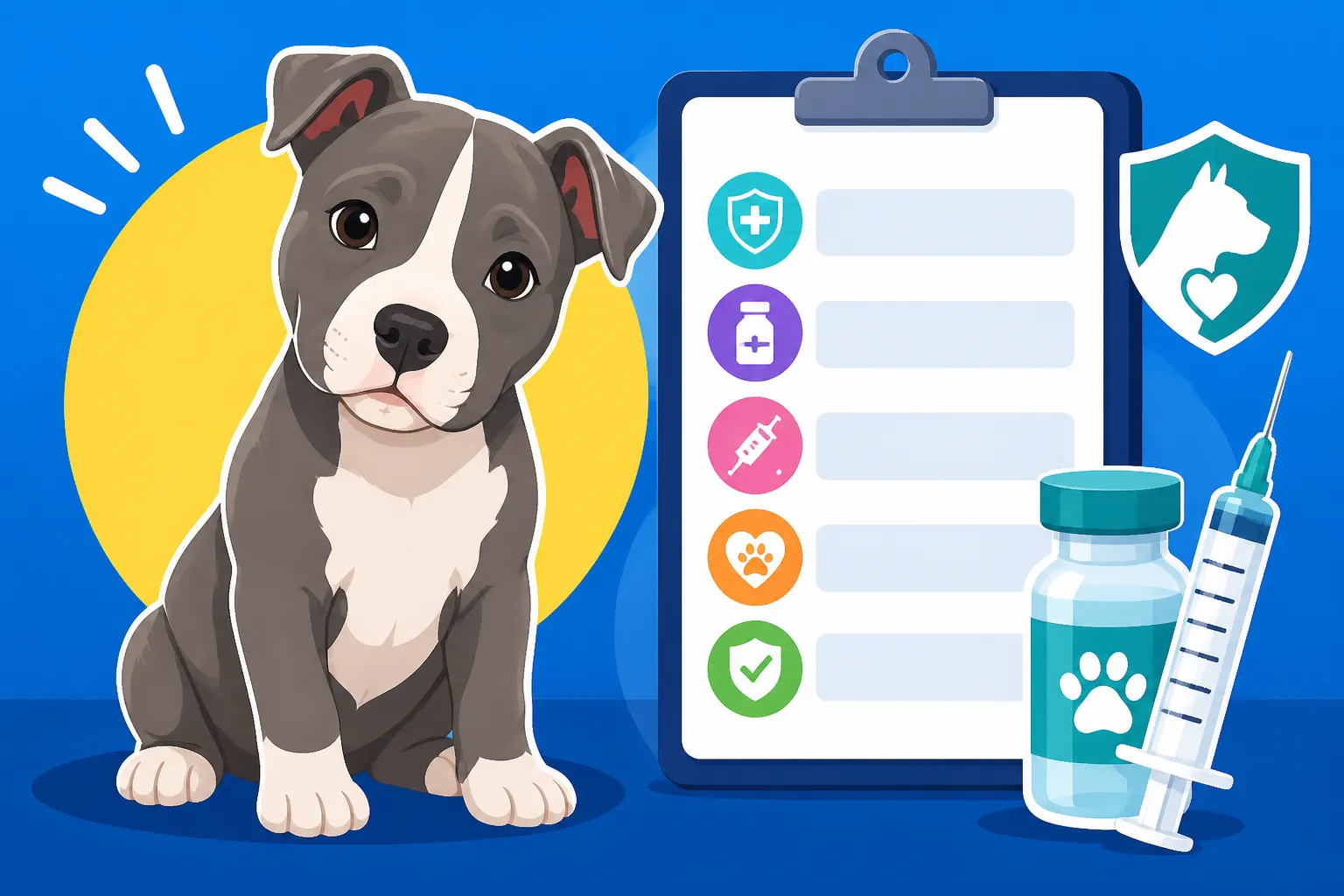
Bringing home a shelter Pit Bull puppy is an incredibly joyful experience, full of wagging tails and endless cuddles. However, it often comes with a bit of a mystery, especially regarding their early health history, which can leave new owners feeling anxious about ensuring their new family member is fully protected. This comprehensive guide will walk you through the typical vaccine schedule for a shelter Pit Bull puppy, helping you understand each shot and why it's so vital for their long-term health.
Bringing Home Your Shelter Pit Bull Puppy: The Unknown Health History
One of the biggest differences between bringing home a puppy from a reputable breeder and adopting one from a shelter is the clarity of their health records. While a breeder can usually provide a detailed health history for both parents and the litter, including their initial vaccinations and deworming, a shelter puppy's past can often be a blank slate. This isn't anyone's fault; many shelter puppies are strays, surrendered, or come from situations where their early care was inconsistent or simply unknown.
The Challenge of an Undocumented Past
When your adorable Pit Bull puppy first arrives in your home, you're likely filled with excitement, but a quiet worry might linger: "What exactly have they had, and what do they still need?" This uncertainty is completely valid. Shelters do an incredible job of providing initial care, but they can only work with the information they have. They'll typically give age-appropriate vaccines and deworming treatments based on their best estimates. However, without a precise birthdate or a clear record of previous veterinary visits, you're starting fresh, which means assuming your puppy hasn't had anything beyond what the shelter explicitly states. This proactive approach is crucial because gaps in a vaccine series can leave your puppy vulnerable to serious, even life-threatening, diseases. It's a bit like playing detective, but with your puppy's well-being as the ultimate prize.
Why a New Start with Your Vet is Essential
The moment you bring your shelter Pit Bull puppy home, your first stop, after they've had a chance to settle in a little, should be a visit to your trusted veterinarian. Even if the shelter provided records of some vaccinations, your vet will want to assess your puppy's overall health and develop a personalized vaccine plan. This initial examination is critical. Your vet will look for any signs of illness, parasites, or developmental issues that might not have been apparent at the shelter. They'll also discuss your lifestyle – whether your puppy will go to daycare, dog parks, or spend time outdoors in areas with wildlife – to tailor a vaccine schedule that offers the best protection. Think of it as establishing a baseline; from here, you and your vet can build a robust health defense for your pup. Understanding What a Pit Bull Health History Should Cover can help you prepare questions for your vet, even if your specific pup's history is sparse.
The Essential Core Vaccinations for Your Pit Bull Puppy
When we talk about vaccinations, we often categorize them into "core" and "non-core." Core vaccines are considered absolutely essential for all dogs, regardless of their lifestyle or geographic location, because they protect against highly contagious and severe diseases. For your Pit Bull puppy, these are the absolute must-haves.
DHPP: The Big Four Protector
The DHPP vaccine, sometimes called the "distemper combo" or DAPP, is a powerhouse, offering protection against four major canine diseases: Distemper, Adenovirus (Hepatitis), Parvovirus, and Parainfluenza. This vaccine is typically given in a series, starting when puppies are young and continuing every 3-4 weeks until they are around 16 weeks old.
- Canine Distemper: This is a severe and often fatal viral disease that affects multiple body systems, including the respiratory, gastrointestinal, and nervous systems. Symptoms can range from fever, coughing, and nasal discharge to vomiting, diarrhea, seizures, and paralysis. It's highly contagious and can spread through airborne exposure and contact with infected bodily fluids.
- Canine Adenovirus (Hepatitis): This virus causes infectious canine hepatitis, which can lead to liver disease, fever, and respiratory problems. While often less discussed than parvo, it can still be very serious, especially in young puppies.
- Canine Parvovirus: This is a brutal gastrointestinal virus, especially for puppies. It causes severe vomiting, bloody diarrhea, lethargy, and loss of appetite, leading to rapid dehydration and often death if not treated aggressively. Shelters often see cases of Parvo Risk in a Shelter Pit Bull Puppy because it's so pervasive and highly contagious. The vaccine is incredibly effective at preventing this devastating illness.
- Canine Parainfluenza Virus: This is a respiratory virus that contributes to kennel cough. While not usually life-threatening on its own, it can weaken the immune system and make a puppy more susceptible to other infections.
For a shelter puppy, especially one whose early life is a mystery, completing the full DHPP series is non-negotiable. Even if they received one or two shots at the shelter, your vet will likely recommend continuing the series to ensure robust immunity.
Rabies: A Legal and Life-Saving Requirement
The rabies vaccine is perhaps the most universally recognized and legally mandated vaccine for dogs in most places. This isn't just about protecting your dog; it's about public health. Rabies is a fatal viral disease that can be transmitted to humans and other animals through the bite of an infected animal.
- Why It's Critical: Once clinical signs of rabies appear, the disease is almost always fatal. Vaccination is the only effective preventative measure. For your Pit Bull puppy, the first rabies vaccine is typically given at around 12 to 16 weeks of age, usually as a single dose. After the initial vaccination, booster shots are required, often annually or every three years, depending on local regulations and the specific vaccine used. Your vet will be able to tell you the exact requirements for your city or state, like those in Denver with their microchip and permit rules if you happen to be moving there, even after How Denver's Pit Bull Ban Was Repealed in 2020.
Considering Non-Core Vaccines and Regional Risks
While core vaccines are essential for every Pit Bull puppy, non-core vaccines are given based on your puppy's individual risk factors, lifestyle, and geographic location. These are tailored recommendations from your vet, considering what your dog might encounter in their daily life.
Leptospirosis: The Hidden Threat from Wildlife
Leptospirosis is a bacterial disease spread through the urine of infected wildlife, such as rodents, raccoons, deer, and skunks. Dogs can become infected by drinking contaminated water, swimming in affected areas, or even just walking through puddles or wet soil where infected urine is present.
- Risk Factors: If your Pit Bull puppy loves to explore the backyard, goes on hikes, or visits areas with standing water, your vet might recommend the leptospirosis vaccine. This is especially important in regions with high wildlife populations or during wet seasons. The vaccine is typically given in a series of two shots, 3-4 weeks apart, after the puppy is about 12 weeks old, followed by annual boosters. It's a non-core vaccine, but for many active Pit Bulls who spend time outdoors, it's virtually essential.
Bordetella: The Kennel Cough Preventer
Bordetella bronchiseptica is one of the primary culprits behind "kennel cough," a highly contagious respiratory infection common in dogs. It's often compared to a human cold.
- When It's Needed: If your Pit Bull puppy will attend daycare, obedience classes, boarding kennels, or frequent dog parks, the bordetella vaccine is usually a good idea. Many facilities require it for entry. It can be given as an intranasal spray, an oral liquid, or an injectable vaccine, and it often provides protection for 6-12 months. While kennel cough is rarely life-threatening for healthy adult dogs, it can be quite uncomfortable for a puppy and potentially lead to secondary infections. If you're planning on The Cost of a Pit Bull Puppy Course to get your new family member socialized and trained, this vaccine will likely be a requirement.
Canine Influenza: The Dog Flu
Canine influenza, or dog flu, is a relatively newer concern in the dog world. There are two main strains in the U.S.: H3N8 and H3N2. Like human flu, it's highly contagious and causes respiratory symptoms such as coughing, sneezing, and fever.
- Assessing the Need: Your vet might recommend this vaccine if there's an outbreak in your area or if your Pit Bull puppy frequently interacts with many other dogs, similar to the reasons for the Bordetella vaccine. It’s usually given in an initial series of two shots, followed by annual boosters.
Table: Typical Pit Bull Puppy Vaccine Schedule
| Age of Puppy | Core Vaccinations | Non-Core Vaccinations (Based on Risk) | Notes |
|---|---|---|---|
| 6-8 Weeks | DHPP (1st dose) | Bordetella (oral/intranasal) | First vet visit, deworming, fecal exam. Shelter pups might start here. |
| 9-11 Weeks | DHPP (2nd dose) | Leptospirosis (1st dose) | Continue deworming. Keep puppy away from public dog areas. |
| 12-14 Weeks | DHPP (3rd dose) | Leptospirosis (2nd dose), Canine Flu | Many pups finish DHPP here. Rabies often given now or at 16 weeks. |
| 16 Weeks+ | Rabies (1st dose) | Rabies is legally mandated. Consult vet for booster schedule. | |
| 1 Year | DHPP (Booster), Rabies (Booster) | Leptospirosis (Booster), Bordetella, Canine Flu | First annual check-up, full physical exam. Discuss booster frequency with vet. |
Note: This is a general guideline. Your veterinarian will create a schedule specific to your Pit Bull puppy's needs, local disease prevalence, and lifestyle.
Preparing for Ongoing Veterinary Care and Boosters
Getting your Pit Bull puppy through their initial vaccine series is a huge step, but it’s just the beginning of a lifetime of preventative care. Regular veterinary visits, booster shots, and continuous parasite prevention are all critical components of keeping your energetic pup healthy and happy.
Understanding Boosters and Long-Term Protection
Vaccines aren't a one-and-done deal for the most part. While the initial puppy series builds foundational immunity, booster shots are necessary to maintain that protection over time. For core vaccines like DHPP, your vet might recommend a booster a year after the puppy series is completed, and then every three years thereafter. Rabies boosters are typically required annually or triennially, depending on local laws. Non-core vaccines usually require annual boosters to remain effective. It's a bit like topping up the fuel tank on a car – you can't just fill it once and expect it to run forever!
Keeping up with these boosters is incredibly important. Missing a booster can leave your Pit Bull vulnerable, and sometimes, if too much time has passed, your vet might recommend restarting a series, which means more appointments and more stress for your pup. Make sure to schedule annual check-ups to keep your Pit Bull's health on track. Finding a Vet Comfortable With Pit Bulls is really important, as they will be your partner in maintaining this schedule.
Beyond Vaccines: Parasite Prevention and Insurance
Vaccines are a critical piece of the preventative health puzzle, but they’re not the only one. Year-round parasite prevention is equally vital for your Pit Bull puppy. This includes protection against heartworms, fleas, ticks, and intestinal worms.
- Heartworm Prevention: Heartworms are transmitted by mosquitoes and can cause severe heart and lung disease. Prevention is a monthly or semi-annual medication and is essential in all regions.
- Flea and Tick Control: These external parasites can cause skin irritation, transmit diseases like Lyme disease or Ehrlichiosis, and even lead to anemia in severe infestations, especially in puppies. Monthly preventatives are widely available. You can read more about Year-Round Parasite Cover for a Pit Bull to ensure your pup is fully protected.
Considering pet insurance, even for a young, seemingly healthy Pit Bull puppy, is also a smart move. Companies like Healthy Paws offer various plans that can help cover unexpected costs from illnesses, accidents, or even ongoing conditions that might arise later in life. While it usually doesn't cover routine vaccinations, it can be a lifesaver if your puppy unexpectedly contracts a severe illness like parvovirus before their immunity is fully developed, or if they need treatment for something entirely unforeseen. Even if your pup is healthy now, having coverage through Healthy Paws can provide peace of mind for the future.
Ultimately, bringing home a shelter Pit Bull puppy is a commitment to their well-being. By diligently following your veterinarian's vaccine schedule, keeping up with boosters, and providing consistent parasite prevention, you're giving your new best friend the very best chance at a long, healthy, and happy life. It takes dedication, but the love and loyalty your Pit Bull will return are absolutely priceless.
Disclaimer
The information provided in this article is for general informational purposes only and does not constitute veterinary advice. Always consult with a qualified veterinarian for any health concerns or before making any decisions related to your pet's medical care or vaccine schedule.