Parvo Risk in a Shelter Pit Bull Puppy
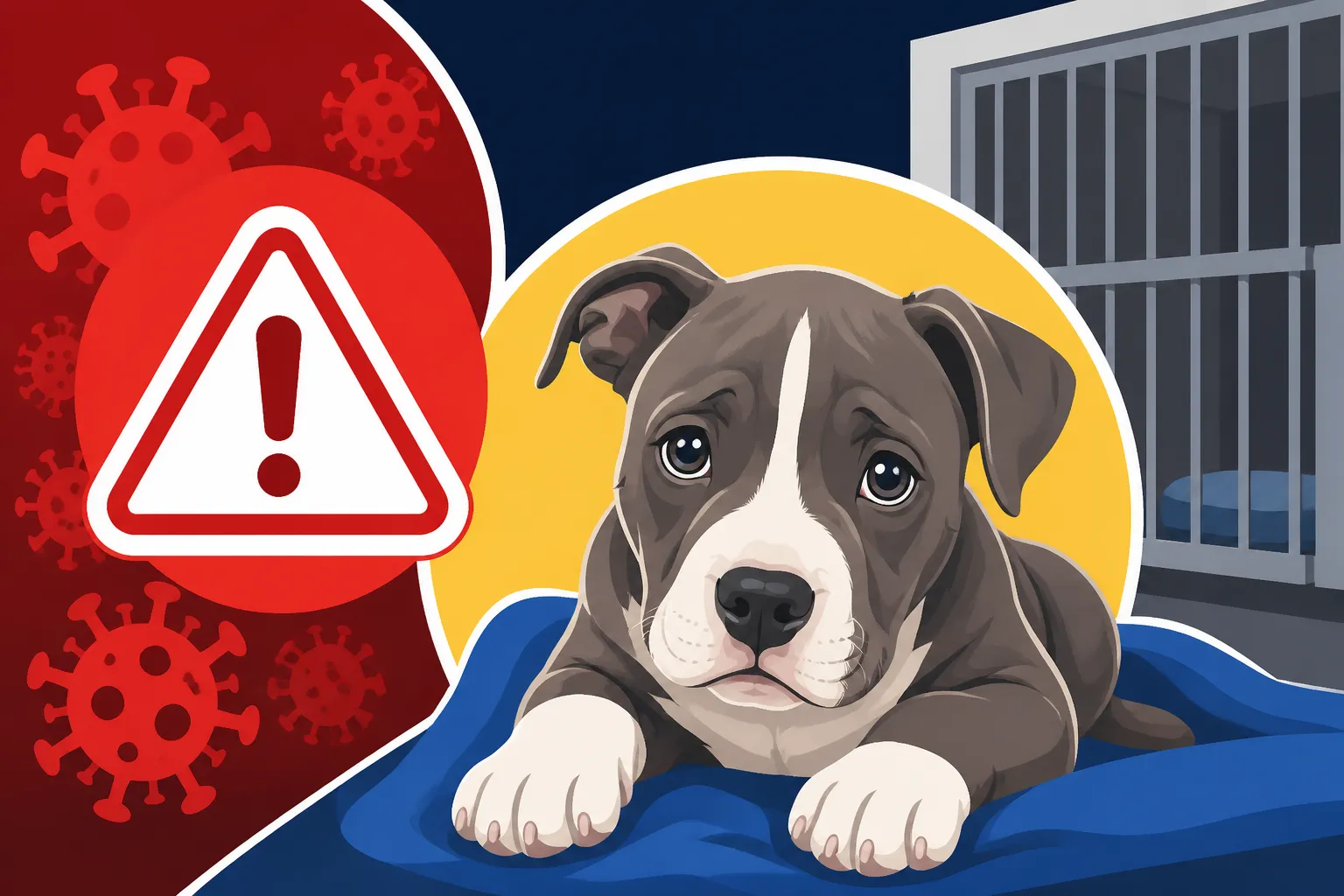
Bringing home a new Pit Bull puppy from a shelter is an incredibly heartwarming experience, but it also comes with a unique set of concerns, especially regarding their health. One of the most terrifying threats facing young puppies, particularly those from shelter environments, is Parvovirus. This guide will walk you through understanding what Parvo is, why shelter puppies are at higher risk, how to recognize the signs, and crucially, how to protect your new family member.
Understanding Canine Parvovirus and Its Devastation
Canine Parvovirus, often simply called "Parvo," is a highly contagious viral disease that can be fatal, especially in puppies. It’s a gut-wrenching reality for many new owners, seeing their vibrant, playful puppy suddenly struck down by such a relentless illness. This virus doesn't just make them a little sick; it actively attacks rapidly dividing cells in a puppy's body, leading to severe gastrointestinal distress and, in some cases, even heart issues.
How Parvo Attacks a Puppy's Body
Imagine a tiny, innocent system suddenly under siege. Parvovirus primarily targets the lining of a puppy's small intestine. This lining is crucial for absorbing nutrients and acting as a barrier against bacteria. When Parvo attacks, it destroys these cells, leading to severe vomiting and diarrhea, which are often bloody. This isn't just unpleasant; it means the puppy can't absorb water or nutrients, leading to rapid dehydration and malnutrition. Their immune system also takes a massive hit because the virus can also attack white blood cells in the bone marrow and lymph nodes, making them incredibly vulnerable to secondary bacterial infections. It's a double-whammy, leaving them with little defense.
The Brutal Speed of Parvovirus Infection
One of the most terrifying aspects of Parvo is how quickly it can take hold and progress. A puppy can seem perfectly fine one moment, full of boundless energy, and within hours or a day, become lethargic, refuse food, and start vomiting or having diarrhea. The incubation period is typically three to seven days after exposure, but once symptoms appear, the decline can be incredibly rapid. This quick onset is why immediate action is absolutely vital. You might think, "Oh, they just have a tummy ache," but with Parvo, every hour counts, and delaying veterinary care can dramatically reduce their chances of survival. This swift progression also highlights the challenge for shelters, as a puppy can appear healthy at adoption but already be harboring the virus.
Common Misconceptions About Parvo
Many people mistakenly believe that if their puppy had one shot, they're fully protected. This is simply not true for Parvo. A single vaccine dose offers very little protection, especially in young puppies whose maternal antibodies might interfere with the vaccine's effectiveness. Puppies require a series of vaccinations, usually every three to four weeks, until they are around 16 weeks old. Another misconception is that Parvo only affects "dirty" or "neglected" dogs. The reality is that Parvo is incredibly hardy and can survive in the environment for months, even years, on surfaces, in soil, or on objects like shoes or clothing. It's not about cleanliness; it's about exposure and immune status. Even the cleanest home can introduce the virus if you step in contaminated soil.
Why Shelter Pit Bull Puppies Face Higher Parvo Risks
It's a sad truth that shelter environments, despite the tireless efforts of dedicated staff and volunteers, can inadvertently contribute to higher Parvo risks for puppies. Pit Bull puppies, like any other breed in a shelter, are particularly vulnerable due to a confluence of factors unique to their situation before finding their forever home.
The Stress Factor in Shelter Environments
Imagine being a tiny, defenseless puppy suddenly thrust into a new, noisy, and constantly changing environment. Shelters, by their very nature, are stressful places for animals. Puppies often arrive after being abandoned, found as strays, or surrendered, bringing with them the psychological and physical toll of their previous circumstances. This stress alone can suppress a puppy's immune system, making them more susceptible to illnesses. They might be dealing with unfamiliar smells, sounds, other barking dogs, and constant human interaction, all of which can deplete their energy reserves and lower their natural defenses. Even the most loving shelter can't entirely eliminate this inherent stress, which makes these young ones more vulnerable to the opportunistic Parvovirus.
Variable Vaccination Histories
The biggest hurdle for shelter puppies, including Pit Bulls, is often their unknown or incomplete vaccination history. Many puppies arrive at shelters as strays with no records of prior vaccinations. Others might have received a single vaccine, but as discussed, a full series is critical for true immunity. Even if a shelter starts a puppy on a vaccination schedule, they might not receive all their boosters before adoption, or the stress of the environment could impact the vaccine's efficacy. This means that a seemingly healthy puppy coming home with you might have partial, inadequate, or no protection against Parvo. You're essentially starting a race against a potentially unseen enemy, which is why understanding the Pit Bull Puppy Vaccination and Parvovirus schedule is so vital from day one.
Community Exposure and Carrier Risk
Shelters are often a crossroads for many animals, and while isolation protocols are usually in place, the sheer volume of intake means there's always a risk of exposure. A puppy might be exposed to the virus from another dog in the shelter or even from contaminated surfaces brought in by people or other animals. Furthermore, some dogs can be asymptomatic carriers, shedding the virus without showing signs themselves, acting as silent spreaders. This constant potential for exposure in a communal setting, combined with the stress and variable vaccination status, creates a perfect storm for Parvo to thrive. This is also why many shelters recommend strict isolation of new puppies from public areas and other unvaccinated dogs at home, at least until their vaccine series is complete. The goal is to break any chain of transmission before it can reach your vulnerable pup.
Recognizing and Responding to Parvo Symptoms in Your New Pit Bull Puppy
When you bring home a shelter Pit Bull puppy, you become their primary advocate and protector. Being vigilant about their health, especially for something as serious as Parvo, is crucial. Knowing what to look for and, more importantly, how quickly to react can be the difference between life and death.
Early Warning Signs to Watch For
Puppies are masters of disguise when they're not feeling well, often trying to hide their discomfort. However, with Parvo, the signs usually become unmistakable quickly. The earliest indicators are often subtle: a sudden decrease in energy, your puppy acting unusually quiet or subdued, and a reluctance to eat their food or drink water. You might notice they aren't as enthusiastic about playtime or that their usual puppy antics are missing. Following these subtle changes, more severe symptoms typically emerge. These include repeated episodes of vomiting, which might start with food and then progress to foamy bile, and severe, often bloody, diarrhea. The stool might be liquid and have a very distinct, foul odor. If you notice your Pit Bull Puppy Diarrhea in the First Week that is persistent or accompanied by other symptoms, it's time for immediate concern.
Your puppy's gums might appear pale or grayish, a sign of dehydration or shock. They might also have a fever or, conversely, a dangerously low body temperature. A common symptom is also a profound loss of appetite; your puppy might even turn their nose up at their favorite treats, which, for a food-motivated Pit Bull, is a huge red flag. If your new A Pit Bull That Refuses Food for a Day or more, especially when combined with lethargy or gastrointestinal upset, do not wait. These are all critical signs that warrant immediate veterinary attention, not a wait-and-see approach.
| Symptom Category | Early Signs (Act Fast!) | Advanced/Severe Signs (Emergency!) |
|---|---|---|
| Behavioral | Lethargy, decreased playfulness, unusual quietness, withdrawal | Extreme weakness, unresponsiveness, collapse |
| Appetite/Hydration | Reluctance to eat or drink, skipping meals | Complete refusal of food/water, signs of severe dehydration (sunken eyes, poor skin elasticity) |
| Gastrointestinal | Mild diarrhea, soft stool | Profuse, watery diarrhea (often bloody), frequent vomiting |
| Other Physical | Dull coat, slight fever | Pale or gray gums, abdominal pain, significant weight loss, hypothermia |
The Critical Importance of Immediate Vet Care
I cannot stress this enough: if you suspect Parvo, even vaguely, you need to get your puppy to the vet immediately. This isn't a situation for a phone call or "I'll watch them overnight." This is an emergency. The survival rate for Parvo-infected puppies drops dramatically without prompt and aggressive veterinary intervention. Most puppies that recover do so because they received intensive supportive care, which often includes intravenous fluids to combat dehydration, anti-nausea medications to stop vomiting, antibiotics to prevent secondary bacterial infections, and nutritional support.
Your veterinarian will likely perform a rapid diagnostic test, such as an ELISA test, which can detect the virus in your puppy's stool. While these tests aren't 100% foolproof and can sometimes yield false negatives or positives, combined with your puppy's clinical signs, they provide crucial information for diagnosis. Once diagnosed, the treatment is typically hospitalization, where they can receive around-the-clock care. This can be costly, but it's often the only way to save a puppy battling this relentless virus. It's situations like these where having a good pet insurance plan from a company like Healthy Paws can truly make a difference, helping to alleviate the financial stress during an incredibly difficult time.
Home Care is Not Enough
While your heart might ache to comfort your sick puppy at home, Parvo is not something you can treat effectively with home remedies or over-the-counter medications. As mentioned, the core of Parvo treatment involves managing severe dehydration, electrolyte imbalances, and secondary infections, none of which can be done safely or effectively outside of a veterinary clinic. Trying to manage Parvo at home not only puts your puppy at greater risk but also increases the risk of spreading the highly contagious virus to other animals. The virus is incredibly resilient in the environment. Furthermore, providing adequate pain relief and combating the profound nausea and vomiting your puppy is experiencing requires prescription medications and professional monitoring. Don't let guilt or financial worry prevent you from seeking the professional help your puppy desperately needs. This is one of those times when you really need to heed Emergency Signs That Cannot Wait in a Pit Bull.
Preventing Parvovirus in Your Shelter Pit Bull Puppy
Bringing a shelter puppy home is a joyous occasion, and the best way to keep that joy alive is by taking proactive steps to prevent them from contracting Parvovirus. This involves understanding their vaccination status, practicing stringent hygiene, and limiting their exposure to unknown environments until they're fully protected. It's a bit of work upfront, but it pays off with a healthy, happy pup.
Understanding the Shelter Vaccination Protocol
When you adopt a Pit Bull puppy from a reputable shelter, they will usually have started their vaccination series, often including the first dose of the Distemper-Parvo combination vaccine. This is a great start, but it’s rarely enough. You need to get the full picture of their Pit Bull Puppy Vaccination and Parvovirus history. Ask the shelter for all their medical records, specifically detailing which vaccines were given, the dates, and the type. Don't be shy about asking questions – shelter staff are typically very knowledgeable and want to ensure a smooth transition for the puppy.
Once home, schedule an appointment with your own veterinarian right away. They will review the puppy's records and outline the remaining doses needed to complete the series. Typically, puppies receive boosters every 3-4 weeks until they are at least 16 weeks old. It's crucial to stick to this schedule precisely, as missing a dose or delaying it can leave your puppy vulnerable. Remember that even after the final shot, it takes about 10-14 days for full immunity to develop, so the caution period isn't over immediately after their last jab. Understanding The Vaccine Schedule for a Shelter Pit Bull Puppy is paramount for their long-term health.
Strict Hygiene and Isolation at Home
Until your Pit Bull puppy has completed their full vaccination series and your vet gives the all-clear, they should be treated as highly susceptible to Parvo. This means implementing strict hygiene and isolation protocols in your home.
Firstly, limit their outdoor access to your own private, fenced yard, and only to areas where no unvaccinated dogs or unknown dogs have been. Avoid dog parks, pet stores, public walking trails, and even common areas in apartment complexes. If you live in an apartment, carry your puppy outside to a designated potty spot that you can thoroughly clean, or better yet, use potty pads indoors for a while.
Secondly, maintain rigorous cleanliness. Parvovirus can be incredibly hardy and resistant to many common household cleaners. A diluted bleach solution (1 part bleach to 30 parts water) is one of the most effective disinfectants against Parvo. Use it to clean floors, food and water bowls, crates, and any surfaces your puppy interacts with. Wash your hands thoroughly after handling your puppy, especially before eating or touching other pets. If you have other unvaccinated dogs or puppies at home, keep them completely separate from your new shelter puppy until all vaccine series are complete for both. Even shoes can track in the virus, so consider designated "indoor-only" shoes or cleaning shoe soles meticulously.
Building Immunity and Ongoing Protection
Vaccinations are your puppy's frontline defense, but ongoing care plays a huge role in supporting their immune system. A high-quality puppy food specifically formulated for large breeds (if your Pit Bull is expected to be a larger size) will provide essential nutrients. Ensure they have constant access to fresh water to stay hydrated. A calm, stable home environment also contributes significantly to a strong immune system. Reduce stress, provide a comfortable, clean space, and establish a consistent routine.
Even after your puppy is fully vaccinated, remember that Parvo, while less likely, is still a possibility if exposure is massive or their immune system is compromised. Regular vet check-ups are important not only for boosters but also for monitoring overall health. Discussions about parasite prevention, like heartworm and flea/tick medications, are also part of their preventative care, which you can factor into The First Month Cost of a Pit Bull. Be aware that even Pit Bull Vaccine Reactions can occur, so always monitor your puppy closely after any vaccination and report any concerns to your vet. Being proactive and informed is your best weapon against this devastating disease, and a crucial part of What a Pit Bull Health History Should Cover for any new owner. Having pet insurance, perhaps from a provider like Healthy Paws, can offer peace of mind, knowing that if the unexpected happens, you'll be better prepared for the associated veterinary costs, which can otherwise quickly mount, especially if your pet has unforeseen conditions or requires significant care, similar to considering What a Pit Bull Costs a Year With Allergies for other common issues.
Disclaimer
The information provided in this article is for general informational purposes only and is not a substitute for professional veterinary advice, diagnosis, or treatment. Always seek the advice of your veterinarian or other qualified animal health provider with any questions you may have regarding a medical condition or the health and welfare of your pet.