Urinary Stones in a Pit Bull and Diet
It's incredibly distressing to discover your beloved Pit Bull is suffering from urinary stones, especially when you're caught off guard by the symptoms. This painful condition can cause everything from discomfort during urination to life-threatening blockages, leaving you feeling helpless and worried about your dog's future. This comprehensive guide will walk you through everything you need to know about urinary stones in Pit Bulls, focusing heavily on how diet plays a pivotal role in both preventing and managing this challenging issue.
Understanding Urinary Stones in Your Pit Bull
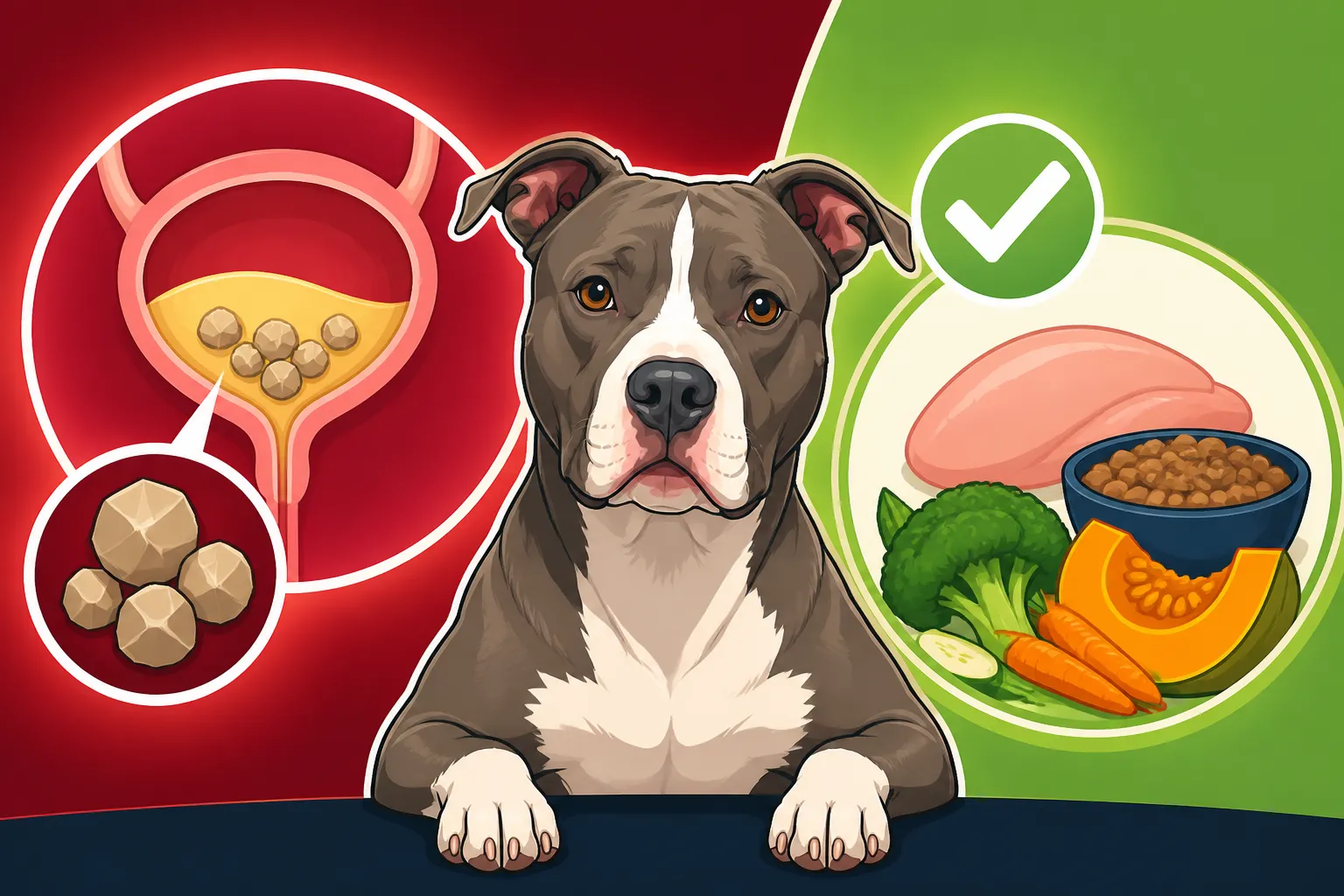
Urinary stones, also known as uroliths, are solid mineral formations that develop in a dog's urinary tract. They can range in size from tiny grains of sand to large, jagged rocks, and they can cause a world of trouble for your Pit Bull. While any dog can develop these stones, certain breeds, diets, and individual predispositions can increase the risk. Understanding what they are and why they form is the first step toward effective management.
Different Types of Urinary Stones
Not all urinary stones are created equal, and knowing the specific type affecting your Pit Bull is crucial for guiding treatment, especially dietary changes. The two most common types we see are struvite and calcium oxalate stones, but others like urate, cystine, and silicate stones can also occur. Each type forms under different conditions and requires a tailored approach.
Struvite stones, for instance, are often associated with urinary tract infections (UTIs) in dogs. Bacteria in the bladder can produce an enzyme that alters the urine's pH, making it more alkaline, which encourages the formation of these magnesium ammonium phosphate crystals. Imagine a tiny biological factory in your dog's bladder, where an infection is creating the perfect environment for these sharp, painful stones to grow. Without addressing the underlying infection and the dietary factors, these stones are likely to recur, causing repeated discomfort for your dog.
Calcium oxalate stones, on the other hand, typically form in acidic urine and are not usually linked to infections. These are particularly tricky because they can be harder to dissolve with diet alone and often require surgical removal if they are causing significant issues. Some breeds, like miniature schnauzers, bichon frises, and lhasa apsos, are genetically predisposed to calcium oxalate stones, and while Pit Bulls aren't top of that list, they can certainly develop them. The balance of calcium, oxalate, and other compounds in the urine plays a big role here. It's like a delicate chemical reaction in their bladder, and if the conditions aren't just right, these crystalline structures can start to form.
Why Pit Bulls Might Be Susceptible
While Pit Bulls aren't specifically known for a higher incidence of urinary stones compared to some other breeds, their general health and lifestyle factors can play a role. For example, a Pit Bull with a history of recurrent urinary tract infections might be more prone to struvite stones. If your dog isn't getting enough water or has certain dietary habits that lead to concentrated urine, this can create a more stone-friendly environment regardless of breed.
Consider the lifestyle of many Pit Bulls: active, energetic, and sometimes prone to certain sensitivities. If your Pit Bull is constantly on the go, perhaps a working dog or an avid enthusiast of long hikes, ensuring proper hydration is absolutely vital. Dehydration or insufficient water intake can lead to highly concentrated urine, which is a prime condition for crystals to precipitate and form stones. Also, underlying metabolic issues, which sometimes manifest as other health problems, can create imbalances that favor stone formation. It's a complex interplay of genetics, environment, and daily habits that makes each dog's case unique. For example, some Pit Bulls might suffer from Pit Bull Skin Allergies and the Atopy Pattern, and while seemingly unrelated, chronic inflammation or stress from other health issues can sometimes indirectly impact overall bodily functions, including urinary health.
| Stone Type | Common Contributing Factors | Typical Urine pH | Dietary Approach for Dissolution/Prevention |
|---|---|---|---|
| Struvite | Urinary tract infection (most common), alkaline urine | Alkaline | Acidifying diet, low magnesium, low phosphorus, increased water intake. Treat underlying infection. |
| Calcium Oxalate | Acidic urine, high calcium/oxalate intake, dehydration | Acidic | Alkalinizing diet, moderate protein, controlled calcium/oxalate, increased water intake. |
| Urate | Genetic predisposition (e.g., Dalmatians), high purine diet | Acidic | Alkalinizing diet, low purine protein (e.g., vegetarian or egg-based), increased water intake. |
| Cystine | Genetic metabolic defect (cystinuria) | Acidic | Alkalinizing diet, low protein, increased water intake. Specific medications may be needed. |
The Critical Role of Diet in Managing Urinary Stones
When it comes to urinary stones in your Pit Bull, diet isn't just a recommendation; it's often the cornerstone of treatment and prevention. The right diet can help dissolve existing stones, prevent new ones from forming, and generally keep your dog's urinary tract healthy. This is where you, as a dedicated owner, can make a huge difference in your Pit Bull's quality of life.
Dietary Strategies for Stone Prevention and Dissolution
Let's dive into the specifics, because different stones demand different dietary tactics. For struvite stones, the goal is typically to create a more acidic urine environment and reduce the concentration of the minerals that form these stones (magnesium, ammonium, phosphate). This usually means feeding a prescription diet specifically formulated to acidify the urine, which helps dissolve the stones over time. These diets are also often restricted in protein, phosphorus, and magnesium. Brands like Hill's Prescription Diet s/d or Royal Canin Urinary SO are common veterinary recommendations for this purpose. It's not about making small adjustments to their regular kibble; it's about a complete dietary overhaul under veterinary supervision.
On the flip side, calcium oxalate stones require a very different approach. Since these typically form in acidic urine, the dietary goal is to alkalinize the urine, essentially making it less acidic. Prescription diets for calcium oxalate prevention are often moderate in protein, controlled in calcium and oxalate content, and designed to increase urine volume. It's a delicate balance, as you don't want to over-alkalinize or create other nutritional deficiencies. Your vet might also recommend increasing water intake significantly, perhaps by adding water to their kibble or switching to a wet food diet entirely. Remember, these types of stones are often harder to dissolve and may require surgical removal, but diet is still crucial for preventing recurrence.
For other less common stones like urate or cystine, even more specialized diets are necessary. Urate stones, for example, often require a diet low in purines, which are precursors to uric acid. This might mean avoiding organ meats or certain types of fish and opting for specific protein sources. It really highlights why proper diagnosis of the stone type is non-negotiable before implementing any dietary change. Trying to guess could make the problem worse. If your Pit Bull starts to show signs like A Pit Bull That Refuses Food for a Day or exhibits pain during urination, a trip to the vet is urgent.
Hydration and Water Intake
No matter the type of stone, increased water intake is always a vital component of urinary health management. Diluted urine means a lower concentration of stone-forming minerals, making it harder for crystals to clump together and form stones. It also encourages more frequent urination, flushing out crystals before they have a chance to grow.
Encouraging your Pit Bull to drink more can be a creative challenge. You can add water or low-sodium broth to their regular meals, switch to a wet food diet, or even invest in a pet water fountain, as many dogs prefer running water. Make sure fresh, clean water is always available in multiple locations around your home. Sometimes, simply having several bowls can significantly boost their water intake. Remember that a highly active Pit Bull, like one you'd see doing intense training, will naturally need more water, but even a couch potato needs consistent hydration. This focus on hydration is a simple yet powerful tool in your arsenal to keep those kidneys and bladder happy.
It's also worth noting that switching to a Monthly Food for a Pit Bull on a Limited Diet might be necessary, and these often come with specific hydration recommendations. Discuss these with your vet to ensure you're providing the best possible environment for your Pit Bull's urinary health.
Diagnosis and Long-Term Management Strategies
When your Pit Bull shows signs of urinary trouble, a prompt and accurate diagnosis is essential. The journey doesn't end with treatment; long-term management is key to preventing recurrence and maintaining your dog's quality of life. It's a commitment, but one that's well worth it for your furry family member.
Veterinary Diagnosis and Stone Analysis
If you suspect your Pit Bull has urinary stones – perhaps they're straining to urinate, having accidents in the house, or showing signs of pain or blood in their urine – the first step is always a visit to your veterinarian. They'll start with a thorough physical exam and likely recommend a urinalysis to check for infection, crystals, and blood. X-rays or ultrasound imaging are typically used to visualize the stones in the bladder and sometimes the kidneys. These imaging techniques can confirm the presence, size, and location of the stones.
The most crucial step in tailoring treatment is stone analysis. If stones are passed naturally, collected during a surgical procedure, or obtained via a non-invasive procedure, they should always be sent to a specialized laboratory for analysis. This tells your vet exactly what type of minerals comprise the stone, which then dictates the most effective treatment plan, especially the dietary modifications. Without this critical information, any dietary intervention is essentially an educated guess, and frankly, too risky to attempt. This analysis also helps avoid scenarios where you're trying to dissolve calcium oxalate stones with a diet meant for struvite, which would only make things worse. Knowing the exact composition can help avoid unnecessary surgeries if dissolution is possible, or prepare for surgical costs if it's not. For unexpected vet bills like surgery, a reliable pet insurance provider like Healthy Paws can be a lifesaver, helping cover a significant portion of the costs for unforeseen conditions.
Monitoring and Regular Check-ups
Long-term management of urinary stones is a marathon, not a sprint. Even after successful dissolution or removal, regular follow-up appointments are vital to monitor your Pit Bull's urinary health. Your vet will likely recommend periodic urinalyses and imaging (X-rays or ultrasound) to check for any signs of new crystal formation or stone recurrence. This is particularly important for Pit Bulls on prescription diets, as these diets need to be carefully balanced.
During these check-ups, your vet will also assess your Pit Bull's overall health. They might recommend The Bloodwork an Old Pit Bull Should Have or routine blood panels to ensure kidney function is optimal and there are no other underlying health issues contributing to stone formation. It’s also an opportunity to discuss any changes in your dog's behavior or appetite. If your Pit Bull is struggling with Pit Bull Obesity and Joint Strain, for example, maintaining a healthy weight can also support overall urinary health, as obesity can sometimes complicate other bodily systems. These proactive steps can catch potential problems early, preventing them from becoming more serious or painful for your dog.
Navigating Treatment Options and Prognosis
Discovering your Pit Bull has urinary stones can be frightening, but rest assured, there are several effective treatment options available. The specific approach will depend heavily on the type, size, and location of the stones, as well as your dog's overall health. Understanding these options and what the future might hold can help you make informed decisions for your cherished companion.
Non-Surgical Treatment: Dietary Dissolution and Medications
For certain types of urinary stones, particularly struvite stones, non-surgical dissolution through diet and medication is often the first line of defense. As we discussed, a specialized prescription diet is crucial here. This diet, along with antibiotics if a urinary tract infection is present, can often dissolve struvite stones over a period of weeks to months. It requires strict adherence to the diet and regular monitoring by your vet to track progress. Imagine the relief of seeing those stones shrink and disappear without surgery!
However, it's important to set realistic expectations. Not all stones are candidates for dissolution. Calcium oxalate stones, for instance, rarely dissolve with diet and medication alone. For these, and other types that don't respond to dissolution, or if the stones are causing an acute obstruction, other interventions are necessary. Sometimes, specific medications might be prescribed to alter urine pH or reduce the concentration of certain minerals, especially in cases of urate or cystine stones. Throughout this process, having pet insurance like Healthy Paws can provide immense peace of mind, helping you manage the ongoing costs of prescription diets, medications, and frequent veterinary check-ups required for dissolution protocols. Knowing you have support for Pit Bull Allergy Treatment as a Recurring Bill or for chronic conditions like urinary stones can really ease the financial burden.
Surgical and Minimally Invasive Procedures
When dissolution isn't an option, or if the stones pose an immediate threat, surgical removal is often recommended. A cystotomy, which involves surgically opening the bladder to remove stones, is a common and highly effective procedure. For stones lodged in the urethra, sometimes a technique called urohydropropulsion can be used to flush small stones out of the urethra and back into the bladder, from where they can then be removed surgically or potentially dissolved if they are struvite.
In some cases, more advanced, minimally invasive techniques like cystoscopy (using a small camera to retrieve stones) or laser lithotripsy (using a laser to break down stones into smaller pieces that can be passed) may be available. These procedures can be less invasive than traditional surgery, leading to quicker recovery times. However, their availability depends on the size and location of the stones and the equipment available at your veterinary specialist. Regardless of the method, sending the removed stones for analysis is paramount to determine future preventative strategies. Pit Bull Surgery Costs From Hips to Teeth can be substantial, and urinary stone removal is no exception, making pet insurance an invaluable asset.
Prognosis and Prevention of Recurrence
The prognosis for Pit Bulls with urinary stones is generally good, especially with accurate diagnosis, appropriate treatment, and diligent long-term management. The biggest challenge often lies in preventing recurrence. Once a dog has had urinary stones, they are unfortunately at a higher risk of developing them again.
This is where the long-term dietary strategy truly shines. Lifelong adherence to a specialized prescription diet, consistent hydration, and regular veterinary check-ups are the cornerstones of preventing recurrence. Your vet might also suggest certain supplements like Omega Oils for Pit Bull Skin and Coat if they also support urinary health, or simply recommend continued monitoring. For example, if your Pit Bull developed calcium oxalate stones, their diet will permanently shift to one that promotes an alkaline urine pH. If you find your Pit Bull frequently developing infections that lead to struvite stones, your vet might explore options for addressing the underlying cause of those recurrent infections, such as considering a Prescription Diet Costs for an Allergic Pit Bull which could also have urinary benefits. Should your Pit Bull ever exhibit Emergency Signs That Cannot Wait in a Pit Bull, especially after a history of stones, prompt veterinary attention is crucial as a urinary blockage can be life-threatening. By working closely with your vet and staying committed to the management plan, you can significantly reduce the risk of future stone formation and ensure your Pit Bull lives a comfortable, healthy life.
Disclaimer
The information provided in this article is for general educational purposes only and is not intended to be a substitute for professional veterinary advice, diagnosis, or treatment. Always seek the advice of your veterinarian or other qualified animal health provider with any questions you may have regarding a medical condition.