What an OFA Hip Grade Says About a Pit Bull
It’s a common worry for any dog owner, but especially for those of us with powerful, athletic breeds like Pit Bulls: what’s going on with their hips? We see them jump, run, and play with such gusto, and the last thing we want is for them to be sidelined by a painful joint condition. Understanding what an OFA hip grade actually means for your Pit Bull is a huge step in proactively managing their long-term joint health and ensuring they can keep enjoying that zest for life. This guide will walk you through the nuances of OFA grading, helping you decipher those results and make informed decisions for your furry family member.
What is OFA Grading and Why It Matters for Pit Bulls
When you're looking into the health of your Pit Bull, especially concerning their joints, you’re bound to come across the Orthopedic Foundation for Animals (OFA). The OFA is a non-profit organization dedicated to promoting the health and welfare of companion animals through orthopedic health clearances. For breeds like Pit Bulls, which can be prone to conditions like hip dysplasia, understanding the OFA's role and their grading system is absolutely crucial. It’s not just a fancy certificate; it's a vital piece of the puzzle for responsible breeding and proactive pet care.
The Purpose of OFA Certification
The main goal of OFA certification is to screen for and identify heritable orthopedic diseases, with hip and elbow dysplasia being among the most common. For prospective breeders, OFA certifications are a way to make informed decisions, aiming to reduce the incidence of these conditions in future generations. A breeder who proudly displays OFA clearances for their breeding stock isn't just following a trend; they're demonstrating a commitment to the health of the puppies they produce. This isn't a guarantee that a puppy will never develop an issue, but it significantly stacks the odds in their favor. As an owner, if you’re considering a puppy, asking about the parents' OFA hip and elbow scores is one of the most important questions you can ask. Even if you've adopted a Pit Bull without a known history, understanding the OFA system can help you interpret any diagnostic imaging your vet might perform later in life.
Why Hip Health is Critical for Pit Bull Type Dogs
Pit Bulls – encompassing breeds like the American Pit Bull Terrier, American Staffordshire Terrier, and Staffordshire Bull Terrier – are known for their incredible strength, athleticism, and muscular build. These traits, while wonderful, can also place significant stress on their joints, especially their hips. A dog with powerful hindquarters that often leaps, pivots, and pushes off for explosive sprints needs hips that can withstand that kind of regular impact and motion. When a Pit Bull has compromised hip joints due to dysplasia, it can lead to chronic pain, reduced mobility, and significantly impact their quality of life. Imagine a dog who loves to run, suddenly struggling to get up after a nap, or limping after a short walk. That’s the reality for many dogs with untreated hip issues. This is why paying attention to any signs of Pit Bull Hip Dysplasia Showing at One to Two Years can be so important for early intervention.
Deciphering the OFA Hip Grade: From Excellent to Dysplastic
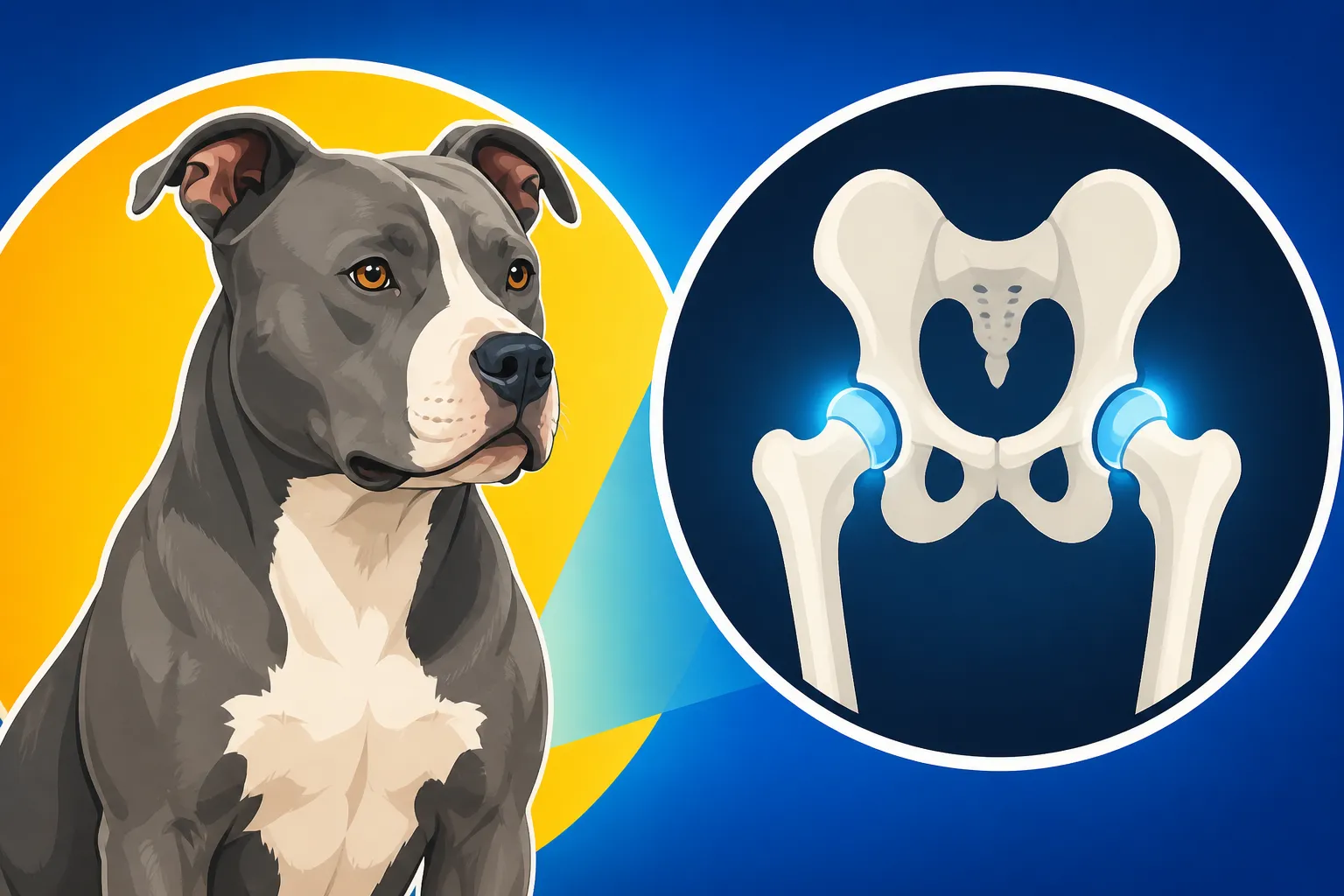
The OFA evaluates hip radiographs (X-rays) submitted by veterinarians, using a panel of three board-certified veterinary radiologists. They look at several key anatomical features, assessing the integrity and conformation of the hip joints. This thorough evaluation leads to one of seven possible hip grades. Knowing what each of these grades signifies is key to understanding your Pit Bull's orthopedic health.
Understanding the Seven OFA Hip Grades
The OFA grading system isn't just a pass or fail; it's a spectrum. Let's break down what each of these grades truly means.
Excellent
This is the crème de la crème of hip scores! An "Excellent" grade means the hips are perfectly formed, with tightly fitting femoral heads (the ball of the thigh bone) seated deeply into the acetabulum (the hip socket). There's very little space, indicating superb joint congruence. For a Pit Bull, an Excellent rating suggests a fantastic foundation for a lifetime of activity, assuming proper care and exercise. It's the goal for any reputable breeder.
Good
A "Good" rating is still considered a fantastic score. The hip joint shows a good congruence, meaning the ball fits well into the socket, and there's only minimal subluxation (a slight looseness) if any. The femoral head fits snugly, and the acetabulum is well-formed. Most dogs with Good hips will live active, pain-free lives without any issues related to their hips. This is a very desirable outcome for any Pit Bull.
Fair
A "Fair" grade indicates that while the hips are still within the normal range, they exhibit slight irregularities. There might be minor subluxation, meaning the femoral head isn't quite as snugly seated in the socket as in a "Good" or "Excellent" hip. The acetabulum might be slightly shallow, or the joint space might appear a tiny bit wider. Dogs with Fair hips can still be active and healthy, but it might warrant a slightly more watchful eye on their joint health as they age. For breeding purposes, Fair is usually considered acceptable, though many breeders aim higher.
Borderline
Now we're moving into a gray area. "Borderline" hips mean that the radiologist couldn't definitively place the hips into either the "normal" (Excellent, Good, Fair) or "dysplastic" categories. There are usually some suspicious features, like increased joint space or a slightly less defined acetabulum. Often, the OFA will recommend a follow-up X-ray at a later date, typically 6 months, to see if the hips improve or worsen. This grade really emphasizes that Pit Bull Hips and How They Are Scored is a detailed process. It's a signal that there's potential for trouble, and proactive measures, like maintaining a lean weight and appropriate exercise, become even more critical.
Mild Dysplasia
This is the first grade officially considered "dysplastic." Mild dysplasia means there is definite subluxation of the femoral head, indicating a noticeable looseness in the joint. The acetabulum might be shallow, and there could be early signs of degenerative joint disease, such as small bone spurs (osteophytes). A Pit Bull with mild hip dysplasia may not show obvious clinical signs early on, especially if they have a high pain tolerance or strong muscle mass compensating for the instability. However, they are at a higher risk of developing arthritis and pain as they age.
Moderate Dysplasia
With "Moderate Dysplasia," the subluxation is more pronounced, and the femoral head is significantly displaced from the socket. There will almost certainly be clear signs of degenerative joint disease, including significant bone remodeling and osteophyte formation around the joint. Dogs with moderate hip dysplasia are very likely to experience pain and lameness, especially after exercise or in cold weather. Their mobility will likely be impacted, and they may require ongoing veterinary care, pain management, and potentially surgery to maintain a good quality of life.
Severe Dysplasia
This is the most extreme grade, indicating severe malformation of the hip joints. The femoral heads are often completely or almost completely out of the acetabulum, and the joint itself is severely deformed. There will be extensive degenerative joint disease, large osteophytes, and significant remodeling of the bone structure. A Pit Bull with severe hip dysplasia will almost certainly experience chronic, debilitating pain and lameness. Their quality of life will be significantly compromised without intensive veterinary intervention, which often includes surgery like total hip replacement. This is a heartbreaking diagnosis for any owner, and it underscores the importance of responsible breeding.
Here’s a quick overview of the OFA hip grades:
| OFA Hip Grade | Description | Clinical Significance | Breeding Recommendation |
|---|---|---|---|
| Excellent | Superior hip conformation; femoral head deeply seated, tight joint. | Highly unlikely to develop hip dysplasia-related issues. | Recommended |
| Good | Slightly less tight than Excellent, but still very good congruence. | Very low risk of developing hip dysplasia-related issues. | Recommended |
| Fair | Minor irregularities; slight looseness or shallow socket, but within normal limits. | Generally active and healthy, but monitor joint health as they age. | Recommended |
| Borderline | Suspicious features; cannot definitively categorize as normal or dysplastic. | Increased vigilance, potential for future issues; re-evaluation often recommended. | Not Recommended |
| Mild Dysplasia | Definite subluxation; early signs of degenerative joint disease. | Higher risk of pain/arthritis; may require management. | Not Recommended |
| Moderate Dysplasia | Significant subluxation; clear signs of degenerative joint disease. | Likely to experience pain, lameness; requires ongoing management/treatment. | Not Recommended |
| Severe Dysplasia | Extreme malformation; extensive degenerative joint disease; significant pain and lameness. | Debilitating condition; intensive treatment, potentially surgery, required for quality of life. | Not Recommended |
Beyond the Grade: What OFA Doesn't Tell You and What To Do
While an OFA hip grade is incredibly valuable, it’s not the absolute end-all, be-all of your Pit Bull’s joint health story. There are many factors that influence whether a dog with good genetics actually develops problems, and what you can do as an owner to support them, regardless of their hip grade.
Limitations of OFA Grading and Other Considerations
One important thing to remember is that OFA evaluations are typically performed at 24 months (two years) of age or older. While this is a good age for assessing mature hip joints, it doesn't predict every single future outcome. A dog can have "Excellent" hips at two years and still, in rare cases, develop issues later due to injury, excessive weight, or other environmental factors. Conversely, a dog with "Fair" or even "Borderline" hips might live a perfectly healthy, active life if managed correctly.
Another aspect is that OFA focuses on specific radiographic characteristics. Other testing methods, like PennHIP Testing for a Pit Bull, measure hip laxity (looseness) with more precision, which can sometimes detect a predisposition to dysplasia even in younger dogs or those with seemingly "normal" OFA results. PennHIP can be performed as early as 16 weeks of age, offering an earlier indicator for breeders and owners. This is why some conscientious breeders use both methods to get the most comprehensive picture possible.
Finally, while genetics play a huge role, they aren't the only player. Environmental factors like nutrition, exercise, and maintaining a healthy weight are paramount. Even the best genetics can be undermined by poor lifestyle choices, and conversely, excellent care can mitigate some genetic predispositions.
Proactive Steps for Pit Bull Hip Health
No matter what your Pit Bull's OFA hip grade is, there are always things you can do to promote their joint health and overall well-being.
Maintaining an Ideal Weight
This is arguably one of the most critical factors. Every extra pound your Pit Bull carries puts additional stress on their joints. For a dog that's already predisposed to hip issues, this can accelerate the progression of arthritis and increase pain. If you've got a stocky Pit Bull, it can be tough to tell if they're overweight or just muscular. Learning to identify Pit Bull Obesity and How to Spot It Under Muscle is crucial. Aim for a lean body condition where you can easily feel their ribs without pressing hard, and they have a visible waist tuck when viewed from above. Regularly checking your dog's body condition score with your vet can help you stay on track. This focus on ideal weight directly impacts How Weight Multiplies the Load on Pit Bull Joints.
Appropriate Exercise
Pit Bulls need consistent, appropriate exercise to build and maintain strong muscle mass, which acts as a natural support system for their joints. However, "appropriate" is the key word. Avoid high-impact activities on hard surfaces, especially with young, growing puppies or older dogs with existing joint issues. Activities like swimming, soft-surface running, and controlled leash walks are excellent. Avoid excessive jumping or abrupt stops and starts. For puppies, it’s vital to understand What a Pit Bull Under a Year Should Not Do to protect their developing joints. Remember, consistent moderate exercise is better than sporadic intense bursts followed by long periods of inactivity.
Nutritional Support and Supplements
A high-quality diet provides the building blocks for healthy tissues, including cartilage and bone. For dogs with "Fair" or "Borderline" hips, or those showing early signs of arthritis, supplements can make a real difference. Look for supplements containing glucosamine, chondroitin sulfate, and MSM. Omega-3 fatty acids, like those found in fish oil, also have anti-inflammatory properties that can soothe aching joints. Always consult your veterinarian before starting any new supplements to ensure they are appropriate for your individual dog and won't interact negatively with other medications. Think of products like those supported by Healthy Paws claims – they emphasize the importance of preventative and ongoing care for chronic conditions.
Regular Veterinary Check-ups
Your veterinarian is your best partner in managing your Pit Bull's hip health. Regular check-ups allow them to monitor your dog's gait, assess joint mobility, and catch any subtle signs of discomfort or progression of dysplasia early. They can recommend specific interventions, pain management strategies, or even refer you to a specialist if needed. Early detection and intervention can significantly improve outcomes and quality of life for a Pit Bull with hip issues. If you notice your dog favoring a leg or struggling with stairs, don't wait. These could be early indicators that need veterinary attention. As your Pit Bull ages, especially around Arthritis in a Pit Bull at Seven or older, these check-ups become even more vital to ensure they remain comfortable and active.
Insurance Considerations
It's a tough conversation, but the reality is that managing hip dysplasia, especially if it progresses to moderate or severe, can be expensive. Surgeries like Femoral Head Ostectomy (FHO) or Total Hip Replacement (THR) can run into the thousands of dollars. This is where pet insurance can be a literal lifesaver. Companies like Healthy Paws often cover treatment for hip dysplasia, provided it's not a pre-existing condition before enrollment. It’s always best to look into pet insurance early in your Pit Bull's life, before any symptoms or diagnoses appear, to ensure coverage for potential future conditions. Reviewing policies and understanding what constitutes a pre-existing condition is a critical step in financial planning for your dog's health. Having Joint Support for a Heavily Muscled Pit Bull financially can make all the difference.
Living with a Pit Bull with Hip Issues
If your Pit Bull receives a diagnosis of hip dysplasia, it's not the end of the world, but it does mean a commitment to careful management.
Pain Management and Comfort
Your vet can prescribe medications such as NSAIDs (non-steroidal anti-inflammatory drugs) to manage pain and inflammation. Other options might include gabapentin for neuropathic pain, or even injections like Librela, which offer sustained pain relief. Providing comfortable, orthopedic bedding and ensuring easy access to food, water, and outdoor potty breaks can also make a huge difference in their daily comfort. Ramps to access furniture or cars can reduce stress on their joints.
Physical Therapy and Rehabilitation
Just like humans, dogs can benefit immensely from physical therapy. A certified canine rehabilitation therapist can develop a tailored exercise program to strengthen supporting muscles, improve range of motion, and reduce pain. This might include hydrotherapy, therapeutic exercises, laser therapy, or acupuncture. These therapies can often delay or reduce the need for surgery and greatly improve a dog’s mobility and comfort.
Surgical Options
For severe cases, surgery may be the best option. Procedures like FHO (Femoral Head Ostectomy) remove the problematic part of the femur, allowing a "false joint" to form. Total Hip Replacement (THR) is a more involved procedure but can provide excellent, pain-free function. Your vet will discuss the best surgical approach for your Pit Bull based on their specific condition, age, and lifestyle. These are significant decisions, and having a good pet insurance plan, like those offered by Healthy Paws, can alleviate some of the financial burden, allowing you to choose the best care for your beloved companion.
Disclaimer
The information provided in this article is for general informational purposes only and is not a substitute for professional veterinary advice. Always consult with a qualified veterinarian for any health concerns or before making any decisions related to your pet's health and treatment.