Emergency Signs That Cannot Wait in a Pit Bull
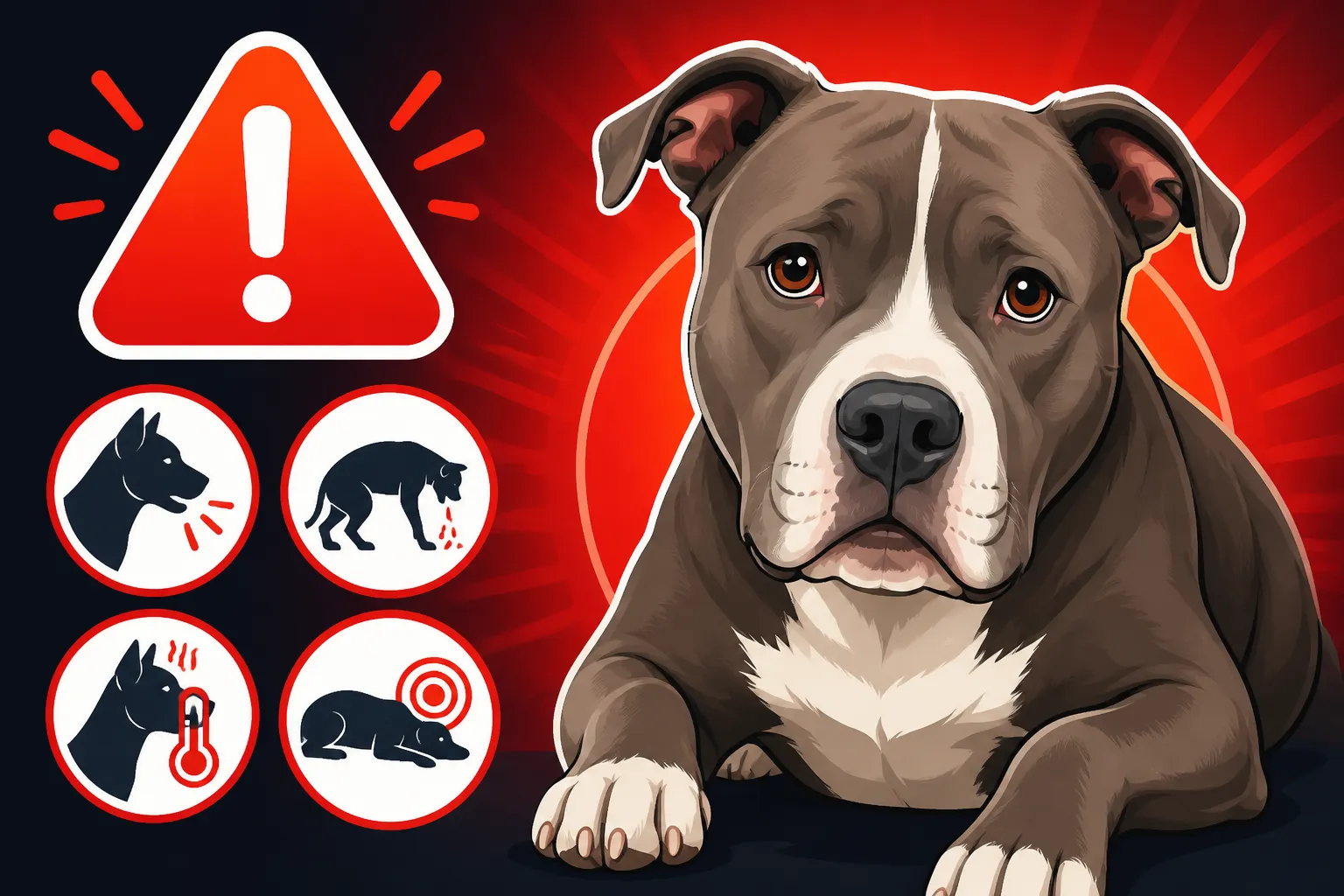
It's every Pit Bull owner's worst nightmare: seeing your beloved dog suddenly exhibit alarming symptoms that scream "emergency." Our powerful, resilient Pit Bulls often mask discomfort, making it incredibly difficult to tell a minor bump from a life-threatening crisis. This guide is dedicated to helping you recognize those critical emergency signs that demand immediate veterinary attention, ensuring you can act swiftly when every second counts.
Recognizing Life-Threatening Breathing Issues
When your Pit Bull struggles to breathe, it's one of the most terrifying and urgent situations imaginable. Unlike a cough from excitement or a brief gasp, true respiratory distress is a dire emergency that can quickly become fatal. Their strong, muscular build can sometimes make it harder to initially spot subtle signs of distress, so you need to be vigilant.
Labored Breathing and Excessive Panting
Normal panting is how dogs regulate their body temperature, especially after exercise or when warm. But if your Pit Bull is panting heavily without physical exertion, or panting continues excessively long after cooling down, that's a red flag. Labored breathing looks different: you might see their chest and abdomen moving forcefully, their nostrils flaring wide with each breath, or their elbows sticking out unnaturally to expand their chest. They might even assume a specific stance – head and neck extended, trying to open their airway.
This isn't just about being a little out of breath; this is an all-out effort to get air. Look closely at their breathing pattern. Is it fast and shallow, or deep and strained? Are there pauses, or gasping sounds? These could indicate anything from an allergic reaction causing airway swelling, to heart problems like congestive heart failure that impact lung function. Sometimes, a foreign object lodged in the throat, or even severe pneumonia, can cause this level of distress. Any dog putting this much effort into breathing needs help now. Don't wait to see if it improves.
Choking or Gagging
If your Pit Bull is actively choking, you'll see immediate, frantic signs. They might paw at their mouth, gag repeatedly, cough forcefully but unproductively, and show signs of panic. Their breathing might become noisy, or they might make whistling sounds as they try to pull air in around an obstruction. Unlike a simple cough to clear their throat, choking is persistent and clearly distressing. Pit Bulls love to chew and play with toys, sometimes too enthusiastically, which can lead to parts breaking off or larger items getting lodged.
First, try to safely check their mouth. If you can see the object and it's easily accessible without pushing it further down, try to remove it using a finger swipe from the side of the mouth. Be extremely careful not to get bitten. If you can't see it or it's too deep, or your dog is becoming aggressive due to panic, do not delay in getting to the vet. On the way, if you're trained, you could attempt the canine Heimlich maneuver by wrapping your arms around their abdomen and giving sharp thrusts, but this should ideally be done by someone experienced and only if the obstruction is truly life-threatening and you can't get immediate veterinary care. Your primary goal is always to reach a vet; they have specialized tools to safely remove foreign objects.
Pale or Blue Gums
The color of your Pit Bull's gums is a critical indicator of their oxygen levels and circulation. Healthy gums should be a vibrant, bubblegum pink. If you gently lift their lip and press on their gums, the color should return within 1-2 seconds (this is called capillary refill time). If their gums are pale, white, or even bluish-purple, it means they aren't getting enough oxygen or their circulation is severely compromised. This is a profound emergency.
Pale gums could indicate severe blood loss from an internal injury or bleeding disorder, anemia, or shock. Bluish gums (cyanosis) are a direct sign of oxygen deprivation – not enough oxygen is getting to their tissues. This can happen with severe breathing problems, heart failure, or even certain types of poisoning. Do not hesitate for a second if you see this. Wrap your Pit Bull in a blanket, ensure their airway is as open as possible, and get to the nearest emergency veterinary clinic. This is a situation where every minute truly counts, and delaying could lead to irreversible damage or death.
Urgent Gastrointestinal Problems and When to Worry
Digestive upset can range from a mild, self-limiting issue to a rapidly progressive, life-threatening condition. Knowing the difference, especially in a muscular, deep-chested breed like a Pit Bull, is vital.
Bloat Gastric Dilatation-Volvulus
Bloat, or Gastric Dilatation-Volvulus (GDV), is an absolute critical emergency, particularly for deep-chested breeds like some Pit Bulls and their crosses. In GDV, the stomach fills with gas and then twists upon itself, trapping the gas and cutting off blood supply. This is excruciatingly painful and fatal without immediate surgical intervention. Even with surgery, it’s a high-risk situation.
Signs of bloat come on suddenly and progress quickly. Your Pit Bull might:
- Pace anxiously, unable to get comfortable.
- Make repeated, unproductive attempts to vomit or retch, often bringing up only foam.
- Show an obviously distended or swollen abdomen, especially on the left side, which may feel hard and drum-like.
- Drool excessively.
- Be weak, collapse, or show signs of shock (pale gums, rapid heart rate).
- Exhibit signs of severe pain when you gently touch their belly.
If you suspect bloat, get to the vet immediately. Do not try to make your dog vomit or give them anything by mouth. Every minute counts in preventing irreversible damage to their stomach and other organs. Learning to recognize Recognizing Bloat in a Deep-Chested Pit Bull is one of the most important things you can do as an owner of this type of dog. Discussing preventative surgery, like a gastropexy, with your vet might be something to consider if your Pit Bull is at high risk, or if you're concerned about What Emergency Bloat Surgery Costs a Pit Bull Owner.
Severe Vomiting or Diarrhea
Occasional vomiting or loose stools can happen for various reasons, from eating something they shouldn't to a change in diet. However, severe or persistent vomiting and diarrhea are very serious. If your Pit Bull is vomiting multiple times an hour, cannot keep any water down, or has projectile diarrhea that seems to go on endlessly, they are at risk of rapid dehydration, electrolyte imbalances, and severe pain.
Look out for additional concerning signs:
- Blood: Fresh red blood in vomit or diarrhea, or black, tarry stools (melena) which indicates digested blood from higher up in the digestive tract. This could point to ulcers, severe inflammation, or internal bleeding.
- Lethargy: If your dog is also extremely weak, unresponsive, or collapses, it's a critical sign.
- Abdominal Pain: Whimpering, guarding their belly, or crying out when touched.
- Foreign Objects: If you suspect they've ingested something toxic or a foreign object that could be causing an obstruction.
A single episode of vomiting or diarrhea might warrant monitoring, but if it's continuous, bloody, or accompanied by other signs of distress, it's an emergency. This is particularly true for puppies, as Pit Bull Puppy Diarrhea in the First Week can quickly become deadly due to rapid dehydration. Don't wait for your dog to become severely dehydrated; intervene promptly.
Abdominal Pain
Pain in the abdomen can be incredibly difficult to pinpoint, as dogs are stoic creatures. However, if your Pit Bull is exhibiting signs of severe abdominal pain, it's a definite emergency. This might look like:
- Guarding or reluctance to be touched: They might shy away, growl, or even snap if you try to touch their belly.
- "Praying" or "Sphinx" position: Standing with their front legs stretched out and head down, but their hind end raised. This is often an attempt to relieve pressure on their abdomen.
- Restlessness or inability to get comfortable: Pacing, shifting positions repeatedly, panting without exertion.
- Whimpering or vocalizing: More overt signs of pain.
- Changes in posture: A hunched back or a very stiff gait.
Abdominal pain could be due to bloat, pancreatitis, an internal injury, a ruptured organ, or a severe infection. Any of these conditions can be life-threatening and require immediate veterinary diagnosis and treatment. If you notice these signs, skip the "wait and see" approach and head straight to the emergency clinic.
Sudden Weakness, Collapse, or Neurological Changes
When your strong, robust Pit Bull suddenly loses coordination, collapses, or acts unlike themselves, it's terrifying. These signs often point to serious underlying neurological or systemic issues that need urgent attention.
Sudden Collapse or Weakness
A Pit Bull that suddenly collapses or becomes profoundly weak is experiencing a critical medical event. This isn't just being a bit tired after a long walk; this is a sudden loss of strength or consciousness, where they cannot stand or move normally. It could be a partial collapse (paresis) where they struggle to stay upright, or a full collapse (syncope or complete loss of consciousness).
Causes can be varied and severe:
- Cardiac issues: Conditions like Heart Disease in a Pit Bull, severe arrhythmias, or even a sudden cardiac arrest can cause immediate collapse as blood flow to the brain is compromised.
- Internal bleeding: A ruptured tumor (especially splenic tumors, which are unfortunately common in some breeds, including Pit Bulls as they age, tying into Cancers That Show Up in an Older Pit Bull), or severe trauma can lead to rapid blood loss and collapse due to shock.
- Severe pain: Extreme pain from a ruptured disc, severe injury, or bloat can cause a dog to collapse.
- Neurological events: Seizures, strokes, or other brain issues can also lead to collapse.
- Extreme dehydration or heatstroke: These can overwhelm the body's systems, leading to collapse.
If your Pit Bull collapses, try to keep them calm and still. Check their gums for color and their breathing. If they are unresponsive or showing very pale gums, they need immediate emergency care. Even if they recover quickly, a sudden collapse is never "normal" and warrants an urgent vet visit to determine the cause. This is precisely the kind of unforeseen event that makes pet insurance like Healthy Paws invaluable, helping you focus on your dog's care without immediate financial worry.
Seizures
A seizure is a sudden, uncontrolled electrical disturbance in the brain, resulting in involuntary muscle activity, altered consciousness, or other neurological signs. Seizures can range from mild "focal" seizures (like a twitching face or lip-smacking) to full-blown "grand mal" seizures where the dog loses consciousness, falls to their side, paddles their legs uncontrollably, vocalizes, and may lose bowel or bladder control.
While an isolated, short seizure (lasting less than a couple of minutes) might not be an immediate, run-to-the-ER emergency if your dog has a known seizure disorder, certain seizure events absolutely require immediate veterinary attention:
- Cluster seizures: Multiple seizures occurring within a 24-hour period.
- Status epilepticus: A single seizure lasting longer than 5 minutes, or multiple seizures without a full recovery of consciousness in between. This is a life-threatening emergency that can lead to brain damage and hyperthermia.
- First-time seizure: If your Pit Bull has never had a seizure before, it's crucial to get them checked immediately to rule out serious causes like poisoning, brain tumors, severe metabolic imbalances, or head trauma.
- Seizures following trauma or toxin exposure: If you know your dog hit their head or ingested something potentially toxic, a seizure is an emergency.
During a seizure, keep your dog safe by moving furniture away, but do not try to hold their tongue or put your hands near their mouth, as you risk being bitten. Time the seizure. Once it stops, keep them calm and quiet, and call your vet or head to the emergency clinic immediately if any of the above criteria are met.
Acute Pain or Lameness
Pit Bulls are famously tough, often shrugging off minor discomfort. So, if your Pit Bull is suddenly showing clear signs of severe pain or is completely unable to put weight on a leg, it's a huge cause for concern. This isn't just a slight limp after a run; this is an acute, debilitating issue.
Signs of severe pain might include:
- Crying out, yelping, or howling.
- Refusing to move, or moving very stiffly and slowly.
- Shaking or trembling.
- Rapid, shallow breathing or excessive panting.
- Reluctance to eat or drink.
- Aggression when touched, even in normally gentle dogs.
- Holding a limb completely off the ground.
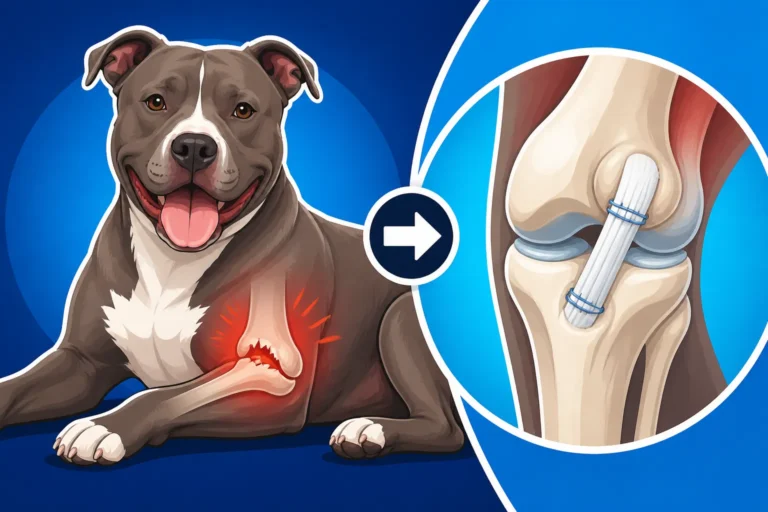
Causes can range from a broken bone, a dislocated joint, a severe cruciate ligament tear (common in active, muscular dogs like Pit Bulls, see Cruciate Ligament Tears in a Muscular Pit Bull), or even internal injuries. If you see your Pit Bull suddenly unable to bear weight, or exhibiting clear signs of intense pain, it needs to be seen by a vet immediately. Trying to "walk it off" or waiting until morning can worsen the injury or delay critical treatment.
Injuries, Trauma, and Other Acute Issues
Our active Pit Bulls can get into all sorts of situations, and sometimes, those adventures lead to serious injuries or exposures that demand immediate action.
Severe Wounds or Lacerations
While small cuts and scrapes can often be cleaned and monitored at home, severe wounds are emergencies. These include:
- Deep punctures: Especially from another animal bite, a sharp stick, or metal. These can look small on the surface but can be very deep, carrying infection deep into tissues and potentially damaging underlying organs.
- Large, gaping lacerations: Wounds where the skin is clearly separated, exposing muscle or fat. These often require sutures or surgical closure to heal properly and prevent infection.
- Wounds that are bleeding profusely: Any wound that is gushing blood or bleeding heavily and continuously, soaking through bandages, needs immediate attention. Apply direct pressure with a clean cloth while you head to the vet.
- Wounds near joints, eyes, or sensitive areas: These areas are particularly vulnerable to functional impairment or deeper damage.
If your Pit Bull has a severe wound, try to control the bleeding with firm, direct pressure. Do not try to clean very deep wounds yourself, as you might cause more harm. Wrap the wound in a clean cloth and transport your dog to the nearest emergency vet. Pet insurance, such as through Healthy Paws, can definitely ease the burden of unexpected wound care and potential surgery.
Heatstroke
Pit Bulls, with their short coats, are often seen as resilient to elements, but they are absolutely susceptible to heatstroke, especially during vigorous exercise in warm weather or being left in a hot car. Their short muzzle, while not as extreme as brachycephalic breeds, still means they rely heavily on panting to cool down.
Heatstroke is a medical emergency where the body's temperature rises to dangerous levels, leading to organ damage and potentially death. Signs include:
- Excessive, frantic panting that doesn't subside.
- Dark red or purple gums.
- Thick, ropy saliva.
- Vomiting or diarrhea, potentially with blood.
- Wobbliness, disorientation, or collapse.
- Seizures.
- Body temperature above 104°F (40°C).
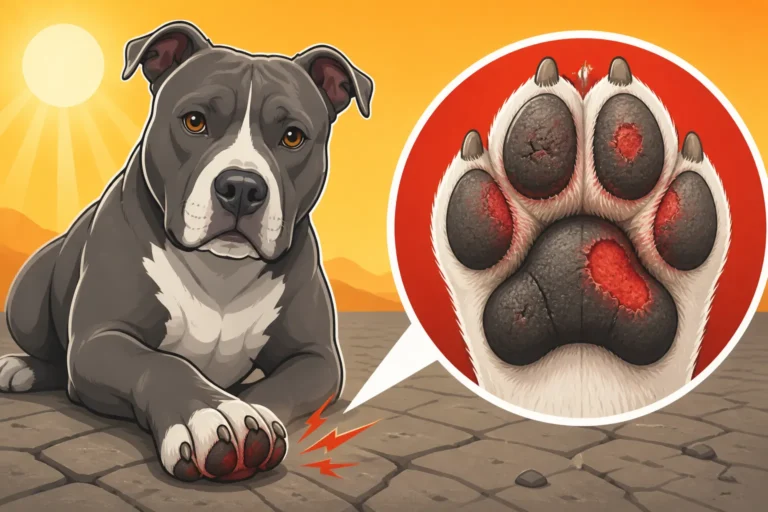
If you suspect heatstroke, immediate action is crucial. Get your Pit Bull to a cooler environment. Offer small amounts of water, but don't force them to drink. You can try to cool them down with cool (not icy!) water on their paw pads, armpits, and groin area. You can even hose them down with cool water. However, do not over-cool them, and do not submerge them in icy water. The goal is to gradually lower their core temperature. Even if they seem to recover, heatstroke causes internal damage that may not be immediately apparent, so a vet visit is essential. Prevention is always best, particularly ensuring you avoid Working a Pit Bull Through a Hot Summer.
Poisoning or Toxic Exposure
Dogs are notorious for getting into things they shouldn't, and Pit Bulls, with their strong curiosity and sometimes indiscriminate eating habits, are no exception. If you suspect your Pit Bull has ingested something toxic, it's a definite emergency, even if they aren't showing immediate symptoms.
Common toxins include:
- Household chemicals: Cleaners, antifreeze, rodenticides, insecticides.
- Human medications: Especially pain relievers (like ibuprofen), antidepressants, or blood pressure medications.
- Toxic foods: Chocolate, xylitol (a sugar substitute), grapes/raisins, onions, garlic. Household Foods That Are Dangerous to a Pit Bull can be a surprisingly long list.
- Toxic plants: Lilies, sago palms, oleander.
- Illegal drugs: Marijuana, cocaine, opioids.
Signs of poisoning vary widely depending on the substance, but can include:
- Vomiting, diarrhea.
- Excessive drooling.
- Lethargy or hyperactivity.
- Tremors, seizures.
- Difficulty breathing.
- Changes in gum color or heart rate.
- Collapse.
If you know or suspect your Pit Bull has ingested a toxin, gather any packaging, labels, or remnants of the substance and call your vet or an animal poison control center (like ASPCA Animal Poison Control or Pet Poison Helpline) immediately. They can advise you on whether to induce vomiting (which is not always safe or recommended for certain toxins) or if you need to rush to the emergency clinic. Time is of the essence in many poisoning cases; for more information, review Emergency Steps After a Pit Bull Eats Something.
When in Doubt, Go to the Vet
It's natural to hesitate, wondering if you're overreacting or if it's just a phase. But with Pit Bulls, who often try to hide pain or discomfort, delaying can be catastrophic. If your gut tells you something is seriously wrong, trust it. It's always better to be safe than sorry and have a vet tell you it was nothing, rather than waiting too long.
Keep a list of emergency veterinary clinics, their addresses, and phone numbers handy. Make sure you know the fastest route to each. Consider signing up for pet insurance, like Healthy Paws, before an emergency strikes, as it can significantly reduce the financial stress of unexpected, urgent care. Being prepared is the best way to ensure your strong, loving Pit Bull gets the immediate help they need when an emergency arises.
Disclaimer
This guide is intended for informational purposes only and does not substitute for professional veterinary advice. If your Pit Bull is exhibiting any concerning symptoms, please contact your veterinarian or an emergency veterinary clinic immediately.