Demodex Patches on a Pit Bull Face
It's incredibly disheartening to notice those tell-tale bald, scaly patches popping up on your beloved Pit Bull's face. Often, they start subtly around the eyes or mouth, making you worry and wonder what on earth is going on with your furry friend. This guide is here to walk you through understanding Demodex patches on a Pit Bull's face, from pinpointing the cause to effective treatment and prevention, helping you get your dog back to their happy, healthy self.
Understanding Demodectic Mange in Pit Bulls
Demodectic mange, often just called "demodex," is a common skin condition in dogs, and Pit Bulls can be particularly prone to it. It's not a contagious disease in the way ringworm or fleas are, which is usually a big relief for concerned owners. Instead, it’s caused by a microscopic mite that lives naturally on nearly all dogs’ skin. The trouble starts when something throws their immune system off balance, allowing these mites to multiply unchecked.
What is Demodex Canis?
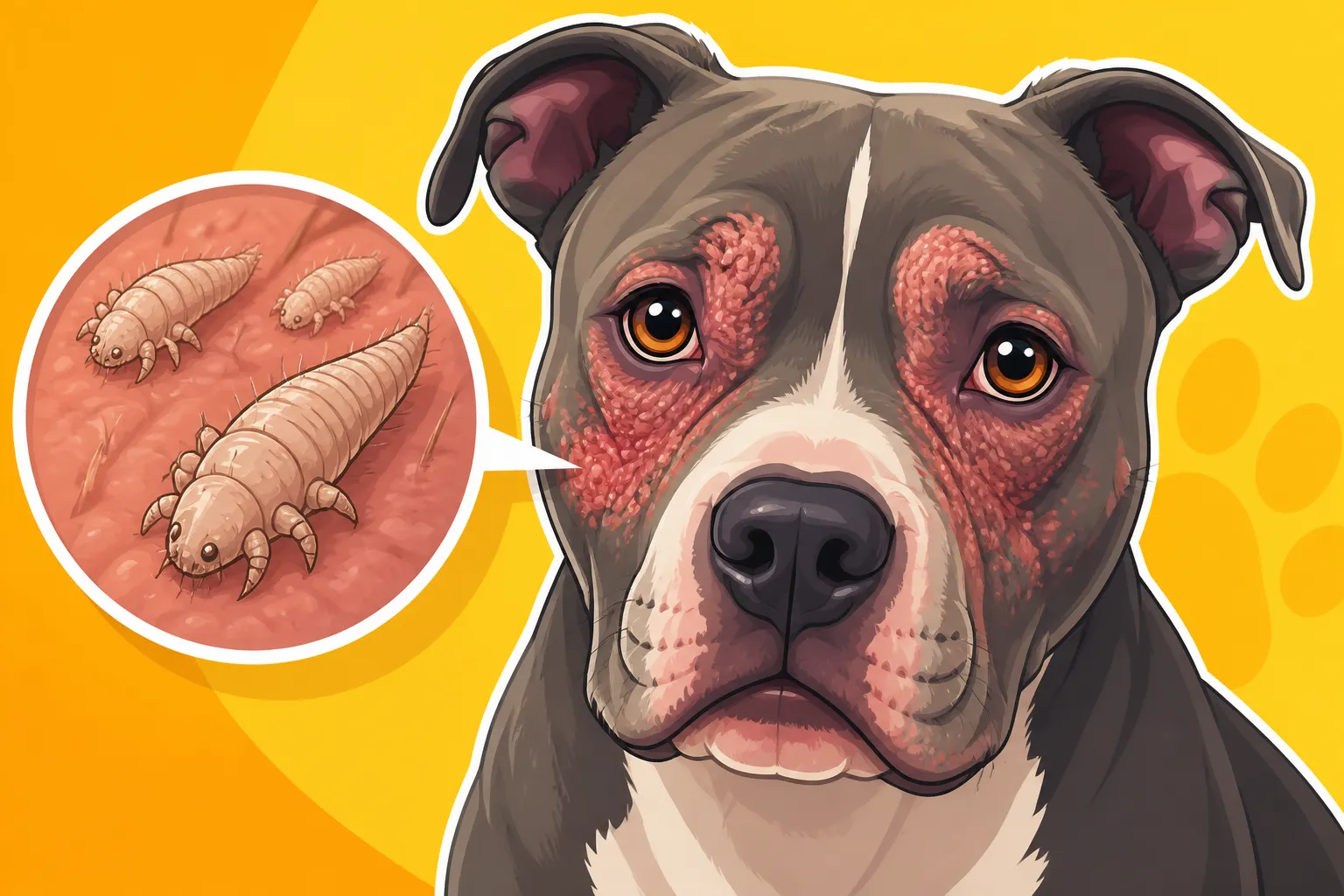
The culprit here is the Demodex canis mite. These tiny, cigar-shaped creatures reside in the hair follicles of dogs. In a healthy dog, they coexist peacefully, never causing an issue. Think of it like a small, normal part of their skin microbiome. However, if a dog's immune system isn't functioning optimally, for reasons like genetics, stress, another illness, or being a young puppy with an underdeveloped immune system, these mites can proliferate wildly. When their numbers explode, they cause irritation, hair loss, and inflammation. This overgrowth leads to the distinct patches we see. Pit Bulls, due to their genetic makeup in some lines, seem to have a higher predisposition to developing demodectic mange, making it a common concern for their owners. It's often reassuring for owners to know that this isn't something their dog picked up from the dog park or another pet; it's an internal imbalance.
Why it Appears on the Face First
It’s a common scenario: you first notice those thinning spots right around your Pit Bull's eyes, on their muzzle, or perhaps on their forehead. There are a few good reasons why Demodex tends to show up on the face before spreading elsewhere. The skin on the face is often thinner and more delicate than on other parts of the body, making it a prime target for initial mite proliferation and visible irritation. Additionally, the face is constantly exposed to the environment, and areas around the eyes and mouth might have more folds or moisture, creating a slightly more hospitable environment for mites to get a foothold if the immune system is lagging.
The early signs are usually small, circular patches of hair loss. The skin within these patches might appear red, scaly, or slightly thickened. You might also notice your Pit Bull rubbing their face more than usual, though severe itching isn't always the primary symptom of localized demodex, especially early on. Many owners initially mistake these spots for minor scrapes or irritations, but when they don't heal, or more appear, it raises a red flag. Catching these early facial patches is crucial because localized demodex, if left untreated, can sometimes progress to a more widespread, generalized form, which is much tougher to tackle.
Diagnosing Demodex Patches Accurately
When you see those suspicious patches, your mind might jump to all sorts of possibilities – allergies, ringworm, even just dry skin. However, an accurate diagnosis is the cornerstone of effective treatment for Demodex. Guessing can lead to ineffective remedies and prolonged discomfort for your Pit Bull, and nobody wants that. It's always best to involve your veterinarian right away.
The Importance of a Skin Scraping
Visiting your vet is the crucial first step. While your vet will conduct a thorough physical examination, the definitive diagnostic tool for Demodex is a simple procedure called a skin scraping. This isn't as scary as it sounds! Your vet will typically use a dull scalpel blade with a drop of mineral oil to gently scrape the surface layer of the skin, focusing on the edges of the affected patches. The goal is to collect skin cells, debris, and, most importantly, any mites living deep within the hair follicles. This sample is then examined under a microscope.
The reason a skin scraping is so vital is that Demodex mites are microscopic and cannot be seen with the naked eye. They also live within the hair follicles, not just on the surface like fleas, meaning they won't show up on a routine comb-through. A positive skin scraping showing an excessive number of mites confirms the diagnosis. It’s a quick, relatively painless, and highly effective way to confirm what’s truly causing those irritating facial patches. Without this confirmation, you might be treating the wrong issue, delaying your Pit Bull's recovery and potentially allowing the condition to worsen. For more details on the process, you might find information on Skin Scrapings That Confirm Pit Bull Mange helpful.
Differentiating from Other Skin Issues
It's very easy to mistake Demodex patches for other common skin problems in Pit Bulls, especially since many conditions share similar symptoms like redness, hair loss, and scaling. For example, environmental allergies, a widespread issue in Pit Bulls, often manifest as itchy, red skin, sometimes leading to hair loss from excessive scratching. Pit Bull Skin Allergies and the Atopy Pattern can present very similarly in certain areas. Food allergies, too, can cause skin irritation and itching, sometimes even showing up as subtle skin changes before full-blown eruptions. You can learn more about Pit Bull Food Allergy Signs Beyond the Skin to understand the broader picture.
However, a key differentiator is usually the level of itchiness. While Demodex can be itchy, especially if secondary bacterial infections develop, primary demodex is often less intensely itchy than allergic reactions. Ringworm, a fungal infection, also causes circular patches of hair loss, but it's highly contagious and has a different microscopic appearance. Bacterial infections (pyoderma) often develop secondary to Demodex or allergies, complicating the picture. This is precisely why a skin scraping is non-negotiable. It allows your vet to rule out or confirm the presence of Demodex mites, ensuring that the treatment plan targets the actual problem. Trying various allergy remedies or fungal creams without a proper diagnosis is often a waste of time and money, and critically, it delays the specific treatment your Pit Bull needs to get rid of the mites. The table below helps differentiate some common skin issues with facial involvement:
| Symptom / Condition | Demodectic Mange (Localized Facial) | Environmental Allergies (Atopy) | Food Allergies | Ringworm |
|---|---|---|---|---|
| Primary Appearance | Hair loss, scaling, redness | Redness, intense itching, rash | Itching, redness, GI upset possible | Circular hair loss, scaly/crusty |
| Itchiness Level | Mild to moderate (can worsen) | Often severe, persistent | Moderate to severe, year-round | Variable, often mild |
| Common Locations | Face (eyes, muzzle), sometimes limbs | Paws, ears, belly, armpits, face | Paws, ears, belly, face, anal glands | Face, ears, limbs, body |
| Diagnosis Method | Skin scraping (mites visible) | Allergy testing, elimination diet, history | Elimination diet, novel protein trial | Fungal culture, Wood's lamp |
| Contagious to Others? | No (usually not) | No | No | Yes (to pets and humans) |
| Underlying Cause | Immune system imbalance/mite overgrowth | Environmental allergens (pollen, dust) | Specific food proteins | Fungal infection |
Understanding these distinctions is vital for your vet to move forward with the most appropriate and effective treatment, saving your Pit Bull from unnecessary discomfort. You can also explore Telling Demodex From an Allergy in a Pit Bull for more insight.
Effective Treatment for Facial Demodex
Once your vet has confirmed demodectic mange through a skin scraping, the good news is that localized forms, especially on the face, are often very treatable. The key is to follow your vet's instructions precisely and be patient. It won't clear up overnight, but with consistent care, those patches will fade, and the hair will grow back.
Modern Medications and Topical Treatments
In the past, treating Demodex could be quite arduous, involving dips and washes. Thankfully, modern veterinary medicine offers highly effective and often much easier-to-administer options. The current gold standard for treating Demodex, particularly the generalized form but also effective for localized cases, are oral medications from the isoxazoline class. Brands like Bravecto, NexGard, Simparica, and Credelio are chewable tablets given monthly or every few months, depending on the specific product. These medications work by killing the mites systemically, leading to a resolution of the skin issues. They are generally very safe and highly effective, often clearing up Demodex much faster than older methods. Many of these modern parasite preventatives also offer Year-Round Parasite Cover for a Pit Bull, which is a fantastic bonus. Your vet will prescribe the specific medication and dosage best suited for your Pit Bull's weight and condition.
Topical treatments might still have a role, especially for very small, isolated facial patches, or as an adjunct to oral medications. Medicated shampoos containing benzoyl peroxide or chlorhexidine can help clean the skin, remove scales, and flush out hair follicles, creating a less hospitable environment for mites and preventing secondary bacterial infections. However, applying specific topical mite treatments directly to the face can be challenging, given the proximity to eyes and mouth, and the risk of your dog licking it off. Your vet might recommend a gentle, non-irritating medicated shampoo for generalized bathing, or if needed, specific spot treatments if they are deemed safe for facial application. Always consult your vet before using any over-the-counter products, as some can be irritating or ineffective.
Supporting Skin Health During Recovery
Treatment for Demodex isn't just about killing the mites; it's also about supporting your Pit Bull's overall skin health and managing any secondary complications. When the skin barrier is compromised by mites and inflammation, it becomes an open invitation for bacteria and yeast to move in, leading to secondary infections (pyoderma or yeast dermatitis). These infections can cause intense itching, redness, pustules, and a foul odor, making your Pit Bull even more uncomfortable.
Your vet might prescribe oral antibiotics for bacterial infections or antifungal medications for yeast infections, to be given alongside the mite-killing medication. Regular medicated baths with shampoos like those containing chlorhexidine, such as Douxo S3 Pyo, can be incredibly beneficial during this recovery phase. These baths help to reduce bacterial and yeast overgrowth, soothe inflamed skin, and remove crusts and scales. For Pit Bulls struggling with chronic skin issues, you might find insights on Medicated Baths for a Pit Bull With Atopy useful, as some principles overlap. It's vital to follow the bathing frequency and contact time recommended by your vet to maximize effectiveness. Additionally, ensuring your Pit Bull receives a balanced, high-quality diet and has a low-stress environment can further support their immune system as they heal.
Long-Term Management and Prevention
While localized Demodex on the face is often a one-off event, especially in puppies, recurrent or generalized Demodex can signal a deeper issue. Understanding the long-term picture is crucial for keeping your Pit Bull healthy and preventing future flare-ups.
Addressing Underlying Immune Factors
For adult Pit Bulls, if Demodex appears in multiple spots, spreads aggressively, or recurs after successful treatment, it often indicates an underlying immune system weakness or compromise. This isn't necessarily a dire prognosis, but it warrants further investigation by your veterinarian. They might recommend additional diagnostic tests to look for other health issues that could be suppressing the immune system, such as thyroid problems, Cushing's disease, or even certain cancers. Sometimes, the immune system is simply genetically predisposed to not handle Demodex mites effectively. You might be interested in exploring Whether Pit Bull Demodex Means a Weak Immune System for more context.
If an underlying cause is identified, treating that condition will be paramount to preventing Demodex recurrence. For dogs with a genetic predisposition or idiopathic immune weakness, long-term management might involve consistent use of isoxazoline medications or supplements that support immune function and skin health, such as omega-3 fatty acids. These can help strengthen the skin barrier and reduce inflammation. If your Pit Bull is a mix, you might wonder Whether a Pit Bull Mix Inherits Its Skin Problems, which can add another layer to understanding predisposition. Discussing these possibilities with your vet is key to formulating a comprehensive long-term health plan tailored to your dog.
The Role of Routine Care and Vigilance
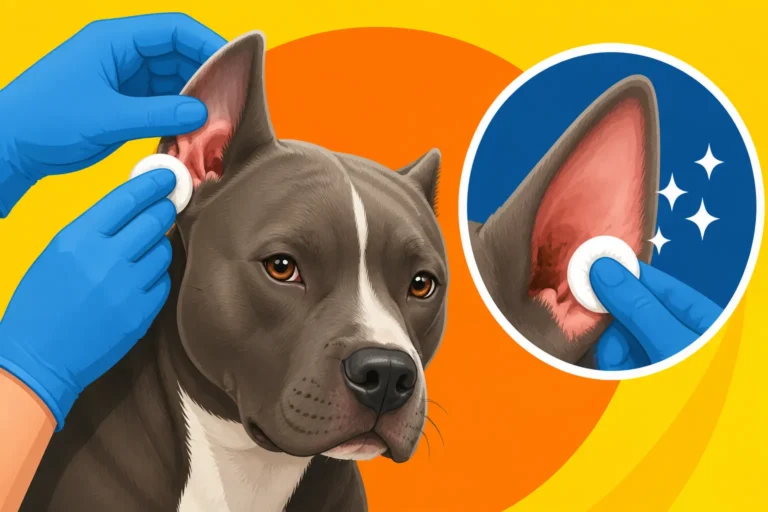
Even after successful treatment, maintaining good routine care and staying vigilant are your best defenses against Demodex returning. Regular skin checks, ideally as part of your weekly grooming routine, are essential. Pay close attention to areas where Demodex often starts: around the eyes, muzzle, and ears. Look for any new thinning of hair, redness, scaling, or changes in skin texture. Early detection means faster intervention and a quicker resolution. Pit Bull Skin Checks During Weekly Grooming can guide you on what to look for and how to perform thorough inspections.
Ensure your Pit Bull is on a consistent, high-quality diet that supports overall health and a robust immune system. Regular exercise and a low-stress environment also contribute to a strong immune response. Continue with any prescribed parasite prevention medication, as many of the modern options that treat Demodex also prevent fleas, ticks, and other internal parasites. If your Pit Bull has a history of Demodex, it's wise to maintain these preventative measures indefinitely, or as advised by your vet. Consider investing in pet insurance like Healthy Paws, especially if your Pit Bull has a history of skin issues; it can help offset the costs of diagnostic tests, medications, and follow-up visits, providing peace of mind when unexpected flare-ups occur. Being proactive and observant is the best way to keep those pesky mites under control and your Pit Bull's face clear and healthy.
Disclaimer
The information provided in this article is for general informational purposes only and is not intended as a substitute for professional veterinary advice. Always consult with your veterinarian or other qualified animal health provider regarding any medical condition or health concerns for your Pit Bull.