How Much Umbrella Cover a Pit Bull Owner Buys
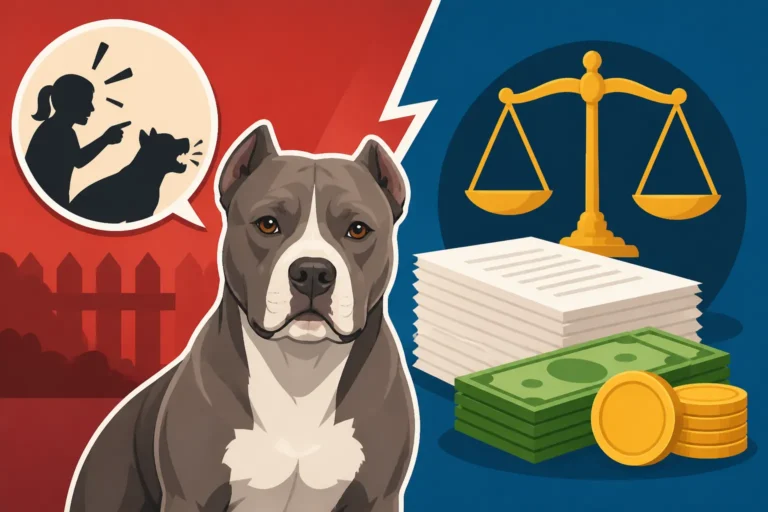
For Pit Bull owners, simply getting standard homeowners or renters insurance can feel like an uphill battle, and even when you secure a policy, the coverage for dog-related incidents might be surprisingly limited. This often leaves a huge gap in financial protection, exposing you to significant personal liability if your beloved Pit Bull is ever involved in an incident. This comprehensive guide will walk you through what umbrella insurance is, why it's a vital safety net for Pit Bull owners, and how to determine the right amount of coverage to truly protect your assets and peace of mind.
Understanding the Insurance Landscape for Pit Bull Owners
Let's be honest, owning a Pit Bull comes with a unique set of challenges, and insurance is often right at the top of that list. It's frustrating, but many insurance companies unfortunately still rely on outdated perceptions and blanket breed restrictions, making it harder for responsible Pit Bull parents to secure adequate coverage. This isn't just about protecting your house; it's about protecting your entire financial future from unforeseen circumstances.
Why Pit Bulls Face Insurance Hurdles
The reality is that many insurance carriers maintain what are known as "breed-specific exclusions" or "dangerous dog lists," and more often than not, Pit Bulls – or dogs identified as Pit Bull types – are on those lists. It doesn't matter how well-behaved your dog is, how many obedience classes they've passed, or how much you've invested in their training; some insurers will simply deny coverage or include an exclusion for any incidents involving your dog. This can feel incredibly unfair, especially when you know your dog is a gentle giant at home. This is why understanding What a Bite Claim Does to a Pit Bull Policy is so critical; even a small incident can trigger major financial repercussions.
This bias means that even if you find a homeowners insurance company that will cover you, they might specifically exclude liability coverage for dog bites or related incidents if the dog is a Pit Bull. So, you might think you're covered for a myriad of other things, but the one area where you might need the most protection as a Pit Bull owner is completely absent. It's a situation that keeps many of us up at night, wondering if we've done enough to protect our families and our futures.
Limitations of Standard Homeowners or Renters Policies
Most standard homeowners or renters insurance policies include personal liability coverage, which is fantastic for things like a guest slipping on your icy porch or your child accidentally breaking a neighbor's window. Typically, this liability extends to cover incidents involving your dog, up to a certain limit – often $100,000 to $300,000. However, as we just touched upon, for Pit Bull owners, this is where things get tricky. Many policies will either have a specific exclusion for dog bites from certain breeds, or the coverage limits might be far too low to adequately protect you in a serious incident.
Imagine a scenario where your dog, even unintentionally, causes an injury to someone. If your standard policy has a breed exclusion, you're entirely on the hook for medical bills, lost wages, and potential legal fees, which can quickly spiral into hundreds of thousands, or even millions, of dollars. Even if your policy does offer some dog bite liability, that $100,000 limit could be exhausted in a blink, leaving your personal assets vulnerable. This is why simply Getting Home Insurance With a Pit Bull is often just the first step; you need to dig deeper into the actual coverage details. It’s not just about finding any policy, but finding one that truly covers your unique risks.
What Umbrella Insurance Is and Why It Matters
This is where umbrella insurance steps in as a financial superhero for Pit Bull owners. Think of it as an extra layer of liability protection that kicks in when your underlying insurance policies – like your homeowners, renters, or auto insurance – have reached their limits. It's not just a nice-to-have; for many Pit Bull owners, it's a non-negotiable part of responsible pet ownership.
Beyond Your Homeowner's Policy
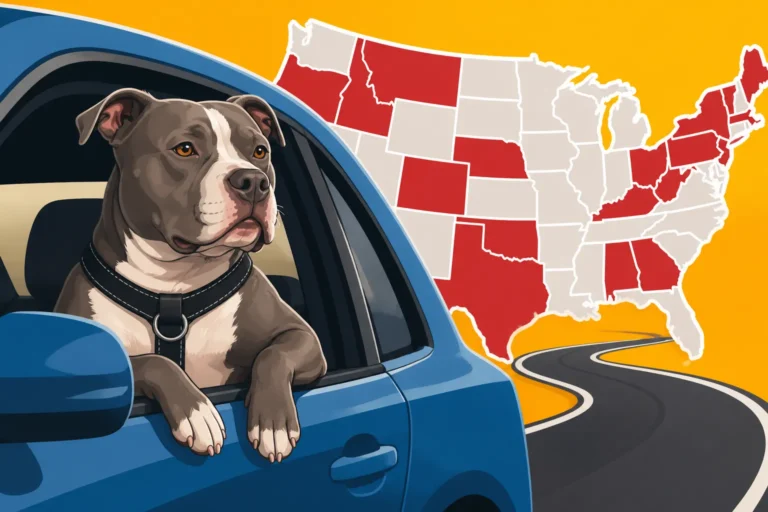
An umbrella policy is specifically designed to provide broad coverage for major claims and lawsuits, protecting your assets and future earnings. Once the liability limits of your existing policies are exhausted, your umbrella policy takes over, covering the remaining costs up to its own much higher limit. This is crucial for Pit Bull owners because, as we've discussed, the liability exposure can be significant, and your standard policy's limits might be inadequate or entirely exclude dog-related incidents. This is especially true if you live in one of the States Where Insurers Cannot Ask About a Pit Bull, which may make getting a basic policy easier but doesn't guarantee the depth of coverage you need for catastrophic events.
For example, if your homeowners policy covers $250,000 in personal liability, and a dog-related incident results in a $1 million judgment against you, your homeowners policy would pay its maximum, and then your umbrella policy would cover the remaining $750,000 (assuming you have sufficient umbrella coverage). Without that umbrella policy, you'd be personally responsible for the $750,000, which could mean liquidating savings, selling assets, or even facing wage garnishment for years to come. It’s a stark reminder that pet ownership can come with profound financial implications.
The Peace of Mind a Pit Bull Owner Needs
Beyond the purely financial protection, umbrella insurance offers immense peace of mind. Knowing that you have substantial coverage can alleviate the constant worry that many Pit Bull owners unfortunately carry. It allows you to focus on enjoying life with your dog, engaging in responsible training, and being a good neighbor, without the looming fear of a single incident unraveling everything you've worked for. This sense of security is priceless, allowing you to invest in things like premium kibble from Chewy or specialized training classes without the underlying financial stress.
This peace of mind extends to your daily interactions. You'll feel more confident about having friends over, knowing that a minor mishap won't escalate into a catastrophic lawsuit. It's about empowering you to be the best Pit Bull owner you can be, knowing you've taken every reasonable step to protect yourself and your family. In an ideal world, we wouldn't need to think about these things, but in reality, being prepared is the best way to ensure your dog can live a full, happy life without undue burdens on you. It's a key part of financial planning, much like considering What a Pit Bull Costs Across Its Whole Life.
Determining Your Umbrella Coverage Needs
So, how much umbrella coverage do you actually need? This isn't a one-size-fits-all answer, as it depends heavily on your individual circumstances, assets, and lifestyle. However, there are some clear guidelines and factors to consider that will help you make an informed decision.
Assessing Your Personal Risk Profile
When determining how much umbrella coverage to buy, the first step is to take an honest look at your personal risk profile. Consider the total value of your assets – this includes your home equity, savings accounts, investment portfolios, retirement funds, and even future earning potential. A general rule of thumb is to purchase enough umbrella coverage to cover your total net worth, plus an additional buffer for future earnings and unexpected legal costs. If you have significant assets, you'll want more coverage.
Beyond your financial assets, think about your lifestyle. Do you regularly host gatherings at your home? Do you have children who invite friends over? Does your Pit Bull interact with many people or other dogs, even in controlled environments? While you're diligent about Handling a Pit Bull in Public Without Incident and may even have sought specialized training, the more interaction there is, the higher the potential for an incident, however unlikely. If you live in a multi-dog household, for instance, you might want to consider even higher limits. Also, consider your profession; if you're a high-earning professional, you represent a larger target for lawsuits, making greater coverage even more important.
Common Umbrella Coverage Levels
Umbrella policies typically start at $1 million in coverage and can go up to $5 million, $10 million, or even higher, depending on the insurer and your needs. The good news is that these policies are generally quite affordable, especially when you consider the immense protection they offer. An additional $1 million in coverage might only cost you a few hundred dollars more per year, which is a small price to pay for such significant security.
Many financial advisors recommend aiming for at least $1 million to $2 million in umbrella coverage as a baseline, especially if you own a home and have a reasonable amount of savings. For those with more substantial assets or higher income, increasing that to $3 million or $5 million is a very prudent move. Remember, the goal is to protect everything you've worked so hard for. Don't skimp here; the cost of not having enough coverage far outweighs the annual premium. Even if your Pit Bull is a model citizen thanks to dedicated training like that discussed in Training a Pit Bull to a Higher Standard Than Other Dogs, unexpected things can happen.
Here’s a look at common umbrella coverage levels and who they might be best suited for.
Understanding the Many Reasons Why a Pit Bull Rubs Its Face on the Carpet
It's a familiar sight for many Pit Bull owners: your beloved blockhead, after a walk or a meal, starts rubbing their face with enthusiastic abandon against the carpet, the couch, or even your leg. While it can look adorable, or sometimes a little frantic, this isn't just a quirky habit. It's often a clear signal that something is going on with your dog, and as their human, it's our job to figure out what that is. Ignoring it could mean overlooking an underlying issue that's causing them discomfort. We're going to dive deep into all the possible reasons behind this behavior, from simple itches to more serious concerns, so you can help your Pit Bull find relief.
Allergies: The Most Common Culprit Behind Face Rubbing
Let's start with the big one, the reason behind a lot of doggy discomfort: allergies. Just like us, Pit Bulls can suffer from environmental and food allergies, and these can manifest in a myriad of ways, with face rubbing being a prime indicator. It's often a desperate attempt to scratch an itch they can't reach with their paws.
Environmental Allergies and Seasonal Itching
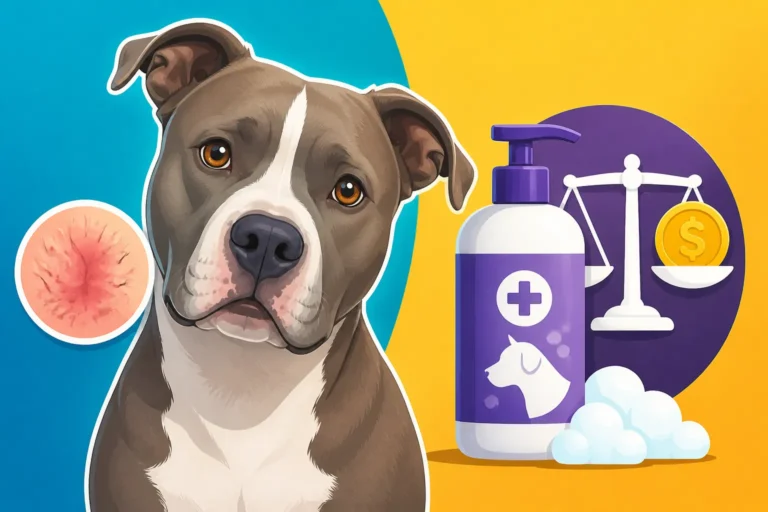
Environmental allergies, often called atopy, are incredibly common in Pit Bulls. These are usually triggered by things in their surroundings like pollen from trees, grasses, and weeds, dust mites, or even mold spores. When these allergens are present, your Pit Bull's immune system overreacts, leading to inflammation and intense itching. Imagine having a persistent itch on your cheeks or around your eyes that you just can't scratch directly. Your dog feels the same way! They'll rub their face on anything available to try and get some relief. This might be especially noticeable after a walk outside, or during certain seasons when pollen counts are high. If you notice your Pit Bull's face rubbing becomes more intense during specific times of the year, like spring or fall, it's a strong indicator that environmental allergies, or even Pit Bull Atopy and Seasonal Itching, are at play. You might also notice them rubbing their muzzle, eyes, or ears. This can sometimes lead to secondary issues like Pit Bull Ear Infections and Allergy Links if not managed.
Alongside face rubbing, you might also observe other signs of environmental allergies. This includes excessive licking or chewing of their paws, red or irritated skin in their armpits or groin, and sometimes even chronic ear infections. The skin around their eyes or muzzle might look a little pinker than usual, or you might see tiny bumps. Keeping your home clean, using air purifiers, and wiping your dog down after outdoor excursions can help reduce allergen exposure, but often, veterinary intervention with medications like Apoquel or Cytopoint is needed for true relief.
Food Allergies Beyond the Skin
While environmental allergies are often seasonal, food allergies can cause year-round discomfort. It's a common misconception that food allergies only cause digestive upset; in dogs, skin issues are actually a primary symptom, and face rubbing is definitely on that list. Your Pit Bull might be reacting to a specific protein source, like chicken or beef, or even a grain found in their kibble. When their body encounters an allergen in their food, it triggers an inflammatory response that can make their skin incredibly itchy, including on their face. This often leads to An Eight Week Food Trial on an Itchy Pit Bull to properly diagnose the specific trigger.
If your Pit Bull is constantly rubbing their face, and you've ruled out environmental factors or their itching seems consistent regardless of the season, a food allergy should definitely be on your radar. Beyond face rubbing, food allergies can also cause paw licking, chronic ear infections, skin rashes, and sometimes, though less commonly than skin issues, gastrointestinal upset like diarrhea or vomiting. It's a tricky thing to pinpoint, but a strict elimination diet, guided by your vet, is the gold standard for diagnosis. During this time, they'd eat a novel protein source they've never had before or a hydrolyzed protein diet, to see if symptoms improve.
General Irritation: More Than Just an Itch
Sometimes, face rubbing isn't a deep-seated allergy but a response to more immediate, localized irritation. These can be easier to spot and address once you know what to look for.
Foreign Objects or Irritants on the Face
Think about what might have gotten on your Pit Bull's face. After a romp in the park, they might have brushed against a thorny bush, gotten a burr stuck in their muzzle hair, or perhaps picked up some irritating plant sap. Even a stray hair, a tiny piece of dirt, or an eyelash could be enough to cause localized irritation, prompting them to rub their face against the carpet to dislodge it. Sometimes, if you're not careful, residual shampoo or cleaning products might be left on their fur after a bath, causing a contact irritation that makes them want to rub it off.
It's a good idea to gently examine your Pit Bull's face, especially around their eyes, muzzle, and ears, if they suddenly start rubbing. Look for any visible foreign objects, redness, or swelling. If you see something small and easily removable, you can try to carefully take it out. However, if it's something embedded, or if the irritation seems significant, a vet visit is always the safest bet. Just a quick check can sometimes prevent a minor annoyance from turning into a more significant problem.
Mild Skin Dryness or Sensitivity
Just like humans, dogs can experience dry skin, especially during colder, drier months or if their diet is lacking in essential fatty acids. Dry skin can feel tight and itchy, even without a full-blown allergic reaction. Your Pit Bull might rub their face to relieve this general discomfort, particularly if the skin around their muzzle or eyes feels drier than usual. Some Pit Bulls also have naturally sensitive skin, making them prone to irritation from even mild environmental factors.
Ensuring your Pit Bull has a high-quality diet rich in Omega-3 and Omega-6 fatty acids can help support healthy skin and coat. You might also consider supplements like fish oil, which can improve skin hydration and reduce itchiness. Brands like Healthy Paws, while an insurance provider, often emphasize good health, which includes skin and coat care. A good quality shampoo designed for sensitive skin, used during regular bathing, can also make a difference. If you suspect dry skin, talk to your vet about appropriate moisturizers or diet changes.
Parasites: Uninvited Guests Causing Face Discomfort
Parasites are another common, and highly uncomfortable, reason your Pit Bull might be rubbing their face. These tiny invaders can cause intense itching, which your dog tries desperately to relieve.
Mites, Fleas, and Other Crawlies
Fleas are notorious for causing itching all over a dog's body, but the face and ears can be particularly affected, especially if the dog has a flea allergy. A single flea bite can trigger an intense, generalized allergic reaction in a sensitive dog, leading to relentless itching, including face rubbing. Mites, such as those that cause sarcoptic mange or demodectic mange, can also target the face, ears, and muzzle, leading to severe itching, hair loss, and skin irritation. Demodex Patches on a Pit Bull Face are a classic sign of this. These conditions are incredibly uncomfortable and require veterinary diagnosis and treatment.
If you suspect parasites, carefully examine your Pit Bull's coat, especially around the face, ears, and neck. Look for "flea dirt" (tiny black specks that turn reddish-brown when wet), or visible fleas. Mites are microscopic, so you won't see them, but intense itching, hair loss, and redness are tell-tale signs. Year-round parasite prevention is your best defense against these issues. Consult your veterinarian immediately if you suspect fleas or mites, as these conditions won't resolve on their own and can worsen significantly without proper treatment.
Ear Issues: When the Itch is Deeper
Sometimes, the rubbing you see on the face is actually an attempt to alleviate discomfort coming from the ears. Because ears are so close to the face, dogs will often rub their entire head against surfaces.
Ear Infections and Build-Up
Pit Bulls can be prone to ear infections, especially if they have allergies, or if moisture gets trapped in their ear canals. An ear infection, whether bacterial or yeast, can be incredibly itchy and painful. Your Pit Bull might rub their ear area, tilt their head, shake their head excessively, or paw at their ears. This rubbing behavior can look like they are rubbing their face, but the primary source of irritation is actually within the ear canal. If you've been dealing with Pit Bull Ear Infections Every Few Months, face rubbing might be a new symptom of ongoing discomfort.
Check your Pit Bull's ears for redness, swelling, discharge (yellow, brown, or black), or a foul odor. If you notice any of these signs, it's crucial to get your dog to the vet. Ear infections require proper diagnosis and medication to clear up. Regular ear cleaning with a vet-approved solution can help prevent infections, especially if your Pit Bull loves to swim or is prone to allergies. Learning Cleaning a Pit Bull Ear Properly is a valuable skill for any Pit Bull owner.
Ear Mites and Other Irritants
Beyond infections, ear mites can also be a source of intense irritation, particularly in puppies, but adult dogs can get them too. Ear mites cause severe itching and often lead to a dark, crumbly discharge that looks like coffee grounds in the ear canal. This constant irritation will make your Pit Bull desperate to rub their head and face to get relief.
Just like with general body mites, ear mites are contagious and require veterinary treatment. They can be very uncomfortable for your dog and will not go away without intervention. A vet will examine the ear with an otoscope and may take a swab to confirm the presence of mites. Consistent ear care and parasite prevention are key to keeping these tiny pests at bay.
Dental and Mouth Discomfort: Painful Teeth and Gums
It might not be the first thing you think of, but problems in your Pit Bull's mouth can also lead to face rubbing. If something is bothering them inside their mouth, rubbing their face could be their way of trying to alleviate the pain or discomfort.
Toothache or Gum Irritation
A cracked tooth, a loose tooth, gum disease (gingivitis), or even a foreign object stuck between their teeth can cause significant pain and irritation in your Pit Bull's mouth. If they're experiencing discomfort, they might rub the side of their face against the carpet or furniture to try and soothe the area or dislodge whatever is bothering them. You might also notice them chewing on one side of their mouth, dropping food, or becoming reluctant to eat hard kibble or chew toys. Dealing with Pit Bull Broken Teeth From Hard Chewing is more common than you'd think.
Gently lift your Pit Bull's lips and examine their teeth and gums. Look for redness, swelling, bleeding, or any visible damage to their teeth. Bad breath is also a strong indicator of dental issues. Dental disease is incredibly common in dogs and often goes unnoticed until it's advanced. Regular dental check-ups and a good home dental care routine, perhaps using dental chews from Chewy or a specially formulated toothpaste, are essential for preventing these painful problems. If you suspect a toothache or gum irritation, a trip to the vet is necessary.
Oral Growths or Abscesses
Less commonly, growths or abscesses inside the mouth can cause your Pit Bull to rub their face. An abscess is a pocket of infection that can form due to a severe tooth infection or trauma, causing significant swelling and pain. Similarly, benign or malignant growths can develop in the gums, tongue, or inside the cheek, causing irritation as they rub against other structures in the mouth.
These issues are usually not visible without a thorough examination of the entire oral cavity. If you notice any swelling on your Pit Bull's face, difficulty eating, drooling, or a reluctance to open their mouth, combined with face rubbing, it's time for an immediate vet visit. Early detection of oral growths, especially, can be critical for successful treatment.
Behavioral and Comfort Seeking: Beyond the Physical
Sometimes, the act of face rubbing isn't purely a physical response to an itch or pain, but rather a behavioral one, driven by comfort-seeking or even stress.
Scent Marking or Comfort Seeking
Dogs use scent to communicate, and their faces have scent glands. After eating a particularly tasty meal, especially if it's a messy one like a fresh meal from Ollie or canned food, your Pit Bull might rub their face on the carpet to wipe their mouth and spread their scent. It’s a way of saying, "This is mine, and I just enjoyed something delicious!" It can also be a self-soothing behavior, much like a child rubbing a security blanket. The texture of the carpet or furniture can provide a comforting sensation, especially if they're feeling a bit anxious or overstimulated.
Observe when your Pit Bull is rubbing their face. Is it always after eating? Is it when they settle down for a nap? Or after a stressful event, like a loud noise or a new person entering the house? If it seems to be linked to these situations and there are no other signs of discomfort, it's likely a normal, self-soothing or scent-marking behavior. As long as it's not excessive or leading to skin irritation, you might not need to worry. However, if it seems compulsive or obsessive, it could indicate underlying anxiety.
Stress or Anxiety Relief
Dogs, including Pit Bulls, can exhibit displacement behaviors when they are stressed or anxious. Face rubbing can be one of these. If your Pit Bull is feeling overwhelmed, uncertain, or anxious, they might rub their face as a way to self-soothe or to divert their attention from the source of stress. This might be seen in situations like moving to a new house, after a veterinary visit, or when exposed to unfamiliar environments or people.
Look for other signs of stress or anxiety, such as excessive yawning, lip licking, panting, pacing, whining, or avoidance behaviors. If face rubbing seems linked to stressful situations, try to identify and mitigate the stressors in their environment. Providing a safe, quiet space, consistent routines, and positive reinforcement training can help reduce anxiety. In some cases, behavioral modification techniques or even anti-anxiety medication, prescribed by a vet, might be necessary. Recognizing if A Pit Bull That Panics When the Door Shuts also leads to face rubbing can provide valuable clues about their emotional state.
Neurological Issues: A Rarer, More Serious Concern
While less common, certain neurological conditions can sometimes manifest as abnormal facial rubbing or scratching, indicating a deeper problem.
Facial Nerve Irritation
In rare cases, irritation or damage to facial nerves can cause strange sensations, tingling, or even pain in your Pit Bull's face, leading them to rub it excessively. This might be due to a tumor, inflammation, or trauma affecting the nerves. This would likely be accompanied by other neurological signs, such as facial drooping, difficulty blinking, or changes in sensation.
If the face rubbing is persistent, unusual, or accompanied by any other neurological symptoms, such as head tilting, incoordination, or seizures, it's crucial to seek immediate veterinary attention. Neurological issues are complex and require prompt diagnosis and treatment by a veterinary professional, possibly involving a veterinary neurologist. This is a situation where specialized care would be needed, and having comprehensive pet insurance like Healthy Paws can be a lifesaver.
When to Seek Veterinary Advice
While some face rubbing might be harmless or easily managed at home, it's essential to know when to call your veterinarian. Don't hesitate to reach out to your vet if you notice any of the following:
- Persistent or severe rubbing: If the rubbing is constant, intense, or causes raw, red, or broken skin.
- Accompanying symptoms: If the rubbing is coupled with redness, swelling, discharge from the eyes or ears, odor, hair loss, open sores, lameness, or changes in eating habits.
- Behavioral changes: If your Pit Bull seems unusually lethargic, irritable, withdrawn, or exhibits other signs of pain or discomfort.
- Ineffective home remedies: If you've tried gentle cleaning or minor adjustments and the rubbing continues or worsens.
Your vet can perform a thorough examination, including skin scrapings, ear swabs, blood tests, or a dietary trial, to pinpoint the exact cause of your Pit Bull's discomfort. Early intervention often leads to a quicker and more effective resolution, getting your beloved companion back to feeling their best.
Disclaimer
The information provided in this article is for general informational purposes only and is not a substitute for professional veterinary advice. Always consult with a qualified veterinarian regarding any health concerns or before making any decisions about your pet's health or treatment plan.