Renters Insurance That Will Cover a Pit Bull
Finding a place to live that welcomes your Pit Bull is already a minefield, but then you hit the next hurdle: renters insurance. Many devoted Pit Bull owners face the disheartening experience of being denied coverage outright or facing exorbitant premiums, all just because of their beloved dog's breed. This guide is here to walk you through navigating the complex world of renters insurance, ensuring you and your Pit Bull are properly protected, offering practical steps to secure the coverage you need.
The Renters Insurance Hurdle for Pit Bull Owners
It’s an unfortunate reality that Pit Bulls, despite being loving and well-behaved companions in countless homes, face significant discrimination when it comes to housing and insurance. This isn't just a minor inconvenience; it can truly make finding a safe, affordable home an uphill battle. The perception of risk, often fueled by outdated stereotypes and misinformation, places a heavy burden on owners who simply want to provide a good life for their dogs. Understanding this underlying challenge is the first step in effectively navigating the insurance landscape.
Understanding the Breed-Specific Restrictions
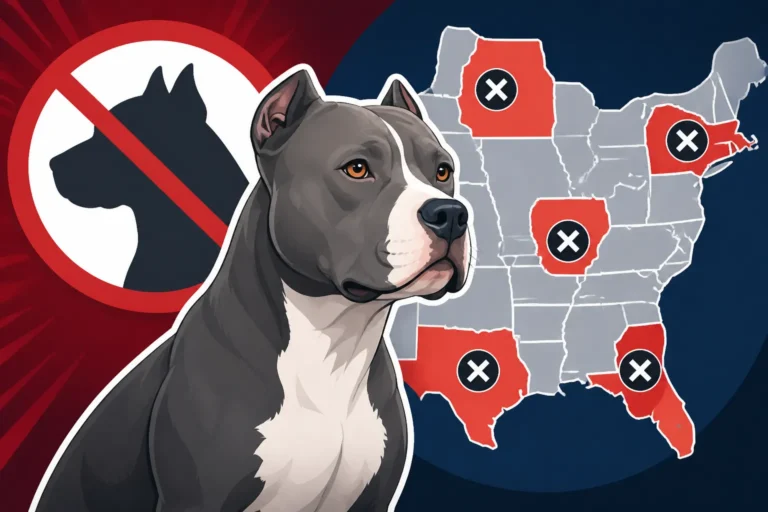
The primary reason many insurers hesitate to cover homes with Pit Bulls stems from what they call "breed-specific restrictions." Essentially, these are lists of dog breeds that insurance companies deem "high-risk" due to perceived tendencies towards aggression or a higher likelihood of causing injury. While most credible studies and veterinary organizations argue against breed-specific legislation, and even the term "Why Pit Bull Is a Type and Not a Breed" highlights the complexity, insurance companies often operate on their own historical data and risk assessments. This means that American Pit Bull Terriers, American Staffordshire Terriers, Staffordshire Bull Terriers, and even mixes that visually resemble these dogs are frequently blacklisted.
This practice is incredibly frustrating for responsible owners who know their dogs. Your sweet, couch-potato Pit Bull, who wouldn't hurt a fly, gets lumped in with a broad, ill-defined category. This blanket approach ignores individual temperament, training, and upbringing, forcing you to jump through extra hoops or pay more just because of how your dog looks. Many insurance providers hold onto these lists, making it difficult to find a standard policy without exclusions for your furry family member.
The Cost Implications of Perceived Risk
When an insurance company identifies your Pit Bull as a "high-risk" breed, it doesn't just mean potential denial; it often translates into significantly higher premiums or reduced coverage. If you are approved, you might find that the liability portion of your policy specifically excludes incidents involving your dog, which defeats the entire purpose of having animal liability coverage. This means if your dog were to accidentally nip someone during play, or even if someone simply claims your dog was aggressive, your insurance wouldn't step in to cover the legal fees or medical costs. This is why it’s critical to understand "What a Bite Claim Does to a Pit Bull Policy" and how these exclusions can leave you financially vulnerable.
The rationale behind these cost implications is that insurers believe breeds on their restricted list are more likely to be involved in incidents leading to expensive claims. While we as Pit Bull owners know this isn't necessarily true for every individual dog, it’s a numbers game for insurance companies. They’re looking at aggregated data, sometimes flawed, rather than evaluating your specific pet. This can feel unfair and discriminatory, adding an unneeded financial strain to the already considerable "What a Pit Bull Costs to Adopt or Buy" and daily care.
Finding Your Allies: Insurers That Cover Pit Bulls
The good news is that not all insurance companies adhere to breed-specific restrictions. The landscape is slowly changing, with a growing number of providers recognizing that responsible pet ownership, training, and individual temperament are far more reliable indicators of risk than breed alone. It takes a bit more digging, but securing proper renters insurance for your Pit Bull is absolutely achievable.
Companies Known for Breed-Neutral Policies
Some major insurance carriers have publicly stated or have a reputation for not discriminating based on breed. These are often the first places Pit Bull owners should look. Companies like State Farm and Amica are frequently cited as being more inclusive. USAA is another excellent option for military families, as they also tend to be breed-neutral. Other insurers like Farmers, Liberty Mutual, and sometimes Nationwide might offer coverage, but their policies can vary significantly by state and even by individual agent, so it’s always crucial to confirm directly. These companies understand that it's the owner's responsibility and the dog's individual behavior, not its breed, that truly matters.
It’s worth noting that even within a company, policies can change, or regional offices might interpret guidelines differently. Therefore, while these names are a great starting point, always be prepared to ask direct questions about their breed policies. For instance, some states, like Pennsylvania, Michigan, and New York, have passed laws preventing insurance companies from denying coverage based solely on a dog's breed, making it easier to find a suitable policy in those areas. This means in "States That Bar Insurers From Refusing a Pit Bull", you might have an easier time, but you still need to verify the specifics of the policy.
The Power of Independent Agents
One of the most valuable resources for a Pit Bull owner seeking renters insurance is an independent insurance agent. Unlike agents who work for a single company, independent agents work with multiple insurance providers. This means they have a broader understanding of the market and can shop around for you, finding companies that are more likely to offer coverage without breed restrictions. They often have established relationships with underwriters and can advocate on your behalf, explaining your specific situation and highlighting your dog's good temperament and training.
Think of an independent agent as your personal guide through the insurance maze. They can navigate the complexities of different policies, identify those that explicitly state no breed restrictions, and even help you understand how different states handle breed-specific insurance clauses. Their expertise can save you countless hours of research and frustration, ultimately leading you to a policy that truly protects you and your pet. Don't underestimate the benefit of having someone knowledgeable on your side who understands the nuances of pet-inclusive insurance.
Bolstering Your Application and Policy
Finding an insurer willing to cover your Pit Bull is a huge step, but you can further strengthen your position and ensure the best possible coverage by proactively demonstrating your dog's excellent character and by considering additional layers of protection. This isn't about hiding your dog; it's about showcasing what a wonderful, well-adjusted companion they are.
Documenting Your Dog's Good Character
When applying for renters insurance, having a solid portfolio for your Pit Bull can make a significant difference. Start with your vet records. A history of regular check-ups, vaccinations, and a clean bill of health demonstrates responsible ownership. Ask your veterinarian for a letter stating your dog's temperament, noting if they are well-socialized and have no history of aggression. Next, collect any training certificates your dog has earned. A Canine Good Citizen (CGC) title, for example, is widely recognized as proof of good manners and basic obedience, and "Canine Good Citizen Testing With a Pit Bull" is an excellent goal for any Pit Bull owner. Providing evidence of formal training or passing a behavioral evaluation can significantly improve your chances.
Consider compiling a "resume" for your Pit Bull. This might include photos of them interacting calmly with other animals or children (under strict supervision, of course), a letter from your previous landlord confirming good behavior, or even references from dog walkers or trainers. The goal is to provide a comprehensive picture that counters negative stereotypes. Remember, you're looking to show the insurance company that you are a responsible owner and that your dog is a well-adjusted member of society. Don't forget to highlight any obedience courses you've completed, as "Showing an Insurer a Pit Bull's Training Record" can directly impact their assessment of risk.
Here's a quick checklist of documents and information to gather:
| Document/Information | Purpose | Where to Get It |
|---|---|---|
| Veterinary Records | Proof of good health, vaccinations, responsible ownership. | Your veterinarian's office |
| Vet Temperament Letter | Official statement of your dog's disposition. | Your veterinarian (request in advance) |
| Training Certificates (e.g., CGC) | Demonstrates obedience and good manners. | From your certified dog trainer/organization (e.g., AKC) |
| Landlord Reference Letter | Confirmation of good behavior in previous rentals. | Previous landlord |
| Photos of Dog | Visual evidence of a calm, well-adjusted dog. | Your personal collection |
| Microchip Information | Proof of permanent identification. | Your vet or shelter records |
Exploring Additional Liability Protection
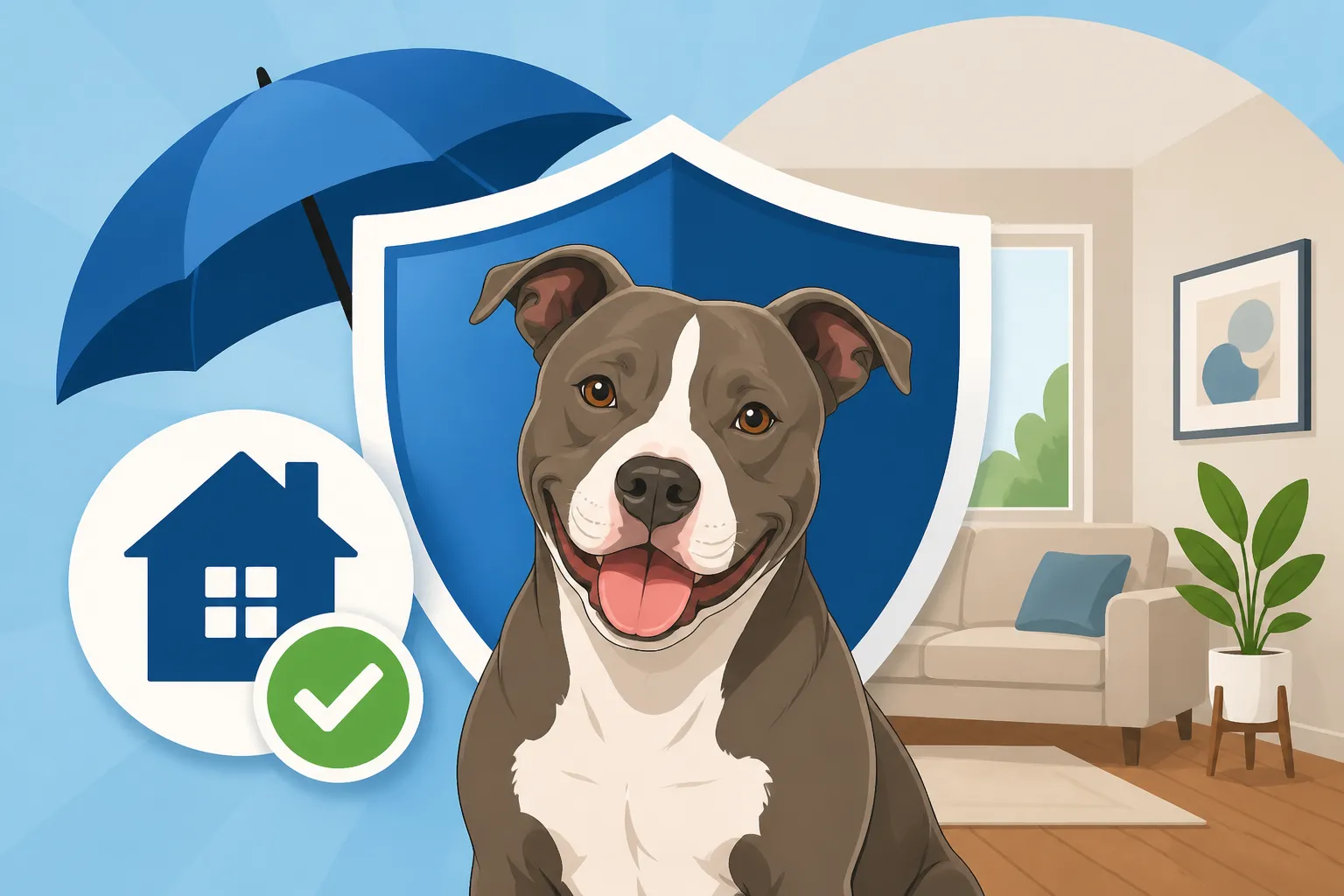
Even with a breed-neutral renters insurance policy, there might be limits to the liability coverage for dog-related incidents. Standard policies often have caps, which, while substantial, might not be enough in the event of a serious claim. This is where an umbrella liability policy comes into play. An umbrella policy provides additional liability coverage that kicks in once the limits of your primary policies (like renters insurance or auto insurance) are exhausted. It essentially provides an extra layer of financial protection against unforeseen events, including those involving your dog.
For a Pit Bull owner, an umbrella policy can be an invaluable safety net. It can offer millions of dollars in additional coverage, protecting your assets if a claim exceeds your renters insurance limits. Many of the same companies that offer breed-neutral renters insurance also offer umbrella policies. It's often more affordable than you might think, especially when bundled with your existing insurance. Considering "Umbrella Cover in a Pit Bull Household" is a smart move for any Pit Bull owner concerned about comprehensive financial security, ensuring peace of mind against the rare but potentially devastating incident.
Beyond insurance, think about other ways to manage potential risks. Investing in quality training equipment, like a sturdy harness or a basket muzzle for public outings, can prevent accidental incidents. Remember, "Training a Pit Bull to a Higher Standard Than Other Dogs" isn't just a recommendation; it's often a necessity for these dogs to thrive in society. Being proactive in managing your Pit Bull's environment and interactions can reduce risks, regardless of what an insurance company might assume.
Navigating the Policy Details
Once you've identified potential insurers and gathered your dog's "resume," the next crucial step is to meticulously review the policy details. Don't assume anything, and always ask questions. The devil is truly in the details when it comes to insurance, especially when a breed-specific dog is involved.
Decoding Liability Limits and Exclusions
When you receive a quote or policy, immediately zero in on the liability section. This is where the protection for dog-related incidents lives. Look for the maximum payout amount for animal liability. Many experts recommend at least $100,000 in personal liability coverage, but given the potential for significant medical and legal costs associated with dog incidents, higher limits like $300,000 or even $500,000 might be more prudent, especially if you have significant assets. This is also where you must check for any explicit breed exclusions. Some policies might initially seem breed-neutral but then include a clause stating that liability for certain breeds (like Pit Bulls) is either excluded or significantly limited. If you find such a clause, keep looking, as that policy won't provide the protection you need.
It's vital to confirm that your specific dog is covered by name, or at least that the policy clearly states no breed restrictions apply to liability claims. Don't be shy about asking for written confirmation. A verbal assurance from an agent is helpful, but a written declaration within the policy or an endorsement is what truly matters if a claim ever arises. Remember, a policy that doesn't cover your Pit Bull's liability offers very little value in protecting you from financial risk related to your pet.
Essential Questions to Ask Your Provider
When speaking with an insurance agent, come prepared with a list of specific questions. This ensures you get all the critical information and helps demonstrate your thoroughness as a responsible pet owner.
Here are some key questions to ask:
- "Does your policy have any breed restrictions for liability coverage? If so, what breeds are on the list?" This is your most important question.
- "What is the maximum liability coverage for dog-related incidents?" Ensure this amount is adequate for your peace of mind and asset protection.
- "Will my specific dog, [Your Dog's Name], be covered under the liability portion of this policy, without exclusion?" Get this clarified directly.
- "Are there any exclusions or limitations for dog bites or other dog-related injuries?" Some policies might cover dog-inflicted injuries but exclude bites, for example.
- "What documentation do you require to prove my dog's temperament or training?" This will help you know what to submit.
- "What happens if my dog is involved in an incident outside of my rental property?" Confirm coverage extends beyond your home.
- "Do you offer umbrella liability policies, and how would that integrate with this renters policy?" Inquire about additional layers of protection.
Getting clear, concise answers to these questions will help you select a policy that genuinely protects you. Don't hesitate to seek clarification if anything is unclear. Your peace of mind is worth the extra effort. While you're at it, remember that investing in high-quality food, like that offered by Ollie, can contribute to your dog's overall health and well-being, which in turn can foster a calmer temperament. Furthermore, stocking up on enrichment items or durable chews from retailers like Chewy can help keep your Pit Bull mentally stimulated, reducing boredom-related behaviors. Lastly, while your renters insurance covers liability, consider separate pet insurance from providers like Healthy Paws to cover veterinary expenses, as those are distinct from liability issues and equally important for your Pit Bull's long-term health.
Disclaimer
This article is for general informational purposes only and does not constitute professional advice. Laws, prices and regulations vary by location and change over time. Consult a qualified professional for guidance on your specific situation.