Where Pit Bull Restrictions Still Stand
For Pit Bull owners, or those hoping to become one, few things are as frustrating and frankly, heartbreaking, as discovering that your chosen companion might be restricted or outright banned in your home, city, or even state. The patchwork of laws known as breed-specific legislation, or BSL, means navigating a minefield of rules that can make finding housing, getting insurance, or simply walking your dog in public a constant challenge. This comprehensive guide will help you understand where these restrictions currently stand, what they entail, and how to prepare for life with your beloved Pit Bull under varying legal landscapes.
Understanding Breed-Specific Legislation (BSL)
Breed-Specific Legislation (BSL) refers to laws that regulate or ban certain dog breeds based on the belief that these breeds are inherently dangerous. For decades, Pit Bull type dogs have been the primary target of such legislation, leading to significant challenges for their owners. It's a deeply emotional topic because, for most of us, our Pit Bulls are cherished family members, and to have them labeled as a public threat simply due to their appearance feels profoundly unfair.
What BSL Actually Means for Pit Bull Owners
BSL isn't a single, uniform type of law; it manifests in various forms, each with its own set of burdens and restrictions. At its most extreme, BSL can mean an outright ban, where owning a Pit Bull or a dog identified as such is illegal, often forcing owners to surrender their pets or move. Imagine being told you have to give up your dog, a member of your family, just because of how they look. It’s a devastating prospect that too many Pit Bull owners have faced.
Beyond outright bans, other forms of BSL impose strict requirements. These might include mandatory registration and special permits, often involving significant fees. You might be required to microchip your dog, prove sterilization, or even carry specific liability insurance policies. Some laws mandate that your Pit Bull must be muzzled and kept on a short leash whenever in public, regardless of their individual temperament or training. For an active dog that loves to explore, being constantly restricted can impact their quality of life. Even the type of fencing required for your yard might be dictated by law, often demanding high, secure enclosures that are expensive to install and maintain. For those living in areas with such laws, the cost of ownership, already a factor when considering items like Pit Bull Pet Insurance and Breed Exclusions, can escalate dramatically.
The Shifting Landscape of BSL
The good news, if there can be any in this conversation, is that the tide is slowly turning in many places. Over the past decade, there's been a growing movement to repeal BSL, driven by animal welfare organizations, responsible dog owners, and legislative bodies recognizing that these laws are often ineffective and unfair. The consensus among many veterinary and animal behavior experts is that breed is a poor predictor of individual dog behavior. Factors like responsible ownership, training, socialization, and genetics play a far more significant role.
For instance, cities like Denver, Colorado, once infamous for its Pit Bull ban, famously repealed its long-standing breed restrictions in 2020, replacing them with a permit system for existing Pit Bulls and focusing on individual dog behavior. Florida, a state with strong protections against local BSL for decades, recently passed a bill (effective in 2024) that explicitly prohibits local governments from enacting new breed-specific ordinances, reinforcing a statewide stance against such laws. This kind of progress offers a glimmer of hope, but it doesn't mean the fight is over. Many areas still cling to outdated legislation, making it crucial for every Pit Bull owner to be vigilant and informed.
Geographic Hotspots: States and Cities with Current Restrictions
While the trend leans towards repealing BSL, it's absolutely vital to know that many areas still have these restrictions in place. This isn't just about moving to a new state; it can be about driving through a town you've never heard of on a road trip, or even finding a rental apartment in a seemingly progressive city. The frustration often comes from the sheer inconsistency of these laws. One town might have a total ban, while the next town over has no restrictions at all, or perhaps just a muzzle requirement. It’s enough to make your head spin.
States with Ongoing BSL
Some states have specific laws that either ban BSL statewide, permit local governments to enact it, or even have statewide bans on certain breeds, though the latter is increasingly rare for Pit Bulls specifically. It's more common to see state laws that allow local municipalities to enforce their own BSL, which means the rules can vary wildly from county to county or city to city within the same state.
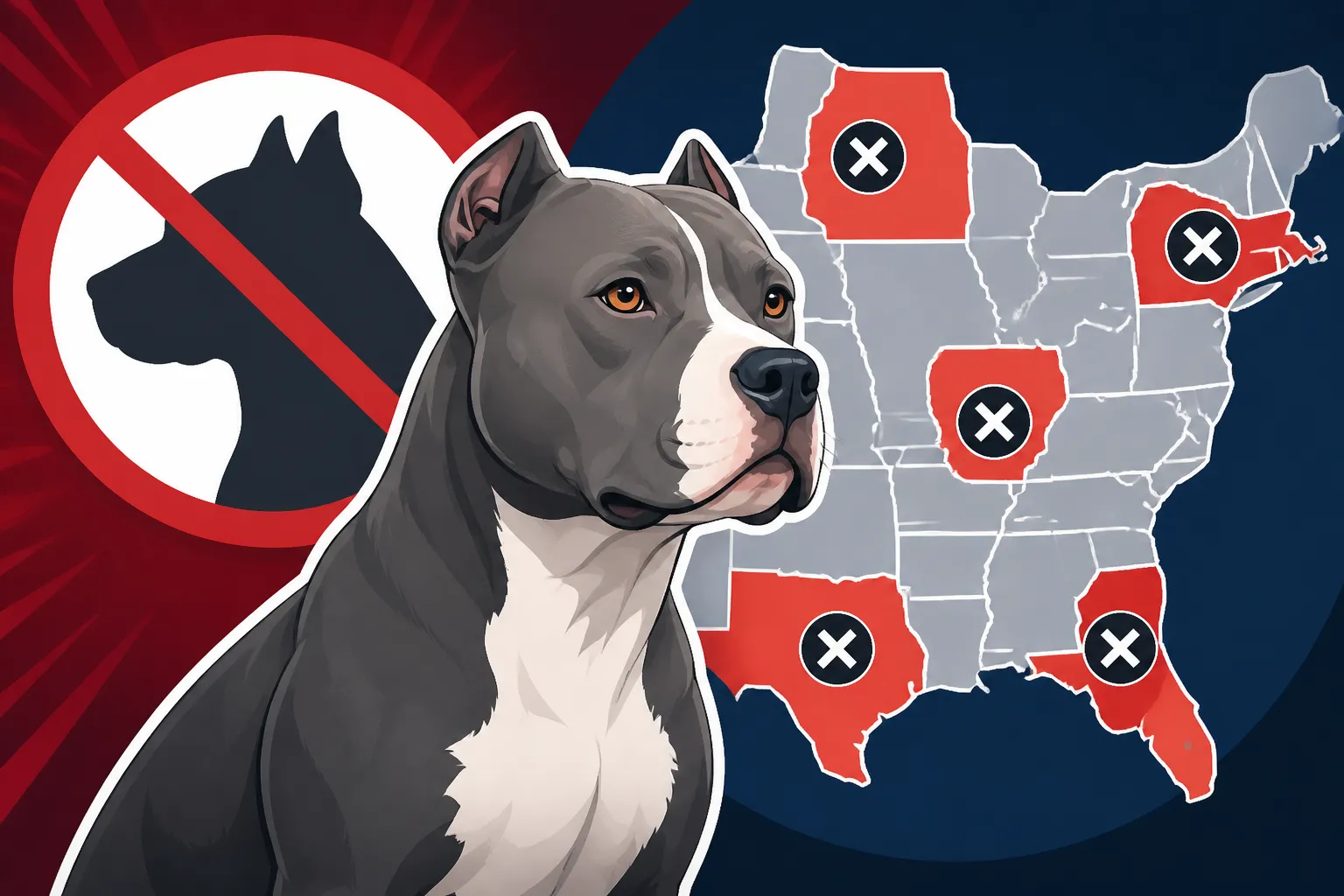
States like Ohio are a classic example of this patchwork. While the statewide law no longer automatically classifies Pit Bulls as "vicious," local municipalities still retain the power to create and enforce their own breed-specific laws. This means that while some cities in Ohio might be perfectly welcoming to your Pit Bull, others could have strict bans or stringent requirements. Similarly, states such as Kansas, Missouri, and Iowa are known for having numerous cities and counties with active BSL, though there isn't a blanket statewide ban. On the other hand, some states, like California and New York, have laws that prohibit local governments from enacting BSL, often referred to as "pre-emption laws." These states are generally safer bets for Pit Bull owners, as they aim for uniformity and discourage breed-specific discrimination. This is also why understanding Whether a DNA Test Settles the Pit Bull Question can be complex, as local officials might still visually identify and label a dog regardless of its genetic makeup.
Notable Cities and Counties with Pit Bull Bans or Strict Rules
Despite repeals elsewhere, many cities and counties across the US still maintain active BSL. These often involve outright bans or very severe restrictions that make ownership incredibly difficult. Here are a few examples, though this list is by no means exhaustive and can change:
- Miami-Dade County, Florida: Historically had a ban on Pit Bulls that persisted for decades, even as other parts of Florida became more permissive. While Florida's statewide law (effective 2024) aims to remove local BSL powers, the enforcement and transition period can be complex. For years, this meant Pit Bull owners in Miami-Dade faced the heart-wrenching decision to move or surrender their pets.
- Prince George's County, Maryland: Continues to have a ban on Pit Bull-type dogs, which means they cannot legally reside within the county limits. This is a significant barrier for families looking to move into the area or even pass through.
- Certain municipalities in Colorado: Even after Denver's repeal, some smaller towns and counties in Colorado may still retain their BSL. It's a reminder that statewide trends don't always trickle down to every local jurisdiction.
- Other scattered locations: Many less-publicized towns and rural counties, particularly in the Midwest and Southeast, still have breed-specific laws. These can often be found in older ordinances that haven't been challenged or updated.
The key takeaway is that you cannot assume a location is clear simply because a neighboring area is. Each city, town, or county must be checked individually.
How to Research Local Ordinances
Before you move, travel, or even consider adopting a Pit Bull, thoroughly researching local ordinances is the single most important step you can take. Don't rely on hearsay or what a friend of a friend told you. Laws change, and interpretations vary.
- Start with the City or County Clerk's Office: Many local governments have their ordinances available online. Look for sections related to "animal control," "dog laws," or "breed restrictions." Use keywords like "Pit Bull," "American Staffordshire Terrier," "Staffordshire Bull Terrier," or "American Bulldog" as these are often lumped under "Pit Bull type" definitions.
- Contact Local Animal Control or Shelter: These agencies are typically on the front lines of enforcing BSL and can provide direct information about current laws and how they are interpreted. They can also tell you about any permit requirements or special rules for owning a Pit Bull in their jurisdiction. Questions about whether a Pit Bull type dog weighs more than allowed by weight caps are also relevant.
- Consult a Local Attorney: If you're serious about moving to a new area with a Pit Bull, especially one with ambiguous laws, consider consulting an attorney specializing in animal law. They can provide legal advice and clarification on complex ordinances.
- Check with HOAs and Landlords: Even if a city doesn't have BSL, Homeowners Associations (HOAs) and individual landlords can implement their own breed restrictions. Always get their pet policies in writing before signing any lease or purchase agreement. It's a common issue that makes Finding a Rental That Takes a Pit Bull incredibly challenging.
Navigating Life Under Pit Bull Restrictions
Living with a Pit Bull in an area with BSL or even just breed-specific discrimination can feel like walking on eggshells. It impacts everything from where you live to how you exercise your dog. The emotional toll of constant scrutiny and potential legal challenges adds a layer of stress that other dog owners rarely experience.
Housing Challenges and Insurance Hurdles
Finding a place to live is often the first and most significant hurdle for Pit Bull owners. Many apartment complexes, rental homes, and even entire housing developments have breed restrictions, often explicitly naming "Pit Bulls" or "Pit Bull-type dogs." This isn't always due to local law; it's often an insurance issue. Many homeowners and renters insurance providers have "dangerous dog" lists that include Pit Bulls, making them unwilling to cover properties where these dogs reside. This means landlords often face higher premiums or outright refusal of coverage if they allow a Pit Bull on their property.
It's a frustrating Catch-22: you can't get housing without insurance, and you can't get insurance because of your dog's breed. Some insurance companies, however, are more breed-neutral. It's worth researching providers like State Farm, USAA (for military families), and certain smaller, regional carriers that might offer policies regardless of breed, though these often come with higher premiums or specific conditions. When looking for pet insurance for unexpected veterinary bills, reputable companies like Healthy Paws also focus on comprehensive coverage for illnesses and accidents, generally without breed exclusions for medical conditions, but they don't cover third-party liability that homeowners insurance would. This is why understanding Homeowners Carriers That Refuse Pit Bulls is so critical.
The Daily Realities: Permits, Muzzles, and Public Access
In areas where Pit Bulls are restricted but not banned, owners often face a host of daily realities that impact their lives and their dog's well-being.
- Permit Requirements: Many cities demand special permits for Pit Bulls, which can involve annual fees, proof of spay/neuter, current vaccinations, and sometimes even a temperament test. These aren't just one-time hurdles; they require ongoing compliance and renewal.
- Mandatory Muzzling: A common restriction is the requirement for Pit Bulls to be muzzled whenever they are in public spaces. While responsible owners understand the importance of Muzzle Training Every Pit Bull Should Have for safety and veterinary visits, being forced to muzzle your dog every time you step outside can be emotionally taxing and invite unwanted attention. It also requires careful selection of a comfortable, safe muzzle, which you can often find on pet supply sites like Chewy.
- Leash and Containment Rules: BSL often specifies leash length, sometimes requiring leashes no longer than 4 or 6 feet, and may mandate that dogs be walked only by adults over a certain age. Yard containment rules can be very strict, requiring specific fence heights or types, often making outdoor play complicated or impossible if your property doesn't meet the standards.
- Public Access Limitations: Even with a muzzle, some public places, parks, or events might still prohibit Pit Bulls. This can severely limit your dog's socialization opportunities and your ability to enjoy public life with your companion.
Traveling and Moving with a Pit Bull
The thought of traveling with your Pit Bull, whether for a vacation or a permanent move, adds another layer of anxiety. States with pre-emption laws are generally safer for passing through, but you still need to be mindful of local ordinances in any city where you might stop.
| Restriction Type | Description | Impact on Owner |
|---|---|---|
| Outright Ban | Ownership of Pit Bulls is illegal within the jurisdiction. | Must move or surrender dog; legal penalties if caught. |
| Conditional Ownership | Ownership permitted with strict conditions (permits, muzzles, insurance, etc.). | Increased costs, daily restrictions, social stigma, administrative burden. |
| Housing/Insurance BSL | Landlords/insurers can deny coverage or housing based on breed. | Difficulty finding housing, higher insurance premiums, limited options. |
| Public Access Limits | Restrictions on where Pit Bulls can go (parks, events, certain public areas). | Reduced socialization, limited exercise options, feeling isolated. |
When planning a cross-country move, it’s critical to map out your route and research every single county and city you'll pass through, especially if staying overnight. Some cities might have bans that apply even to dogs in transit. Airlines also have their own breed-specific rules, with many refusing to transport Pit Bulls, particularly in cargo. This means driving is often the only option for long distances. Resources like Ollie, which provides fresh, pre-portioned dog food, can be convenient for travel to ensure your Pit Bull maintains their diet on the go, but it doesn't solve the legal complexities. You’ll also need to consider Driving a Pit Bull Through States With Bans.
Relocating to a new state or city means starting your BSL research from scratch. You might be moving from an area with no restrictions to one with stringent laws, completely changing your lifestyle with your dog. This underscores the need for thorough planning, not just for your family, but specifically for your Pit Bull. Before packing a single box, confirm that your beloved companion is welcome in your new home, and understand what The Bills That Land Before a Pit Bull Arrives may entail when it comes to permits and special requirements. It’s an unfortunate reality that Pit Bull owners must be advocates and legal researchers for their dogs, but it’s a burden we willingly bear for these incredible companions.
Disclaimer
This article is intended for informational purposes only and should not be taken as legal advice. Laws regarding breed-specific legislation are constantly changing and can vary significantly by jurisdiction. Always consult with local authorities, legal counsel, or animal welfare organizations for the most accurate and up-to-date information pertaining to your specific location and circumstances.