Pit Bull Cruciate Repair Costs
One moment your beloved Pit Bull is full of life, romping around with boundless energy, and the next, a sudden yelp and a three-legged hop can turn your world upside down. A torn cruciate ligament is a devastating injury for any dog, but for a powerfully built Pit Bull, it can be particularly heartbreaking and financially daunting to navigate. This guide is here to walk you through everything you need to know about the costs associated with cruciate repair, from diagnosis to recovery, helping you prepare for the journey ahead.
Understanding Cruciate Ligament Tears in Pit Bulls
When your Pit Bull experiences a sudden lameness in a hind leg, especially after an athletic burst or an awkward landing, a torn cranial cruciate ligament (CCL) is often the culprit. This ligament, analogous to the ACL in humans, is vital for stabilizing the knee joint, preventing the tibia (shin bone) from sliding forward relative to the femur (thigh bone). Given the robust and muscular build of Pit Bulls, these injuries can be incredibly common and often challenging to manage without intervention.
Why Pit Bulls Are Prone to Cruciate Injuries
Pit Bulls are naturally strong, athletic dogs with compact, muscular bodies. Their powerful hindquarters, combined with their enthusiastic play style—think sudden stops, pivots, and explosive jumps—put significant stress on their knee joints. While any dog breed can tear a CCL, breeds with their build, including Pit Bulls, are statistically more susceptible. It's not always a single traumatic event; often, a tear results from gradual degeneration of the ligament over time, making it more fragile and prone to rupture even during normal activity. This is why you might see signs of lameness come and go before a full rupture occurs. Understanding this predisposition can help owners be more vigilant about their dog's mobility and seek veterinary attention promptly at the first sign of trouble. It's a cruel twist that the very strength and vigor we admire in our Pit Bulls can also be a factor in such debilitating injuries.
Recognizing the Signs of a Torn Cruciate
Spotting the signs early can make a difference, even if the injury is severe. The most obvious sign of a torn cruciate ligament is a sudden, non-weight-bearing lameness in one of the hind legs. Your Pit Bull might hold the leg up completely, or they might just touch their toes to the ground, trying to avoid putting full weight on it. You might notice a "toe-touching" gait or a persistent limp that worsens with activity and improves slightly with rest. When you get closer, you might observe swelling around the knee joint or even hear a clicking sound as they walk. They might struggle to jump into the car, climb stairs, or even stand up from a lying position. Sometimes, the initial pain might subside a little after a few days of rest, leading owners to believe the issue has resolved, only for the lameness to return or worsen with activity. Don't be fooled by temporary improvement; any persistent lameness in a powerful dog like a Pit Bull warrants a trip to the vet. These subtle changes are critical to catch, because without treatment, the knee joint can suffer further damage, including meniscal tears and chronic arthritis.
Diagnostic Process and Initial Costs
Once you notice your Pit Bull showing signs of knee pain or lameness, your first stop will be your veterinarian. They’ll perform a thorough physical examination, focusing on the affected limb. This initial vet visit is crucial for a proper diagnosis and understanding the extent of the injury.
Veterinary Examination and Palpation
During the examination, your vet will perform specific tests to assess the stability of the knee joint. The most common diagnostic test for a torn CCL is the "cranial drawer test" and the "tibial compression test." These tests involve manipulating the leg to check for abnormal forward movement of the tibia relative to the femur, which indicates a torn ligament. It can be challenging to perform these tests on a strong, muscular Pit Bull who might be in pain or resistant, so sometimes light sedation is necessary to get an accurate assessment. The vet will also palpate the joint for swelling, fluid accumulation, and muscle atrophy, which can all be indicators of a chronic or acute injury.
The initial consultation, including these manual assessments, typically runs anywhere from $60 to $150, depending on your location and the clinic's fees. If sedation is required for a more accurate examination, that cost will be added on, usually in the range of $50 to $100.
Imaging and Confirmatory Diagnostics
While physical exams are often highly indicative, X-rays are usually recommended to confirm the diagnosis and rule out other potential issues. X-rays won't directly show the ligament (as ligaments are soft tissue), but they can reveal secondary signs of a torn cruciate, such as fluid buildup in the joint, early signs of arthritis, or even displacement of bones within the joint. They also help assess the overall health of the bone and joint structures, which is vital for surgical planning. In some cases, especially if the tear is partial or ambiguous, your vet might recommend advanced imaging like an MRI or CT scan, though these are far less common for routine CCL diagnosis and come with a much higher price tag. For most Pit Bulls, standard radiographs are sufficient.
The cost for X-rays of the affected knee can range from $150 to $300, and this usually includes the interpretation by the vet. If a specialist radiologist is consulted for a more detailed read, that might add a small fee. Overall, expect to spend between $200 and $500 on the initial diagnostic process, including the vet visit and X-rays. This preliminary investment is critical; you need a precise diagnosis before considering the extensive costs and recovery associated with surgical repair.
Surgical Options for Cruciate Repair
Once a cruciate tear is confirmed, surgery is almost always the recommended course of action for a powerful, athletic dog like a Pit Bull. Without surgical stabilization, the knee will remain unstable, leading to progressive arthritis, chronic pain, and a high likelihood of injury to the meniscus and the opposite knee. There are several surgical techniques, each with its own approach, recovery profile, and cost.
Tibial Plateau Leveling Osteotomy TPLO
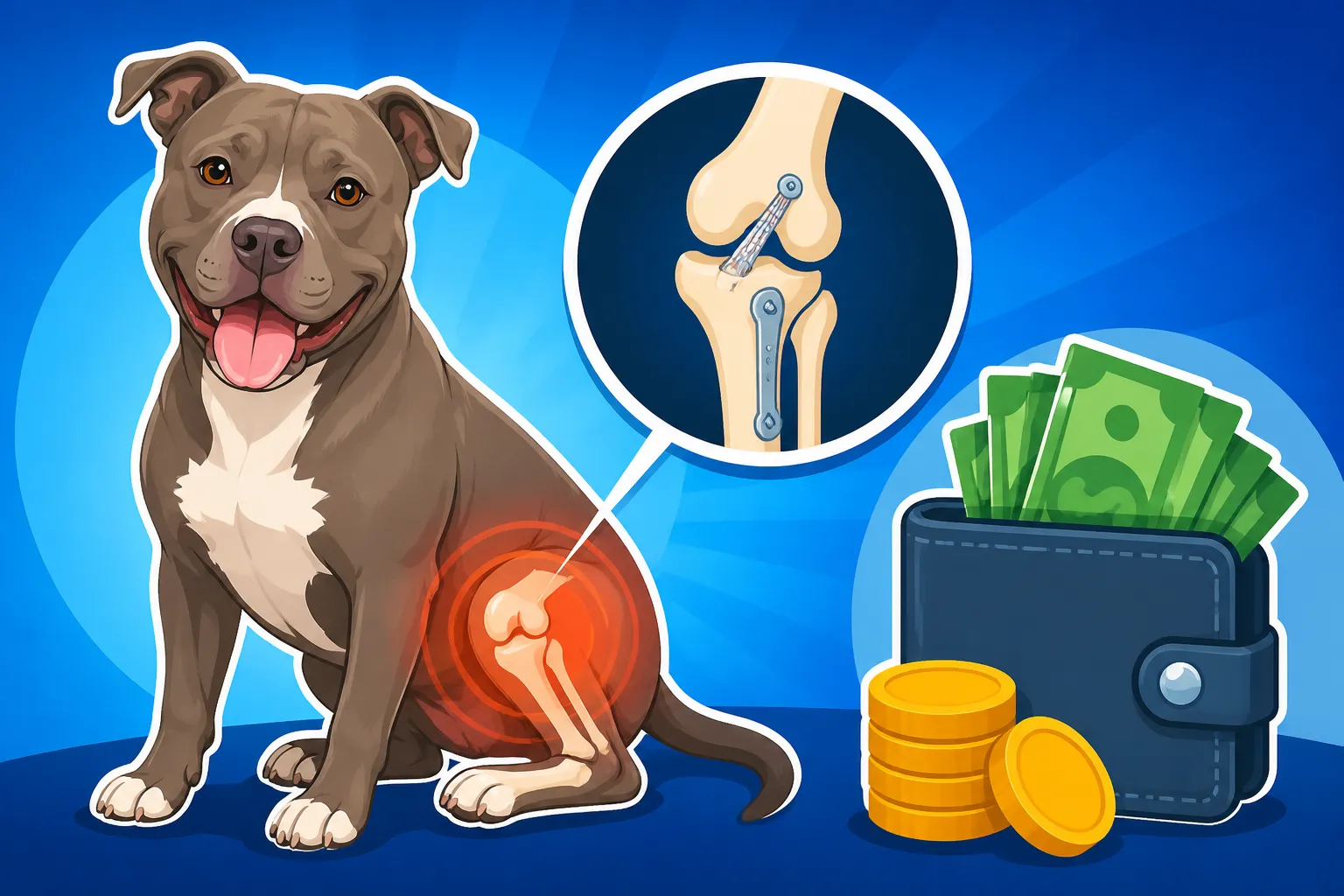
The Tibial Plateau Leveling Osteotomy, or TPLO, is one of the most common and highly recommended surgical procedures for larger, more active dogs like Pit Bulls. This technique fundamentally changes the biomechanics of the knee joint. Instead of trying to replace the torn ligament, the surgeon cuts and rotates the top of the tibia (the tibial plateau) and stabilizes it with a bone plate and screws. This rotation essentially levels the tibial plateau, making it so that the forces within the knee joint no longer push the tibia forward, thus stabilizing the joint without the need for a ligament.
TPLO is highly effective, leading to a very stable joint and excellent long-term outcomes for many dogs. However, it's an invasive procedure that requires specialized training and equipment, and as such, it's typically one of the more expensive options. The recovery can also be quite structured, demanding strict rest and controlled exercise for several weeks. The goal of TPLO is to address the underlying mechanics that led to the tear, providing a very durable solution for a strong, active Pit Bull. Many specialist surgeons prefer TPLO for its consistent results in active, larger breed dogs.
Tibial Tuberosity Advancement TTA
Another popular osteotomy technique is the Tibial Tuberosity Advancement, or TTA. Similar to TPLO, TTA aims to change the forces within the knee joint rather than replace the ligament. In a TTA, the surgeon makes a cut in the front part of the tibia (the tibial tuberosity), moves it forward, and secures it in its new position with a titanium cage and screws. This advancement alters the angle of the patellar tendon, which then helps to neutralize the cranial tibial thrust, effectively stabilizing the knee.
TTA is considered less invasive than TPLO by some, as it typically involves less bone cutting and may sometimes have a slightly faster initial weight-bearing recovery, though full recovery times are often comparable. It's also a very effective procedure for many Pit Bulls. Like TPLO, it requires a board-certified veterinary surgeon due to its complexity and specialized equipment. Both TPLO and TTA are excellent choices for active dogs, and the decision between them often comes down to the surgeon's preference, their expertise, and the individual anatomy of your Pit Bull's knee. Your vet will likely discuss the pros and cons of each, helping you make an informed decision for your pet.
Lateral Suture Extracapsular Repair
The Lateral Suture Extracapsular Repair, often referred to as simply "lateral suture" or "fishing line" surgery, is a less invasive and generally less expensive surgical option. Instead of altering the bone structure, this technique aims to stabilize the knee by placing a strong synthetic suture material (often similar to fishing line or specialized orthopedic nylon) outside the joint capsule, from the fabella (a small bone behind the femur) to the tibia. This suture mimics the function of the torn cruciate ligament, preventing the tibia from sliding forward.
While historically a popular choice, especially for smaller or less active dogs, its effectiveness in larger, powerful breeds like Pit Bulls can be debated. The synthetic suture material can stretch or break over time, leading to re-instability, especially with the high forces generated by a muscular Pit Bull. The long-term success rates can be lower than TPLO or TTA, particularly in very active dogs. However, it can be a viable option in specific circumstances, such as for older, less active dogs, or if financial constraints are a major concern. It’s a less technically demanding surgery and thus often performed by general practitioners, which also contributes to its lower cost. The choice of surgical procedure is a significant one, impacting both your Pit Bull's recovery and your wallet.
Breaking Down the Costs of Cruciate Surgery
Cruciate ligament repair is a major surgery, and its cost can vary significantly based on the chosen procedure, the veterinary surgeon's experience, geographic location, and any unexpected complications. Understanding these variables is key to preparing your budget.
General Cost Ranges for Each Procedure
The cost of cruciate repair surgery is often the most significant financial hurdle for Pit Bull owners. Let’s look at the general ranges for the procedures we just discussed:
- Tibial Plateau Leveling Osteotomy (TPLO): This is typically the most expensive option. Nationally, you can expect TPLO to range from $3,500 to $6,500 per knee. In major metropolitan areas or at specialized orthopedic veterinary hospitals, it can even push towards $7,000 to $8,000. This cost usually includes the surgeon's fee, anesthesia, monitoring, hospital stay (often 1-2 nights), medications, and follow-up X-rays.
- Tibial Tuberosity Advancement (TTA): TTA costs are generally comparable to TPLO, sometimes slightly less, but often within the same ballpark. Expect a range of $3,000 to $6,000 per knee. Again, location and specialist fees play a big role.
- Lateral Suture Extracapsular Repair: This is the most budget-friendly surgical option, often performed by general practice veterinarians or orthopedic specialists for less demanding cases. Costs typically range from $1,200 to $3,000 per knee. While tempting due to the lower price, remember the potential trade-offs in long-term stability for a very active Pit Bull.
These prices are for one knee. Unfortunately, if one knee tears, there's a significant chance the other knee will experience a cruciate tear within a few years, sometimes even months. This can effectively double the surgical costs down the line.
What’s Included in the Surgical Fee
It’s important to clarify with your veterinary hospital exactly what their quoted surgical fee includes. Typically, it covers a comprehensive package to ensure the best possible outcome for your Pit Bull:
- Pre-surgical blood work: Essential to ensure your Pit Bull is healthy enough for anesthesia, especially in breeds known for certain predispositions.
- Anesthesia and monitoring: This includes the medications for sedation and anesthesia, as well as constant monitoring of vital signs (heart rate, respiration, blood pressure, oxygen levels) by a veterinary technician throughout the surgery.
- Surgeon's fees: The professional fee for the skilled veterinary surgeon performing the complex procedure.
- Surgical materials: All the necessary sterile drapes, instruments, sutures, and implants (plates, screws, synthetic line) used during the operation.
- Hospitalization: Typically 1-2 nights post-surgery for pain management, wound care, and initial monitoring.
- Pain management: This is critical and includes injectable pain medications during hospitalization and oral medications to go home with (e.g., NSAIDs, gabapentin).
- Post-operative X-rays: Usually taken before discharge to ensure the implants are correctly placed and the repair looks good.
- Initial bandage changes and wound checks.
What might not be included are the initial diagnostic costs (like the first exam and X-rays), specialized rehabilitation therapies, or complications that arise post-surgery. Always get a detailed estimate in writing so there are no surprises.
Geographic and Specialist Variations
Just like human healthcare, the cost of veterinary surgery can fluctuate greatly depending on where you live. Veterinary specialists in large urban centers like Los Angeles, New York, or Chicago will generally have higher fees due to higher overheads and demand. In more rural areas, costs might be a bit lower. The choice between a general practice vet (if they offer lateral suture) and a board-certified veterinary surgeon (for TPLO/TTA) also impacts the price. A specialist has undergone extensive additional training and certification in orthopedic surgery, which commands a higher fee but often provides greater confidence in the outcome for complex procedures.
For example, a TPLO in a smaller town might run you $3,500-$4,500, while the same procedure at a renowned veterinary orthopedic center in a major city could easily be $5,500-$7,000. It's always a good idea to get quotes from a few different practices, if possible, to compare. Sometimes, driving an hour or two to a slightly less expensive, but still reputable, clinic can save you a significant amount without compromising care.
Post-Operative Care and Rehabilitation Expenses
The surgery is just the first major step. The recovery period for a cruciate repair is lengthy and requires diligent care and often specialized therapies to ensure your Pit Bull regains full function. These post-operative costs are often overlooked but are absolutely essential for a successful outcome.
Medications and Follow-Up Visits
Immediately after surgery, your Pit Bull will be sent home with a suite of medications. These typically include:
- Pain medication: Non-steroidal anti-inflammatory drugs (NSAIDs) to reduce pain and swelling, and often an additional pain reliever like gabapentin. These will be given for several weeks.
- Antibiotics: To prevent post-surgical infections, usually for 7-14 days.
- Sedatives: Sometimes prescribed to keep overly active Pit Bulls calm during the crucial initial recovery phase, preventing them from reinjuring themselves.
You'll also need several follow-up visits. The first might be a week or two post-op for suture removal and a wound check. Then, crucial X-rays are typically taken at 6-8 weeks to ensure the bone is healing correctly and the implants are stable. These follow-up X-rays are vital for determining when your Pit Bull can begin more intensive rehabilitation and gradually increase activity.
The cost for these medications can range from $50 to $150 per month for the first few months. Each follow-up visit with your vet, especially those including X-rays, can add another $100 to $300 to your total. Over the course of the 2-3 months of initial recovery, these costs can easily accumulate to $300-$800.
Physical Rehabilitation and Therapy
This is perhaps the most critical, yet often underestimated, part of the recovery process for an athletic Pit Bull. Just like humans, dogs benefit immensely from physical therapy after orthopedic surgery. Rehabilitation helps restore muscle strength, improve range of motion, reduce pain and swelling, and retrain proper gait and balance. Without it, muscle atrophy can be severe, and full recovery might not be achieved.
Common rehabilitation therapies include:
- Therapeutic exercises: Tailored exercises performed at home or with a certified canine rehabilitation therapist to rebuild strength and coordination.
- Hydrotherapy (underwater treadmill): This is fantastic for Pit Bulls as it allows them to exercise with less weight-bearing stress on the healing joint, building muscle and stamina safely.
- Laser therapy: Can help reduce pain and inflammation and promote tissue healing.
- Massage and manual therapies: To improve circulation and muscle flexibility.
A full rehabilitation program can span several months, sometimes up to six months or even longer. Sessions typically cost $50 to $150 per session, and your Pit Bull might need 1-3 sessions per week initially, gradually decreasing in frequency. Many owners opt for a package deal, but even then, a comprehensive rehab program can easily add an additional $1,000 to $3,000 or more to the total cost of recovery. Some clinics offer discounted packages, or you might find that your veterinarian provides guidance for at-home exercises, but professional supervision is often recommended for optimal results, particularly with an injury of this magnitude in a powerful breed.
Essential Recovery Gear
To aid in your Pit Bull's recovery and keep them safe, you'll need some specialized gear:
- E-collar (cone of shame): Essential to prevent your dog from licking or chewing the incision site, which can lead to infection. This might be provided by the vet or cost around $20-$50 for a comfortable, durable option.
- Sling or harness: Especially helpful for larger dogs like Pit Bulls to assist them with walking, going up and down stairs, or getting in and out of the car during the initial weeks of recovery. Brands like Ruffwear or GingerLead offer excellent options, costing anywhere from $40 to $100.
- Non-slip mats or rugs: If you have hardwood or tile floors, these are crucial to prevent slips and falls, which could re-injure the knee.
- High-quality orthopedic dog bed: To provide comfortable support during long periods of rest. A good one for a Pit Bull might run $80 to $200.
- Joint supplements: Your vet might recommend supplements like glucosamine and chondroitin for long-term joint health, which can cost $20-$50 per month. Chewy and other online retailers offer a wide selection, but always consult your vet for recommendations.
While these items might seem minor individually, they collectively contribute to ensuring a smooth, safe recovery and add to your overall expenses, potentially another $200 to $500. This often overlooked aspect of aftercare truly is crucial.
Managing the Financial Impact: Insurance and Alternatives
Facing thousands of dollars in veterinary bills can be overwhelming, but there are strategies and resources available to help you manage the financial strain of Pit Bull cruciate repair.
The Role of Pet Insurance
Pet insurance can be an absolute lifesaver when unexpected major veterinary expenses like a cruciate tear arise. Many owners wish they had invested in it before an injury occurred. Policies vary widely, but typically, they reimburse a percentage (e.g., 70-90%) of your veterinary bill after you meet your deductible. For a major surgery costing $4,000-$6,000, pet insurance could save you thousands.
However, there's a crucial catch: pre-existing conditions are almost never covered. This means if your Pit Bull shows any signs of lameness or knee instability before you enroll them in a policy or during the waiting period, that specific condition (cruciate tears) will likely be excluded. This is why getting pet insurance when your Pit Bull is young and healthy is so important. Companies like Healthy Paws are popular for their comprehensive coverage, but it's essential to read the fine print regarding waiting periods and exclusions. Waiting periods for orthopedic conditions, in particular, can be longer than for other illnesses. If your Pit Bull has already torn a cruciate, insurance won't help with that specific injury, but it could still be invaluable for any future unrelated health issues, including the very real risk of a cruciate tear in the other knee. Consider enrolling in pet insurance for future protection, as a torn cruciate ligament in one knee significantly increases the risk for the other.
Payment Plans and Veterinary Credit
If you don't have pet insurance or if the injury is considered pre-existing, you're not entirely out of options. Many veterinary hospitals understand the financial burden of major surgery and offer solutions:
- Payment plans: Some clinics offer in-house payment plans, allowing you to pay the total cost over several months. These usually require a significant down payment and might involve interest.
- Third-party veterinary credit cards: Services like CareCredit or Scratchpay are specifically designed for veterinary expenses. They offer various financing options, including interest-free periods if the balance is paid within a certain timeframe. Approval depends on your credit history, but they can be a crucial resource for spreading out large bills.
- Emergency savings: Having an emergency fund specifically for your pet is always advisable. Even a few thousand dollars set aside can make a huge difference in these situations.
Don't be afraid to discuss financial options with your veterinary team. They often have experience guiding owners through these difficult conversations and can suggest resources you might not be aware of.
Charitable Organizations and Fundraising
For those facing severe financial hardship, there are some charitable organizations that provide assistance for veterinary care. These are usually need-based and can be competitive to secure.
- Breed-specific rescues: Some Pit Bull rescue organizations or breed clubs might offer financial aid or have funds dedicated to assisting owners with emergency medical care.
- General animal welfare charities: Organizations like The Pet Fund, RedRover, or provincial/state humane societies often have programs to help pet owners with unexpected veterinary costs. You'll typically need to apply and demonstrate financial need.
- Crowdfunding: Platforms like GoFundMe or even local community fundraisers can be effective. Sharing your Pit Bull's story with friends, family, and local animal lovers can sometimes generate enough support to cover a portion of the costs.
While these options can be a lifeline, they require effort and patience, and approval isn't guaranteed. It's always best to explore all avenues and communicate openly with your vet about your financial situation. Getting your Pit Bull the help it needs is a priority, and with careful planning and resourcefulness, it is often achievable. Caring for a Pit Bull in its second decade often comes with increased veterinary costs, so learning to navigate these financial waters early can be incredibly beneficial.
Long-Term Outlook and Preventing Recurrence
After undergoing cruciate repair, your Pit Bull is on the road to recovery, but the journey doesn't end when the incision heals. Long-term management and preventative measures are crucial for their continued well-being and to reduce the risk of future issues.
Managing Arthritis and Joint Health
Even with successful surgery, the knee joint that experienced a cruciate tear will inevitably develop some degree of arthritis over time. This is a natural consequence of the initial injury and the altered mechanics of the joint, even after stabilization. For a powerfully built dog like a Pit Bull, proactive management of arthritis is essential to maintain comfort and mobility throughout their life, especially as they get older.
Strategies for long-term arthritis management include:
- Joint supplements: Your vet will likely recommend high-quality joint supplements containing ingredients like glucosamine, chondroitin sulfate, MSM, and Omega-3 fatty acids. Brands like GlycoFlex, Dasuquin, or even those available through Chewy or Ollie that are vet-approved can be very beneficial. These help support cartilage health and reduce inflammation.
- Weight management: Keeping your Pit Bull at a lean, healthy weight is perhaps the single most important factor in managing arthritis. Every extra pound puts additional stress on their joints. Regular exercise combined with a carefully measured diet is key. You can refer to Pit Bull Obesity and Joint Strain for more detailed guidance on this critical aspect.
- Regular, controlled exercise: While vigorous, high-impact activities should be minimized, consistent low-impact exercise like walking, swimming, or short, controlled leash walks are vital to maintain muscle mass and joint flexibility. Avoid sudden stops, jumps, and sharp turns.
- Pain management: As arthritis progresses, your vet might prescribe periodic or long-term NSAIDs or other pain medications to keep your Pit Bull comfortable. Newer medications like Librela (for dogs) can also offer long-lasting pain relief.
- Physical therapy maintenance: Even after formal rehab, continuing some home exercises or periodic professional therapy sessions can help maintain flexibility and strength.
Remember, arthritis is a progressive condition, so consistent management is key to providing your Pit Bull with a good quality of life for years to come.
The Risk of Injury to the Other Knee
One of the most disheartening realities of cruciate ligament tears is the high likelihood of the other knee tearing. Studies show that between 30% and 50% of dogs who tear one CCL will go on to tear the contralateral (opposite) CCL, often within 1-2 years. This is because the uninjured leg often compensates by bearing more weight and stress during the recovery of the first knee, predisposing it to injury.
This means you need to be extra vigilant about the health of your Pit Bull's other knee and factor in the possibility of another major surgery down the line. Preventative measures include:
- Strict adherence to weight management: As mentioned, this is paramount. Reducing overall stress on both knee joints.
- Controlled, balanced exercise: Avoid overworking the healthy leg during recovery, and ensure symmetrical muscle development once both legs are stable.
- Joint supplements: Continue these diligently for both knees.
- Early intervention: At the first sign of lameness in the other leg, get it checked immediately. Catching a partial tear early might allow for less invasive management or better surgical outcomes.
It's a tough pill to swallow, but preparing for the possibility of a second surgery can help you financially and emotionally, should it happen. Budgeting for a Pit Bull with chronic allergies might seem unrelated, but the principles of long-term financial planning for recurring health issues are highly relevant here.
Long-Term Activity and Quality of Life
After a successful cruciate repair and diligent rehabilitation, most Pit Bulls can return to a very good quality of life. They might not be able to engage in the exact same level of high-impact sports they did before, but they should be comfortable, pain-free, and enjoy their daily activities. Many Pit Bulls go on to enjoy long walks, swimming, and controlled play.
It's about managing expectations and understanding your dog's new limitations. Your vet and rehabilitation therapist will help you determine appropriate activity levels. For instance, activities like jumping off high surfaces, intense agility training with sharp turns, or rough play with other dogs that involves a lot of twisting might need to be modified or avoided altogether. Prioritizing consistent low-impact exercise and mental stimulation will keep your Pit Bull happy and healthy. Pit Bull Joint and Ligament Injuries highlights how crucial it is to safeguard their mobility. While they may not be able to chase squirrels at top speed anymore, they can still enjoy their lives to the fullest with your dedicated care and thoughtful management.
Disclaimer
The information provided in this article is for general informational purposes only and does not constitute veterinary medical advice. Always consult with a qualified veterinarian for any health concerns or before making any decisions about your pet's medical care. Costs mentioned are estimates and can vary widely based on location, veterinary practice, and individual circumstances.