What Emergency Bloat Surgery Costs a Pit Bull Owner
The sudden, terrifying sight of your Pit Bull with a distended abdomen, pacing restlessly, and attempting to vomit without success is a nightmare scenario for any dog owner. This isn't just an upset stomach; it's a critical emergency known as bloat, or Gastric Dilatation-Volvulus (GDV), a condition that can become fatal within hours without immediate veterinary intervention. Beyond the emotional anguish, the financial burden of emergency bloat surgery can hit hard, leaving many owners feeling overwhelmed and unprepared. This comprehensive guide will walk you through the specifics of what emergency bloat surgery entails, the factors influencing its cost, and how you can prepare for such a daunting expense to give your beloved Pit Bull the best chance at survival.
Understanding Bloat and Its Urgent Threat to Pit Bulls
Bloat, or GDV, is an acute, life-threatening condition where a dog's stomach fills with gas, food, or fluid (dilatation) and then twists upon itself (volvulus). This twisting cuts off blood supply to the stomach and can lead to organ damage, shock, and ultimately, death. For a breed like the Pit Bull, with their typically deep chests, the risk of bloat is a very real concern, and understanding its rapid progression is paramount.
Why Pit Bulls Are at Higher Risk for Bloat
While any dog can experience bloat, certain breeds are predisposed, and deep-chested dogs are particularly vulnerable. A Pit Bull's athletic build often comes with a chest cavity that is deeper than it is wide, creating more room for the stomach to distend and twist. This anatomical feature, combined with other factors like eating rapidly, exercising after eating, or consuming a single large meal daily, significantly increases their risk. It's truly disheartening to know that our beloved companions, often seen as robust and resilient, carry this silent, dangerous vulnerability. The speed at which GDV can progress from mild discomfort to a life-threatening crisis means that minutes count, making immediate veterinary attention non-negotiable. If you've ever wondered why your vet might ask about your dog's eating habits, especially for a deep-chested breed, it's precisely because of this risk. Learning to identify the early signs is crucial, as is understanding Recognizing Bloat in a Deep-Chested Pit Bull Although the exact mechanisms are still being studied, the overall consensus remains that a Pit Bull's unique physique contributes to this heightened risk, which is also why understanding Why a Pit Bull Chest Raises Bloat Risk
The Rapid Progression and Immediate Need for Intervention
When bloat strikes, it doesn't wait. The initial symptoms might be subtle – pacing, restlessness, attempting to vomit unsuccessfully (dry heaving), or excessive drooling. As the stomach expands, it puts pressure on other organs and blood vessels, leading to difficulty breathing and eventually shock. Without swift surgical intervention to untwist the stomach (detorsion) and, in many cases, to surgically tack the stomach to the abdominal wall (gastropexy) to prevent recurrence, the outcome is often fatal. The clock starts ticking the moment symptoms appear, and there's no "wait and see" option with GDV. Every minute spent debating or researching symptoms online is a minute lost that could be vital for your dog's survival. This is why emergency veterinary care is not just recommended, but absolutely essential, and understanding Pit Bull Emergency Vet Visit Costs
Breaking Down the Costs of Emergency Bloat Surgery
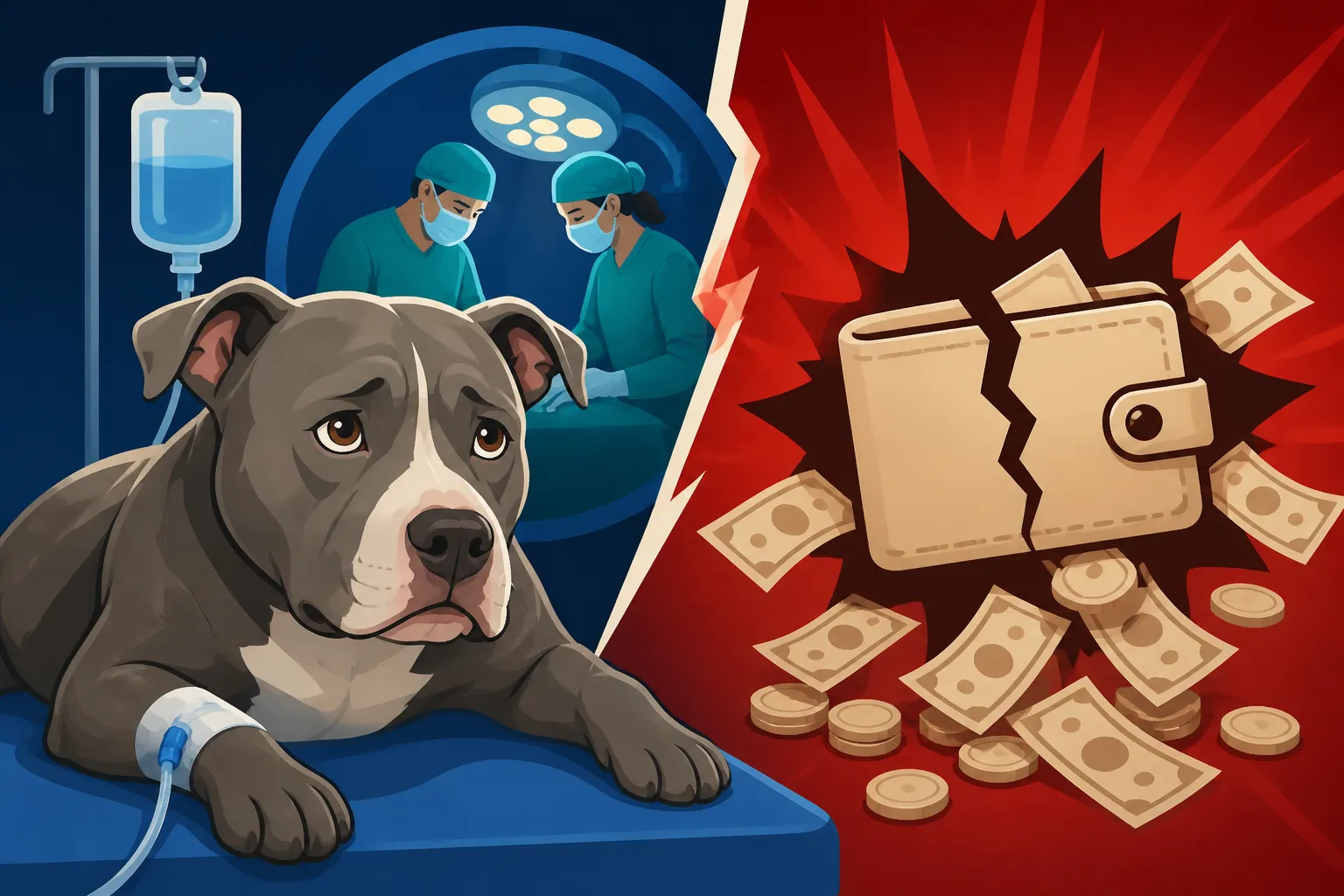
The cost of emergency bloat surgery can vary dramatically based on several factors, including your geographic location, the specific veterinary hospital (emergency clinic vs. general practice with emergency capabilities), the severity of your dog's condition, and the extent of complications. It's not just the surgery itself; a range of diagnostic, preparatory, and post-operative care components contribute to the final bill, often totaling thousands of dollars.
Initial Emergency Assessment and Stabilization
When you rush your Pit Bull to the emergency vet, the first steps involve immediate assessment and stabilization. This typically includes a physical exam, vital sign monitoring, and often X-rays to confirm the diagnosis of GDV. Blood tests will also be performed to assess organ function, hydration levels, and overall health, which helps the surgical team understand the risks involved. Intravenous fluids are administered to combat shock and maintain hydration, and pain medication is given to provide comfort. In some severe cases, a tube may be passed into the stomach to relieve pressure, or a large needle might be used to decompress the stomach from outside. These initial steps are critical to prepare your dog for surgery and can easily accumulate hundreds to over a thousand dollars before a single incision is made. The team is working against time to give your dog the best possible chance before surgery begins.
The Surgical Procedure and Anesthesia
The core of the treatment is the emergency surgery itself. This involves opening the abdomen, carefully detorsing (untwisting) the stomach, and assessing any damage to the stomach wall or other abdominal organs. Often, a gastropexy is performed at the same time. This procedure permanently attaches the stomach to the abdominal wall, significantly reducing the likelihood of future bloat recurrence. While a gastropexy does not prevent the stomach from dilating (filling with gas), it prevents the life-threatening twisting. Anesthesia for a critical patient undergoing major abdominal surgery is complex and requires constant monitoring by a dedicated veterinary technician or anesthesiologist. The cost includes the surgeon's fees, the surgical team, anesthesia, monitoring equipment, and sterile supplies. The complexity of the case, such as the degree of stomach damage, can extend surgical time and increase costs. For owners, the decision to perform a gastropexy during the emergency surgery is often a no-brainer, given the dire consequences of a potential recurrence. It's a proactive step that can save lives, making the discussion about Whether a Gastropexy Is Worth It for a Pit Bull
Post-Operative Care and Recovery
After surgery, the critical care continues. Your Pit Bull will need intensive monitoring in the recovery ward, often for several days. This includes continued IV fluids, pain management, antibiotics to prevent infection, and close observation for any complications such as cardiac arrhythmias, electrolyte imbalances, or further stomach issues. Many dogs experience a period of ileus (decreased gut motility) post-op, requiring medication to stimulate digestion. The length of hospitalization depends on your dog's recovery rate and any complications that arise. Discharges often include a specific diet plan, activity restrictions, and a course of oral medications. The emotional and physical toll on your dog, and on you, during this recovery period can be immense, and it’s a time when you want to focus on their comfort and healing without added financial stress. Therefore, thinking ahead about Aftercare Costs for a Fifty Pound Pit Bull
Here’s a general breakdown of potential costs for emergency bloat surgery:
| Cost Component | Estimated Range (USD) | Details |
|---|---|---|
| Emergency Exam & Diagnostics | $300 – $1,000 | Initial exam, X-rays, bloodwork, EKG, stabilization (IV fluids, pain meds) |
| Surgery (GDV & Gastropexy) | $2,500 – $6,000 | Surgeon fees, anesthesia, monitoring, surgical supplies, stomach tacking |
| Post-Operative Hospitalization | $800 – $2,500+ | 1-3+ days of intensive care, fluids, pain meds, antibiotics, monitoring |
| Take-Home Medications | $50 – $200 | Pain relievers, antibiotics, anti-nausea, gastric protectants |
| Follow-Up Visits/Rechecks | $100 – $300 | Wound checks, suture removal, general health check-ups |
| Specialized Diet | $50 – $150/month | Prescription or easily digestible foods for recovery |
| Total Estimated Cost | $3,800 – $10,150+ | Varies greatly with location, severity, complications, and hospital facility |
It's important to understand that these are general estimates, and individual cases can fall outside these ranges.
Managing and Mitigating the Financial Impact
The thought of such a hefty bill arriving at the worst possible time can be paralyzing. However, there are several strategies and resources available that can help Pit Bull owners manage or mitigate the financial impact of emergency bloat surgery. Proactive planning is always the best defense against unexpected veterinary costs.
The Lifeline of Pet Insurance
For many pet owners, pet insurance acts as a crucial safety net for unforeseen emergencies like bloat. Policies vary, but most comprehensive plans cover a significant percentage (e.g., 70-90%) of emergency veterinary bills after a deductible. Enrolling your Pit Bull in a reputable pet insurance plan before any health issues arise is key, as bloat would be considered a pre-existing condition if it occurs before coverage starts. Companies like Healthy Paws are well-regarded for their comprehensive accident and illness plans, and while navigating breed exclusions can be a challenge for Pit Bull owners, many insurers have become more inclusive. Checking into Pit Bull Pet Insurance and Breed Exclusions The monthly premiums are a small investment compared to a sudden $5,000+ bill. It’s important to research different providers and understand their coverage, deductibles, and reimbursement percentages to find a plan that best fits your budget and your Pit Bull's needs.
Veterinary Financing and Assistance Programs
If pet insurance isn't an option or doesn't cover the full cost, many veterinary hospitals work with third-party financing options like CareCredit. These programs offer credit cards specifically for health care expenses, often with deferred interest periods if the balance is paid within a certain timeframe. It's essentially a way to break down a large, immediate bill into manageable monthly payments. Additionally, various non-profit organizations offer financial assistance for pet owners facing emergency veterinary care. While these programs often have strict eligibility requirements and limited funds, it's always worth asking your veterinary team if they know of any local or national resources that might be able to help with Vet Credit for an Unplanned Pit Bull Surgery Don't hesitate to ask your vet for guidance on these options; they often have a wealth of knowledge on how to navigate these tough situations.
Building an Emergency Fund
Beyond insurance and financing, establishing a dedicated emergency fund for your pet is a smart and responsible approach. Even a small amount saved consistently can grow into a substantial buffer for unexpected veterinary bills. Having a few thousand dollars set aside specifically for your Pit Bull's health emergencies can provide immense peace of mind and allow you to make decisions based on what's best for your dog, rather than solely on financial constraints. Consider setting up an automatic transfer of a small amount each month into a separate savings account. This proactive step ensures you have resources ready for those critical moments, such as the emergency bloat surgery, or even other serious issues like a Cruciate Ligament Tears in a Muscular Pit Bull
Life After Bloat Surgery: Recovery and Ongoing Costs
Bringing your Pit Bull home after bloat surgery is a huge relief, but the journey isn't over. The recovery period requires careful management, and there may be ongoing considerations, both medically and financially, to ensure a full and healthy return to their normal active life.
Dietary Management and Activity Restrictions
In the immediate weeks following surgery, your Pit Bull will likely be on a restricted diet of easily digestible food, often fed in smaller, more frequent meals. Your vet may recommend specific prescription diets or advise on home-cooked options for a short period. Brands found on platforms like Chewy can be a good source for specialized veterinary diets, and services like Ollie that provide fresh, portioned meals could be beneficial for a sensitive post-operative stomach, though always consult your vet for dietary changes. The goal is to minimize gastric upset and promote healing. Along with dietary changes, activity will be severely restricted. No jumping, running, or rough play for several weeks to allow the surgical incision to heal and prevent any strain on the newly tacked stomach. This means careful leash walks for bathroom breaks only and plenty of crate rest or supervised quiet time. This careful management is crucial to prevent complications and allow for proper healing, and the choices you make about Monthly Food for a Pit Bull on a Limited Diet
Monitoring for Complications and Follow-Up Care
Even after successful surgery, close monitoring for complications is essential. Watch for any signs of lethargy, vomiting, diarrhea, lack of appetite, or discomfort at the incision site. Follow-up appointments with your veterinarian are necessary to check on the incision, remove sutures (if applicable), and ensure your Pit Bull is recovering as expected. They’ll also advise on gradually increasing activity levels and transitioning back to a normal diet. These follow-up visits are vital to catch any developing issues early and ensure a smooth recovery. While a gastropexy greatly reduces the risk of recurrence, it doesn't eliminate it completely, and continued vigilance, especially regarding eating habits, remains important for the rest of your Pit Bull's life. Sometimes, even with the best care, an older Pit Bull might start leaving its bowl due to other issues, showing how health and appetite are closely linked throughout their lives.
Long-Term Prevention and Lifestyle Adjustments
Beyond the immediate recovery, consider implementing lifestyle adjustments to further minimize the risk of bloat. This includes feeding multiple small meals throughout the day instead of one large one, using slow-feeder bowls to prevent rapid eating, and avoiding strenuous exercise immediately before or after meals. Ensuring your Pit Bull always has access to fresh water but doesn't gulp large quantities right after eating is also important. While a gastropexy significantly lowers recurrence risk, these preventative measures remain good practices for any deep-chested dog. By staying informed and proactive, you can help your Pit Bull live a long, healthy, and bloat-free life, reducing the chance of needing another emergency visit. It's a testament to our dedication as Pit Bull owners that we constantly learn and adapt to give them the best care possible, even down to understanding complex health issues that might not be obvious to the casual observer.
Disclaimer
The information provided in this article is for general informational purposes only and does not constitute veterinary advice. Always consult with a qualified veterinarian for any health concerns or before making any decisions related to your Pit Bull's health and treatment. Emergency situations require immediate professional veterinary attention.