Why a Pit Bull Chest Raises Bloat Risk
It's a gut-wrenching moment for any Pit Bull owner when you hear about bloat, or Gastric Dilatation-Volvulus (GDV). This terrifying condition can strike without warning, turning a happy, healthy dog into a critical emergency in mere hours. For us Pit Bull parents, understanding why our beloved companions might be more susceptible due to their unique physique is crucial for early detection and, ultimately, saving their lives. This guide is here to break down those risks and arm you with the knowledge to protect your furry family member.
Understanding Gastric Dilatation-Volvulus The Terrifying Reality of Bloat
Bloat, or Gastric Dilatation-Volvulus (GDV), is one of those veterinary emergencies that strikes fear into the heart of any dog owner, but especially those with deep-chested breeds like our Pit Bulls. It’s not just a stomachache; it’s a life-threatening crisis that demands immediate action. The sheer speed at which it can progress from a mild discomfort to a dire emergency is what makes it so incredibly frightening. We’re talking about a matter of hours, sometimes even minutes, where every second truly counts. The term "bloat" itself can be a bit misleading because it often sounds like simple gas or indigestion, but GDV is far more sinister.
What Exactly is GDV and Why it's a Killer
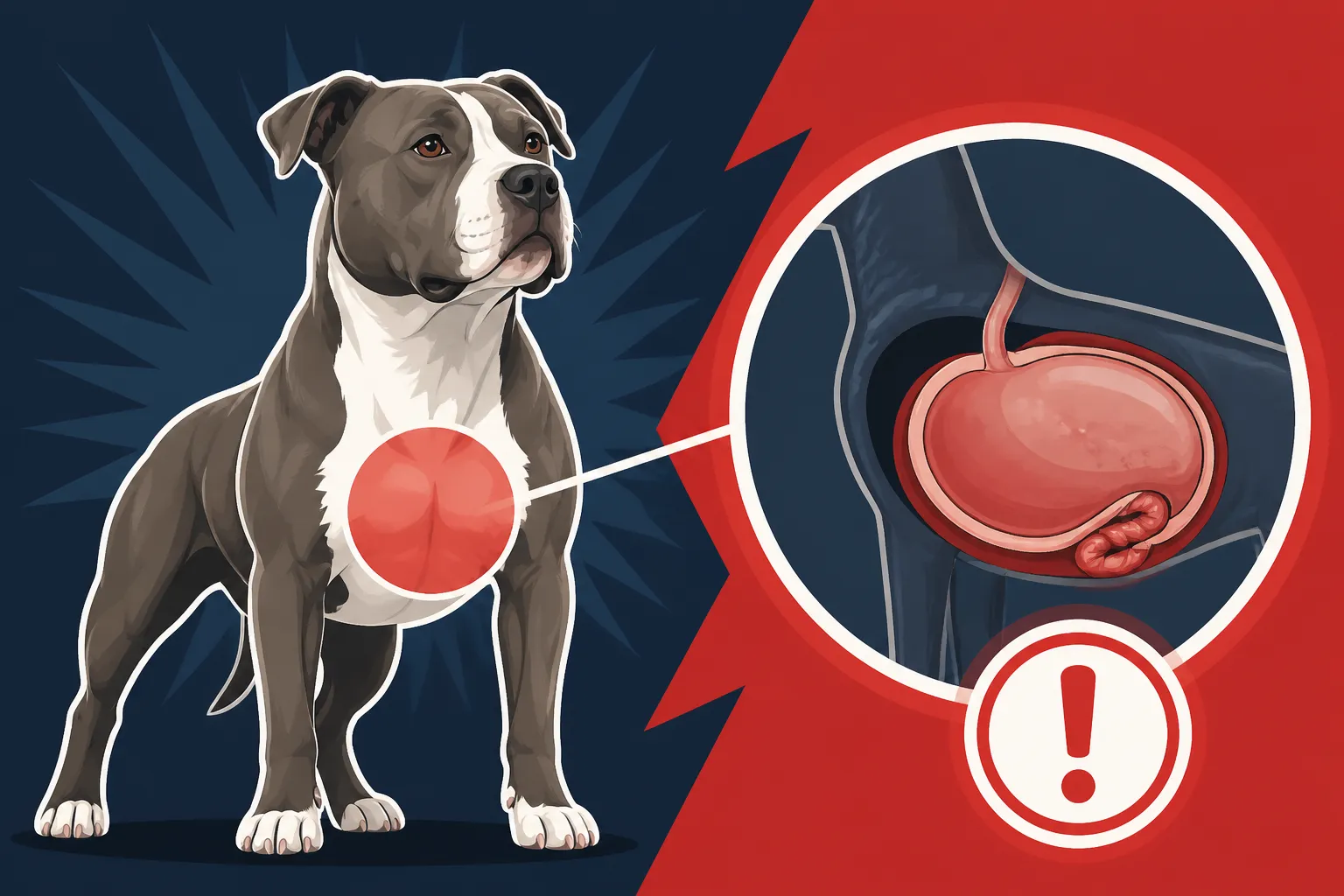
At its core, GDV involves two critical components: dilatation (the stomach fills with gas, food, or fluid and expands dramatically) and volvulus (the stomach twists on its axis, often 180 to 360 degrees). When the stomach twists, it essentially seals off both its entrance and exit. This trapping of gas and contents causes the stomach to swell further, putting immense pressure on other organs and large blood vessels. The splenic artery and vein can become trapped and twisted, cutting off blood flow to the spleen, which can lead to tissue death. Even more critically, the twisting can compress the vena cava, the major vein returning blood to the heart from the lower body. This dramatically reduces blood flow back to the heart, leading to a rapid drop in blood pressure, shock, and potentially cardiac arrest.
The pain is excruciating, and the dog goes into shock very quickly. Without blood flow, tissues start to die, toxins build up, and the body's entire system begins to shut down. It's a cascade effect that, if not surgically corrected in a very narrow window, is almost always fatal. Studies have shown that even with prompt veterinary intervention, the mortality rate for GDV can still range from 15-30%, which really underscores just how severe and dangerous this condition truly is. It's a true medical emergency that terrifies us all.
The Classic Symptoms You Absolutely Cannot Miss
Spotting GDV early is the single most important factor in a positive outcome. But here's the rub: early symptoms can be subtle and easily mistaken for general discomfort. As Pit Bull owners, we're often attuned to our dogs' stoic nature, but with bloat, you absolutely cannot afford to wait and see. The most obvious, classic symptom is a distended or swollen abdomen, especially on the left side of their body, which might feel tight like a drum. However, this often appears later in the progression.
Before the visible swelling, you might notice relentless, unproductive retching or dry heaving – they look like they’re trying to vomit, but nothing comes up, or maybe just a little foamy saliva. They might pace restlessly, seem anxious, or try to hide. Some dogs will constantly look at their side or attempt to chew at their belly. Drooling can be excessive, and their gums might become pale. As the condition worsens, they'll become weak, collapse, have rapid, shallow breathing, and their heart rate will skyrocket. If you ever see your Pit Bull exhibiting these signs, especially the unproductive retching and restlessness, don't hesitate. Pick up the phone and head straight to the emergency vet. This is one of those Emergency Signs That Cannot Wait in a Pit Bull.
The Pit Bull Physique and Bloat Risk
When we talk about bloat, certain breeds immediately come to mind: Great Danes, German Shepherds, Boxers, and yes, our beloved Pit Bulls. It’s not just a random occurrence; there’s a strong link between a dog’s physical build and their susceptibility to GDV. For Pit Bulls, with their distinct musculature and chest conformation, they fit the profile of a higher-risk breed. It’s not about blame, but about understanding the biological realities so we can be better prepared.
Deep Chests and Narrow Waists A Dangerous Combination
The primary anatomical factor increasing bloat risk is a deep, narrow chest. Think about it: a deep chest provides more space for the stomach to swing and twist within the abdominal cavity. Picture a pendulum in a tall, narrow box – it has more room to move side to side. Breeds like Pit Bulls, especially those with that classic athletic build, often possess this kind of conformation. While we admire their powerful, muscular frames, this deep chest, coupled with a relatively narrow waist compared to the chest's depth, is precisely what creates that higher risk environment for GDV. The stomach, normally anchored by ligaments, can become unstable, particularly when filled with gas or food, making it prone to rotation.
It's not just the depth, but the overall shape. If you look at a Pit Bull's profile, they often have a strong, pronounced brisket that drops significantly below their elbows, and then their abdomen tucks up neatly towards their hindquarters, creating that lean, athletic appearance. This contrast between the deep chest and the tucked-up abdomen seems to provide the perfect conditions for the stomach to shift and twist. It's a cruel irony that a trait we often associate with their strength and beauty also carries such a significant health risk.
Faster Eaters and Active Lifestyles How Behavior Contributes
Beyond anatomy, certain behaviors and lifestyle factors common in Pit Bulls can also play a significant role in increasing bloat risk. Many Pit Bulls are enthusiastic eaters, to say the least! They can gulp down their food in record time, often swallowing a lot of air along with it. This rapid ingestion of food and air can contribute to the initial gastric dilatation phase of GDV. The faster they eat, the more air they tend to swallow, and the more quickly their stomach can expand.
Furthermore, Pit Bulls are typically active, energetic dogs. While regular exercise is fantastic and crucial for their overall well-being, intense activity immediately before or after eating is another known risk factor for bloat. Imagine a full, gassy stomach being jostled around during a vigorous play session or a run at the park. This movement can increase the likelihood of the stomach twisting. We all love to see our Pit Bulls zoom around and play hard, but timing their meals and exercise correctly is a simple yet vital management step. It means no vigorous play right after breakfast or dinner, and giving them time to settle and digest before any strenuous activity. This careful timing can be an important part of avoiding something like What Takes Years Off a Pit Bull.
Recognizing the Early Warning Signs of Bloat
As we've discussed, early detection is absolutely paramount when it comes to GDV. The difference between life and death can often hinge on recognizing those subtle initial cues before the situation becomes dire. It’s about being incredibly vigilant and knowing your Pit Bull's normal behavior inside and out. Don’t dismiss small changes; they could be critical.
Subtle Changes in Behavior and Posture
Before the dramatic swelling or relentless dry heaving, there are often subtle behavioral shifts that can signal trouble. Your usually goofy, outgoing Pit Bull might suddenly become withdrawn, restless, or anxious. They might pace around the house, unable to settle, or try to find a quiet, dark spot to hide. You might notice them constantly shifting their weight, stretching, or assuming unusual positions, almost as if trying to relieve internal pressure. Some dogs will stand with an arched back or refuse to lie down comfortably.
They might stare at their flank, as if something there is bothering them, or even attempt to bite or lick at their side. Excessive drooling, lip licking, or repeatedly swallowing can also be early indicators. Their demeanor might just seem "off" – a loss of their usual spark, a refusal of treats they normally adore, or an unwillingness to engage in play. These are the moments when your gut instinct as an owner really needs to kick in. If your Pit Bull isn't acting right, and you can't pinpoint why, especially if it involves any abdominal discomfort or restlessness, think bloat.
The Progression From Bloat to Torsion
The heartbreaking reality of GDV is its rapid progression. What might start as simple gastric dilatation (just a gassy, swollen stomach) can quickly escalate to volvulus (the twist). Once the stomach twists, the clock starts ticking much faster. The pain intensifies dramatically, and the dog rapidly declines into shock.
Initially, your dog might just seem uncomfortable or gassy. They might let out small burps or even pass a little gas, giving you a false sense of security. But if the stomach then twists, these symptoms quickly morph into the more severe signs: persistent, unproductive retching; increasing abdominal distension; pale gums; rapid, shallow breathing; and signs of severe distress. They might become weak, stagger, or collapse. Their pulse might feel weak and thready, and their extremities could feel cold. This progression can be shockingly fast—from seemingly normal to critical in just an hour or two. This is why understanding Recognizing Bloat in a Deep-Chested Pit Bull is not just academic, but truly life-saving. You need to be able to distinguish between a minor upset and a full-blown emergency.
Immediate Actions When You Suspect Bloat
When you suspect your Pit Bull might be experiencing bloat, panic is a natural reaction, but it's crucial to channel that energy into swift, decisive action. This isn't a time for second-guessing or waiting to see if things improve. Every minute truly matters. Having a plan in place before an emergency strikes can make all the difference.
First Aid Steps and Emergency Vet Contact
First and foremost, do not attempt any home remedies like trying to make your dog vomit or giving antacids. These can be dangerous and waste precious time. Your only effective "first aid" step is to get your dog to an emergency veterinary hospital immediately. As soon as you see those worrying signs, such as unproductive retching, restlessness, or a distended abdomen, call your nearest emergency veterinary clinic while you are on your way.
Let them know you suspect GDV in your Pit Bull and that you are inbound. This call allows them to prepare their team and equipment for your arrival, potentially saving critical minutes once you get there. They can have an exam room ready, surgical staff on standby, and anesthesia prepared. Make sure you know the route to at least two 24-hour emergency veterinary hospitals in your area. Print out their addresses and phone numbers and keep them in a visible spot, like on your fridge or saved in your phone's favorites. This preparation is part of being ready for The Hardest Call a Pit Bull Owner Makes if the worst should happen.
Preparing for the Drive to the ER
Once you've made that critical call and are heading out the door, ensure your dog is as comfortable as possible for the journey. If they are in severe pain, they might be reluctant to move or could even snap due to discomfort. Gently help them into your vehicle. If you have a second person, one can drive while the other monitors and tries to comfort your Pit Bull.
Keep them calm and quiet. If they normally ride in a crate, but are too uncomfortable or large to get in, secure them as best as you can on the back seat or cargo area. Bring along a blanket for comfort and easy cleanup, as drooling or other bodily fluids can occur. Avoid rough handling or sudden stops that could exacerbate their discomfort or potentially worsen the stomach’s position. Focus on getting there safely and quickly. Remember, this is a race against time, and your swift action is their best chance.
Preventative Measures and Lifestyle Adjustments
While no method guarantees 100% prevention of bloat, especially in a breed genetically predisposed like the Pit Bull, there are numerous practical strategies and lifestyle adjustments we can make to significantly reduce the risk. These are proactive steps that every Pit Bull owner should seriously consider implementing into their daily routine.
Feeding Strategies to Reduce Risk
How, what, and when your Pit Bull eats can profoundly impact their bloat risk.
- Smaller, More Frequent Meals: Instead of one or two large meals a day, consider feeding two to three smaller meals. This prevents the stomach from becoming overly distended with a large volume of food at once. This is a common strategy for managing The Calorie Target for a Lean Pit Bull.
- Slow Feeder Bowls: As many Pit Bulls are fast eaters, slow feeder bowls or puzzle feeders can be invaluable. These bowls have ridges or obstacles that force your dog to eat more slowly, reducing the amount of air they swallow along with their food. Even putting a large, clean rock (too big to swallow!) in their regular bowl can achieve a similar effect.
- Elevated Bowls (Controversial): For a long time, it was believed that elevated food bowls reduced bloat risk, but some studies have actually suggested they might increase it in certain breeds. The science here isn't fully settled, but the current recommendation is generally to feed from bowls on the floor unless medically advised otherwise for conditions like megaesophagus. If you're concerned about bowl height for a broad-chested Pit Bull, discuss it with your vet.
- Avoid Vigorous Exercise Before/After Meals: This is critical. Ensure your Pit Bull has a calm, quiet period of at least an hour before and two hours after eating. No running, jumping, or intense play during these times.
- Hydration Control Around Meals: While your dog should always have access to fresh water, some vets recommend slightly limiting large gulps of water immediately before or after a meal, as excessive water intake can also contribute to stomach distension.
- Diet Quality: While specific diet types haven't been definitively linked to increased or decreased bloat risk (other than avoiding extremely fermentable ingredients), feeding a high-quality, easily digestible diet can generally promote better gut health. If you feed a Monthly Food for a Pit Bull on a Limited Diet for allergies, ensure it's still good quality.
The Role of Prophylactic Gastropexy
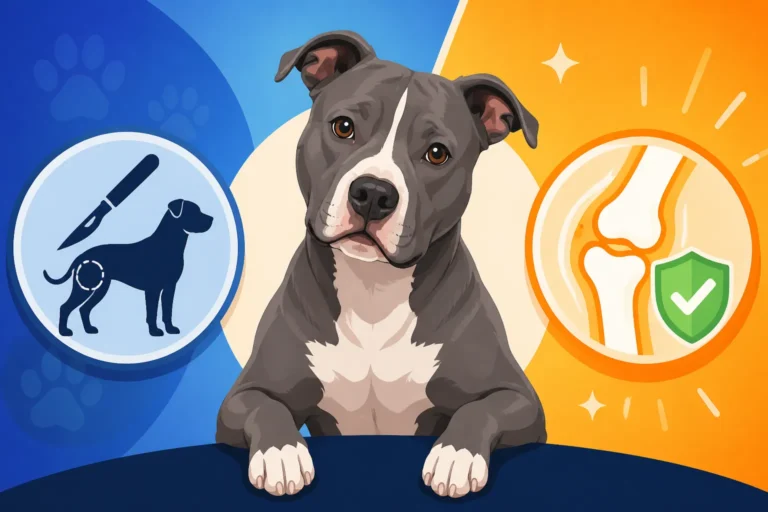
For high-risk breeds like Pit Bulls, one of the most effective preventative measures is a prophylactic gastropexy. This is a surgical procedure where the stomach is permanently tacked or sewn to the abdominal wall, preventing it from twisting. It doesn't prevent the stomach from dilating (bloating with gas), but it does prevent the much more dangerous volvulus (the twist), which is the fatal component of GDV.
A prophylactic gastropexy is often performed at the same time as spaying or neutering, especially in younger dogs, as the dog is already under anesthesia. It can also be done minimally invasively using laparoscopy, which involves smaller incisions and a faster recovery. While it is surgery and carries associated risks, for breeds at significant risk of bloat, many veterinarians and owners consider it a worthwhile and potentially life-saving procedure. Discussing Whether a Gastropexy Is Worth It for a Pit Bull with your veterinarian is highly recommended, especially if you have a young Pit Bull. It's a big decision, but it offers immense peace of mind.
Managing Anxiety and Being Prepared
Living with a Pit Bull, or any deep-chested breed, means carrying a certain level of awareness about bloat. It's an unspoken anxiety for many, but being prepared, both emotionally and financially, can significantly alleviate that burden and empower you to act decisively if the worst happens.
The Emotional Toll on Pit Bull Owners
The thought of your dog suffering from bloat is terrifying. The stories are often sudden, brutal, and heartbreaking. Many Pit Bull owners live with a quiet dread, constantly monitoring their dog for any subtle signs, especially after meals. This vigilance can be exhausting and emotionally taxing. It's important to acknowledge these feelings and not dismiss them. It's a genuine concern born from a deep love for our pets.
Sharing experiences with other Pit Bull owners, joining breed-specific online communities, or talking to your vet can provide support and perspective. Knowing that you've taken all reasonable preventative measures, such as adjusting feeding habits and potentially opting for a gastropexy, can offer a significant degree of comfort. Remember, you're doing everything you can to protect your furry family member. Knowledge is power, and being well-informed helps manage that anxiety by turning helplessness into preparedness.
Financial Preparedness for a Bloat Emergency
Bloat surgery is an emergency procedure, often performed outside of regular veterinary hours, and it's incredibly complex. The costs associated with diagnosing, stabilizing, operating on, and providing post-operative care for a dog with GDV can be substantial, often ranging from several thousand dollars to upwards of $7,000 to $10,000 or more, depending on your location and the specific complications. This is why understanding What Emergency Bloat Surgery Costs a Pit Bull Owner is so important before an emergency.
This is where pet insurance can be a lifesaver. Many owners find that a good pet insurance policy provides invaluable peace of mind for unexpected emergencies like bloat. Companies like Healthy Paws offer coverage for accidents and illnesses, which would typically include emergency bloat surgery. Having a policy in place means that if bloat strikes, your primary focus can be on your dog's health, rather than the daunting financial burden.
| Risk Factor | Pit Bull Relevance | Prevention/Mitigation Strategy |
|---|---|---|
| Deep Chest, Narrow Waist | Common anatomical trait in athletic Pit Bulls, providing space for stomach torsion. | Consider prophylactic gastropexy, especially during spay/neuter. |
| Rapid Eating | Many Pit Bulls are enthusiastic eaters, gulping food and air. | Use slow feeder bowls, feed smaller, more frequent meals. |
| Vigorous Exercise After Eating | Active breed; high energy can cause stomach jostling. | Enforce a 1-2 hour calm period before/after meals. |
| Anxiety/Stress | Can contribute to digestive upset and potentially bloat. | Maintain a consistent routine, provide a calm eating environment. |
| Advanced Age | Older dogs can have a slightly increased risk. | Continue vigilance and preventative measures throughout their life, regular vet checks. |
| Genetics/Family History | Bloat can have a hereditary component. | Inquire about family history if getting a puppy from a breeder. |
If pet insurance isn't an option, consider setting up an emergency fund specifically for your dog's veterinary care. Even saving a small amount each month can add up over time and provide a crucial buffer. There are also veterinary credit options, like CareCredit, which can help manage unexpected medical expenses. Being financially prepared helps ensure that when bloat strikes, you can say "yes" to whatever treatment your Pit Bull needs without added stress.
Disclaimer
This article is intended for informational purposes only and does not constitute medical advice. Always consult with a qualified veterinarian for any health concerns or before making any decisions about your Pit Bull's care or treatment.