Aftercare Costs for a Fifty Pound Pit Bull
You've just been through the emotional wringer of a vet emergency or a complex surgery for your beloved 50-pound Pit Bull. The relief that the procedure is over is immense, but then the next wave hits: the sheer cost of the aftercare. It’s easy to focus on the big surgery bill itself, but the recovery journey often piles on unexpected expenses that can quickly add up, leaving many owners feeling overwhelmed and unprepared. This guide is here to walk you through the often-overlooked aftercare costs you might face, helping you plan for a smoother, less stressful recovery for your strong companion.
Understanding the Initial Financial Shock of Vet Bills
When your Pit Bull needs significant veterinary attention, whether it's an emergency like a nasty cut requiring stitches or a planned orthopedic procedure, the initial bill is always a jolt. But what many owners don't realize is that the "sticker price" for the surgery or primary treatment is just the beginning. The real financial commitment often unfolds in the days, weeks, and even months that follow. It’s a common frustration to think you’ve paid the big one, only to find a steady stream of smaller, yet cumulatively significant, costs hitting your wallet.
Beyond the Surgery Sticker Price
That hefty invoice for the surgery itself, say for a Cruciate Ligament Tears in a Muscular Pit Bull repair or a procedure to fix a broken bone, typically covers the operating room time, the surgeon's fee, anesthesia, and maybe a night or two of immediate post-operative boarding. However, it rarely includes everything that's truly necessary for a successful recovery. Think about it: a 50-pound Pit Bull is a powerful animal, and their recovery often demands more than just basic care. If your dog had an unforeseen complication during surgery, like an extended time under anesthesia or additional diagnostics needed, those immediate costs might have already exceeded your initial estimate.
Moreover, the initial quote often doesn't factor in the supplies you'll need the moment your dog comes home. You might be handed a cone of shame (Elizabethan collar), which, let's be honest, few dogs truly tolerate gracefully, especially a robust Pit Bull. You might also need specific bandages, sterile wipes, or even special wound care solutions that are dispensed right at the vet's office. These items, while seemingly small, are often marked up and add to that initial shock. It’s the constant drip-drip of these unexpected additions that can really take a toll on your budget and your peace of mind.
The Immediate Post-Op Period
The first few days after your Pit Bull returns home are critical, and they come with their own set of costs. Your vet will likely send you home with a cocktail of medications designed to manage pain, reduce inflammation, and prevent infection. This might include powerful prescription painkillers, antibiotics, and anti-inflammatories. These aren't cheap, and the dosage for a 50-pound dog means you'll go through them faster than you might expect. For example, a full course of Rimadyl or Gabapentin for a large dog can easily run you over $100 for a week or two's supply.
Then there's the cost of recheck appointments. Your vet will want to see your Pit Bull back within a few days to a week to check the incision site, assess pain levels, and ensure there are no immediate complications. These visits incur consultation fees, and if any issues arise, like swelling, redness, or your Pit Bull trying to chew at stitches, you might need additional medications or even a secondary procedure. Many owners focus so much on the initial big bill that they forget these crucial follow-up visits are also distinct charges, essential for monitoring your dog's progress and catching problems early.
Long-Term Recovery and Rehabilitation Expenses
The journey back to full health for a 50-pound Pit Bull after a significant surgery or injury is rarely a straight line. It’s a marathon, not a sprint, and the financial commitment often extends well beyond the immediate post-operative period. Thinking about a Pit Bull's natural strength and athleticism, proper rehabilitation isn't just a nicety; it's often a necessity to prevent re-injury and ensure they regain their full mobility.
Physical Therapy and Follow-Up Visits
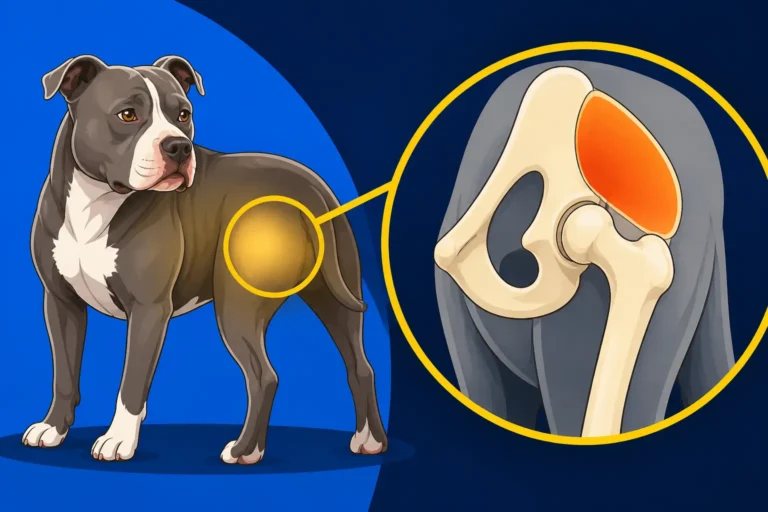
For many conditions, especially orthopedic ones like a broken leg or Pit Bull Hip Dysplasia Showing at One to Two Years, physical therapy is highly recommended, if not mandatory. This isn't just about walks; it involves specialized exercises, hydrotherapy (underwater treadmill), massage, and sometimes even laser therapy to reduce pain and promote healing. A single session of canine physical therapy can range from $50 to $150, and your Pit Bull might need multiple sessions a week for several months. Imagine the cost if your Pit Bull needs six months of bi-weekly therapy! These are specialized services often provided by certified canine rehabilitation therapists, adding another layer of expertise and cost.
Beyond formal physical therapy, there will be ongoing veterinary check-ups to monitor your Pit Bull's long-term progress. These might transition from weekly to monthly, then to quarterly, but each visit still carries a consultation fee. Your vet needs to assess range of motion, muscle atrophy, and overall comfort, adjusting medication or rehab protocols as needed. It’s important to factor in these recurring visits and any diagnostics, like X-rays, that might be required to ensure bone healing or joint stability, especially with a breed as prone to strong physical activity as a Pit Bull.
Specialized Diet and Supplementation
Recovery isn't just about medication and movement; nutrition plays a crucial role. For a 50-pound Pit Bull, a veterinarian might recommend a specialized diet to support healing, manage weight (crucial for joint health during recovery), or address any new sensitivities that might arise. These could be prescription diets formulated for joint support, weight management, or even hypoallergenic options if stress or medication triggers a skin flare. Brands like Purina Pro Plan Veterinary Diets or Royal Canin Veterinary Diet offer excellent prescription options, but they come at a premium. A large bag can be significantly more expensive than your usual kibble, and you might be feeding it for months.
Beyond prescription foods, many owners opt for supplements to aid recovery. This often includes omega-3 fatty acids for anti-inflammatory benefits, glucosamine and chondroitin for joint support, or probiotics to help settle a stomach disrupted by antibiotics. While reputable brands like Nutramax's Dasuquin or Cosequin are widely trusted, even generic options add to the monthly bill. If you're looking into fresh food options like Ollie for better nutrient absorption, remember that while beneficial, they also represent a higher ongoing food cost compared to traditional kibble. It's a balance between providing the best for your recovering Pit Bull and managing your budget.
Home Care Adjustments and Essential Supplies
Bringing a recovering 50-pound Pit Bull home isn't just about managing pain and scheduling vet visits; it often requires a complete overhaul of their living environment to ensure safety, comfort, and compliance with recovery instructions. This is especially true for a dog with their strength and tendency to move quickly. You can't just expect them to understand and adhere to strict rest commands without a little help from their surroundings.
Creating a Comfortable Recovery Space
First and foremost, your Pit Bull will need a comfortable, safe, and easily accessible recovery zone. This often means investing in specialized bedding. A premium orthopedic bed, especially one designed to support a larger, heavier dog like a 50-pound Pit Bull, can cost anywhere from $100 to $300 or more. These beds provide crucial support for aching joints and pressure points, preventing bedsores and promoting deeper, more restful sleep. You might also need non-slip rugs or runners, particularly if you have hardwood or tile floors, to prevent slips and falls that could re-injure your dog. Imagine a Pit Bull struggling to get up on a slick floor after leg surgery; these simple additions can make a world of difference.
Furthermore, depending on the injury, you might need ramps to help your Pit Bull get into and out of the car, or onto a sofa without jumping. A sturdy, durable ramp for a 50-pound dog can be $50 to $150. If their mobility is severely limited, even something as simple as elevated food and water bowls can make mealtime more comfortable, preventing strain on their neck and joints. Sometimes, owners even need to set up baby gates to restrict access to stairs or certain areas of the house, adding another $30-$50 per gate to the list of necessary home modifications. These are practical, everyday items that you might not even consider until you’re suddenly faced with a recovering dog who can’t navigate their usual environment.
Medication Management and Refills
While we touched on immediate post-op medications, the reality is that many Pit Bulls, especially after significant orthopedic surgery or for chronic conditions, require long-term medication management. This means regular refills of pain relievers, anti-inflammatories, or even nerve pain medications for weeks or months. These costs add up rapidly. For example, if your 50-pound Pit Bull needs an NSAID like Galliprant daily for three months, that’s three separate prescriptions, each potentially costing $60-$100. Over time, this becomes a substantial recurring expense.
Beyond the cost of the drugs themselves, you might also need specialized pill pockets or treats to ensure your clever Pit Bull takes their medication. These aren't just extra treats; they're vital tools for compliance. Many Pit Bulls are adept at spitting out pills, making these an essential (and often recurring) purchase. You might find yourself ordering refills frequently, and reliable online pharmacies or pet supply stores like Chewy can be a godsend for convenience and sometimes better pricing on these ongoing prescriptions and supplies, but the cost still applies. Maintaining a consistent medication schedule is paramount for healing and comfort, but it does come with a continuous financial outlay.
The Role of Pet Insurance in Managing Aftercare
The thought of unpredictable veterinary costs, especially for aftercare, is enough to make any Pit Bull owner anxious. This is where pet insurance can truly shine, acting as a financial safety net against the unexpected. For a breed like a Pit Bull, which can be prone to certain conditions or injuries given their active nature and muscular build, having a robust insurance policy in place can be a game-changer.
How Insurance Reimbursement Works
Pet insurance generally works on a reimbursement model. You pay your vet bill upfront, then submit a claim to your insurance provider, who will reimburse you a percentage of the covered costs, minus your deductible. For aftercare, this means if your Pit Bull needs extensive physical therapy, specialized prescription food, or ongoing medication refills, a good policy could cover a significant portion. Most policies offer 70%, 80%, or even 90% reimbursement options. For example, if you have a $500 deductible and an 80% reimbursement rate, and your Pit Bull's aftercare costs total $2000, after meeting your deductible, the insurance could cover $1200 of the remaining $1500. This significantly lessens the financial burden, allowing you to focus on your Pit Bull's recovery rather than worrying about every single bill.
When comparing providers, look closely at what's covered under "aftercare." Some policies are more comprehensive than others. You want one that specifically includes things like rehabilitation, prescription medications, therapeutic diets (if prescribed by a vet), and ongoing diagnostic tests. Reputable insurers like Healthy Paws are known for their comprehensive coverage, often including alternative therapies and rehabilitation, which are huge for Pit Bull recoveries. Understanding the details of your policy before an incident occurs is crucial, so you know exactly what to expect when you need it most.
Pre-existing Conditions and Policy Limitations
One of the most critical aspects of pet insurance to understand is the concept of pre-existing conditions. If your Pit Bull develops an illness or injury before you enroll in a policy or during the waiting period, that condition and its related aftercare will likely not be covered. This is why it’s always recommended to enroll your Pit Bull in pet insurance as early as possible, ideally when they are a puppy, before any health issues arise. For example, if your Pit Bull already showed signs of Pit Bull Hip Dysplasia Showing at One to Two Years before you got coverage, the expensive hip replacement surgery and subsequent physical therapy would probably be excluded.
Furthermore, policies often have annual limits, per-incident limits, or specific exclusions. Some policies might have a maximum payout for a single condition or over the dog's lifetime. While breed-specific exclusions are less common now, it's always wise to check if there are any limitations related to large, muscular breeds or certain conditions common in Pit Bulls. Make sure you understand waiting periods too – the time after enrollment before coverage kicks in, which can vary from a few days for accidents to several weeks or even months for orthopedic conditions. Being thoroughly familiar with your policy's terms is the best way to avoid disappointment when you need to make a claim for those significant aftercare costs.
Budgeting and Financial Planning for Unexpected Aftercare
The reality of Pit Bull ownership, especially for a powerful and active 50-pound dog, is that unexpected veterinary needs are almost inevitable. Whether it's an accident, a sudden illness, or a chronic condition that surfaces, the aftercare costs can be daunting. Proactive financial planning isn't just a good idea; it's a vital component of responsible pet ownership, allowing you to provide the best care without undue stress.
Setting Aside an Emergency Fund
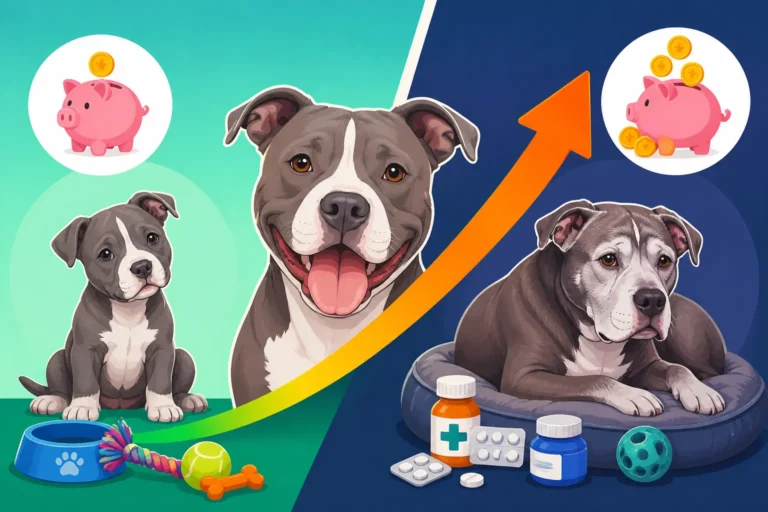
One of the most practical and stress-reducing steps you can take is to establish a dedicated emergency fund specifically for your Pit Bull's health needs. Aim to have at least $1,000 to $3,000 readily accessible for unforeseen veterinary bills. For a 50-pound Pit Bull, especially considering their potential for injuries or chronic conditions like Pit Bull Skin Allergies and the Atopy Pattern, having a solid cushion is invaluable. This fund can cover your deductible if you have insurance, or absorb the entire cost of smaller emergencies and all the associated aftercare without dipping into your personal savings or going into debt.
Think of it this way: instead of panicking when your Pit Bull needs urgent attention and a lengthy recovery, you can calmly focus on their well-being, knowing you have the financial means to provide the necessary aftercare. Many owners find setting up an automatic transfer of a small amount each paycheck into a separate savings account helps build this fund consistently without feeling like a huge sacrifice. Even $25-$50 a week adds up quickly, creating that vital buffer for those inevitable moments when your active companion needs more than just a regular check-up.
Exploring Payment Plans and Financial Aid
Even with the best planning, sometimes life throws a curveball, and aftercare costs exceed what you've saved or what insurance covers. In these situations, it’s important to know your options. Many veterinary clinics offer their own in-house payment plans, allowing you to spread out the cost of large bills over several months. It never hurts to ask your vet about this possibility. Alternatively, services like CareCredit or Scratchpay function like credit cards specifically for health expenses, offering deferred interest periods if you pay off the balance within a certain timeframe. While these are credit options, they can provide immediate financial relief during a crisis.
Beyond these, there are numerous non-profit organizations and charities dedicated to helping pet owners with veterinary expenses. These organizations often have specific criteria based on income, location, or the type of condition. For Pit Bulls, there are even breed-specific rescue groups and advocacy organizations that sometimes offer financial assistance or can point you towards resources. Don't be afraid to research these options; they exist precisely for situations where dedicated owners want to provide aftercare but face significant financial hurdles. Never let financial worries prevent you from seeking critical care for your beloved Pit Bull; always explore every avenue.
Table: Estimated Aftercare Costs for a 50-Pound Pit Bull
Here's a generalized look at potential aftercare costs for a 50-pound Pit Bull, depending on the severity and type of condition. These are estimates and can vary widely by region, veterinary clinic, and individual dog needs.
| Aftercare Category | Common Scenario | Estimated Low Cost (per incident/month) | Estimated High Cost (per incident/month) | Notes |
|---|---|---|---|---|
| Immediate Post-Op Meds | Pain relievers, antibiotics, anti-inflammatories | $50 | $250 | Varies by medication type, dosage, and duration. |
| Follow-up Vet Visits | Incision checks, progress reports | $40 (per visit) | $100 (per visit) | Typically 2-4 visits needed for major surgery. |
| Physical Rehabilitation | Hydrotherapy, laser, exercises | $50 (per session) | $150 (per session) | Many dogs need 2-3 sessions/week for several months. |
| Specialized Diet | Prescription joint or weight management food | $70 (per bag/month) | $150 (per bag/month) | Depending on brand, size, and duration. |
| Supplements | Joint support, Omega-3s, probiotics | $20 (per month) | $60 (per month) | Quality and dosage dictate price. |
| Orthopedic Bedding | High-support, durable bed | $100 | $300 | One-time purchase, but crucial for comfort. |
| Mobility Aids | Ramps, harnesses, slings | $50 | $150 | One-time purchase, varies by need. |
| Long-Term Medication Refills | Chronic pain, allergy meds | $60 (per month) | $200 (per month) | Can be ongoing for life; e.g., Apoquel and Cytopoint for an Itchy Pit Bull. |
| Specialized Bandages/Wound Care | Sterile pads, wraps, E-collars | $30 | $100 | As needed for wound management. |
Please remember these are general estimates and your actual costs may vary.
Final Thoughts on Aftercare for Your Pit Bull
Navigating the financial landscape of aftercare for your 50-pound Pit Bull can feel like a labyrinth, especially when you're already emotionally drained from seeing your beloved companion in distress. But understanding these potential costs upfront, from the immediate medication needs and follow-up visits to the longer-term rehabilitation and home adjustments, empowers you to plan more effectively. Whether it's setting up a dedicated savings account, carefully researching pet insurance options before they're needed, or exploring financial aid resources, being prepared makes a world of difference. Your Pit Bull relies on you for their health and comfort, and by anticipating these aftercare expenses, you ensure they get the best possible chance at a full and happy recovery without adding undue stress to your own life. Knowing these costs also reinforces the importance of regular preventative care, which can sometimes head off more expensive issues down the line, whether it's understanding Pit Bull Ear Infections and What Drives Them or maintaining a lean Pit Bull Weight and Muscle on a Working Frame.
Disclaimer
Please note that the information provided in this article is for general informational purposes only and does not constitute professional veterinary advice. Always consult with a qualified veterinarian for any health concerns or before making any decisions related to your Pit Bull's medical care or financial planning. Costs are estimates and can vary significantly.