Hotels That Restrict Pit Bulls
Planning a trip should be exciting, but for Pit Bull owners, the joy can quickly turn into a headache when you start looking for hotels. It’s incredibly frustrating to find a perfect spot, only to discover a blanket "no Pit Bulls" policy or vague "breed restrictions" buried in the fine print. This guide is here to help you navigate the tricky landscape of pet-friendly accommodations, uncover why these restrictions exist, and equip you with the strategies to find a welcoming place for you and your beloved companion.
Understanding Why Hotels Restrict Pit Bulls
It’s easy to feel personally targeted when you encounter a "no Pit Bull" rule, and believe me, that feeling is completely valid. You know your dog is a loving, well-behaved member of your family, so why do so many establishments seem to lump them into a category of unwanted guests? The reality is often a complicated mix of factors, most of which have little to do with your individual dog's temperament.
The Influence of Breed Stereotypes and Misinformation
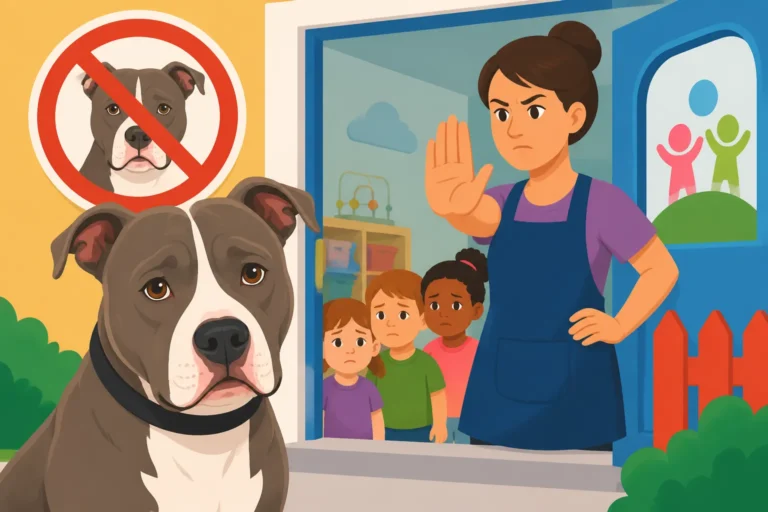
Let's be honest, Pit Bulls, as a type of dog, have an image problem, thanks in large part to sensationalized media coverage and historical misunderstandings. Despite countless stories of their loyalty, affection, and suitability as family companions, the negative stereotypes persist. Many hotel chains, particularly larger ones that cater to a wide audience, operate under a general perception of what a "Pit Bull" entails, often fueled by fear rather than factual data or individual dog behavior. They might assume all dogs identified as Pit Bulls are inherently aggressive, destructive, or pose a higher risk than other breeds. It’s a disheartening generalization that penalizes well-behaved dogs and responsible owners.
Consider a scenario where a hotel guest, perhaps influenced by these stereotypes, sees a Pit Bull in the lobby and immediately feels uneasy, even if the dog is calmly sitting by its owner. The hotel, in an effort to avoid potential complaints or perceived disruptions to other guests' experiences, might default to a blanket ban rather than evaluating individual dogs. This approach, while frustrating, is often rooted in a desire to manage guest perceptions and maintain a certain "atmosphere," however unfair it might be.
Insurance Liabilities and Corporate Policies
One of the biggest, though often unspoken, reasons behind breed restrictions in hotels is insurance. Many commercial property insurance policies, especially for large chains, include clauses or higher premiums for properties that allow certain breeds deemed "high-risk." Pit Bulls frequently land on these lists, not necessarily due to a verifiable increase in incidents at hotels, but because of broad underwriting policies that consider breed-specific statistics from other contexts. If a hotel's insurer states they won't cover incidents involving a "restricted breed," the hotel management often has little choice but to enforce a ban to protect themselves financially.
These corporate-level decisions trickle down to individual hotel locations, often leaving local managers with no discretion, even if they personally love dogs. An independent hotel might have more flexibility to make their own choices, but a franchisee of a major brand is usually bound by corporate rules that are designed to minimize risk across hundreds or thousands of properties. This means that even if the particular hotel manager would happily welcome your dog, their hands are tied by policies that originate far above their pay grade. This is also why you'll often see similar restrictions across different brands owned by the same larger hospitality group.
Past Incidents and Perceived Damages
While it's unfair, sometimes a hotel's decision to restrict Pit Bulls can stem from isolated incidents, or even just the perception of potential issues. Perhaps a dog (not necessarily a Pit Bull) caused significant damage to a room, or there was a noise complaint that led to a pet policy review. In the aftermath, rather than refining their pet policy to address behavior, some hotels might implement stricter rules based on breed, believing it will prevent future problems. They might reason that certain breeds are perceived as more powerful or destructive, even if individual dogs of those breeds are angels.
It's also about managing perceived mess and hygiene. A hotel needs to maintain high standards of cleanliness, and some might assume that larger or more energetic breeds will be harder to manage, leading to more shedding, dirt, or potential accidents in rooms. This is often an unfounded assumption for most well-trained house pets, but it contributes to the overall reluctance to welcome certain dogs. For a helpful look at how to maintain your dog's hygiene, you might check out our guide on Pit Bull Coat and Skin Care Week to Week.
Identifying Pet-Friendly Hotels That Welcome Pit Bulls
Don't despair! While navigating hotel restrictions can be a hassle, it's certainly not impossible to find welcoming accommodations for you and your Pit Bull. The key is to be proactive, thorough, and understand that "pet-friendly" isn't always a one-size-fits-all definition.
Beyond the "Pet-Friendly" Label: Digging Deeper
Many hotels proudly advertise themselves as "pet-friendly," but this term can be misleading for Pit Bull owners. Often, "pet-friendly" simply means they accept dogs, but then they'll have unspoken or lightly-hidden breed, size, or weight restrictions. You might find a hotel that says "dogs welcome!" but then when you call, they cap the weight at 25 pounds, immediately ruling out most adult Pit Bulls. This is where your detective skills come into play.
When you're searching online, use filters on booking sites for "pet-friendly" but always assume you'll need to follow up directly with the hotel. Don't rely solely on the website's generic pet policy. Those policies often state "call for details" for a reason. Instead, use these sites as a starting point to generate a list of potentials, then shift to direct communication. Many owners find success with extended-stay hotels or smaller, independent boutique hotels that have more autonomy in their policies. These often have managers who are more willing to consider your dog on a case-by-case basis, rather than adhering to rigid corporate mandates.
Researching Hotel Chains Known for Better Policies
While specific policies can change, some hotel brands have historically been more welcoming to a wider range of breeds and sizes than others. Brands that cater to longer stays or are known for a more relaxed atmosphere often fall into this category. It's not a guarantee, but focusing your initial search on these types of establishments can save you a lot of time and frustration. When you're looking for these places, keep an eye out for mentions of "no breed restrictions" or "all sizes welcome" in their general pet policies. However, even with these, a direct call is always the safest bet.
You might also find that specific locations within a chain vary. A franchise owner in one city might have a more relaxed stance or different local insurance, while another in a different state might enforce stricter rules. This variance means that even if a chain generally has a good reputation, it’s still crucial to confirm with the specific hotel you plan to book. Websites that compile pet-friendly travel guides or reviews from other dog owners can be invaluable resources here, as they often share firsthand experiences about which hotels truly welcome all dogs, and not just the small fluffy ones.
Leveraging Pet Travel Websites and Community Forums
The internet is a powerful tool for Pit Bull owners on the go. Dedicated pet travel websites and forums specific to Pit Bull owners are treasure troves of information. These platforms allow owners to share their experiences, recommendations, and even warnings about particular hotels or regions. A hotel that someone else successfully booked with their Pit Bull last month is a much stronger lead than a generic "pet-friendly" listing.
These communities often provide insider tips, like which staff members to talk to, what information to highlight about your dog (e.g., Canine Good Citizen certification), or how to frame your request. Searching these forums for your specific destination can uncover hidden gems – independent motels, charming inns, or even specific chain locations that are known to be particularly accommodating. Don't underestimate the power of shared experience from fellow Pit Bull enthusiasts.
Navigating Hotel Policies and Making Reservations
Once you have a list of potential hotels, the real work begins: securing your reservation. This step requires honesty, clear communication, and sometimes a bit of gentle persuasion.
The Importance of Calling Ahead and Being Transparent
This is arguably the most critical step. Never assume that because a hotel website says "pet-friendly" or you found a good review online, your Pit Bull will be automatically accepted. Always, always call the specific hotel location directly. Speak to someone at the front desk or, ideally, a manager. When you call, be completely transparent about your dog:
- State the breed: Don't try to hide it or use ambiguous terms. Say clearly, "I have a Pit Bull type dog." If you have a DNA test that identifies your dog as a mix of breeds, you can mention that. For more on this, consider our post on Which DNA Panel Tells You If It Is a Pit Bull.
- Describe your dog's temperament: Briefly and positively describe your dog's behavior. "He's very quiet," "She loves people but keeps to herself," "He's crate-trained and will stay in his crate when we're out."
- Mention training: If your dog has any certifications, like a Canine Good Citizen (CGC) title, absolutely mention it. This shows you are a responsible owner who has invested in your dog's manners. Find out more about Canine Good Citizen and Why It Matters for a Pit Bull.
- Ask about all fees and rules: Clarify the pet fee structure (per night, per stay), any weight limits, and specific rules (e.g., must be leashed in common areas, cannot be left unattended in the room unless crated).
Being upfront prevents misunderstandings later and shows you are a responsible guest. If a hotel manager hears you being honest and confident about your well-trained dog, they are much more likely to be accommodating than if they feel you are trying to sneak your dog in.
Understanding and Discussing Pet Fees and Deposits
Hotels often charge pet fees, and these can vary wildly. Some charge a flat fee per stay, others per night, and some may even require a refundable deposit. It's crucial to understand these costs upfront so there are no surprises when you check in or out. While you want to find an accepting hotel, you also don't want to break the bank.
Here's a breakdown of what to clarify:
| Fee Type | Description | Key Questions to Ask |
|---|---|---|
| Flat Fee | A single charge applied once per stay, regardless of duration. | "Is there a flat pet fee for the entire stay?" "Is this fee non-refundable?" |
| Per Night Fee | A charge applied for each night your pet stays with you. This can add up quickly on longer trips. | "What is the pet fee per night?" "Is there a maximum cap on this fee for longer stays?" |
| Refundable Deposit | An amount charged upfront, held by the hotel, and refunded to you after check-out, provided there's no damage. | "Is a refundable pet deposit required?" "What is the amount, and how long does it typically take to be refunded after a damage-free check-out?" "What constitutes 'damage'?" |
| Cleaning Fee | Sometimes included in the above, or a separate charge to cover extra cleaning required after a pet's stay. | "Are there any additional cleaning fees beyond the stated pet fee/deposit?" |
Don't be afraid to ask for clarity on these points. A good experience for you and your Pit Bull means transparency on all fronts, including the financial one. If you have pet insurance, sometimes aspects of travel-related pet care might be covered under specific plans, though this is rare for accommodation fees themselves. Companies like Healthy Paws focus on unexpected vet bills, which is fantastic for general health, but usually won't help with your pet deposit!
Preparing for Your Stay: Documentation and Training
Once you've secured a reservation, it's time to prepare. Beyond packing your own suitcase, you'll need to get everything ready for your Pit Bull.
- Veterinary Records: Always travel with a copy of your Pit Bull's up-to-date vaccination records and a clean bill of health from your vet. Some hotels might request to see these, especially if they have any lingering reservations about breed. Having them readily available demonstrates responsibility.
- Training Certifications: If your Pit Bull has passed a Canine Good Citizen test or similar obedience certification, bring a copy of that certificate. This provides tangible proof of your dog's training and good manners.
- Crate Training: Even if your dog has free roam at home, a crate is invaluable for hotel stays. It provides a safe, familiar den for your dog, protects hotel property if you need to leave them briefly (only do this if the hotel explicitly allows it and your dog is calm when alone), and reinforces good behavior. For guidance on getting your dog to love their crate, check out Getting a Pit Bull to Choose Its Crate.
- Essentials: Pack all your dog's regular food (consider options from Chewy for easy bulk ordering or even travel-sized portions), bowls, medications, favorite toys, a comfortable bed, and plenty of waste bags. Maintaining their routine as much as possible will help them adjust to the new environment. If your Pit Bull is on a special diet, like a fresh food plan, you might explore services like Ollie that can sometimes deliver pre-portioned meals, ensuring consistency even on the road.
Remember, your goal is to make your Pit Bull the best-behaved guest they've ever hosted, proving that breed stereotypes are just that – stereotypes.
Alternatives to Traditional Hotels for Traveling with Your Pit Bull
Sometimes, despite your best efforts, a traditional hotel simply won't work out. Perhaps you're going to a particularly restrictive area, or you prefer a different kind of accommodation altogether. Thankfully, there are many excellent alternatives that can offer a more relaxed and welcoming environment for you and your Pit Bull.
Vacation Rentals and Private Homes
Platforms like Airbnb and VRBO have revolutionized travel for pet owners. These services allow you to rent entire homes, apartments, or cabins, many of which are explicitly pet-friendly, often with far fewer breed restrictions than hotels. The benefits are huge:
- More Space: Your Pit Bull will likely have more room to stretch out, reducing stress for both of you. Many rentals even have fenced yards, which is a massive bonus for exercise and potty breaks.
- Fewer Rules: While pet fees still apply, individual owners tend to be more understanding about specific breeds, focusing more on responsible pet ownership than blanket bans. You often have direct communication with the owner, allowing you to explain your dog's good behavior.
- Home-like Environment: A more familiar, quiet environment can be much less stressful for a dog than a busy hotel corridor with strange noises and smells. This can be especially important for dogs with high prey drive or those that are Pit Bull Dog Selectivity and Multi-Dog Homes.
- Kitchen Access: Having a kitchen means you can prepare your dog's regular meals, which is vital for dogs with dietary sensitivities or those on specific plans from services like Ollie. You can also pick up bulk supplies from Chewy and have them delivered directly to your rental.
When searching, always filter for "pets allowed" and then read the full description carefully. Some owners might still have breed or size preferences, or specific rules about pets on furniture or unattended. Be upfront with the owner about your Pit Bull – a quick message introducing your dog and reassuring them about your responsibility can make all the difference.
RV Travel and Camping
For the adventurous Pit Bull owner, RV travel and camping offer unparalleled freedom and a truly pet-friendly experience. This is perhaps the ultimate way to avoid breed restrictions, as you control your own accommodation.
- No Breed Restrictions (Generally): RV parks and campgrounds rarely have breed restrictions for the dogs inside your own vehicle or tent. Their rules usually focus on leash laws, barking, and cleaning up after your pet, which are all part of responsible ownership anyway.
- Nature and Exercise: Pit Bulls thrive on exercise, and RVing or camping puts you directly in the heart of nature, perfect for long hikes, walks, and exploring new trails. Just be mindful of local leash laws and ensure your dog is well-mannered around other campers. Our guide on The Daily Exercise a Pit Bull Actually Needs can help you plan outdoor activities.
- Comfort and Familiarity: Your RV or camper becomes your dog's second home, offering consistency no matter where you travel. Their bed, toys, and routine remain the same, reducing travel stress.
Before you hit the road, research the specific campgrounds or RV parks you plan to visit. While breed restrictions are rare, some might have size limits for RVs or specific rules for certain areas (e.g., no pets on beaches). Always ensure your Pit Bull is comfortable with car travel and that you have a secure setup in your vehicle. Don't forget that long drives can cause Pit Bull Paw Pad Injuries on Hard Ground if they are constantly shifting, so consider soft bedding.
House Sitting and Pet Sitter Services
If you're traveling without your Pit Bull, but want them to stay in a home environment rather than a kennel, professional house-sitting services or trusted pet sitters are fantastic options. Many sitters are experienced with various breeds and understand the unique needs of Pit Bulls.
- One-on-One Care: Your dog receives individual attention and stays in the comfort of their own home, minimizing stress and exposure to new environments.
- Customized Care: You can ensure your Pit Bull's routine (feeding, exercise, medication, training reinforcement) is maintained precisely as you would do it.
- Security: Your home also benefits from being occupied while you're away.
When searching for a sitter, always conduct thorough interviews, ask for references, and introduce them to your Pit Bull beforehand to ensure a good fit. Discuss their experience with larger breeds and any specific training or behavioral quirks your Pit Bull might have.
No matter which option you choose, traveling with your Pit Bull requires careful planning and a proactive approach. But with the right strategies, you can ensure your loyal companion is always welcome on your adventures.
Disclaimer
This article is for general informational purposes only and does not constitute professional advice. Laws, prices and regulations vary by location and change over time. Consult a qualified professional for guidance on your specific situation.