Which DNA Panel Tells You If It Is a Pit Bull
It can be incredibly frustrating to hear your beloved canine companion labeled a "Pit Bull" when you're not even sure what that truly means, especially when that label carries real-world implications for housing, insurance, and public perception. Many of us adopt dogs from shelters where breed identification is often a best guess, or we simply fall in love with a charming mix whose ancestry remains a mystery. This guide will walk you through how DNA panels can help clarify your dog's genetic makeup, giving you a clearer picture of their heritage and, yes, whether they carry the genes commonly associated with the "Pit Bull" type.
The Challenge of Defining "Pit Bull" by Appearance Alone
You've probably been there: someone on the street immediately identifies your dog as a "Pit Bull," or a landlord's application asks if you own one, leaving you scratching your head. The truth is, visual identification, even by those who claim to be experts, is notoriously unreliable.
Why Visual Identification Is So Tricky
Let's face it, the term "Pit Bull" isn't actually a single breed, and that's where a lot of the confusion starts. It's more of an umbrella term, a catch-all that people use to describe a variety of breeds and mixed-breed dogs that share certain physical characteristics – a strong, stocky build, a broad head, and a powerful jaw. The main breeds typically included under this "Pit Bull" type banner are the American Pit Bull Terrier (APBT), the American Staffordshire Terrier (AmStaff), and the Staffordshire Bull Terrier. Sometimes, people will even mistakenly label American Bulldogs, Boxers, or various bully-type mixes as "Pit Bulls" due to similar looks.
Imagine this: you rescued a sweet, loving dog from the local shelter. They told you she was a "Lab mix" or maybe even a "hound mix." But then, every person you meet says, "Oh, a Pit Bull!" The visual cues can be so subjective. What one person sees as a characteristic strong jawline of an American Pit Bull Terrier, another might simply see as a strong, healthy dog. Even experienced veterinarians and shelter staff often misidentify breeds visually. Studies have shown that when comparing visual identification to DNA results, shelter staff were only accurate about 25% of the time for dogs labeled as Pit Bulls. This inherent subjectivity means relying solely on how a dog looks is a shaky foundation for definitive breed identification. It's why we often delve into Why Pit Bull Is a Type and Not a Breed in more detail, because understanding this distinction is crucial.
The Impact of Misidentification on Owners
The frustrating part isn't just the casual mislabeling; it's the very real, often negative consequences that come with a "Pit Bull" designation. We live in a world where breed-specific legislation (BSL) still exists in many areas, restricting or even banning certain breeds. Imagine moving to a new city only to discover your otherwise well-behaved dog is suddenly illegal because of a visual guess. Or perhaps you're trying to find a new apartment, and landlord breed clauses specifically name "Pit Bulls" as prohibited. It can feel like you're constantly fighting an uphill battle.
Insurance companies are another hurdle. Many homeowners insurance carriers have breed restrictions, and "Pit Bulls" are almost universally on their "dangerous breeds" lists, leading to higher premiums, policy cancellations, or even outright denial of coverage. This isn't just an inconvenience; it can be a significant financial burden or barrier to securing housing. When your dog's identity is called into question by external parties, it can add immense stress to an already challenging situation. You want to be able to advocate for your dog, to prove they are a loving family member, but without concrete evidence, you're often left feeling powerless. This is precisely why understanding Getting Home Insurance With a Pit Bull can be such a maze for many owners.
Understanding Canine DNA Testing
Given the widespread confusion and potential repercussions of visual misidentification, it's no wonder so many Pit Bull owners turn to DNA testing. It offers a scientific, objective way to cut through the guesswork and get concrete answers about a dog's genetic makeup.
How Dog DNA Tests Work
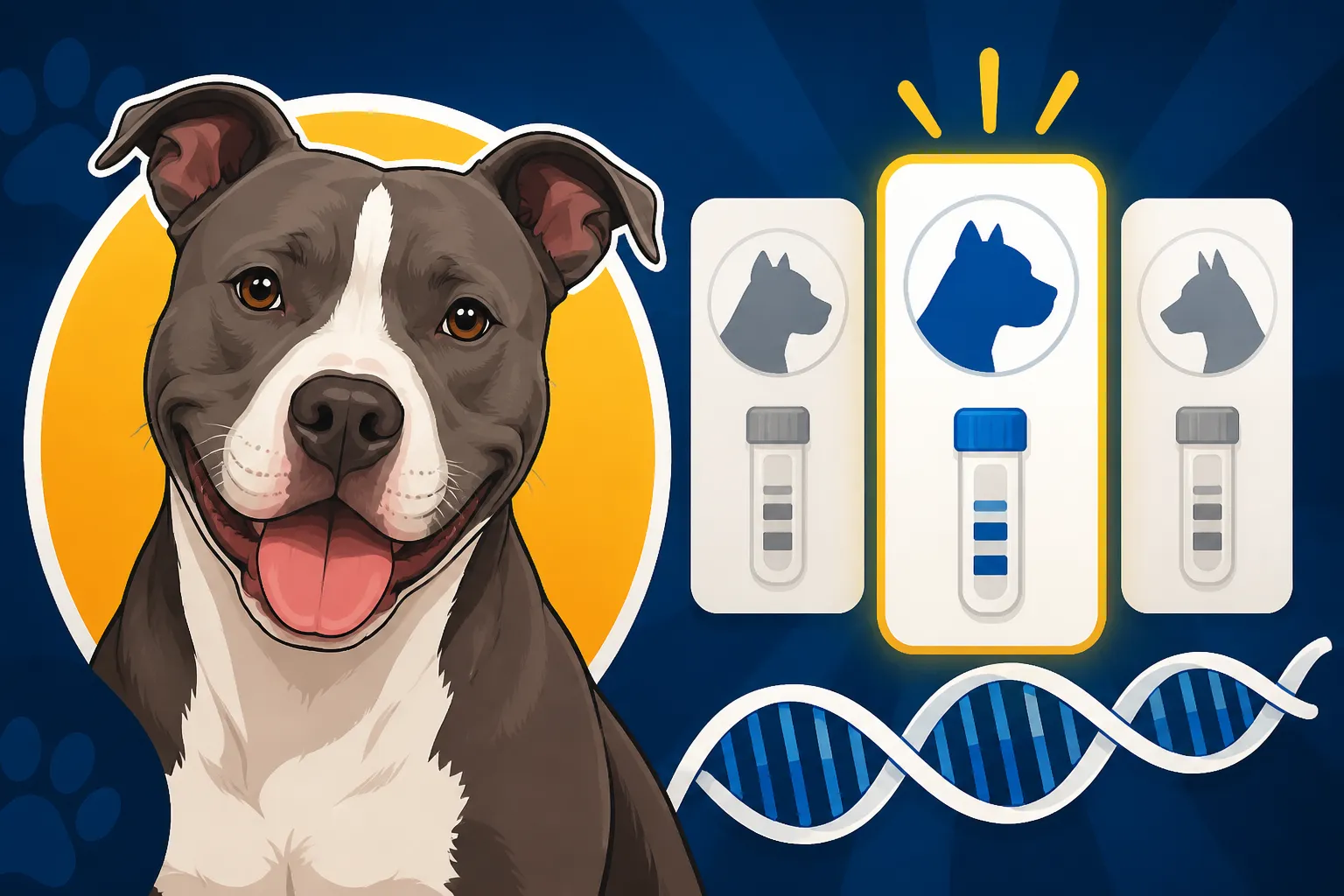
At its heart, canine DNA testing is a fairly straightforward process, at least from the owner's perspective. You typically receive a kit with a sterile cheek swab. You simply swab the inside of your dog's cheek for a minute or two to collect saliva and epithelial cells, package it up, and send it back to the laboratory. Once it arrives, the real science begins.
The lab extracts DNA from the collected cells and analyzes it for specific genetic markers, often called Single Nucleotide Polymorphisms (SNPs). Think of SNPs as tiny, individual variations in a dog's DNA sequence that are unique to certain breeds. The testing company compares your dog's unique SNP profile against a vast reference database of known purebred dogs. This database contains genetic blueprints for hundreds of breeds. By identifying patterns of SNPs that match specific breeds in their database, the lab can determine the breeds present in your dog's ancestry, often down to precise percentages across several generations. The larger and more diverse a company's reference database, the more accurate and granular the results tend to be. This is why some tests are better at identifying rarer breeds or more complex mixes than others.
What DNA Panels Can and Cannot Tell You
It's important to have realistic expectations about what a DNA panel can and cannot reveal about your dog.
What they can tell you:
- Breed Composition: This is the primary function. They can accurately identify the specific breeds that make up your dog's ancestry, often listing percentages (e.g., 50% American Staffordshire Terrier, 25% Boxer, 12.5% Labrador Retriever, etc.). This is invaluable for understanding if your dog truly has the breeds commonly categorized as "Pit Bulls."
- Genetic Health Predispositions: Many premium DNA panels go beyond just breed identification. They also screen for a wide array of genetic health conditions, such as certain heart conditions, neurological disorders, and common issues like Pit Bull Hip Dysplasia Showing at One to Two Years or sensitivities related to Pit Bull Skin Allergies and the Atopy Pattern. Knowing these predispositions can be incredibly empowering for proactive veterinary care and early intervention. For example, if a test flags a predisposition for a certain joint issue, you might discuss preventative supplements or specific exercise routines with your vet. This kind of insight can truly help you stay ahead of potential problems, and with providers like Healthy Paws, having this knowledge can guide your pet insurance choices to ensure you're covered for breed-specific concerns that might arise.
- Physical Traits and Coat Colors: Some panels also predict physical characteristics, like coat color, fur length, shedding amount, ear set, and even adult weight range. This can be a fun bonus, especially if your mixed-breed dog has an unexpected trait.
What they cannot tell you definitively:
- Temperament and Behavior: While breeds do have general tendencies, a DNA test cannot tell you your dog's individual temperament or predict their behavior with 100% certainty. Your dog's personality is shaped by a complex interplay of genetics, early socialization, training, and environment. A test might show a predisposition for a high prey drive, but it won't tell you if your dog will chase squirrels or if they've been trained to ignore them. Focusing on Training a Pit Bull to a Higher Standard Than Other Dogs and consistent positive reinforcement is far more impactful than any genetic prediction.
- Legal "Breed Status" in All Cases: While DNA results offer objective evidence, some municipalities or insurance companies might still adhere to visual assessments or have strict definitions that don't fully align with genetic reality. It's crucial to check local ordinances and your insurance policy before making assumptions.
Top DNA Panel Providers for Breed Identification
When you decide to take the plunge and get your dog's DNA tested, you'll find a few prominent players in the market. Each has its strengths, but two typically rise to the top for comprehensive breed identification and health screening.
Embark Vet and Its Comprehensive Approach
Embark has quickly become one of the most respected names in canine DNA testing, and for good reason. They are renowned for their scientific rigor and their comprehensive approach. What sets Embark apart is their strong partnership with Cornell University College of Veterinary Medicine, which gives them access to cutting-edge research and a robust, ever-expanding database of dog breeds. This translates to incredibly detailed and accurate results, particularly when it comes to identifying breeds that fall under the "Pit Bull" type umbrella.
An Embark test will typically provide percentages for all breeds present in your dog's ancestry, often tracing back to great-grandparents. So, instead of a vague "Pit Bull mix," you might see a breakdown like 60% American Pit Bull Terrier, 20% American Staffordshire Terrier, and 20% Boxer. This level of detail is invaluable for truly understanding your dog's heritage. Beyond breed identification, Embark offers an extensive genetic health screening. They test for over 250 genetic health conditions, including those commonly seen in Pit Bull types, such as degenerative myelopathy, various heart conditions, and certain eye diseases. Getting these insights can be a game-changer for your dog's long-term health plan. For instance, if your Embark test identifies a predisposition for a condition like hip dysplasia, you can discuss early preventative measures with your vet. Having this foresight is where a good pet insurance plan from a company like Healthy Paws can truly shine, covering potential future treatments for conditions you're now aware of.
Wisdom Panel and Its Extensive Breed Library
Wisdom Panel is another leading DNA testing service that offers a fantastic solution for owners looking to uncover their dog's ancestry. They boast one of the largest breed databases globally, with the ability to identify over 350 breeds, types, and varieties, which makes them particularly good at picking up even the less common genetic contributions in a mixed-breed dog. If your dog is a complex mix with many different breeds, Wisdom Panel is very adept at unraveling that intricate tapestry.
Similar to Embark, Wisdom Panel's tests provide a percentage breakdown of your dog's breed makeup. You'll see which of the "Pit Bull" type breeds, if any, are present in your dog's genetic code. Their reports also include insights into genetic traits, such as ideal adult weight, coat type, and color, which can be fun and informative. Furthermore, Wisdom Panel offers health screening, checking for over 200 genetic health conditions that could affect your dog. This information, much like with Embark, empowers you and your vet to create a tailored wellness plan. Knowing specific health risks means you can be more proactive, perhaps implementing certain dietary changes or monitoring for specific symptoms. This is where the long-term benefit of pet insurance comes into play, as proactive care and early diagnosis are often crucial. Companies like Healthy Paws understand the value of early detection and comprehensive coverage.
Other Reliable DNA Testing Options
While Embark and Wisdom Panel tend to be the most comprehensive and widely recognized, other DNA testing services are available.
DNA My Dog is a more budget-friendly option, often appealing to owners primarily interested in basic breed identification without the extensive health screening. Their reports provide a breed breakdown and some personality traits associated with those breeds. However, their database is generally smaller than Embark's or Wisdom Panel's, which might lead to less precise results for very complex mixes or less common breeds. For someone who just wants a general idea if their shelter dog has some "Pit Bull" in them for curiosity's sake, it can be a good entry point.
Orivet Genetic Pet Care offers a range of services, including breed identification and extensive genetic health screening. They have a solid reputation, particularly in identifying specific genetic conditions for breeders, but their consumer-facing DNA panels are also quite thorough. They might be a good alternative if you're looking for a different lab's approach or if your vet specifically recommends their services due to a particular health concern.
When choosing a DNA panel, consider what's most important to you:
- Accuracy and Detail: If you want the most granular breed breakdown and extensive health insights, Embark or Wisdom Panel are likely your best bet.
- Budget: If cost is a primary concern and you only need a general idea of breed composition, a more basic test might suffice.
- Health Screening: If identifying genetic health risks is crucial for your peace of mind and proactive care, ensure the panel you choose includes a comprehensive health screening component.
Here's a quick comparison of the top two to help you decide:
| Feature | Embark Vet | Wisdom Panel Essential |
|---|---|---|
| Price Range | High (typically $100-$200+) | Mid-range (typically $80-$150+) |
| Breeds Covered | 350+ | 350+ |
| Genetic Health Tests | 250+ (most comprehensive) | 200+ |
| Genetic Trait Tests | Yes (coat, size, performance) | Yes (coat, size, ideal weight) |
| Turnaround Time | 2-4 weeks | 2-4 weeks |
| Database Size/Accuracy | Very large, high accuracy, Cornell partnership | Very large, high accuracy, extensive breed library |
| What it identifies | American Pit Bull Terrier, AmStaff, Staffie | American Pit Bull Terrier, AmStaff, Staffie, other Bully breeds |
Ultimately, the best panel is the one that gives you the information you need to care for your specific dog.
Interpreting Your Pit Bull DNA Results
Once those long-awaited results land in your inbox, it's an exciting, sometimes overwhelming, moment. Understanding what they actually mean, especially concerning the "Pit Bull" label, is key.
Decoding Breed Percentages and "Pit Bull" Components
When you get your DNA results, you might not see "Pit Bull" listed as a single breed. Remember, it's a type. Instead, you'll likely see a breakdown of the specific breeds that make up your dog's ancestry. The most common "Pit Bull" type breeds that will show up are:
- American Pit Bull Terrier (APBT): This is often considered the original and primary "Pit Bull" breed, recognized by the United Kennel Club (UKC) and American Dog Breeders Association (ADBA).
- American Staffordshire Terrier (AmStaff): Recognized by the American Kennel Club (AKC), the AmStaff shares a common ancestry with the APBT but was bred for different standards and show ring appeal.
- Staffordshire Bull Terrier (Staffie): A smaller, but equally robust, "bull and terrier" type breed originating from England, also recognized by the AKC.
Your report might show 100% of one of these, or more commonly, a mix. For example, your dog might come back as 50% American Pit Bull Terrier and 25% Boxer, or 30% American Staffordshire Terrier with other breeds like Labrador Retriever, German Shepherd, or even Chow Chow mixed in. Even a relatively small percentage of one of these "Pit Bull" type breeds can lead to a dog being visually identified and colloquially labeled as a "Pit Bull."
It's important to look at the overall picture. If your dog has a significant percentage (say, 25% or more) of one or more of these breeds, it's reasonable to consider them a "Pit Bull type" dog from a genetic standpoint. This objective information can be incredibly validating, especially if you've been grappling with a shelter's visual assessment, which sometimes can be based on very loose criteria. In many shelters, a broad head or muscular body is enough to trigger the "Pit Bull" label, often leading to longer adoption times for these dogs, as discussed in How Shelters Decide a Dog Is a Pit Bull. A DNA test provides concrete data, moving beyond visual guesswork.
Understanding Health Markers and Genetic Predispositions
Beyond breed identification, the health screening component of DNA tests is incredibly valuable. Many "Pit Bull" type dogs, like many breeds, have genetic predispositions to certain health issues. For example:
- Skin Allergies: Pit Bull types are notoriously prone to environmental allergies (atopy) and sometimes food allergies, which can lead to persistent itching, ear infections, and skin irritation. A DNA test might flag genes associated with a higher risk for these conditions. Learning about this predisposition can guide your choice of diet, grooming routines (like medicated baths), and discussions with your vet about managing conditions like Pit Bull Ear Infections and What Drives Them.
- Joint Issues: Hip and elbow dysplasia are unfortunately common in many larger, muscular breeds, including Pit Bull types. A DNA test can identify if your dog carries genes that increase their risk.
- Cardiac Conditions: Some Pit Bull lines can be predisposed to certain heart conditions like aortic stenosis.
Knowing these potential genetic vulnerabilities allows you to be proactive. For instance, if your dog's DNA test shows a higher risk for Pit Bull Skin Allergies and the Atopy Pattern, you might invest in high-quality, limited-ingredient foods or consider supplements recommended by your vet. You can also work closely with your veterinarian to establish a tailored preventative health plan, including regular check-ups to monitor for early signs of these conditions. This is where pet insurance from a reputable provider like Healthy Paws becomes an invaluable tool. If your DNA test reveals a genetic predisposition to certain conditions, having a robust insurance plan in place can help mitigate the financial impact of diagnostic tests, treatments, and ongoing management, ensuring your dog gets the best possible care throughout their life.
Communicating Results to Landlords and Insurers
This is where the rubber meets the road. You have your official DNA results, but will they actually help with breed restrictions? The answer is: it depends, but they can certainly provide strong leverage.
Many landlords and insurance companies operate on policies that explicitly list breeds like "Pit Bull," "Staffordshire Terrier," or "American Bulldog" as prohibited or restricted. Their policies might be based on visual identification, rather than strict genetic purity. However, a comprehensive DNA report, particularly from a reputable company like Embark or Wisdom Panel, offers concrete, scientific evidence that can be presented.
Tips for communicating your results:
- Be Proactive and Professional: If you're moving or applying for insurance, present the DNA results upfront, along with a polite letter explaining the findings and emphasizing your dog's good temperament and training.
- Highlight Non-Restricted Breeds: If your dog is, for example, 25% American Pit Bull Terrier, but also 25% Boxer and 50% Labrador Retriever, you can emphasize the "non-restricted" breeds as major components. Some policies might be more flexible if the "Pit Bull" component isn't the dominant genetic marker.
- Provide Training Records: Back up your dog's genetic profile with evidence of their good behavior. A Canine Good Citizen (CGC) certification, regular training class attendance, or letters from trainers can be very persuasive. This demonstrates responsible ownership, which often matters more than breed.
- Emphasize Individual Dog: Stress that your dog is an individual, whose behavior is a product of training and environment, not just genetics. This guide delves into Pit Bull Temperament and the ATTS Results and you can use that knowledge to discuss how individual testing shows the fallacy of broad breed generalizations.
- Be Prepared for "No": Despite your best efforts, some landlords or insurers might have rigid policies that DNA evidence cannot override. Be prepared for this possibility and have backup plans. However, many are becoming more open to considering genetic evidence as breed-neutral legislation gains traction.
While a DNA test isn't a guaranteed golden ticket past all restrictions, it arms you with undeniable scientific data to advocate for your beloved dog. It's a powerful tool in challenging arbitrary breed labels and proving your dog's true genetic heritage.
Beyond the Breed Label: What Really Matters
While getting clarity on your dog's breed makeup through DNA testing is incredibly valuable, especially for navigating breed stereotypes and restrictions, it's crucial to remember that a genetic label is just one piece of the puzzle. The true essence of your dog, and what makes them a wonderful companion, goes far beyond their DNA.
The Limitations of a DNA Test for Temperament
It's easy to fall into the trap of thinking that a DNA test can tell you everything about your dog, including exactly how they will behave. However, this isn't the case. While certain breeds might have genetic predispositions for traits like high energy, prey drive, or a tendency towards guarding, an individual dog's temperament is primarily shaped by their environment, early experiences, and consistent training.
Think about it this way: a dog might have 50% American Pit Bull Terrier DNA, a breed that some might stereotypically associate with aggression. But if that dog was raised in a loving home, properly socialized as a puppy, and trained with positive reinforcement, they are highly likely to be a friendly, well-adjusted companion. Conversely, a dog of a typically "gentle" breed, if poorly socialized or subjected to harsh training, could develop behavioral issues. The danger lies in confirmation bias – seeing a "Pit Bull" label on a DNA test and then interpreting every playful nip or boisterous greeting as "evidence" of inherent aggression. This overlooks the massive influence of nurture over nature.
Your dog's personality is a unique blend. It's the goofy antics, the way they cuddle on the couch, their silly quirks, and their unwavering loyalty that truly define them, not a string of genetic markers. A DNA test provides a starting point for understanding certain tendencies, but it should never be used to prejudge or pigeonhole your dog's entire character.
Focusing on Responsible Ownership and Training
Ultimately, regardless of what your dog's DNA panel reveals, the most critical factor in their behavior and well-being is responsible ownership. This means dedicating yourself to consistent, positive training and proper socialization from puppyhood through adulthood.
- Early Socialization: Exposing your Pit Bull puppy to a wide variety of sights, sounds, people, and other well-mannered dogs in a positive and controlled manner is foundational. This helps them learn to navigate the world confidently and appropriately.
- Consistent Training: Pit Bull types are intelligent and eager to please, but their strength and energy mean training is non-negotiable. Focus on basic obedience commands like "sit," "stay," "come," and a reliable "leave it." Leash manners are especially important, given their physical power. This is why resources on Pit Bull Leash Manners and Physical Strength are so vital. Consistent training establishes clear boundaries and builds a strong, trusting relationship between you and your dog.
- Management and Supervision: Always be aware of your dog's environment and interactions. This might mean careful introductions with new dogs or people, ensuring secure fencing, or using a leash in public. For multi-dog households, understanding Pit Bull Dog Selectivity and Multi-Dog Homes can be key to peaceful cohabitation.
- Physical and Mental Enrichment: These are active, intelligent dogs who thrive on activity. Regular exercise, puzzle toys, and engaging mental stimulation are essential to keep them happy and prevent boredom-related destructive behaviors.
By focusing on these pillars of responsible ownership, you are not only ensuring your dog is a well-behaved and beloved family member, but you are also actively working to dispel negative stereotypes associated with the "Pit Bull" type. You become an ambassador for the breed, demonstrating through your dog's actions that genetics don't dictate destiny. Investing in your dog's training and overall well-being is also a sound financial decision. While pet insurance from providers like Healthy Paws can help cover unexpected veterinary costs, responsible ownership through training and preventative care can often reduce the likelihood of certain behavioral issues or health problems escalating, contributing to a healthier, happier, and more affordable life with your Pit Bull.
Disclaimer
Please remember that the information provided in this guide is for educational and informational purposes only and does not constitute veterinary advice. Always consult with a qualified veterinarian for any health concerns or before making any decisions about your pet's care. DNA test results should be discussed with your vet to create a comprehensive health and wellness plan tailored to your dog's individual needs.