Pit Bull Chewing and Destructive Behavior
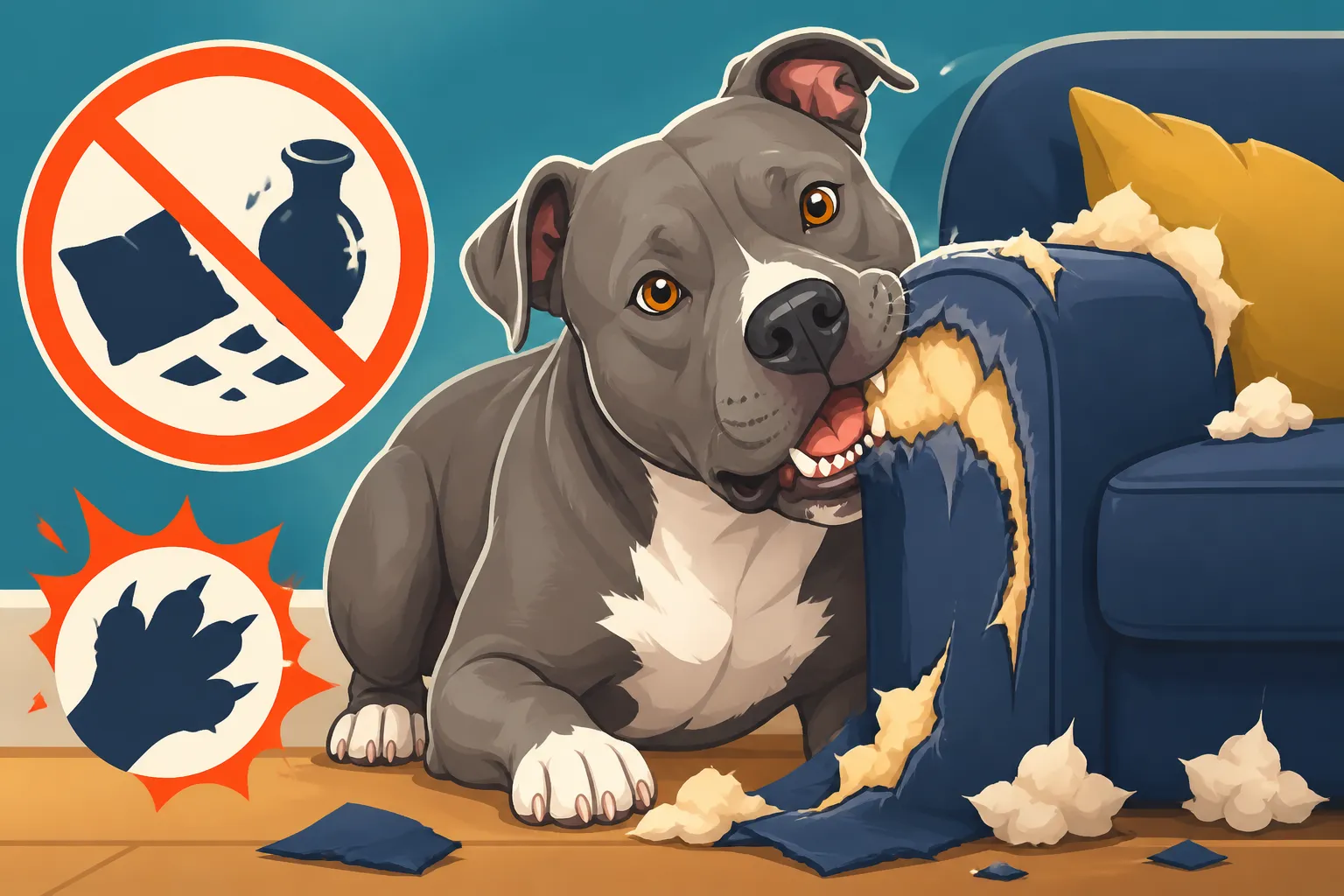
It's incredibly frustrating, isn't it? You come home after a long day, hoping for a peaceful evening, only to discover your favorite shoe has become a chew toy, or worse, a chunk of your door frame has mysteriously vanished. Pit Bulls, with their powerful jaws and intelligent minds, are notorious for channeling their energy into chewing, and while it's a natural dog behavior, when it turns destructive, it becomes a real headache for owners. This comprehensive guide is here to walk you through why your Pit Bull might be turning your belongings into confetti, how to manage it, and most importantly, how to redirect that energy into appropriate, safe, and satisfying outlets for both you and your beloved companion.
Understanding the Root Causes of Pit Bull Chewing
Before we can even begin to tackle destructive chewing, we've got to play detective and figure out why your Pit Bull is engaging in it. It’s never just random; there’s always an underlying motivation, and once you identify it, you’re much better equipped to address it. Ignoring the "why" means you're just treating the symptom, not the problem, and that rarely leads to lasting solutions.
Instinctive Behavior and Exploration
Dogs, including our wonderful Pit Bulls, explore the world with their mouths. It's how they gather information, interact with objects, and often, how they alleviate stress or boredom. Think of a baby putting everything in its mouth – same concept! For a Pit Bull, whose ancestors were bred for strength and tenacity, that instinct can be incredibly strong.
From the moment they're tiny puppies, they're mouthing everything to understand its texture, taste, and how it feels in their jaws. This natural curiosity doesn't disappear with age. A Pit Bull, especially a young one, will constantly investigate new items by picking them up, carrying them, and yes, often giving them a good chew. This isn't malicious; it's just how they're wired to learn about their environment. They don't differentiate between your expensive leather wallet and a designated chew toy; to them, it's just another object to explore. Understanding this fundamental drive is the first step toward managing it effectively.
Boredom and Lack of Mental Stimulation
A bored Pit Bull is a destructive Pit Bull. It’s a harsh truth many owners discover the hard way. These dogs are intelligent, athletic, and need a job to do. If they aren't given adequate mental and physical stimulation, they will absolutely find their own entertainment, and often, that entertainment involves chewing things they shouldn't.
Imagine being stuck in a room all day with nothing to do. You'd probably start poking around, wouldn't you? Your Pit Bull is no different. A lack of engaging activities, insufficient exercise, or repetitive routines can lead to an accumulation of pent-up energy and mental frustration. This energy often manifests as destructive chewing because it provides both physical release and a form of "problem-solving" for them – how can I get this stuffing out of this couch cushion? How can I break this table leg into smaller pieces? It’s critical to provide consistent and varied outlets to prevent this cycle from starting. Indoor Enrichment for a Pit Bull can make a huge difference here.
Anxiety and Stress Relief
Just like humans bite their nails or fidget when stressed, dogs often chew to relieve anxiety. For Pit Bulls, common triggers can include separation anxiety, changes in routine, new environments, loud noises like thunderstorms or fireworks, or even underlying health issues causing discomfort.
When a Pit Bull is feeling anxious, chewing releases endorphins, which can help to soothe their nervous system. If you notice destructive chewing primarily when you leave the house, or when there’s a stressful event, it’s a strong indicator that anxiety is at play. The chewing isn’t about being "bad"; it’s a self-soothing mechanism. Recognizing these stress signals is crucial because simply punishing the chewing won't address the underlying fear or discomfort your dog is experiencing. It’s important to identify the stressors and work on reducing them, perhaps with the help of a professional behaviorist, while also providing appropriate chew outlets.
Destructive Chewing During Pit Bull Puppyhood
Bringing home a Pit Bull puppy is an absolute joy, full of boundless energy and adorable antics. But let's be real, it also comes with its fair share of challenges, and puppy chewing is definitely at the top of that list. Those tiny shark teeth might seem harmless, but they can do a surprising amount of damage, and learning to manage this phase correctly sets the stage for a well-behaved adult dog.
The Teething Phase
Just like human babies, Pit Bull puppies go through a teething phase, and it’s a prime time for destructive chewing. From about 3 weeks old, their needle-sharp deciduous (puppy) teeth start to emerge. Then, between 3 to 6 months of age, these puppy teeth are replaced by their stronger, adult teeth. This process can be uncomfortable and even painful for them.
During teething, their gums are sore, swollen, and itchy, and chewing provides much-needed relief by massaging the gums and helping the old teeth fall out. If you don't provide appropriate things for them to chew on during this period, they will absolutely find their own solutions – often your chair legs, electrical cords, or your favorite pair of sneakers. Providing a variety of textures – from rubbery to softer, cooler items – can make a huge difference in directing that chewing toward acceptable items. Think frozen washcloths or puppy-specific chew toys that can be chilled.
Puppy-Proofing Your Home
Puppy-proofing isn't just a suggestion for Pit Bull owners; it's a mandatory survival strategy. A Pit Bull puppy's curiosity combined with their powerful jaws means that anything left within reach is a potential target. This isn't about being overly cautious; it's about protecting both your belongings and, more importantly, your puppy.
Before your new puppy even sets a paw inside, get down on their level and look around. Are there electrical cords dangling? Loose rugs they can pull up and shred? Valuables on low shelves? These need to be secured, removed, or made inaccessible. Utilize baby gates to restrict access to certain rooms, use cord covers for electronics, and ensure all dangerous items like cleaning supplies, medications, and small choke hazards are well out of reach. Think of it as creating a safe, controlled environment where your puppy can explore and chew only on approved items, minimizing the chances of them developing bad habits or ingesting something harmful.
Introducing Appropriate Chew Toys
The key to surviving puppy chewing is providing an abundance of appropriate, engaging, and safe chew toys. Don't just get one or two; aim for a rotation of several different types of toys to keep things fresh and interesting. Variety is the spice of life, even for a chewing puppy!
When selecting chew toys, consider durability, size, and material. For a Pit Bull puppy, you need toys that can withstand their developing jaw strength without breaking into small pieces that could be swallowed. Look for sturdy rubber toys, nylon chews designed for puppies, and puzzle toys that dispense treats. Rotate these toys regularly so they don't get bored. When you catch your puppy chewing on something inappropriate, redirect them immediately to an approved toy with a firm but gentle "no," followed by praise when they start chewing the correct item. This teaches them what is acceptable to chew. Consistency here is paramount in shaping good habits. You can find a huge selection of durable puppy toys on Amazon, offering variety in textures and sizes to keep them engaged.
Managing Adolescent Pit Bull Chewing and Energy
The puppy phase eventually gives way to adolescence, and if you thought puppy chewing was a challenge, welcome to the teenage years! This period, typically between 6 months and 2 years, brings a surge of physical energy, mental development, and often, a renewed intensity in destructive behaviors, including chewing. Your Pit Bull is no longer a tiny puppy; they’re a powerful, growing dog, and their chewing habits will reflect that.
Increased Energy and Testing Boundaries
Adolescent Pit Bulls are often bundles of raw energy. They're not puppies anymore, but they're not quite adult dogs either, and this in-between stage can be tricky. Their energy levels are peaking, and their minds are rapidly developing, which means they need more physical exercise and mental stimulation than ever before. If they don't get it, that excess energy has to go somewhere, and often, it goes right into your furniture or personal belongings.
Beyond just energy, this is also the age when dogs start testing boundaries. They're becoming more independent, figuring out where they stand in the household, and sometimes, pushing limits to see what they can get away with. A chew on an forbidden item might not just be boredom; it could be a challenge, or a way to get your attention, even negative attention. Consistency in rules, clear communication, and ensuring they have no doubt about what is and isn't acceptable is vital during this time. Pit Bull Leash Manners and Physical Strength are key to getting out all that adolescent energy safely.
Sustained Training and Consistency
The adolescent stage is not the time to slack off on training; it’s when you need to double down. Many owners make the mistake of thinking their dog is "trained" after puppy classes, but adolescence often brings new behavioral quirks and a need for continued guidance. Consistent training reinforces good habits and provides the mental exercise Pit Bulls crave.
Regular training sessions, even short ones throughout the day, can help channel their intelligence and energy productively. This means revisiting basic commands, working on impulse control, and introducing new tricks or dog sports. The more mental work they do, the less likely they are to seek destructive outlets. Remember, a "no" for chewing the couch must always be followed by a "yes" for chewing a designated toy. Every single time. Inconsistency will only confuse your adolescent Pit Bull and make them more likely to revert to undesirable behaviors. Programs like BAXTER & Bella can offer excellent ongoing training resources to keep your adolescent Pit Bull engaged and on track.
The Power of Full Adult Teeth
By adolescence, your Pit Bull will have their full set of adult teeth, and let me tell you, they are formidable. A Pit Bull's jaw strength is impressive, and they can easily destroy items that would simply be gnawed by smaller breeds. This means your management and toy choices need to evolve with them.
Those cute rubber puppy toys won't last five minutes against an adolescent Pit Bull's adult teeth. You need to upgrade to heavy-duty, industrial-strength chew toys designed for power chewers. Look for items made from extremely durable rubber, dense nylon, or even natural antlers (with caution, as some can be too hard). The goal is to provide chews that are satisfying to chew on but won't be obliterated in minutes, leading your Pit Bull to seek out other, less appropriate items. This is a continuous learning process, as you figure out what your individual dog finds most appealing and what truly stands up to their chewing power.
Addressing Adult Pit Bull Destructive Chewing
When destructive chewing persists into adulthood or suddenly appears in an otherwise well-behaved adult Pit Bull, it often points to deeper issues than just puppy teething or adolescent boundary-pushing. Adult chewing is frequently linked to behavioral problems, stress, or even underlying health concerns, and requires a thoughtful approach to diagnose and resolve.
Separation Anxiety and Fear-Related Behaviors
One of the most common reasons for destructive chewing in adult Pit Bulls is separation anxiety. If your dog only chews when you're not home, particularly around exit points like doors or windows, or if the destruction is accompanied by other signs like excessive barking, howling, house-soiling, or frantic greetings upon your return, separation anxiety is a very strong suspect.
This isn't just about boredom; it's a genuine panic response. Your Pit Bull is terrified of being left alone, and the chewing is an attempt to escape, self-soothe, or cope with overwhelming fear. Addressing separation anxiety requires a multifaceted approach, often involving systematic desensitization to your departures, counter-conditioning to create positive associations with being alone, and sometimes, medication in severe cases. This is an area where working with a certified professional dog behaviorist is almost always necessary, as it can be complex and challenging to resolve on your own.
Boredom, Lack of Exercise, and Mental Stimulation
While we discussed boredom for puppies and adolescents, it remains a significant factor for adult Pit Bulls too. Just because they're past the "puppy stage" doesn't mean their need for engagement vanishes. In fact, adult Pit Bulls, especially those with strong working drives, require consistent physical exercise and mental challenges to stay content and well-behaved.
If your adult Pit Bull is routinely left alone for long periods with no outlets, or if their daily walks are monotonous and unengaging, they will find ways to entertain themselves. This might mean tearing apart pillows, gnawing on furniture, or even digging holes in your yard. Remember, a tired Pit Bull is usually a good Pit Bull, but "tired" doesn't just mean physically exhausted; it means mentally satisfied as well. Incorporate varied walks, fetch, flirt pole play, puzzle toys, and short training sessions into their daily routine to keep their minds and bodies engaged. Pit Bull Exercise for a Powerful Athletic Dog delves into this more deeply.
Medical Conditions and Discomfort
Sometimes, destructive chewing can be a symptom of an underlying medical issue, particularly if it's new or suddenly intensified. A dog in pain or discomfort might chew at themselves or objects as a coping mechanism. For instance, a Pit Bull with a toothache might chew excessively to relieve pressure, or one with gastrointestinal upset might chew on inappropriate items.
Skin conditions, allergies, or joint pain could also lead to localized licking or chewing that escalates to destructive behavior. If your Pit Bull is constantly licking their paws or scratching at their skin, this could be a sign of Pit Bull Skin Allergies and the Atopy Pattern, and the discomfort might be redirected into destructive chewing. A sudden change in chewing habits, accompanied by other symptoms like lethargy, appetite changes, or limping, should always warrant a visit to your veterinarian to rule out any medical causes. Once any health issues are addressed, the behavioral chewing may also subside.
Environmental Enrichment to Prevent Destructive Behaviors
Preventing destructive chewing is always easier than stopping it once it's become a deeply ingrained habit. A huge part of this prevention strategy lies in providing a rich, stimulating environment for your Pit Bull. This means proactively giving them appropriate outlets for their natural behaviors so they don't have to invent their own, often destructive, ways to pass the time.
Utilizing Food Dispensing Puzzle Toys
Food dispensing puzzle toys are absolute game-changers for Pit Bull owners battling destructive chewing. These aren't just toys; they're vital tools for mental enrichment. Instead of simply gulping down their meal from a bowl in seconds, your Pit Bull has to work for their food, using their brain and paws to dislodge kibble or treats.
This "work to eat" concept taps into their natural foraging instincts and provides a substantial mental workout. A Pit Bull that spends 20-30 minutes rolling, nudging, and manipulating a puzzle toy to get their dinner is a Pit Bull who is less likely to decide your couch cushions need de-stuffing. Start with easier puzzles and gradually increase the difficulty as your dog learns. There's a vast array available, from simple Kong Wobblers to more complex interactive feeders, many of which you can find on Amazon. Rotate them to keep things interesting and prevent boredom from setting in.
Rotating Chew Toys for Novelty
Imagine having only one book to read for your entire life. You'd get pretty bored, right? The same principle applies to your Pit Bull's chew toy collection. Even the most beloved toy can lose its appeal if it's always available. To keep interest high and prevent boredom-induced chewing, a strategic rotation of toys is essential.
Maintain a "stash" of 5-7 high-quality, durable chew toys. Make only 2-3 of them available to your Pit Bull at any given time. Every few days or once a week, swap out the current selection for fresh ones from the stash. When a toy reappears after being "away" for a while, it feels new and exciting again, renewing their interest in chewing on appropriate items. This simple trick can dramatically increase the perceived value and engagement your Pit Bull has with their designated chews, keeping their powerful jaws focused on what's allowed. Chew Toys That Hold Up to a Pit Bull is a good resource for finding these robust options.
Structured Play and Exercise Regimens
For a powerful, athletic breed like the Pit Bull, physical exercise isn't just a nice-to-have; it's a non-negotiable requirement for their mental and physical well-being. Coupled with structured play, it becomes a potent weapon against destructive chewing. A Pit Bull with pent-up energy will always find an outlet, and if you don't provide one, it will often be something you regret.
Daily, vigorous exercise is paramount. This isn't just a leisurely stroll around the block; it means brisk walks, running, fetching, or even structured flirt pole sessions that allow them to chase and "kill" a lure. Vary your routine to keep them engaged – hit different trails, play new games, or introduce a dog-friendly sport. Beyond physical exertion, structured play that involves rules, like "drop it" or "leave it" during a game of fetch or tug, provides mental stimulation and reinforces impulse control. The goal is to provide enough appropriate activity that they are genuinely tired and content, not just physically but mentally, by the end of the day.
Choosing Durable Chews and Toys for a Pit Bull
When it comes to Pit Bulls, "durable" isn't just a marketing buzzword; it's a critical safety and financial consideration. Their jaw strength is legendary, and many toys designed for the "average" dog simply won't stand a chance. Investing in the right chew toys isn't just about saving your furniture; it's about providing safe, satisfying outlets that can withstand their powerful chewing.
Materials That Stand Up to Power Chewers
Not all chew toys are created equal, especially for a Pit Bull. You need materials that are robust, resilient, and won't splinter, break into small pieces, or be ingested too quickly. This often means looking for toys specifically marketed for "power chewers" or "aggressive chewers."
Table: Chew Toy Material Suitability for Pit Bulls
| Material Type | Pros for Pit Bulls | Cons for Pit Bulls | Best Use Case |
|---|---|---|---|
| Hard Rubber | Extremely durable, flexible, satisfying texture, often hollow for treats. | Some cheaper brands may not last. | Daily chewing, treat dispensing, general enrichment. |
| Dense Nylon | Very tough, long-lasting, often textured to clean teeth. | Can be very hard, potentially abrasive on teeth. | Long-term chewing, for dogs who need significant challenge. |
| Natural Antlers | Very hard, long-lasting, natural source of minerals. | Can be too hard and risk tooth fractures; expensive. | Supervised chewing, for dogs with strong, healthy teeth. |
| Benebone/Nylon alternatives | Flavored, durable, designed for strong chewers. | Can still be very hard, monitor for wear. | Redirecting from furniture, satisfying texture. |
| Rope Toys (braided) | Good for tugging, helps clean teeth. | Can be shredded, strings ingested, risk of blockages. | Supervised interactive play, not for unattended chewing. |
| Soft Rubber/Latex | Good for puppies, gentle on gums. | Easily destroyed by adult Pit Bulls, choke hazard. | Puppy teething, not suitable for adult power chewers. |
Always inspect toys regularly for wear and tear, and replace them once they become small enough to swallow or show significant damage.
Size and Shape Considerations
Beyond the material, the size and shape of a chew toy are incredibly important for safety and enjoyment. A toy that's too small poses a choking hazard, while one that's too large or awkwardly shaped might be frustrating or uncomfortable for your Pit Bull to manipulate.
For a Pit Bull, choose toys that are large enough that they cannot be swallowed whole or lodged in their throat. This often means toys that are too big for them to get entirely behind their molars. Shapes that are irregular or have nooks and crannies can be more engaging, as they provide different chewing surfaces and challenges. Think about how your Pit Bull holds things – a toy that's easy to grip and gnaw on from various angles will be more satisfying. Many high-quality durable chews are available from retailers like Amazon, making it easier to find the right size and shape for your specific dog. Always err on the side of larger rather than smaller when selecting a chew toy for a Pit Bull.
Safety Checks and Rotation Schedules
Even with the most durable toys, ongoing vigilance is key. No toy is indestructible, especially when faced with a determined Pit Bull. Regular safety checks are non-negotiable to prevent potential hazards.
Before each play or chew session, visually inspect every toy. Look for cracks, splinters, missing pieces, or areas that have been chewed down to a dangerous size. If a toy is damaged, discard it immediately. This is particularly important for nylon or hard plastic chews, which can develop sharp edges as they wear down, or rope toys, which can fray and lead to ingestion of strands. Establish a rotation schedule for your toys, not just to maintain novelty, but also to allow you to thoroughly inspect them before reintroducing them. This proactive approach ensures that your Pit Bull always has access to safe, appropriate chewing outlets, drastically reducing the risk of injury or destructive habits spilling over to your belongings.
Professional Help and Training for Persistent Chewing Issues
Sometimes, despite your best efforts, destructive chewing persists or is part of a larger behavioral pattern. When you feel like you're hitting a wall, or if the behavior is escalating, it's time to call in the cavalry. Professional help can provide invaluable insights, tailored strategies, and the support you need to get your Pit Bull back on track.
Consulting a Veterinarian for Health Issues
As mentioned earlier, a sudden onset or escalation of destructive chewing can sometimes signal an underlying health issue. Before you even consider behavioral training, your first stop should always be your veterinarian. They can perform a thorough physical examination to rule out any medical causes.
Your vet will check for dental problems like chipped teeth, gum disease, or abscesses, which can make chewing painful or uncomfortable. They'll also look for signs of gastrointestinal distress, internal discomfort, or even neurological conditions that might manifest as unusual chewing. Allergies, which can cause intense itching and lead to licking or chewing at paws and skin, should also be considered. If a medical issue is found, treating it might be all that's needed to resolve the chewing. If your Pit Bull is excessively chewing their paws or legs, it could be a sign of discomfort, and exploring Pit Bull Paw Licking and Chewing with your vet might reveal an allergy or irritation.
Working with a Certified Professional Dog Trainer
If your vet gives your Pit Bull a clean bill of health, but the chewing continues, the next step is often a certified professional dog trainer. A good trainer, especially one with experience with power breeds like Pit Bulls, can assess your dog's individual behavior, your household dynamics, and help you develop an effective training plan.
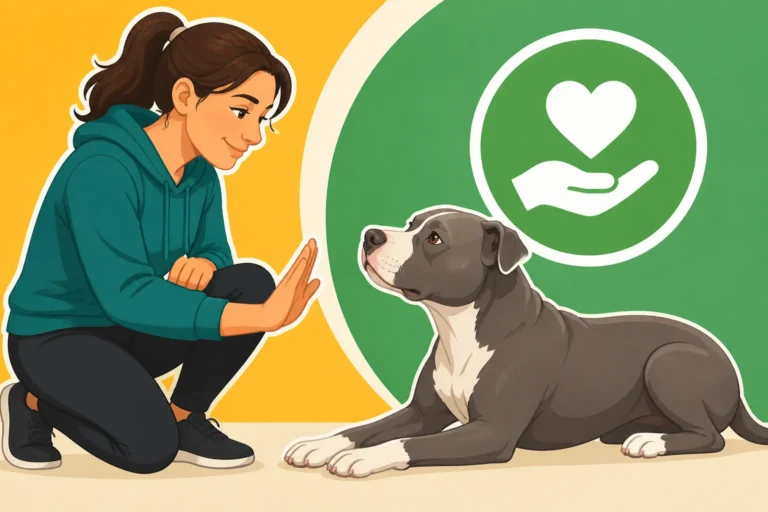
They can teach you how to implement positive reinforcement techniques to reward appropriate chewing, and how to effectively interrupt and redirect destructive chewing. They can also help identify specific triggers for your Pit Bull's behavior, whether it's boredom, attention-seeking, or early signs of anxiety. Look for trainers who use positive, force-free methods, and who offer personalized coaching rather than just group classes, especially for specific behavioral issues. An experienced trainer will provide practical, hands-on guidance that you might not get from online resources alone, though platforms like BAXTER & Bella can certainly supplement your learning with structured courses and community support. Finding a Trainer Experienced With Pit Bulls is crucial.
Behaviorists for Anxiety and Deep-Seated Issues
For more complex or severe cases of destructive chewing, particularly those linked to separation anxiety, generalized anxiety, or other deep-seated behavioral issues, a certified professional dog behaviorist (often with advanced degrees in animal behavior) is the appropriate specialist. These experts have a deeper understanding of canine psychology and can design comprehensive behavior modification plans.
A behaviorist will conduct a detailed assessment, often involving video analysis of your dog's behavior when left alone, to accurately diagnose the root cause. They can then guide you through systematic desensitization protocols, counter-conditioning exercises, and potentially discuss veterinary behaviorist consultations for medication if necessary, to help manage severe anxiety. Their approach is holistic, addressing not just the chewing, but the underlying emotional state of your Pit Bull. This level of expertise is often invaluable when basic training methods haven't yielded results, or when the chewing is clearly a manifestation of distress rather than simple puppy mischief.
Safety Measures and Management Strategies
Even with the best training and enrichment, managing a powerful chewer like a Pit Bull requires constant vigilance and smart management strategies. These aren't just about preventing damage; they're about ensuring your dog's safety and preventing them from ingesting something harmful. Think of it as creating a "safe zone" for both your Pit Bull and your peace of mind.
Effective Crate Training
Crate training is one of the most effective management tools for a Pit Bull, especially for puppies and adolescents prone to destructive chewing. When introduced properly, a crate becomes your dog's safe den, a place where they can relax and feel secure, and where they cannot get into trouble.
A properly sized, sturdy crate prevents access to forbidden items when you can't supervise directly, such as when you're busy, out of the house, or asleep. The key is to make the crate a positive experience, never using it for punishment. Introduce it gradually with treats and praise, making it comfortable with soft bedding and durable chew toys. A Pit Bull in a crate should always have an appropriate chew toy with them. For strong chewers, you’ll need a robust, heavy-gauge wire or even a reinforced crate that they cannot bend or break out of. The Crate a Pit Bull Cannot Break Out Of is a good article to review for selecting the right one.
Using Bitter Sprays and Deterrents
While not a standalone solution, bitter sprays can be a helpful deterrent for specific items your Pit Bull insists on chewing. These sprays contain a safe, foul-tasting agent that makes surfaces unappealing, discouraging your dog from putting their mouth on them.
You can apply bitter spray to furniture legs, remote controls, electrical cords (once unplugged for safety!), or anything else that your Pit Bull targets repeatedly. The idea is to make the forbidden item instantly unpleasant, reinforcing that it's not a toy. However, a word of caution: not all dogs are deterred by bitter sprays. Some Pit Bulls are surprisingly immune to the taste, and for others, the effect wears off quickly. Always do a patch test on an inconspicuous area first to ensure it won't stain or damage the item. Combine bitter sprays with redirection to an approved chew toy to teach them what they can chew, not just what they can't.
Constant Supervision and Redirection
At the heart of preventing destructive chewing is consistent supervision and immediate redirection. You cannot train a behavior you don't catch in the act. This means being present and engaged, especially during periods when your Pit Bull is most likely to chew, such as after meals, during play, or when they’re settling down.
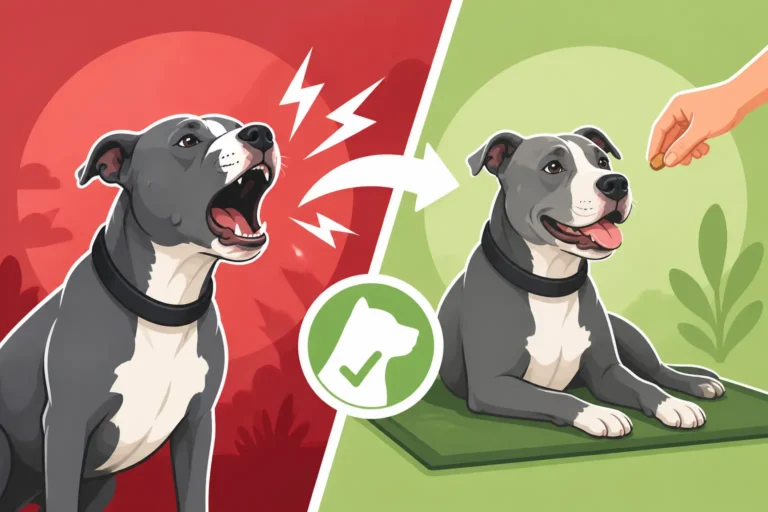
When you catch your Pit Bull even starting to chew on something inappropriate, don't yell or scare them. Instead, use a calm but firm verbal interrupter like "Uh-oh!" or "Leave it," then immediately offer them an appropriate chew toy. As soon as they take the toy in their mouth, praise them enthusiastically. This teaches them that chewing the right thing gets a positive reaction, while chewing the wrong thing is simply redirected without drama. It’s a constant dance of vigilance, patience, and positive reinforcement, but it's the most effective way to shape their chewing habits over time.
Creating a Safe, Designated Chewing Zone
Beyond general puppy-proofing, consider creating a specific "chewing zone" for your Pit Bull. This could be a specific room, a section of a room blocked off by baby gates, or even their crate. The idea is to have a completely safe, boring area where there is absolutely nothing they can chew on inappropriately, except for their designated toys.
This zone should be comfortable, perhaps with their bed and water, and always stocked with a variety of their favorite, durable chew toys. When you can't actively supervise your Pit Bull, especially during those times when you know they might be prone to getting into trouble, guide them into this safe zone. This proactive management strategy significantly reduces opportunities for destructive chewing and helps your Pit Bull learn where and what it's acceptable to chew. It's about setting them up for success, rather than waiting for them to make a mistake and then reacting.
Disclaimer
This article is for general informational purposes only and does not constitute professional advice. Laws, prices and regulations vary by location and change over time. Consult a qualified professional for guidance on your specific situation.