High-Value Treats That Hold a Pit Bull’s Focus
Anyone who has tried to teach a Pit Bull to "leave it" when a rogue french fry appears on the sidewalk, or maintain a perfect "heel" past a squirrel-laden oak tree, knows the challenge of maintaining focus. These powerful, intelligent dogs have incredible drive, but that same drive can lock onto distractions just as easily as it locks onto your training cues. This guide will explore the art and science of selecting and using high-value treats, transforming your training sessions and helping your Pit Bull stay tuned into you, even in the most tempting environments.
Why "High-Value" Matters So Much for Pit Bull Training
When we talk about "high-value" treats in dog training, we're not just talking about your dog's favorite snack. We're talking about items that your Pit Bull considers so incredibly desirable that they will readily choose them over almost any distraction in their environment. For a breed like the Pit Bull, known for its intelligence, strength, and often intense focus, having a truly high-value reward system is not just helpful; it’s essential for effective training, especially when navigating a world that often holds them to a higher standard.
Pit Bulls can be incredibly enthusiastic and driven, which is a fantastic trait for learning. However, that same intensity means they can also be intensely focused on things other than you – a distant jogger, the rustle of leaves, or the scent of a forgotten picnic. In these moments, a run-of-the-mill kibble or a bland biscuit just won't cut it. You need a reward that can compete with, and ideally, overpower, those powerful environmental lures. This isn't about spoiling your dog; it's about making your training signals the most attractive proposition available.
Understanding Your Pit Bull's Motivation Hierarchy
Every dog has a personal motivation hierarchy when it comes to rewards. Think of it like a ladder: at the bottom are the "meh" rewards, things they'll take if nothing else is offered. At the top are the "jackpot" rewards, the things they would do almost anything for. For Pit Bulls, who can be incredibly food motivated, understanding this hierarchy is key to unlocking their full training potential.
A low-value treat might be their regular kibble or a dry, crunchy biscuit. These are fine for training in a calm, distraction-free living room when reinforcing already-known behaviors like "sit" or "down." Medium-value treats step it up a notch – maybe a crunchy, savory dog cookie or a slightly softer, store-bought training treat. These work well in slightly busier environments, like your backyard, for practicing familiar cues. But for those critical moments – like teaching a solid recall at the park, or working on Pit Bull Leash Pulling at Fifty Pounds past a barking dog – you need something truly exceptional. That’s where the high-value treats come into play. These are the rare, often smelly, and incredibly delicious rewards that can cut through almost any distraction, making you the most interesting thing in the room (or park).
Unearthing Your Pit Bull's Absolute Favorite Treats
Finding your Pit Bull's true high-value treats is a fun, albeit sometimes messy, experiment. What one Pit Bull considers a "jackpot" reward, another might turn its nose up at. It’s all about individual preference, and it's worth the detective work to discover what truly makes your dog's eyes light up. This isn't just about what they eat; it's about what they crave when serious work needs to be done.
A great way to figure this out is through a simple "treat test." Gather a variety of potential high-value items – tiny pieces of cooked chicken, cheese, hot dogs, commercial soft training treats, even some fruit or veggies if your dog enjoys them. Present two different options at a time, side-by-side, and see which one your Pit Bull chooses first, consistently. Repeat this with different combinations until you've ranked their preferences. You might be surprised by what comes out on top! Remember to do this in a quiet environment first, before testing in more distracting places.
Texture, Scent, and Size: The Hidden Factors
It’s not just about taste; the physical properties of a treat play a huge role in its perceived value and effectiveness during training. A treat that’s too hard, too big, or too bland can hinder your progress, even if your dog technically likes the flavor. For a Pit Bull, who often has a powerful bite and a robust chew, the right texture and size are particularly important for swift, efficient rewarding.
Consider texture: soft, chewy treats are almost always preferred for training. They're easy for your Pit Bull to swallow quickly, meaning less chewing time and more focus on the next command. A hard biscuit takes longer to eat, breaking the flow of your training session. Scent is equally crucial; the stronger the aroma, the more appealing the treat, especially when competing with distracting outdoor smells. That's why plain chicken or liver often beats out even a fancy-sounding dry cookie. Finally, size matters. Treats should be tiny – think pea-sized or smaller. This prevents overfeeding, allows for many repetitions without filling up your dog, and ensures quick consumption, keeping their attention on you. A huge chunk means they're busy eating, not learning.
Homemade vs. Store-Bought High-Value Options
When it comes to sourcing these golden nuggets of motivation, you have two main avenues: whipping them up yourself or buying them ready-made. Both have their advantages, and often, a combination works best for Pit Bull owners. The key is quality ingredients, whether you're making them or buying them.
Homemade treats offer complete control over ingredients, which is fantastic if your Pit Bull has Food Allergies Behind Pit Bull Itching or a sensitive stomach. Lean cooked chicken breast, cut into small cubes, is a classic for a reason – it's palatable, easy to digest, and highly motivating. Boiled hot dogs (cut small, watch the sodium), slices of low-fat cheese, or even small pieces of cooked lean beef can also be incredibly effective. Just be mindful of portion control and avoid seasonings. The downside is the prep time, but many owners find it well worth the effort for the results.
On the other hand, store-bought high-value treats offer convenience and consistency. Look for options specifically marketed as "training treats" that are soft, smelly, and easily broken into smaller pieces. Check the ingredient list for whole meat as the primary ingredient and avoid artificial colors, flavors, or excessive fillers. Online retailers like Amazon offer an incredible variety, from freeze-dried liver to chewy meat sticks, allowing you to experiment and find what your Pit Bull loves most without having to visit multiple stores. When exploring options, remember that even high-quality commercial treats should be given in moderation as part of a balanced diet.
Top High-Value Treat Categories for Pit Bulls in Action
Now that we understand why high-value treats are important and how to identify them, let's talk about specific categories that tend to hit the jackpot for Pit Bulls. These are the heavy hitters you’ll want to have in your treat pouch when you're tackling challenging training scenarios or working in distracting environments.
Meaty, Smelly Morsels: The Gold Standard
Hands down, meat-based treats are the champions of high-value rewards for most Pit Bulls. Their strong scent, rich flavor, and satisfying chew make them irresistible. The smellier, the better, honestly, especially when you're trying to cut through outdoor distractions.
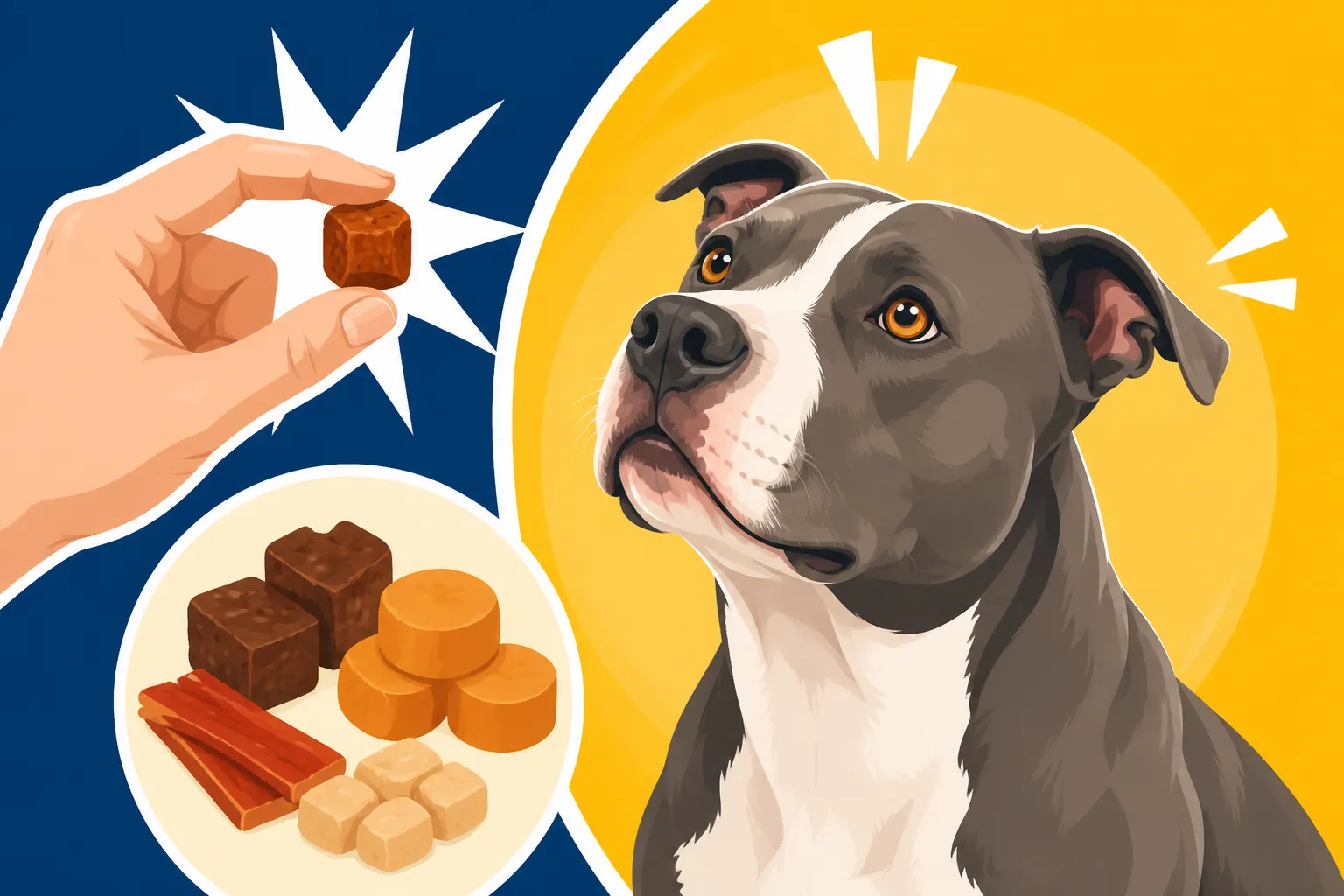
Cooked chicken, particularly boiled chicken breast, is a universal favorite. It's lean, easy to digest, and incredibly motivating. Cut it into tiny, pea-sized pieces – seriously, smaller than you think you need. The goal is a quick swallow, not a gourmet meal. Thinly sliced, cooked lean beef or steak can also work wonders. Another fantastic option is plain hot dogs or low-sodium training sausages, again, chopped into minuscule rounds. Some pet stores also carry commercially prepared training sausages or freeze-dried meat treats (like liver or chicken hearts) that are mess-free and intensely flavored. These are perfect for sessions where you need to keep your hands clean but still provide maximum motivation. Remember, the strong aroma is your secret weapon for keeping your Pit Bull's nose and brain engaged with you.
Cheese, Peanut Butter, and Other Dairy Delights (in moderation)
While not a daily staple for all dogs due to potential for stomach upset, certain dairy-based items can be incredibly high-value for many Pit Bulls. They offer a different flavor profile and texture that can be a game-changer for some dogs.
Small cubes of mild cheese, like cheddar or mozzarella, can be highly enticing. The soft texture and savory taste are often a big hit. Just be mindful of the fat content and offer them sparingly to avoid digestive upset or unnecessary calories. Peanut butter is another classic, but it comes with a crucial caveat: always check the label for xylitol, an artificial sweetener that is highly toxic to dogs. Only use natural, xylitol-free peanut butter. A small dab on a spoon or smeared inside a puzzle toy can be a fantastic, longer-lasting reward for calm behaviors. Some dogs also adore plain, unsweetened yogurt (again, a very small amount) or even cottage cheese. These can be great for specific training exercises where you need sustained engagement, like a "place" command, but always in strict moderation to ensure your Pit Bull's digestive system handles them well.
Commercial Soft Training Treats
For convenience and consistency, many commercial soft training treats are specifically formulated to be high-value. These are designed with palatability, size, and shelf-stability in mind, making them a staple in many Pit Bull training pouches.
Look for brands that prioritize real meat ingredients and offer a soft, chewy texture. These treats are often easy to break into even smaller pieces, which is ideal for rapid-fire repetitions during a training session. Many high-quality options are available that come in various meat flavors like chicken, beef, salmon, or duck, giving you options to discover your Pit Bull’s absolute favorite. The advantage here is that they’re less messy than fresh meat and don’t require refrigeration, making them perfect for on-the-go training. When you're working through a detailed training program, perhaps one like those offered by BAXTER & Bella, having a reliable, easy-to-handle, and motivating commercial treat can be incredibly helpful for maintaining consistency and focus. These types of programs often highlight the importance of high-value rewards to build strong foundations in obedience and good manners.
Strategic Use of High-Value Treats in Training Scenarios
Having a stash of high-value treats is one thing; knowing when and how to deploy them effectively is another. It’s a strategic game, ensuring you get the most motivational bang for your buck and prevent your Pit Bull from becoming overly reliant on the super-special stuff for basic tasks. The goal is to maximize their impact where it truly counts.
Distraction-Heavy Environments
This is where your top-tier, highest-value treats truly shine. Imagine trying to teach your Pit Bull to ignore other dogs while walking in a busy park, or to perform a perfect "stay" while kids are playing nearby. A piece of kibble might work in your quiet living room, but it stands no chance against these real-world distractions.
In these challenging environments, you need to bring out the big guns: the boiled chicken, the tiny hot dog pieces, the freeze-dried liver. These treats are your secret weapon for maintaining your Pit Bull's focus on you, even when the world is screaming for their attention. Use them generously and strategically. For example, if you're working on Teaching a Pit Bull to Walk Past a Barking Dog, as soon as your Pit Bull glances at the other dog but then immediately looks back at you, a rapid-fire succession of high-value treats can reinforce that incredible choice. The treat needs to be more rewarding than the distraction itself. This high-level rewarding is critical in shaping positive responses to difficult stimuli, ultimately building a confident and well-mannered companion.
Introducing New or Challenging Behaviors
When your Pit Bull is learning a brand new command or struggling with a particularly tricky behavior, high-value treats are your best friend. They create a strong positive association with the new action, making your Pit Bull eager to try and repeat it. This goes for everything from a first "come" cue to working on Building a Pit Bull's Impulse Control around exciting triggers.
For example, when first teaching a reliable recall, you want your Pit Bull to associate running back to you with the absolute best thing ever. That means an enthusiastic call, followed by an immediate "jackpot" of several high-value treats and praise. As the behavior becomes more consistent and reliable, you can gradually start varying the reward, but those initial teaching phases demand the highest motivation you can offer. This also applies to complex tasks or when a Pit Bull needs to overcome a fear or discomfort, such as getting used to nail trims – a continuous stream of fantastic treats can make a potentially scary experience positive.
Balancing Rewards and Avoiding Over-Reliance
While high-value treats are incredibly effective, it's also important to use them strategically and avoid creating a situation where your Pit Bull will only work for the best stuff. The goal is to build a dog that responds reliably, even when the reward isn't a hot dog. This means slowly transitioning away from constant high-value rewards as behaviors become solid, and incorporating other motivators.
Once a behavior is well-established in a low-distraction environment, you can start varying the rewards. Sometimes it's a high-value treat, sometimes a medium-value one, and sometimes just enthusiastic praise or a quick game of tug with a favorite toy. This variable reinforcement actually makes the behavior stronger, as your Pit Bull never knows when the jackpot is coming, keeping them engaged and hopeful. It also teaches them to work for different types of rewards, ensuring they're motivated by more than just food. Gradually, you’ll be able to use less food and more life rewards, like being allowed to sniff a really interesting bush on a walk for a good loose-leash segment.
Here's a quick comparison of various high-value treat options:
| Treat Type | Pros | Cons | Best Use Case |
|---|---|---|---|
| Boiled Chicken/Lean Beef | Extremely high value, natural, strong scent | Requires prep, can be messy, perishable | High-distraction environments, new behaviors |
| Hot Dogs/Training Sausages | High value, strong scent, easy to cut small | Higher sodium/fat, can be messy | Moderate to high distraction, rapid-fire rewards |
| Cheese (mild) | High value for many, good texture | Higher fat, potential for stomach upset | Moderate distraction, specific focus tasks |
| Peanut Butter (xylitol-free) | Very high value, good for puzzles/spreads | Messy, calorie-dense, must be xylitol-free | Licking mats, short duration holds, calming |
| Freeze-Dried Liver/Meat | High value, very smelly, convenient, shelf-stable | Can be crumbly, often pricier | Any training, especially on-the-go or for quick rewards |
| Commercial Soft Training Treats | Convenient, designed for training, less messy | Quality varies, check ingredients | Everyday training, medium distractions |
Disclaimer
This article is for general informational purposes only and does not constitute professional advice. Laws, prices and regulations vary by location and change over time. Consult a qualified professional for guidance on your specific situation.