Teaching a Pit Bull to Sit Before Every Door
It’s a scenario many Pit Bull owners know all too well: the doorbell rings, or you just grab the leash, and suddenly your powerful, enthusiastic companion transforms into a furry battering ram, launching themselves at the door with a joyous disregard for anyone or anything in their path. This isn't just a minor annoyance; it’s a genuine safety concern, risking escapes, accidental injuries, and reinforcing unwanted behaviors. This guide will walk you through teaching your Pit Bull to consistently sit and wait calmly before every door, transforming chaotic exits and greetings into predictable, well-mannered routines.
Why Doorway Manners Are Crucial for Pit Bulls
Let's be honest, living with a Pit Bull means living under a microscope sometimes. Their strength and exuberance, while charming to us, can be misinterpreted by others. This is precisely why impeccable manners, especially around doorways and thresholds, aren't just a nice-to-have; they're essential. It’s about more than just convenience; it's about safety, responsible ownership, and shaping positive perceptions.
Preventing Escapes and Incidents
The primary reason to train doorway manners is safety. A Pit Bull, with its impressive power and speed, can easily slip past an opening door in a split second. Once outside unsupervised, even the most well-meaning dog can get into trouble. They might chase a squirrel into traffic, approach someone who is wary of the breed, or encounter another dog unexpectedly. Imagine the panic of seeing your beloved Pit Bull bolt out the front door, or the potential liability if they cause an incident with a person or another animal simply because they were over-excited and got out. Training a solid "sit and wait" at every doorway creates a crucial pause, giving you control and preventing these potentially dangerous scenarios. It allows you to assess the environment, ensure the path is clear, and keep your dog safe and accounted for. This control is especially important for strong, athletic dogs who can cover a lot of ground quickly if given the chance.
Managing a Powerful Dog: Practicality for Handlers
Handling a dog that weighs anywhere from 40 to 70-plus pounds, and often possesses a low center of gravity and immense pulling strength, requires smart strategies. A Pit Bull who barrels through doors can easily knock over a child, an elderly family member, or even an unsuspecting adult. It's not maliciousness; it's pure, unadulterated excitement. Teaching them to pause and wait makes daily life significantly easier and safer for everyone in the household. Think about bringing in groceries, managing multiple dogs, or simply trying to exit your home without being dragged down the steps. Pit Bull Leash Manners and Physical Strength are key components of responsible ownership, and doorway training is a foundational piece of that puzzle. It empowers you, the handler, to guide your dog rather than being at the mercy of their impulses, making every entry and exit a calm, predictable event.
Building Impulse Control and Respect
Doorway training is a fantastic way to build your Pit Bull's overall impulse control. It teaches them that not every open door is an immediate invitation to rush through. Instead, it becomes a cue to defer to your leadership, to wait for permission. This translates to better behavior in other areas of their life, too. A dog who learns to manage their excitement at a door is more likely to Building a Pit Bull's Impulse Control in other high-stimulation environments, whether it’s walking past other dogs, resisting the urge to counter-surf, or staying calm when guests arrive. It fosters a deeper level of respect and communication between you and your dog, establishing you as the one who sets the rules and provides direction, leading to a more harmonious household dynamic. This type of consistent boundary setting helps your Pit Bull understand their role and yours, reducing anxiety and increasing their trust in your guidance.
The Step-by-Step Guide to "Sit at the Door"
Okay, so you're ready to tackle those door-dashing tendencies. This isn't a quick fix; it requires patience, consistency, and a clear understanding of how your Pit Bull learns. We'll start with the basics and gradually add distractions, building up to reliable behavior in any situation.
Mastering the Basic "Sit" First
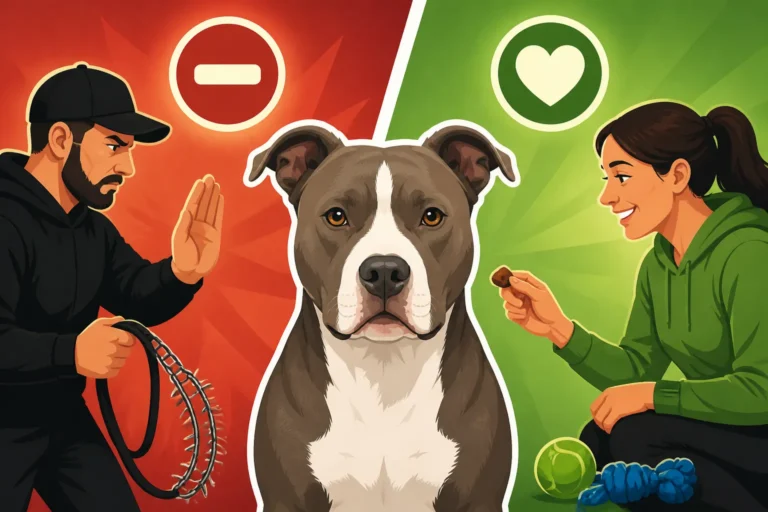
Before you even approach a door, ensure your Pit Bull has a rock-solid "sit" command in a neutral environment. This means they will sit promptly and reliably when asked, even with minor distractions. If your dog is still a bit wobbly on this, go back to basics. Use high-value treats that your Pit Bull absolutely loves – think small pieces of cooked chicken, cheese, or hot dogs. Lure them into a sit by holding the treat near their nose and slowly moving it over their head towards their tail. As their rear touches the ground, say "Sit!" and immediately reward them with the treat and verbal praise. Repeat this many times a day in short, fun sessions.
Once they understand the lure, start phasing it out by just using your hand signal and verbal command. Practice "sit and stay" for increasing durations before releasing them. This foundational work is critical because "sit at the door" is essentially a "sit-stay" with a specific context. Many trainers offer fantastic online resources for this, and even platforms like BAXTER & Bella provide comprehensive courses that break down these fundamental commands. The stronger their basic "sit" is, the easier the doorway training will be. Remember, the goal is for "sit" to be an automatic response, not something they have to think hard about.
Introducing the Doorway Environment
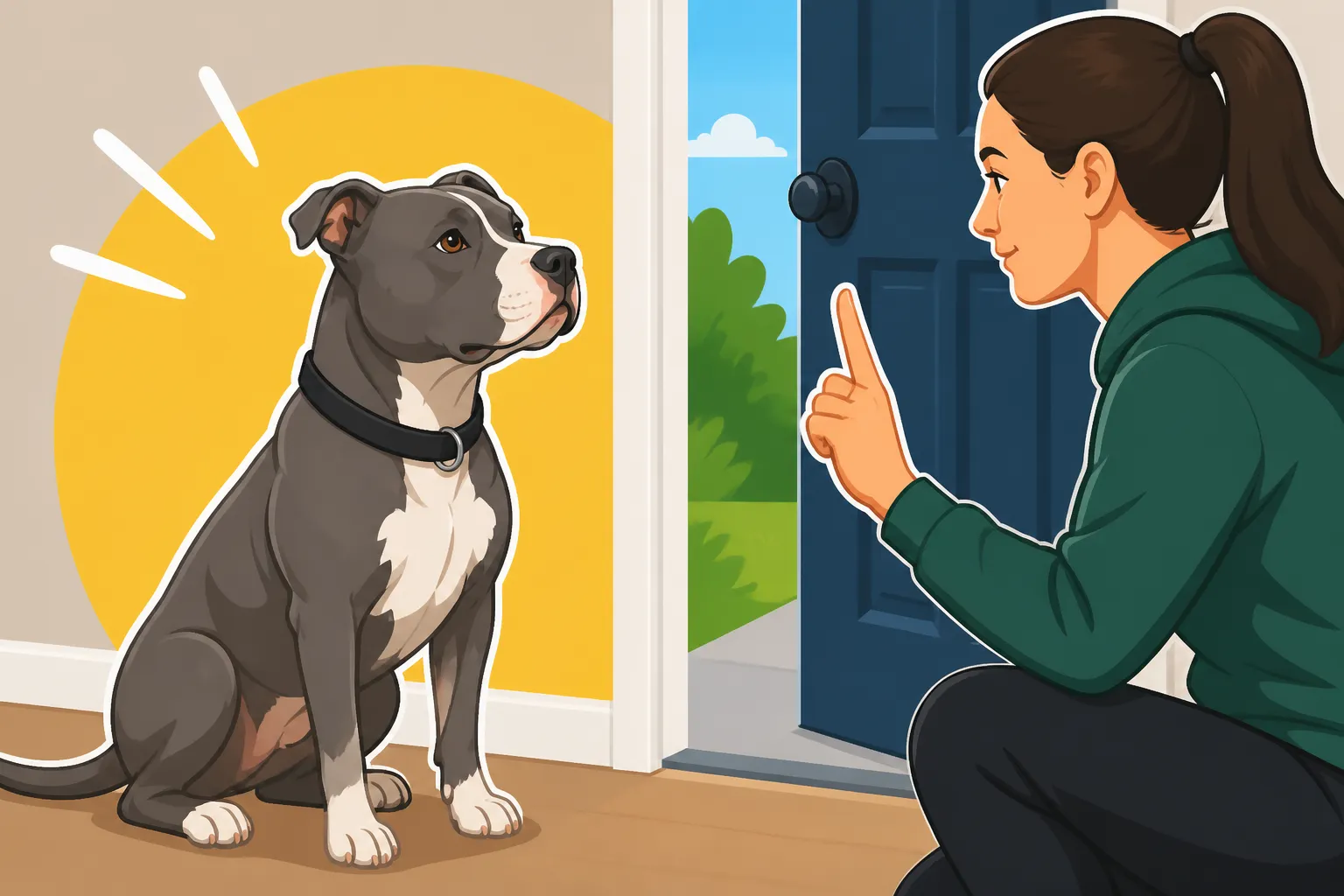
Now that "sit" is solid, it's time to introduce the door. Start with an interior door in your home, one that leads to a low-excitement area, like another room. Approach the closed door with your Pit Bull on a leash. Stop a few feet away and ask for a "Sit." If they sit, great! Reward them heavily. If they struggle or anticipate the door, take a step back and try again. The key here is to make the "sit" happen before the door becomes the focus.
Once they're reliably sitting a few feet from the closed door, try touching the doorknob. If they stay in a sit, reward. If they break, the door doesn't open, and you reset, going back to asking for a sit a few feet away. Slowly build up: jiggle the knob, crack the door a tiny bit, and then gradually open it wider. Each step forward, they must remain in a sit to earn a reward. If they jump up or try to push through, the door immediately closes, and you reset. The door only opens further when their rear is on the ground. This process teaches them that the act of sitting is what makes the door open, not rushing it.
Practicing with Leash and Distractions
As your Pit Bull masters the interior doors, it's time to move to the main event: the exterior doors. Keep your dog on a leash, even indoors, for these training sessions. The leash is your safety net and communication tool. Approach the front door, ask for a "Sit," and wait. If they lunge or pull, Stopping a Pit Bull That Drags You Down the Street requires immediate feedback: stop moving, wait for slack in the leash, and then re-ask for the sit. Don't open the door until they are calm and seated.
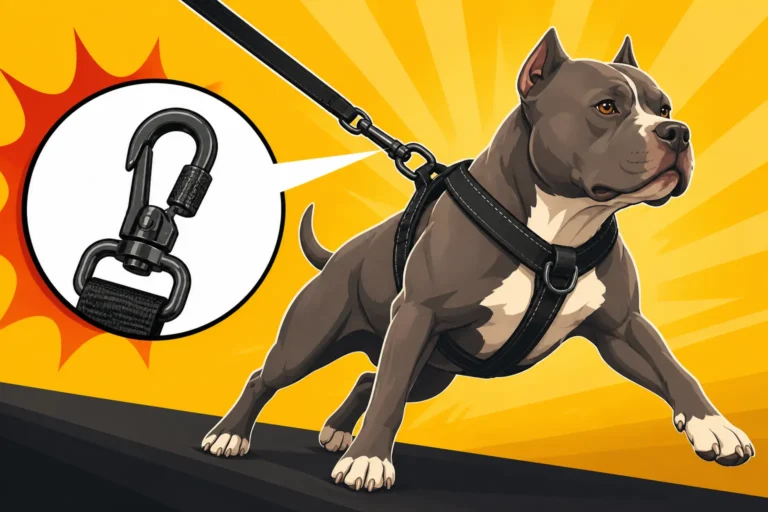
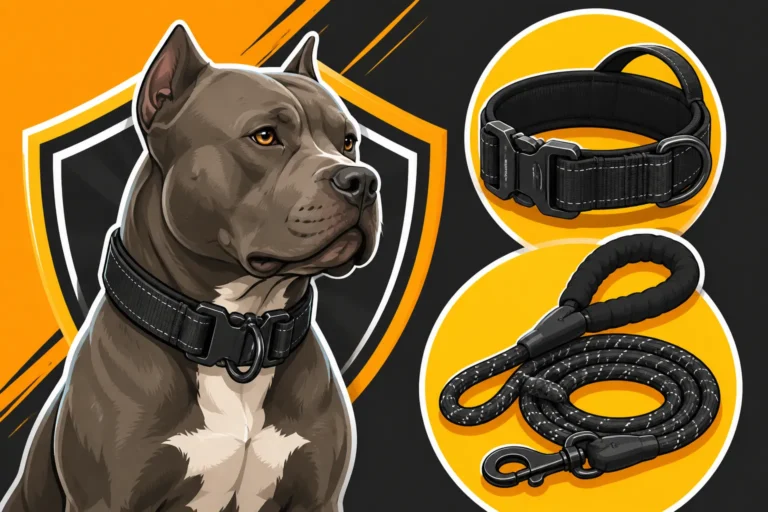
Now, add distractions. Have a family member walk by the door, or jingle keys. Practice when it’s not time for a walk, so the expectation isn't always "door = walk." When you actually are going for a walk, follow the same routine: ask for a sit, open the door a crack, if they stay, open it more. If they rush, close it. Only when they are calmly sitting and waiting do you give a release cue ("Okay!" or "Free!") and walk through. This teaches them that the door is a boundary that you control, not something they can barge through. You might find a sturdy, comfortable harness with a front clip, available on Amazon, can also help manage pulling during these crucial training stages.
Troubleshooting Common Pit Bull Doorway Challenges
Even with the best intentions and consistent training, you might hit some bumps in the road. Pit Bulls are intelligent and can be incredibly enthusiastic, so addressing specific challenges effectively is crucial to your success.
Dealing with Excitement and Pulling
Pit Bulls are often highly motivated by movement and the prospect of going outside. This excitement can manifest as intense pulling, whining, or even barking at the door. If your Pit Bull is too excited to even focus on "sit," you need to dial back the intensity. Try initiating the training further away from the door, in a less stimulating part of the room, until their basic "sit" is perfect. Practice asking for a sit-stay before you even pick up the leash. If they are still too amped up, consider a short, calming activity before training, like a quick game of "find it" with treats indoors to engage their brain, or some gentle massage.
When they do pull, remember the principle: pressure on the leash means no forward movement. If they pull, you stop. Wait for them to offer slack, or gently lure them back into a sit, and then release the tension on the leash as a reward. This teaches them that calm behavior gets them what they want (the door opening, a walk), while pulling achieves nothing. High-Value Treats That Hold a Pit Bull's Focus are indispensable here; make sure your rewards are enticing enough to compete with the allure of the great outdoors. For dogs that are particularly strong or prone to lunging, using a head halter can offer more control than a standard collar, allowing you to gently redirect their head and focus back on you without needing to use significant physical force.
Consistency Across All Household Members
This is where many training plans fall apart. If one person diligently practices the "sit before door" rule, but another family member lets the dog barge through, your Pit Bull will quickly learn that the rule is negotiable. Dogs thrive on consistency. Every single person who lives with or regularly interacts with your Pit Bull needs to be on board with the training protocol. This includes children, partners, roommates, and even regular visitors.
Hold a family meeting and demonstrate the exact steps. Explain why this training is so important for the dog's safety and overall manners. Role-play if necessary. If a child is too young or physically unable to manage the dog at the door, they should be taught to ask an adult for help. For example, instead of opening the door, they could call out, "Can someone help me let Rover out?" You might even put a small sign on the door as a reminder for everyone: "Dog must sit to exit!" It takes a village, but the payoff of a well-mannered Pit Bull is worth the collective effort. Consider What a Beginner Needs Before a Pit Bull and reinforce that clear, consistent communication is vital.
Extending the Practice to Other Thresholds
While the front door is usually the highest priority, the principle of "sit before every door" can and should be extended to other thresholds. Think about the back door leading to the yard, the gate to the dog run, or even the entrance to the car. Each of these represents an exciting opportunity for your Pit Bull, and therefore, an opportunity to practice impulse control.
The training process for these secondary thresholds is the same: approach, ask for a sit, open the barrier only when they are calm and seated, then release them. This reinforces the general rule that all exits require a polite wait. Teaching a Pit Bull to Wait at Gates is a natural extension of this training, helping them understand boundaries in different contexts. This generalization not only solidifies the behavior but also prevents selective obedience, where your Pit Bull might be perfect at the front door but a wild child at the back gate. The more consistently you apply the rule across various situations, the more deeply ingrained it becomes in their behavior.
Maintaining and Generalizing Doorway Protocol
Training a Pit Bull to sit at every door isn't just about the initial learning phase; it’s about making it a lifelong habit. Life happens, and sometimes, even the best-trained dogs have off days or forget their manners. Understanding how to maintain the behavior and what to do if setbacks occur is key to long-term success.
Making it a Habit, Not a Command
The ultimate goal is for your Pit Bull to automatically sit and wait at any open door or threshold without you even having to say "sit." This is where consistency truly pays off. Every single time you approach a door, whether you're going out for a walk, letting them into the yard, or just moving between rooms, reinforce the behavior. Initially, you'll be actively asking for the "sit." Over time, as they anticipate it, you might just pause, and they'll offer the sit on their own. That's when you know it's becoming a habit.
When they offer the sit voluntarily, reward them even more enthusiastically! This positive reinforcement encourages them to continue making the right choice. Continue to use a clear release cue like "Okay!" or "Go!" to signal that it's permissible to move through the door. This distinct cue reinforces that you are giving permission, not that they can just decide when it's time to burst through. This builds trust and reliability, solidifying their understanding of proper doorway etiquette.
Addressing Setbacks and Regressions
Even the most perfectly trained Pit Bull can have a "brain fart" moment. Maybe a new exciting smell wafts through the open door, a neighbor’s dog barks loudly, or they're just having a particularly exuberant day. If your Pit Bull starts to regress and dashes through a door, don't get frustrated. It's a signal that you need to go back to basics, even if just for a day or two. Immediately close the door, calmly walk them back to the starting point, and repeat the training steps from the beginning.
This might mean going back to practicing with an interior door, or just taking a step back and requiring a sit a few feet away from the door before approaching again. The critical thing is to never let them "get away with it." If they rush through, the immediate consequence is that the door closes, and the opportunity is lost until they perform the desired behavior. Stay patient, stay consistent, and remember that Training a Pit Bull to a Higher Standard Than Other Dogs means reinforcing these rules diligently throughout their lives. Occasional refreshers, especially after periods of less structured routine (like holidays or vacations), can also be incredibly helpful in keeping their manners sharp.
Disclaimer
This article is for general informational purposes only and does not constitute professional advice. Laws, prices and regulations vary by location and change over time. Consult a qualified professional for guidance on your specific situation.