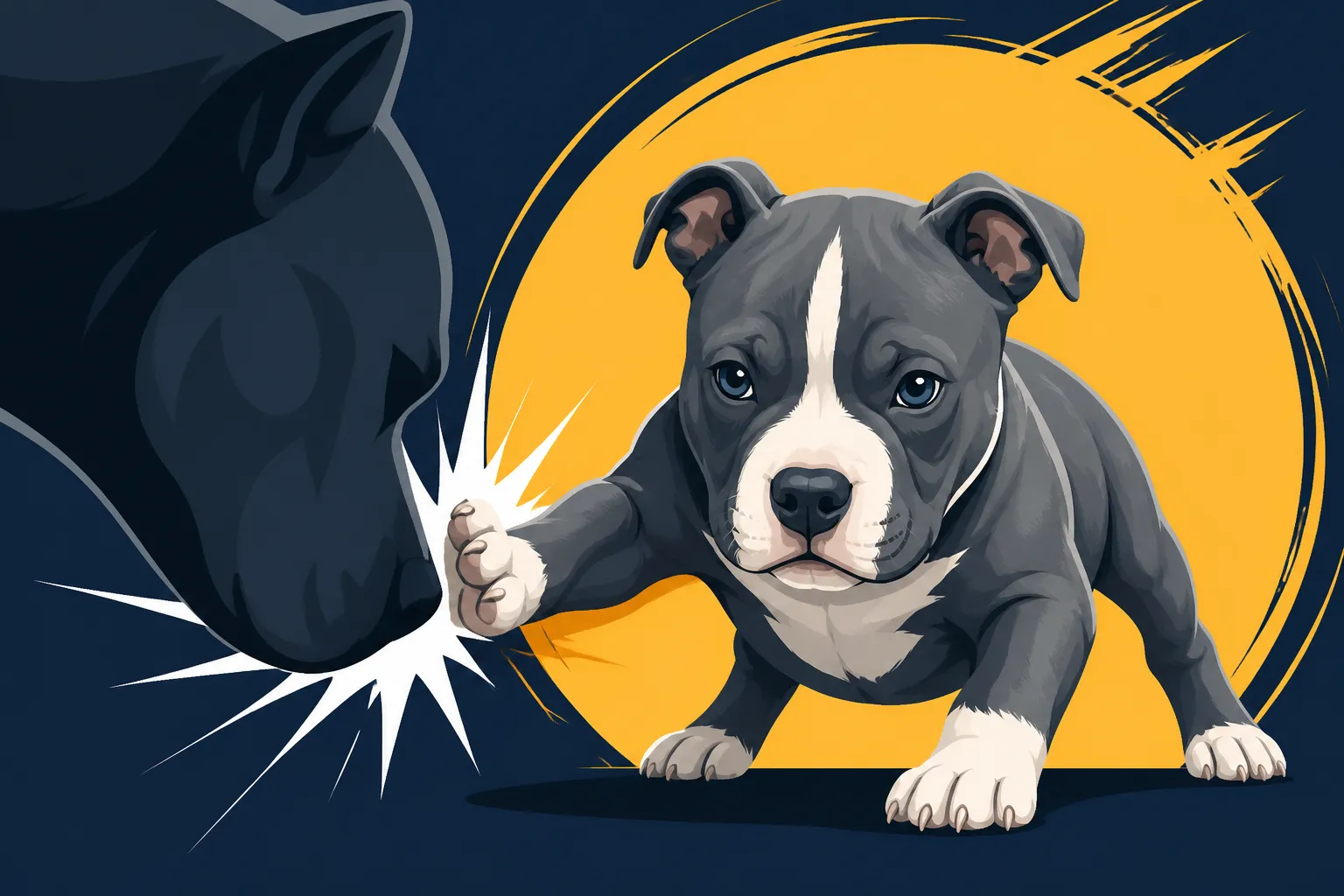
The Month a Pit Bull Starts Pushing Back
It's incredibly frustrating, isn't it? One minute you have this sweet, eager-to-please Pit Bull puppy, and the next, it feels like a different dog has moved in – one that suddenly seems to have forgotten every single thing you taught it. You might find yourself wondering, "Is this just a phase, or did I do something wrong?" This guide is here to reassure you that you're not alone and to walk you through understanding "the month a Pit Bull starts pushing back," often known as their adolescence, offering practical strategies to navigate this challenging yet crucial developmental stage.
Understanding the Pit Bull Teenage Phase
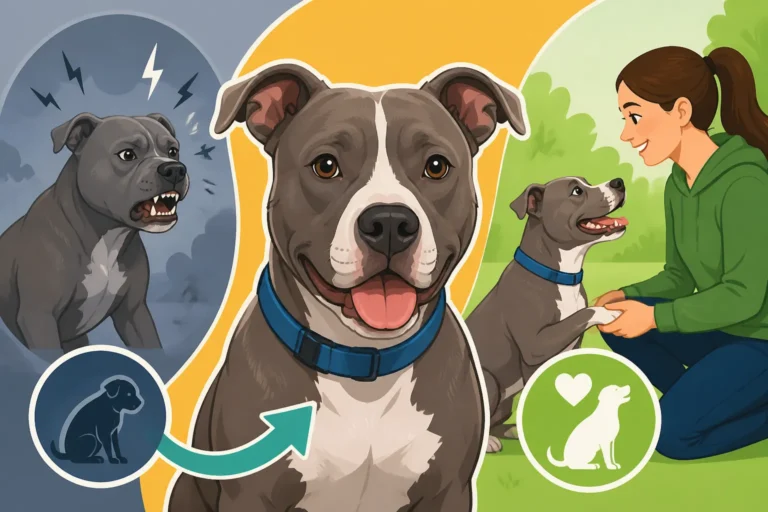
Just like human teenagers, adolescent Pit Bulls go through a period of significant physical and mental change that can leave owners feeling bewildered. The sweet compliance of puppyhood gives way to a new level of independence, curiosity, and sometimes, a frustrating reluctance to listen. This isn't a sign of malice or that your dog suddenly dislikes you; it's a completely normal, if challenging, part of growing up.
The Age of Adolescent Rebellion
While every Pit Bull is an individual, you can generally expect this "pushing back" phase to start showing its head around 6 to 8 months of age, and it can last well into their second year, sometimes even up to 24 months. Think of it as your Pit Bull's brain and body maturing, and they're suddenly confronted with a whole new world of smells, sights, and social dynamics. What was once easy for them to ignore, or what they simply didn't notice, now becomes a huge distraction. You might find your usually well-behaved pup suddenly has "selective hearing" when you call them at the dog park, or they might test boundaries they never dared to before. This window of adolescence is a critical time for solidifying good habits and carefully managing new challenges.
What "Pushing Back" Looks Like
So, what exactly does "pushing back" entail? It's not usually outright aggression (though aggression can sometimes emerge or worsen during this time, requiring professional help). More often, it manifests as a decline in previously learned manners, an increase in bold or exploratory behaviors, and a general testing of boundaries.
You might see:
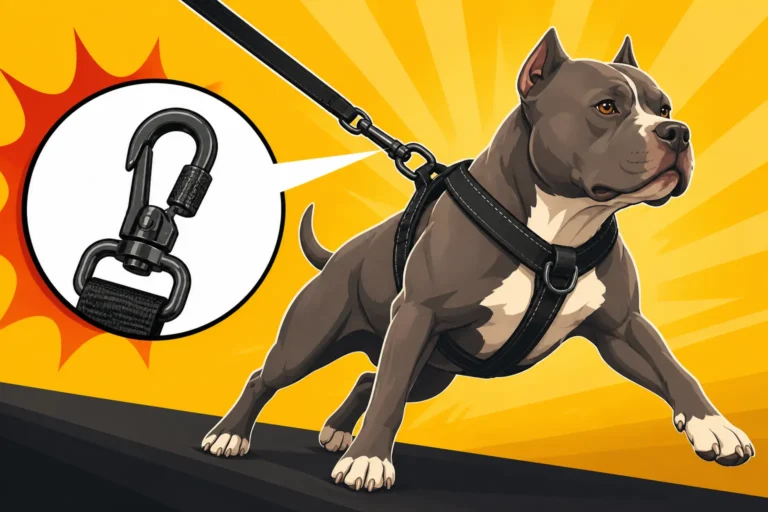
- Leash Pulling: Your dog, who walked so nicely on a loose leash, suddenly transforms into a freight train dragging you down the street. Pit Bull Leash Manners and Physical Strength becomes a daily battle.
- Selective Hearing: Your recall, once reliable, is now completely ignored when there's an interesting smell or another dog nearby.
- Increased Chewing: They might revisit destructive chewing habits, targeting furniture, shoes, or anything they can get their jaws on. You might need to re-evaluate your collection of durable toys and explore what's available on platforms like Amazon.
- Housetraining Regressions: Even perfectly housetrained dogs might have accidents indoors, especially if their routine changes or they're left alone for longer periods.
- Heightened Reactivity: They might become more vocal or agitated by things they previously tolerated, like other dogs, strangers, or even squirrels.
- Testing Social Boundaries: With other dogs, they might become more bold, pushy, or even show signs of Pit Bull Dog Selectivity Explained where they become more particular about their playmates.
It can feel disheartening to see your progress seemingly unravel. Remember, this isn't a permanent state, but it requires patience, consistency, and a clear strategy from you.
Why Pit Bulls "Push Back" During Adolescence
Understanding the underlying reasons for this behavioral shift can help you approach it with more empathy and less frustration. It's not personal; it's biology and development.
Hormonal Changes and Their Impact
Around the time your Pit Bull enters adolescence, their body is undergoing a surge of hormones. For intact males, testosterone levels are rising, which can lead to an increased desire to mark territory, greater interest in female dogs, and sometimes more competitive or boisterous interactions with other males. For females, their first heat cycle (if not spayed) brings its own set of hormonal fluctuations that can affect temperament and focus. Even if your Pit Bull is spayed or neutered, the brain's developmental timeline doesn't stop, and other neurochemical changes are still happening. These hormonal shifts can make them feel more confident, more driven to explore, and perhaps a little more restless or irritable. It's a powerful cocktail that can certainly affect their willingness to comply.
Brain Development and Impulse Control
Here's the really crucial part: your Pit Bull's brain is still developing, particularly the frontal lobe, which is responsible for impulse control, planning, and decision-making. That means that while they might know what "sit" or "stay" means, their ability to execute it when highly stimulated is severely compromised. Imagine asking a human teenager to perfectly concentrate on algebra while their friends are outside playing. It's tough!
This immature impulse control is often why you see regressions in training. They might genuinely want to please you, but the lure of a scent or the excitement of another dog simply overpowers their developing ability to regulate their own behavior. This is why a strong focus on Building a Pit Bull's Impulse Control is so vital during these months. They're not being stubborn just to spite you; their brain simply hasn't fully caught up yet.
Testing the Waters of Independence
As Pit Bulls mature, they naturally become more independent. In the wild, this is the age when young dogs would start exploring beyond the immediate family unit, learning to hunt and survive on their own. In a domestic setting, this translates into a desire to make their own choices, to see what happens if they don't immediately respond to a cue, or to push boundaries.
They're learning about cause and effect: "If I pull on the leash, do I get to smell that bush sooner?" or "If I ignore Mom, will she eventually just come to me?" This testing isn't meant to be defiant; it's how they learn about their world and their place in it. Your job is to gently but firmly guide them, consistently reinforcing the desired behaviors and showing them that following your lead still results in good things. Every time they get away with a forbidden behavior, they're learning that it's a valid option, so consistency is truly your best friend.
Strategies for Navigating the Teenage Months
Dealing with an adolescent Pit Bull can feel like a full-time job, but with the right approach, you can guide them through this phase successfully. It's all about patience, consistency, and a little bit of proactive management.
Revisiting Foundation Training
The most important thing you can do is go back to basics. Seriously, pretend your Pit Bull knows absolutely nothing and start over with the fundamentals, but this time, make them more challenging.
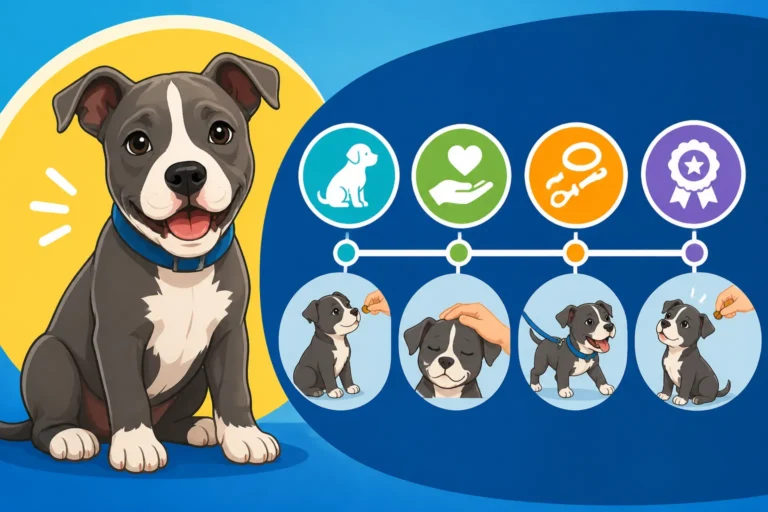
- Short, Frequent Sessions: Instead of one long session, do multiple 5-10 minute training bursts throughout the day. This keeps it fun and prevents mental fatigue.
- High-Value Rewards: Forget basic kibble. Now is the time for tiny pieces of cooked chicken, cheese, or hot dogs. Whatever your Pit Bull absolutely adores should be your reward currency. This makes you more interesting than the distractions.
- Proofing Behaviors: Practice known commands in increasingly distracting environments. Start in a quiet room, then move to the backyard, then a quiet park, and gradually build up to busier places. Can your Pit Bull sit and stay for a full minute while another dog walks by 20 feet away? If not, break it down further.
- Recall Practice: This is critical. Practice your Pit Bull Recall Training From Scratch every single day, indoors and on a long line in a secure area. Make coming to you the most exciting thing in the world, every single time. A brand like BAXTER & Bella offers excellent online courses that can walk you through these steps and provide virtual support, which can be invaluable when you're feeling stuck.
- Loose-Leash Walking: Invest in a good front-clip harness or a head halter if needed. Practice walking in a quiet area, rewarding heavily for every step on a loose leash. Turn around and walk in the opposite direction the moment your dog starts to pull. Consistency here is key.
Managing Energy and Providing Structure
A bored or under-exercised Pit Bull is a destructive Pit Bull, especially during adolescence. These dogs have impressive strength and stamina, and they need appropriate outlets for it.
- Adequate Exercise: They need more than a quick stroll around the block. Aim for at least 60-90 minutes of vigorous exercise daily, broken into sessions. This could be brisk walks, jogging (once growth plates are closed and vet-approved), fetch, or even structured play with other well-matched dogs. Our article on The Daily Exercise a Pit Bull Actually Needs offers more guidance.
- Mental Stimulation: Physical exercise isn't enough. Pit Bulls are smart and need to use their brains. Incorporate puzzle toys (many durable options available on Amazon), scent work, hide-and-seek with treats, or learn new tricks.
- Consistent Routine: Dogs thrive on predictability. Stick to a consistent schedule for feeding, walks, potty breaks, and training sessions. This helps reduce anxiety and provides a framework within which your Pit Bull can feel secure.
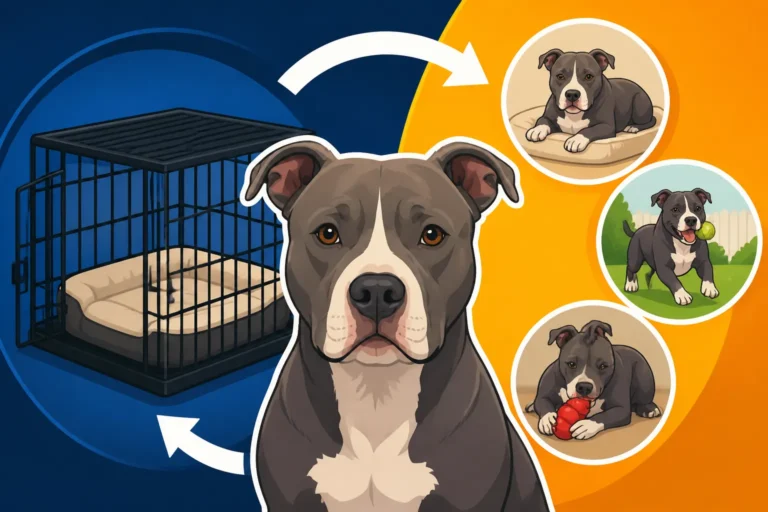
- Safe Chewing Outlets: To prevent Pit Bull Chewing Through Furniture and Crates, always have appropriate, durable chew toys readily available. Rotate them to keep things interesting. If you find your Pit Bull is particularly destructive, ensure they have access to chews that are safe and appropriately challenging for their strong jaws.
Seeking Support When You Need It
It's easy to feel overwhelmed during this period, especially with the added scrutiny Pit Bull owners often face. Don't be afraid to ask for help.
- Professional Trainer: Consider enrolling in an advanced obedience class or hiring a certified professional dog trainer who has experience with powerful, adolescent breeds. They can offer tailored advice and help you troubleshoot specific issues. Look for trainers who use positive reinforcement methods.
- Veterinarian Check-up: Sometimes, a sudden change in behavior can have a medical cause. A quick vet check can rule out any underlying health issues.
- Community and Support Groups: Connect with other Pit Bull owners, either online or in person. Sharing experiences and strategies can be incredibly validating and helpful. Many Pit Bull-specific rescue groups also offer support and resources.
- Consider a Canine Good Citizen (CGC) Program: Working towards a Canine Good Citizen Testing With a Pit Bull title can be an excellent way to structure your training goals and gain valuable skills that will serve your dog throughout its life. It's a fantastic way to bond and build confidence in both of you.
Remember, adolescence is a temporary phase. With patience, consistent effort, and a whole lot of love, your Pit Bull will grow into a well-mannered, confident adult.
Common Adolescent Pit Bull Behavior Challenges and Solutions
Navigating the "teenage months" with a Pit Bull can bring a unique set of challenges. It's not uncommon for owners to suddenly feel like they're back to square one, but with understanding and consistent strategies, you can guide your dog through this period. Let's look at some common issues and how to tackle them.
| Behavior Challenge | Why It Happens in Adolescence | Solutions & Strategies |
|---|---|---|
| Leash Pulling | Increased strength, hormones, desire to explore, less impulse control. | Use a front-clip harness or head halter. Practice "stop and go" (stop when they pull, walk when slack). Reward loose leash. |
| Selective Hearing / Poor Recall | Distractions overpower developing impulse control, testing boundaries. | Practice recall in low-distraction environments first, then gradually add distractions. Use high-value treats. Make coming to you a party. Always reward when they return, even if it was slow. |
| Destructive Chewing | Boredom, excess energy, relief from teething (molars still coming in), stress. | Provide appropriate, durable chew toys (e.g., from Amazon). Ensure sufficient mental and physical exercise. Crate training when unsupervised. |
| Jumping on Guests | Over-excitement, lack of impulse control, seeking attention. | Teach a "sit-stay" when greeting. Have guests ignore jumping, only giving attention when all four paws are on the floor. Use a leash to manage during greetings. |
| Housetraining Accidents | Testing boundaries, increased marking behavior (males), excitement, slight regression. | Revisit puppy housetraining basics: frequent, scheduled potty breaks. Supervise closely indoors. Reward successful outdoor potty. Clean accidents thoroughly with enzymatic cleaner. |
| Increased Reactivity | Hormonal changes, fear period, lack of confidence, perceived threats. | Identify triggers. Create distance from triggers. Counter-conditioning and desensitization with a professional trainer. Muzzle training for safety and peace of mind (e.g., Choosing a Basket Muzzle for a Pit Bull). |
| Dog Selectivity | Social maturity, hormonal changes, refinement of play style. | Supervised play only with known, appropriate dogs. Avoid dog parks during this phase. Teach "leave it" and "look at me" around other dogs. |
Building a Stronger Bond Through Training
This phase, while challenging, is also a prime opportunity to forge an incredibly strong bond with your Pit Bull. Every time you patiently guide them, redirect their energy, and celebrate their small successes, you're building trust and communication. Companies like BAXTER & Bella offer comprehensive online training programs that can be incredibly useful during these adolescent months, providing structured lessons and live support to help you through the trickiest bits.
Think of it as an investment. The effort you put in now, especially in reinforcing positive behaviors and clear boundaries, will pay dividends for the rest of your Pit Bull's life. Don't fall into the trap of becoming frustrated and giving up. Your Pit Bull needs your consistent leadership and understanding now more than ever. They're trying to figure out their place in the world, and you are their most important guide. Keep training fun, keep it positive, and keep those high-value treats handy!
Disclaimer
This article is for general informational purposes only and does not constitute professional advice. Laws, prices and regulations vary by location and change over time. Consult a qualified professional for guidance on your specific situation.