Whether a Pit Bull Belongs at a Dog Park
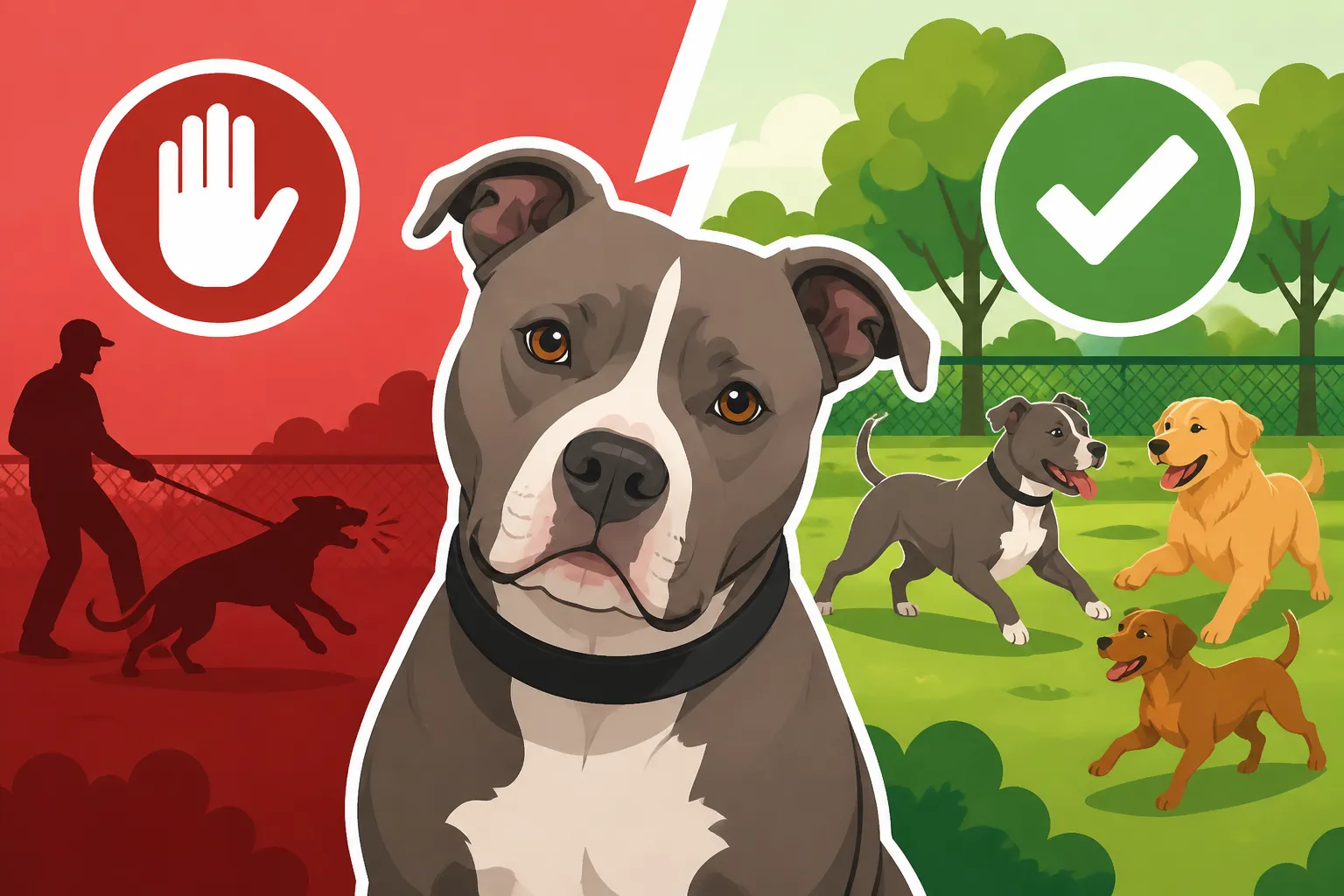
Many Pit Bull owners dream of taking their beloved dog to the local dog park, imagining carefree romps and happy interactions with other pups. However, the reality for a Pit Bull can be vastly different, often fraught with misunderstandings, unfair judgments, and a higher risk of incidents than for many other breeds. This guide aims to address the common frustrations and anxieties Pit Bull owners face regarding dog parks, helping you make an informed decision about whether these spaces are truly a safe and enriching environment for your individual dog.
Understanding the Unique Challenges Pit Bull Owners Face at Dog Parks
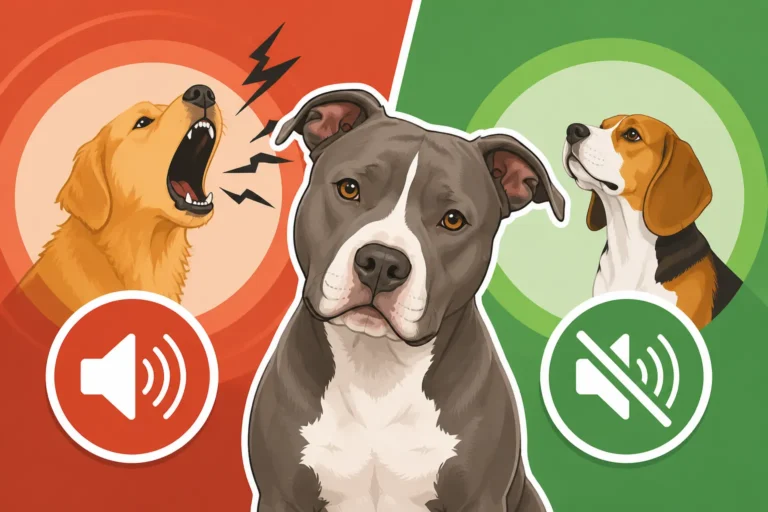
Bringing a Pit Bull to a dog park isn't the same as bringing a Golden Retriever or a Poodle. There's an undeniable layer of societal scrutiny and ingrained stereotypes that makes every interaction, every play session, and every minor incident feel magnified.
Public Perception and Breed Bias
It’s an unfortunate truth that Pit Bulls often walk into a dog park with a preconceived notion attached to their name. Many people, influenced by media portrayals or outdated beliefs, harbor a sense of apprehension or outright fear when they see a Pit Bull type dog. This isn't fair, and it's incredibly frustrating for responsible owners, but it's a reality we have to acknowledge.
This breed bias means your Pit Bull will likely be under a microscope. A playful nip that might be ignored if it came from a Labrador could be seen as an act of aggression from your Pit Bull. A boisterous wrestling match that's typical for the breed might send other owners scrambling to pull their dogs away, convinced something dangerous is about to happen. This constant scrutiny puts immense pressure on you, the owner, to be hyper-vigilant and often leaves you feeling defensive or isolated. It’s hard to relax and let your dog be a dog when you're constantly anticipating judgment or preparing for a misunderstanding. This underlying tension can even transfer to your dog, making them less comfortable in what should be a fun environment.
Pit Bull Play Style and Potential Misunderstandings
Pit Bulls are powerful, athletic dogs with a distinctive play style. They love to wrestle, body-slam, and engage in vigorous, physical games. Their play can often look much rougher than that of other breeds, involving a lot of body contact, open-mouthed 'play biting' (without actual bite pressure), and vocalizations that might sound alarming to the uninitiated. This isn't aggression; it's just how many of them interact.
The challenge at a dog park is that other dogs and their owners may not understand this physical language. A smaller, more delicate dog might genuinely be overwhelmed or even injured by a Pit Bull’s enthusiastic wrestling, even if your dog intends no harm. Conversely, other dogs might react defensively to your Pit Bull's intense play style, escalating what started as a friendly game into a real conflict. It's a tricky balance, as your dog is just being themselves, but their natural exuberance can be misinterpreted, leading to unnecessary tension and potential incidents. For a deeper understanding of typical Pit Bull social dynamics, you might find Pit Bull Play Style and Rough Games insightful.
Dog Selectivity and Maturity
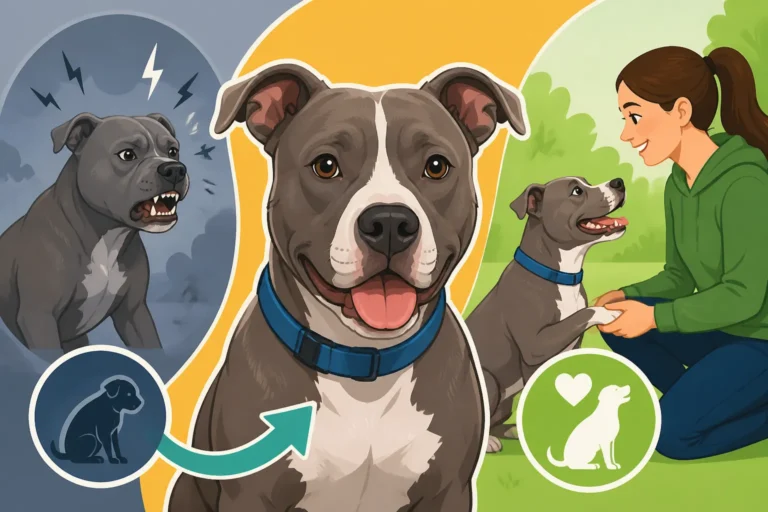
A critical factor for many Pit Bull owners to consider is the common development of "dog selectivity" as these dogs mature. What might start as a friendly, outgoing puppy can often evolve into an adult dog who, while perfectly amiable with people, becomes discerning about which dogs they truly enjoy interacting with. This isn't the same as aggression; it’s more about a preference for specific playmates, often those who match their play style or energy level, and an intolerance for rude or overly pushy dogs.
This dog selectivity often begins to manifest as a Pit Bull approaches social maturity, typically between one and three years of age. A dog who happily romped with all comers as a puppy might suddenly become stiff, avoidant, or even reactive towards certain dogs. Dog parks, by their very nature, are a free-for-all of different temperaments, play styles, and social skills. For a dog with developing dog selectivity, this chaotic environment can be incredibly stressful and prone to triggering negative interactions. It's not a flaw in your dog; it's simply a common trait in many bully breeds. Understanding What Dog Selectivity Means in a Pit Bull is crucial here, as it helps you move away from viewing your dog as "bad" and instead recognize a natural inclination that requires responsible management.
Assessing Your Pit Bull's Suitability for a Dog Park
Before even considering a dog park, an honest and thorough evaluation of your Pit Bull's temperament, training, and your own capabilities as a handler is absolutely essential. This isn't about wishing your dog was different; it's about acknowledging who they are and what environments genuinely set them up for success.
Honest Evaluation of Your Dog's Temperament
This is perhaps the most crucial step. You know your dog better than anyone, but sometimes love can make us a little blind to their weaknesses. Take a step back and objectively assess your Pit Bull's personality, especially in the presence of other dogs. Do they get easily overstimulated? Do they show any signs of resource guarding, even subtle ones, around toys or even you? How do they react to dogs that are pushy, frantic, or overly dominant? Look for stress signals like lip licking, yawning, stiff body posture, averted eyes, or whale eye.
Some Pit Bulls are simply not built for the unpredictable nature of a dog park, and that's okay. It doesn't make them a bad dog, just a dog who thrives in more controlled social settings. If your Pit Bull has a history of reactivity, even minor scuffles, or exhibits any form of prey drive towards smaller, fast-moving animals, a dog park is likely a recipe for disaster. The dynamic environment, with dogs of all sizes and energy levels, can quickly escalate a minor issue into a serious one. Remember, you're not just evaluating your dog in a perfect scenario; you're evaluating them in the worst-case scenario a dog park might present.
The Importance of a Solid Training Foundation
If you're still considering a dog park, your Pit Bull absolutely must have a rock-solid foundation of obedience and impulse control. Basic commands like "sit" and "stay" are just the starting point. You need a reliable recall, even with strong distractions, because dog parks are full of them. A solid "leave it" command is vital for preventing your dog from engaging in unwanted interactions or picking up discarded items. Building a Pit Bull's Impulse Control is a lifelong endeavor, but it's especially critical in public settings.
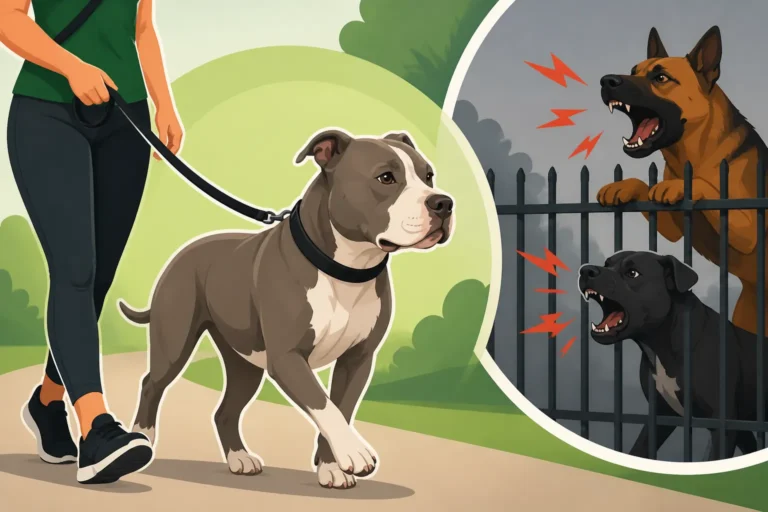
Furthermore, their leash manners must be impeccable. While dog parks are off-leash zones, the approach and exit often require dogs to be leashed, and a pulling Pit Bull can create immediate tension. Pit Bull Leash Manners and Physical Strength are not just about politeness; they're about maintaining control in potentially high-stress situations. Consider working with a professional trainer who understands the breed's specific needs. They can help you refine these skills. Tools like a sturdy, well-fitting front-clip harness, easily found on Amazon, can offer better control during leashed portions of the visit. Consistent training, perhaps with a program like BAXTER & Bella, can equip you with the skills to handle your dog confidently in any environment, whether it's a dog park or a quiet trail.
Understanding Dog Park Dynamics and Risks
Dog parks, despite their intentions, are inherently risky environments. They are unregulated social experiments where a wide variety of dogs, with unknown histories and varying levels of social skills, are thrown together. The owners themselves also contribute to the unpredictability; some are attentive, others are engrossed in their phones, oblivious to their dog's behavior. There's no consistent supervision, no guarantee of appropriate play, and often, an uneven ratio of dog experience among owners.
Think about it: you could have an unsocialized, fearful dog, an intact male with poor manners, a high-prey-drive terrier, and a tiny chihuahua all in the same space. An incident isn't always about your Pit Bull being "the aggressor"; it can be about another dog escalating, or a simple accident during play. A Pit Bull's power means that even a defensive reaction or an accidental injury carries a heavier consequence due to the breed's physical capabilities and public perception. Knowing Reading a Pit Bull Before a Scuffle Starts can help you intervene early, but in the chaos of a dog park, quick intervention is incredibly difficult. You are ultimately responsible for your dog's actions, and in such a volatile environment, that's a heavy burden to bear.
| Factor | Dog Park Risks for Pit Bulls | Alternative Socialization Benefits |
|---|---|---|
| Public Perception | High scrutiny, immediate judgment, increased risk of blame for incidents. | Controlled environment, positive interactions build confidence, less external pressure. |
| Play Style | Physical play easily misinterpreted, potential for injury to smaller dogs, conflict with reactive dogs. | Matched playmates enjoy similar styles, reduced risk of misunderstanding or accidental injury. |
| Dog Selectivity | Overwhelm from varied temperaments, increased stress, higher likelihood of reactive episodes. | Choice of compatible friends, gradual introductions, focus on quality over quantity of dog interactions. |
| Training Needs | Requires absolute perfect recall and impulse control in chaotic settings, high stakes if commands fail. | Commands reinforced in lower distraction environments, builds confidence for handler and dog, focus on specific skill development. |
| Overall Control | Little to no control over other dogs/owners, high unpredictability. | Full control over environment, playmates, duration, and intensity of interactions. |
Alternatives to Traditional Dog Parks for Pit Bull Socialization and Exercise
If you've assessed your Pit Bull and the dog park environment and decided it's not the best fit – which, honestly, is a very responsible and common conclusion for many bully breed owners – don't despair! There are countless ways to provide your Pit Bull with fulfilling exercise, mental stimulation, and appropriate socialization without the risks of a public dog park.
Curated Playdates and Structured Groups
One of the best alternatives is to arrange one-on-one playdates with dogs you know are compatible with your Pit Bull. This allows for controlled introductions and ensures that both dogs have similar play styles and temperaments. Seek out friends or family members with stable, social dogs who understand and appreciate the robust play of a Pit Bull. These encounters can be supervised closely, and you can intervene if play gets too intense.
Another fantastic option is exploring supervised doggy daycare facilities that specifically cater to different play styles and temperaments. Many reputable daycares conduct thorough intake evaluations to ensure dogs are a good fit for their groups and often separate dogs by size and play energy. This professional environment provides controlled socialization and enrichment without you needing to manage the unpredictable nature of a public park. Similarly, look for organized training classes or breed-specific meetups in your area. These groups often have experienced handlers and trainers present, creating a safer and more structured social setting.
Engaging Activities Beyond Off-Leash Romps
Your Pit Bull is a highly intelligent and athletic dog who craves engagement. Off-leash romps at a dog park are just one way to burn energy. Consider incorporating activities that build your bond and challenge your dog mentally and physically. Long-line walks in quiet, safe areas away from heavy traffic or other dogs can provide a sense of freedom and exploration without the risks. A high-quality long line, available on Amazon, can be a game-changer for these adventures.
Scent work classes are incredible for tapping into a dog’s natural instincts and providing immense mental stimulation. Obedience classes, even advanced ones, not only strengthen your control but also offer a structured social outlet. Many Pit Bulls excel in dog sports like agility, flyball, or even dock diving, which provide a safe, controlled, and competitive outlet for their energy and drive. Puzzle feeders and durable chew toys, especially when you're working on High-Value Treats That Hold a Pit Bull's Focus, can also provide hours of mental engagement at home. Remember, physical exercise should be tailored to their age; The Daily Exercise a Pit Bull Actually Needs will vary from puppy to senior.
The Value of Solo Adventures and Family Time
It's important to remember that not every dog needs constant dog-dog interaction to be happy and well-adjusted. Many Pit Bulls are incredibly people-focused and derive immense joy and fulfillment from spending quality time with their human family. Focusing on building a strong bond with your dog through individual training, adventures, and cuddle time is often more enriching than forced, stressful interactions with unfamiliar dogs.
Embrace solo hikes, trips to pet-friendly stores during quieter hours, or even just exploring new neighborhoods on a structured walk. These experiences allow your Pit Bull to engage with the world on your terms, without the pressure of other dogs. Providing enrichment at home, through training games, chew toys, or even just consistent routines, can make a huge difference in their overall well-being. Ultimately, your Pit Bull's happiness and safety are paramount, and sometimes, that means prioritizing quality, controlled interactions and fulfilling individual activities over the unpredictable free-for-all of a dog park.
Disclaimer
This article is for general informational purposes only and does not constitute professional advice. Laws, prices and regulations vary by location and change over time. Consult a qualified professional for guidance on your specific situation.