Teaching a Pit Bull Puppy a Soft Mouth
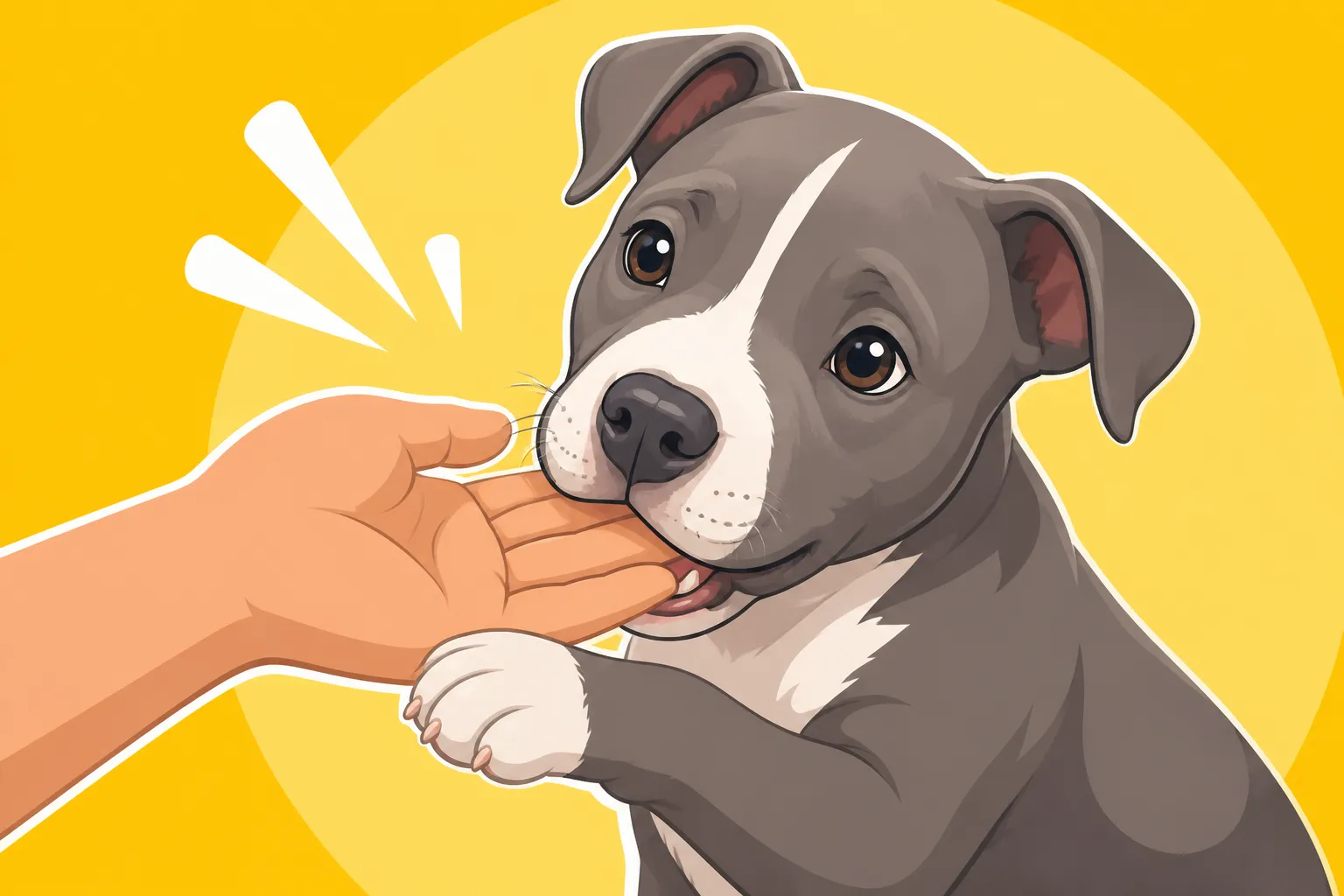
There are few things as adorable as a Pit Bull puppy, but that cuteness often comes with a set of needle-sharp teeth and a strong desire to explore the world with their mouth. If you’ve got a land shark nipping at your heels and hands, it’s completely normal to feel a mix of frustration and worry. You want to nip this behavior in the bud, not just for your comfort, but to ensure your powerful puppy grows into a gentle, well-mannered adult. This guide will walk you through proven strategies to teach your Pit Bull puppy to have a soft mouth, making interactions pleasant and building a foundation of trust.
Understanding Puppy Nipping and Why It's Normal
Let's be real, a puppy that constantly nips and mouths can be pretty annoying, and sometimes downright painful. But before you get too frustrated, it's important to understand that this behavior isn't usually malicious. It's a completely natural, and in many ways, crucial part of a puppy's development. Think of it as their way of exploring their world, much like a human baby puts everything in its mouth.
The Natural Development of Bite Inhibition
In the wild, puppies learn what's acceptable from their littermates and their mother. When a puppy bites another puppy too hard during play, the bitten puppy will often yelp and stop playing. This teaches the offender that "too hard bite equals no more fun." Their mother also plays a huge role, correcting overly enthusiastic nipping with a growl or a firm muzzle grab. This natural feedback loop is how puppies learn "bite inhibition," which means they learn to control the force of their bite.
When a puppy comes into your home, you become their primary teacher. It's now your job to provide that crucial feedback, teaching them the boundaries of acceptable mouthing. This isn't about stopping them from using their mouth entirely – that's impossible for a puppy – but about teaching them how to use it gently. It's a critical skill, especially for a breed like the Pit Bull, known for its powerful jaw strength. Mastering this early on can prevent a lot of headaches (and finger aches!) down the line.
The Difference Between Play Biting and Aggression
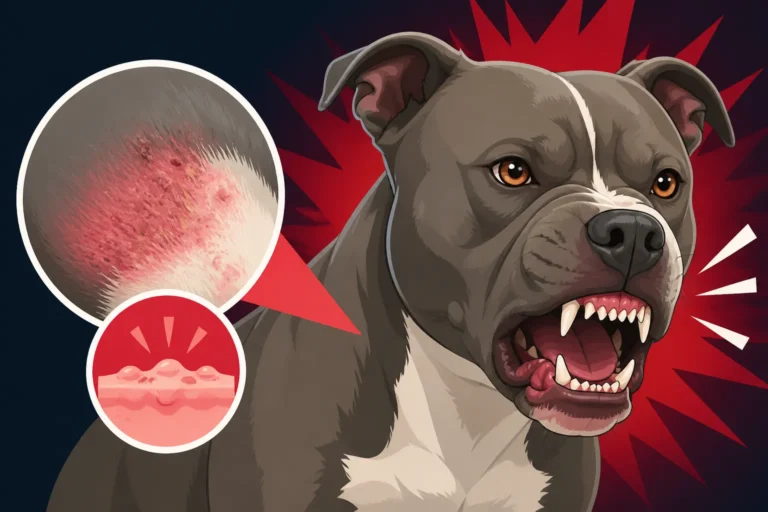
It's common for new Pit Bull owners, especially, to worry that their puppy's playful nips might escalate into aggression. Let's put those fears to rest: a puppy's play biting is almost always just that—play. They're testing boundaries, learning about pressure, and engaging in natural canine behavior. Aggression, on the other hand, involves intent to harm, often accompanied by stiff body language, sustained growling, snarling, or snapping with no immediate release.
Most Pit Bull puppies are incredibly social and loving, and their mouthing is simply part of their boisterous, interactive play style. The goal of bite inhibition training isn't to make them stop using their mouths, but to teach them that human skin is fragile and requires extreme gentleness. If your Pit Bull puppy bites hard, it means they need more practice with pressure control, not necessarily that they are aggressive. Understanding this distinction can help you respond appropriately and patiently, guiding them rather than punishing them for natural behavior. It’s about channeling that powerful mouth into appropriate outlets. For more on this, you might find our guide on Pit Bull Bite Inhibition and Mouthing helpful.
Essential Techniques for Teaching Bite Inhibition
Teaching bite inhibition requires patience, consistency, and a clear understanding of how puppies learn. It's a multi-faceted approach, focusing on providing immediate feedback and redirecting their natural instincts.
The "Yelp and Withdraw" Method
This is one of the most effective ways to mimic how puppies learn from each other. When your Pit Bull puppy mouths you a bit too hard, here’s the drill:
- Emit a high-pitched yelp: Think like a puppy that's been bitten too hard. A sharp "ouch!" or a high-pitched "yip!" will startle your puppy.
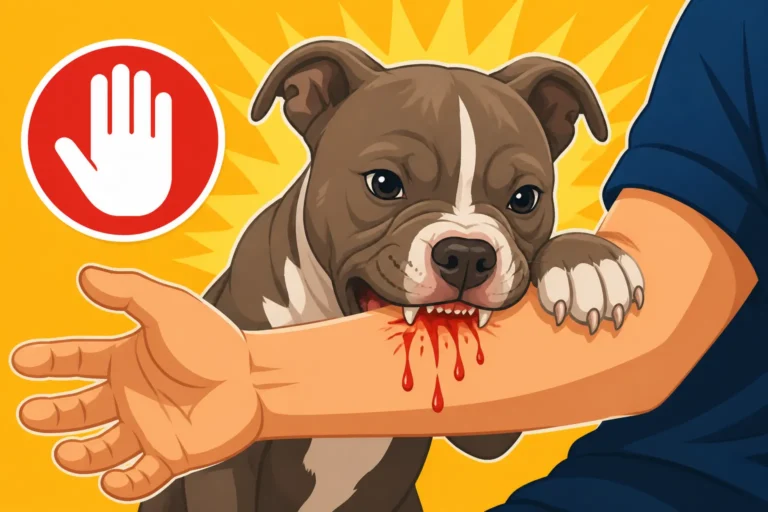
- Immediately withdraw: Pull your hand or body part away, and stand up or turn your back. End all interaction for 10-20 seconds. This sends a clear message: "Ouch! Fun stops now."
- Ignore: During this brief timeout, completely ignore your puppy. No eye contact, no talking, no touching. This teaches them that biting too hard makes the "fun human" disappear.
- Resume gently: After the brief timeout, you can resume interaction. If the puppy nips gently, praise them. If they bite hard again, repeat the yelp and withdraw.
The key here is consistency. Every single time those teeth press too hard on your skin, the game stops. Your puppy will quickly learn that gentle mouths keep the play going, and hard mouths end it. It’s also crucial that everyone in the household follows the same rules, so the message is consistent.
Redirection to Appropriate Chews
Puppies, especially Pit Bulls, have a strong instinct to chew. It helps them explore, relieves teething discomfort, and is a natural stress reliever. Instead of fighting this instinct, you need to redirect it to appropriate outlets. Always have a variety of chew toys readily available. When your puppy starts to mouth you, immediately offer them a toy instead.
Keep a mental list of your puppy's favorite textures and shapes for chewing. Durable, rubber toys that can withstand strong jaws are often a good investment. Many excellent options for robust chew toys are available on Amazon, ranging from Kongs to Nylabones designed for power chewers. When they take the toy, offer enthusiastic praise. This teaches them, "Yes! This is what you should chew on." Make sure the toys are always within reach, especially during play sessions where mouthing is more likely to occur. This proactive approach helps to substitute an unwanted behavior with a desirable one. If you're struggling with persistent nipping, our guide on Redirecting a Pit Bull Puppy Onto a Chew provides more in-depth strategies.
Managing Over-Excitement and Nap Times
Just like human toddlers, puppies can get cranky and over-stimulated when they're tired. An overtired Pit Bull puppy is often a mouthy, nippy, and less responsive puppy. If your puppy seems to be biting more intensely or frequently, especially after a burst of activity, they might need a nap.
Encourage regular, scheduled naps in a quiet, safe space like their crate. Don't wait for them to crash; enforce downtime. A good rule of thumb is that puppies need about 18-20 hours of sleep per day. Recognizing the signs of over-stimulation – zoomies, frantic biting, ignoring cues – can help you intervene before the nipping spirals out of control. Sometimes, simply putting your puppy in their crate with a chew toy for a quiet break is all it takes to reset their behavior and prevent those painful, sharp nips.
Advanced Strategies and Common Pitfalls
Once your Pit Bull puppy starts understanding the basics of bite inhibition, you can introduce more nuanced training to refine their gentle mouth skills and prevent regressions.
Hand-Feeding and Gentle Mouth Games
One fantastic way to teach a Pit Bull puppy how to be incredibly gentle with their mouth is through hand-feeding. Instead of simply dumping their kibble into a bowl, hold small portions of their meal in your open palm. When they approach to eat, they'll naturally be more careful not to nip your hand. If they do nip, gently withdraw your hand (and the food) for a few seconds, then offer it again. They quickly learn that gentle means food, and hard means no food. This exercise builds tremendous trust and reinforces the idea of a soft mouth around human hands.
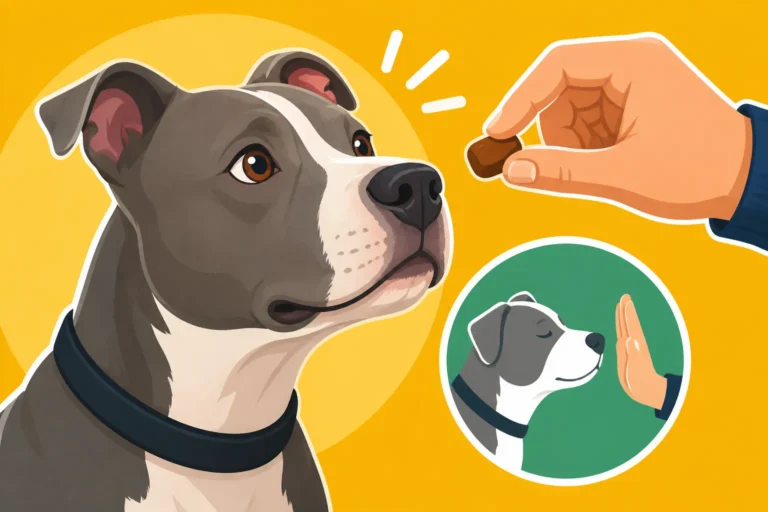
You can also play gentle mouth games. For instance, hold a treat loosely in your fingers and ask for a "gentle" take. If they snatch it, your hand closes, and they don't get the treat. If they take it softly, lavish them with praise. Another game involves gently handling their muzzle and paws, rewarding them with treats for calm acceptance. This helps them associate positive experiences with being touched, which is crucial for vet visits and grooming throughout their life. This approach ties into the idea of Consent Based Handling With a Pit Bull, fostering a respectful relationship.
Avoiding Rough Play That Encourages Biting
While playing with your Pit Bull puppy is essential for bonding and exercise, it's vital to ensure your play style doesn't inadvertently encourage hard biting. Wrestling with your hands, allowing them to mouth your arms during tug-of-war, or engaging in "roughhousing" where teeth on skin are ignored can confuse your puppy. They might think that all human-dog play involves teeth, making it harder for them to differentiate between appropriate and inappropriate mouthing.
Instead, stick to games that involve toys between you and your puppy. Tug-of-war with a sturdy rope toy is excellent, but ensure the rules are clear: the toy is the target, not your hand. If their teeth accidentally touch your skin, immediately stop the game with a yelp and disengage, just like the "yelp and withdraw" method. Only resume play when they have calmed down and are focused solely on the toy. This teaches them that teeth on human skin always means play stops, no exceptions.
When to Seek Professional Help
Most Pit Bull puppies can learn excellent bite inhibition with consistent effort from their owners. However, there are times when professional guidance is invaluable. If your puppy's biting seems unusually intense, is accompanied by growling or snapping with a clear intent to cause harm (not just play nips), or if you feel overwhelmed and unsure how to proceed, don't hesitate to reach out to a certified professional dog trainer or a veterinary behaviorist.
These experts can assess your puppy's specific behavior, identify any underlying issues, and provide tailored strategies. They can also help you read your Pit Bull's body language more accurately and build a stronger communication system. Finding a trainer experienced with powerful breeds like Pit Bulls is particularly important, as they understand the breed's nuances and typical developmental stages. Online resources, such as those offered by BAXTER & Bella, can also be a great starting point for foundational training programs and support, connecting you with experienced trainers and structured curricula designed to address common puppy challenges, including bite inhibition. Remember, asking for help is a sign of a responsible owner, not a failure.
Maintaining a Soft Mouth as Your Pit Bull Grows
Teaching bite inhibition isn't a "one and done" deal. It's a continuous process that evolves as your Pit Bull puppy matures into an adolescent and then an adult. The consistency you establish in the early months will pay dividends, but you’ll need to reinforce it.
Consistency Through Adolescence
Ah, the teenage months! Just like human teenagers, adolescent Pit Bulls (roughly from 6 months to 2 years) can sometimes test boundaries and seem to "forget" their training. This is a normal phase, but it means you can't slack off on your soft mouth training. If your now-larger, stronger Pit Bull starts getting mouthy again, revert to the initial "yelp and withdraw" and redirection methods. They need to be reminded that the rules still apply, regardless of their age or size.
This period is critical for cementing good habits. Continue to reward gentle interactions and immediately shut down any overly exuberant mouthing. Their jaws are much stronger now, so reinforcing that soft mouth is even more important for safety and comfort. For more insights into this challenging yet rewarding stage, read our article on The Month a Pit Bull Starts Pushing Back.
Continuing Chew Management
As your Pit Bull grows, their chewing needs will change. They'll lose their puppy teeth and grow in strong, adult teeth. This means they'll need even more durable and appropriate chew toys. Investing in high-quality, long-lasting chews is crucial. Always supervise new chews to ensure they are safe and don't pose a choking hazard or risk breaking teeth.
Avoid giving your Pit Bull anything that is too hard, like antlers or very dense bones, as these can easily chip or fracture their powerful molars. Focus on sturdy rubber toys or dental chews designed for strong chewers. Having these appropriate outlets helps prevent them from turning their attention to your furniture or, worse, your hands. Maintaining a consistent supply of these items is vital for their well-being and your peace of mind. For advice on what to choose, check out Chews That Do Not Crack Pit Bull Teeth.
Handling and Grooming for Life
A Pit Bull with a soft mouth isn't just about preventing painful nips during play; it's about making all handling experiences positive and stress-free. From routine nail trims to ear cleanings and vet visits, your dog will need to tolerate being handled all over their body. Start practicing gentle handling from puppyhood: touch their paws, look in their ears, examine their mouth, and gently feel all over their body, always pairing it with calm praise and high-value treats.
This desensitization helps them learn that being touched is a good thing and nothing to be worried about. If they remain calm and gentle, they get rewards. If they react negatively (though not aggressively), back off slightly and restart with less intensity, gradually increasing as they tolerate it. This proactive approach will make future grooming sessions and veterinary examinations much smoother for both you and your Pit Bull. Our guides on Teaching a Pit Bull to Tolerate Ear Cleaning and A Weekly Toothbrushing Routine for a Pit Bull offer specific techniques for these important care routines.
| Behavior Type | Description | Your Response |
|---|---|---|
| Acceptable Mouthing | Puppy gently mouths your hand during play, no pressure or pain, often followed by a lick. | "Good gentle!" Offer soft praise. Briefly continue play. This reinforces that gentle interaction is rewarding. |
| Too Hard Nipping | Puppy's teeth press too hard on skin, causing discomfort or mild pain, but still playful in nature. | "OUCH!" (high-pitched yelp). Immediately withdraw your hand/body. Stop all play for 10-20 seconds. Ignore the puppy. Resume play gently after the timeout. Repeat if necessary. |
| Redirection Needed | Puppy consistently tries to mouth hands/clothing, even if gently, but you'd prefer they didn't. | Immediately offer an appropriate chew toy. When they take the toy, praise them enthusiastically: "Yes! Good chew!" This channels their mouthy energy to the right object. |
| Over-Excited Biting | Frenetic, uncontrolled nipping and jumping, often when the puppy is tired, over-stimulated, or ignoring cues. | End interaction immediately. Guide the puppy to their crate for a forced nap or quiet time with a safe chew. Give them space to decompress. Avoid escalating the play. |
| Aggressive Biting | Growling, snarling, snapping with intent to harm, stiff body, hackles raised, not a playful nip. Rare in puppies but serious if observed. | Immediately and safely disengage. Do not punish, as this can escalate aggression. Seek professional help from a certified veterinary behaviorist or a force-free trainer without delay. This is beyond basic bite inhibition training. |
Disclaimer
This article is for general informational purposes only and does not constitute professional advice. Laws, prices and regulations vary by location and change over time. Consult a qualified professional for guidance on your specific situation.