A Pit Bull Snapping During a Skin Flare
It’s utterly heartbreaking when your sweet, usually unflappable Pit Bull, who you know inside and out, suddenly snaps or growls when you try to tend to a patch of itchy skin. This isn't just a behavior problem; it’s a cry for help rooted in discomfort, pain, and sometimes fear. This guide is here to walk you through why your beloved Pit Bull might be reacting this way during a skin flare and, more importantly, how to prevent, manage, and treat these situations with empathy and effective strategies.
Understanding Why Skin Flares Lead to Snapping
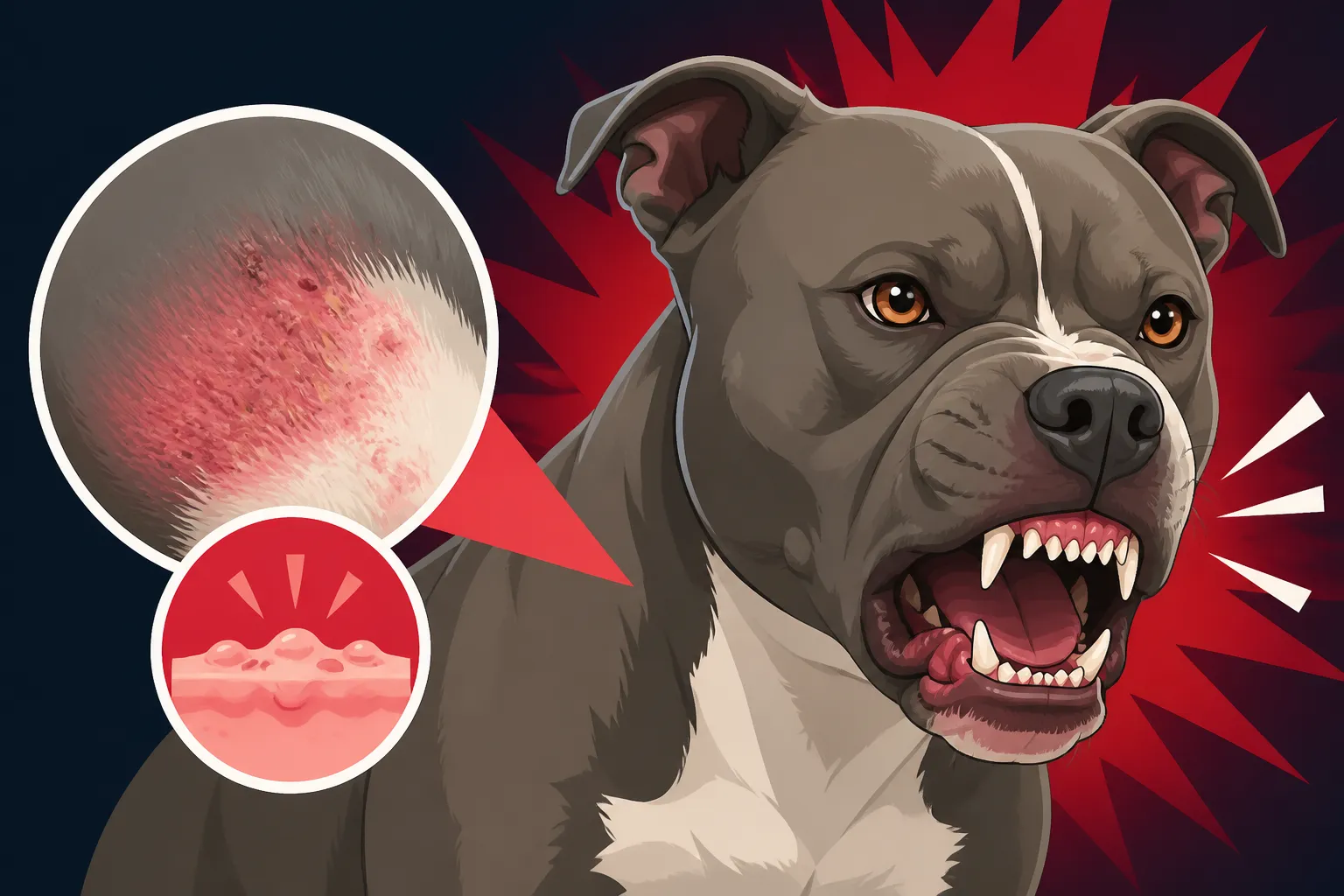
When a dog who is normally gentle suddenly shows aggression, especially towards their trusted human, it almost always stems from pain or profound discomfort. Skin flares are not just cosmetic; they can be incredibly painful, itchy, and irritating, turning even the most tolerant dog into a sensitive, reactive individual.
The Link Between Pain and Behavior
Imagine having a terrible, persistent itch or a raw, burning patch of skin that you can't scratch adequately. Now imagine someone trying to touch that area, perhaps with good intentions, but to you, it just feels like more agony. That's often what our Pit Bulls experience. They are known for their incredible stoicism, often hiding pain far longer and better than many other breeds. This can be a double-edged sword: you might not realize just how much they're suffering until their discomfort boils over into a protective growl or snap.
Chronic irritation, whether it's from incessant itching, secondary infections like yeast or bacteria, or the raw, inflamed tissue of a "hot spot," can truly erode a dog's patience and tolerance. A dog that would normally lean into your touch might flinch, tense up, or even give a quick, sharp bark when you near the affected area. This isn't a sudden personality change; it’s a symptom of overwhelming physical distress. It’s vital to remember that their reaction isn’t personal; it’s instinctual self-preservation when they're feeling vulnerable and hurting. Your loyal companion is telling you, in the clearest way they know, that something hurts and they need relief.
Recognizing Subtle Signs of Discomfort Before a Snap
A snap or a growl is rarely the first warning sign your Pit Bull gives. Dogs, being masters of non-verbal communication, will almost always offer a series of more subtle signals long before resorting to a direct warning. The challenge for us as owners is learning to read these nuanced cues, especially when they are under the stress of a skin flare.
Look for changes in their body language. Before you even touch them, are they lip-licking excessively, yawning when not tired, or avoiding eye contact? Do they turn their head away, offer a soft whale eye (where the whites of their eyes are visible), or simply stand up and walk away when you approach with the intention of grooming or examining them? Their body might become stiff, their tail might tuck slightly, or their ears might flatten. A low, rumbling growl, a stiffened posture, or even a quick air snap can all precede a full-blown bite. These are all part of their canine communication, indicating their discomfort is escalating. If you notice these, it’s a clear signal to stop what you're doing, give them space, and reassess the situation.
Common culprits for this level of discomfort include widespread Pit Bull Skin Allergies and the Atopy Pattern, which can make their whole body itchy and miserable, or isolated but intense issues like Pit Bull Hot Spots and Secondary Infection that appear seemingly overnight and are incredibly painful. Sometimes it's a persistent, creepy-crawly feeling from something like Demodex Mange in a Pit Bull that makes their skin feel alive with irritation. Learning to spot these earlier, more subtle signs allows you to intervene before your dog feels compelled to escalate their warnings to a snap.
Immediate Steps When Your Pit Bull Snaps Due to a Skin Flare
When a snap happens, your immediate reactions are critical for everyone’s safety and for beginning the process of understanding and resolution. It can be a shocking and upsetting experience, but maintaining calm is paramount.
Prioritizing Safety and De-escalation
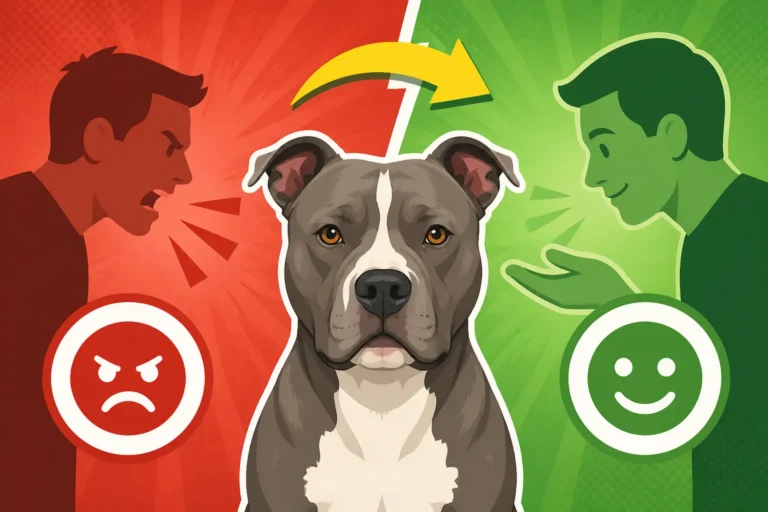
The absolute first priority is safety for everyone involved. If your Pit Bull has snapped, calmly create space. Do not corner them or continue to press into their personal space. Step back, speak in a low, soothing tone, and give them room to move away if they wish. Avoid any actions that might be perceived as confrontational or threatening, such as scolding, staring directly at them, or reaching out suddenly. Punishing a growl or snap, while a natural human reaction to being startled or hurt, is counterproductive. A growl is a warning system; if you punish it, you teach your dog to suppress the warning, meaning the next time they might go straight to a bite without giving you any indication beforehand.
In these moments of high stress and potential pain, having already started Muzzle Training Every Pit Bull Should Have can be a lifesaver. A well-conditioned muzzle is not a punishment; it's a safety tool that allows you to safely examine or administer necessary treatments without fear of injury, protecting both you and your dog. If your Pit Bull is in severe pain, a muzzle can allow your vet or even you to apply a temporary bandage or administer emergency medication more safely until professional help is available. Always use positive association with the muzzle, ensuring it's a comfortable experience, not a scary one.
Identifying the Source of the Pain
Once space is created and everyone is safe, you need to identify the immediate source of the pain. Perform a gentle, visual check from a distance. Are there obvious red, raw patches, scabs, or hair loss? Is your dog incessantly licking or chewing a particular area, like their paws or belly? Do their ears look red, swollen, or have a foul odor, which could indicate an ear infection?
Sometimes, the culprit is obvious, like a raging hot spot that has appeared overnight. Other times, it might be more subtle, indicating widespread skin inflammation. If you can clearly see a visible injury, or if your dog is exhibiting signs of extreme pain, lethargy, or other concerning symptoms, a visit to the veterinarian should be your very next step. Do not try to diagnose or treat severe skin conditions yourself, as many require prescription medication or specific treatments. Getting a proper diagnosis for the underlying skin issue, perhaps through Pit Bull Skin Allergy Testing, is crucial. Without addressing the root cause, the snapping behavior during flares will likely continue.
Long-Term Management for Preventing Future Snapping Incidents
Preventing future snapping incidents means taking a holistic approach, focusing on both the physical health of their skin and their emotional well-being. This requires a dedicated partnership with your veterinarian and a commitment to understanding your Pit Bull's needs.
Comprehensive Veterinary Care for Skin Conditions
The cornerstone of long-term prevention is diligent veterinary care. Work closely with your vet to get a definitive diagnosis for your Pit Bull's skin condition. This might involve skin scrapes, fungal cultures, allergy testing, or biopsies. Once the diagnosis is clear, adhere strictly to the prescribed treatment plan. This could include oral medications (antibiotics for bacterial infections, antifungals for yeast, anti-inflammatories for itching), topical treatments like sprays or creams, or a regular regimen of Medicated Baths for a Pit Bull With Atopy.
Dietary management is also frequently part of the solution, especially if food allergies are suspected. Your vet might recommend An Eight Week Food Trial on an Itchy Pit Bull using a novel protein or hydrolyzed diet. This kind of trial is meticulous and requires strict adherence to ensure accurate results. Regular follow-up appointments are vital to monitor progress, adjust medications as needed, and catch any potential relapses before they escalate into severe flares. Remember, many skin conditions are chronic, requiring ongoing management rather than a one-time cure.
Creating a Low-Stress Environment
Stress is a significant trigger and exacerbator for many skin conditions, creating a vicious cycle where skin issues cause stress, and stress worsens skin issues. Creating a predictable, low-stress environment for your Pit Bull can make a tremendous difference in their overall health and tolerance levels.
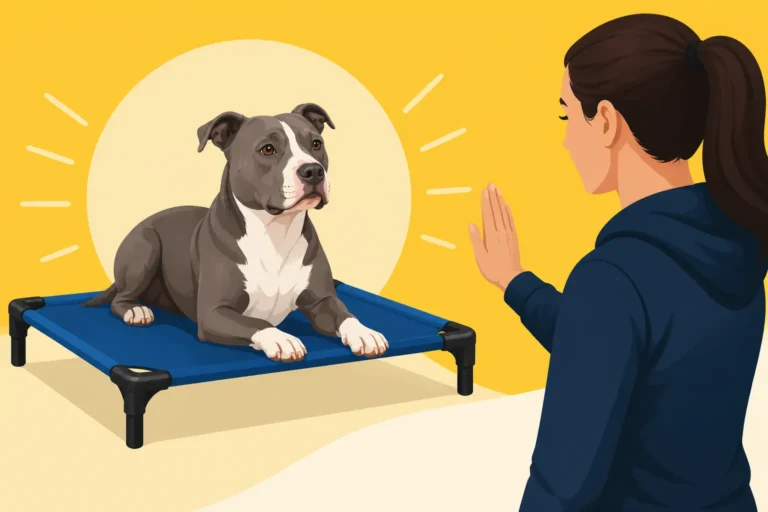
Establish a consistent daily routine for feeding, walks, and playtime. This predictability provides a sense of security. Ensure your dog has a quiet, comfortable space where they can retreat and feel safe, away from household hustle and bustle. This might be their crate, a cozy bed in a low-traffic room, or a designated corner. Enrich their environment with activities that engage their minds and bodies without overstimulating them. Puzzle feeders, for example, turn mealtime into a mental exercise. You can find many robust, engaging puzzle feeders on platforms like Amazon that are designed to withstand a Pit Bull's enthusiasm, providing a healthy outlet for their energy and focus. Mental stimulation can reduce anxiety and frustration, which can indirectly help manage skin flare-ups.
Gentle Handling and Cooperative Care Training
Even when your Pit Bull's skin is healthy, consistent positive reinforcement training for handling is critical. You want your dog to not just tolerate but actively cooperate with examinations and grooming. This is known as cooperative care. Start by rewarding them for allowing gentle touches in non-sensitive areas, gradually moving towards more sensitive spots like ears, paws, and belly. Use high-value treats and keep sessions short and positive.
Teach them a "chin rest" cue or to "target" your hand, which gives them agency and signals their readiness to engage. The key is to teach them that handling predicts good things and that they always have the option to disengage. This builds immense trust. If you're looking for structured guidance on this, online training resources, such as those offered by BAXTER & Bella, can be invaluable. They often provide step-by-step videos and support for teaching cooperative care behaviors, helping you build a positive relationship around necessary husbandry tasks. The goal is to make vet visits, medicated baths, and home checks less stressful for both of you.
Building a Stronger Bond and Trust After an Incident
A snapping incident, even if pain-induced, can shake your confidence and erode the trust between you and your Pit Bull. Rebuilding that trust is a process that requires patience, consistency, and a deep commitment to positive reinforcement.
Rebuilding Trust Through Positive Reinforcement
After a snapping incident, it's crucial to approach all interactions with renewed patience and understanding. Focus on re-establishing a positive emotional connection through gentle interactions and frequent, low-pressure positive reinforcement. This means rewarding calm behavior, relaxed body language, and willingness to engage.
Avoid any confrontational methods or force. If your Pit Bull is hesitant, give them space and allow them to approach you on their terms. Use treats and praise for any voluntary interaction. If you need to attend to a sensitive area, do it slowly, with short sessions, always pairing the touch with high-value rewards. This helps reframe handling as a positive experience, not a potentially painful one. Remember, Positive Reinforcement Training With a Pit Bull is not just for teaching tricks; it's fundamental to building a strong, trusting bond based on choice and reward, rather than compulsion. Over time, these positive experiences will help your Pit Bull understand that your touch is safe, even when they're not feeling their best.
Regular Health Checks and Proactive Care
A key element in preventing future incidents is proactive monitoring of your Pit Bull's health, particularly their skin. Make it a habit to perform quick, gentle "health checks" daily, especially if they are prone to skin issues. This doesn’t have to be an invasive exam; it can be integrated into your petting sessions. Run your hands over their body, checking for any new bumps, scabs, redness, or excessive warmth. Observe their behavior closely. Are they scratching more than usual? Are they paying unusual attention to their paws, indicating Pit Bull Paw Licking and Chewing, or shaking their head?
Check their ears regularly for redness, discharge, or odor, which can be early signs of an ear infection. Learning Cleaning a Pit Bull Ear Properly can be part of your routine care, but always be gentle and stop if you notice signs of discomfort. The earlier you spot a developing skin issue, the sooner you can intervene with veterinary guidance, preventing it from escalating to a painful flare that might trigger a defensive snap. Proactive care shows your Pit Bull that you are attentive to their needs and responsive to their discomfort, strengthening your bond and reinforcing their sense of security.
Disclaimer
This article is for general informational purposes only and does not constitute professional advice. Laws, prices and regulations vary by location and change over time. Consult a qualified professional for guidance on your specific situation.